Fish
Fish Fire
Fire Hike
Hike Bird
Bird

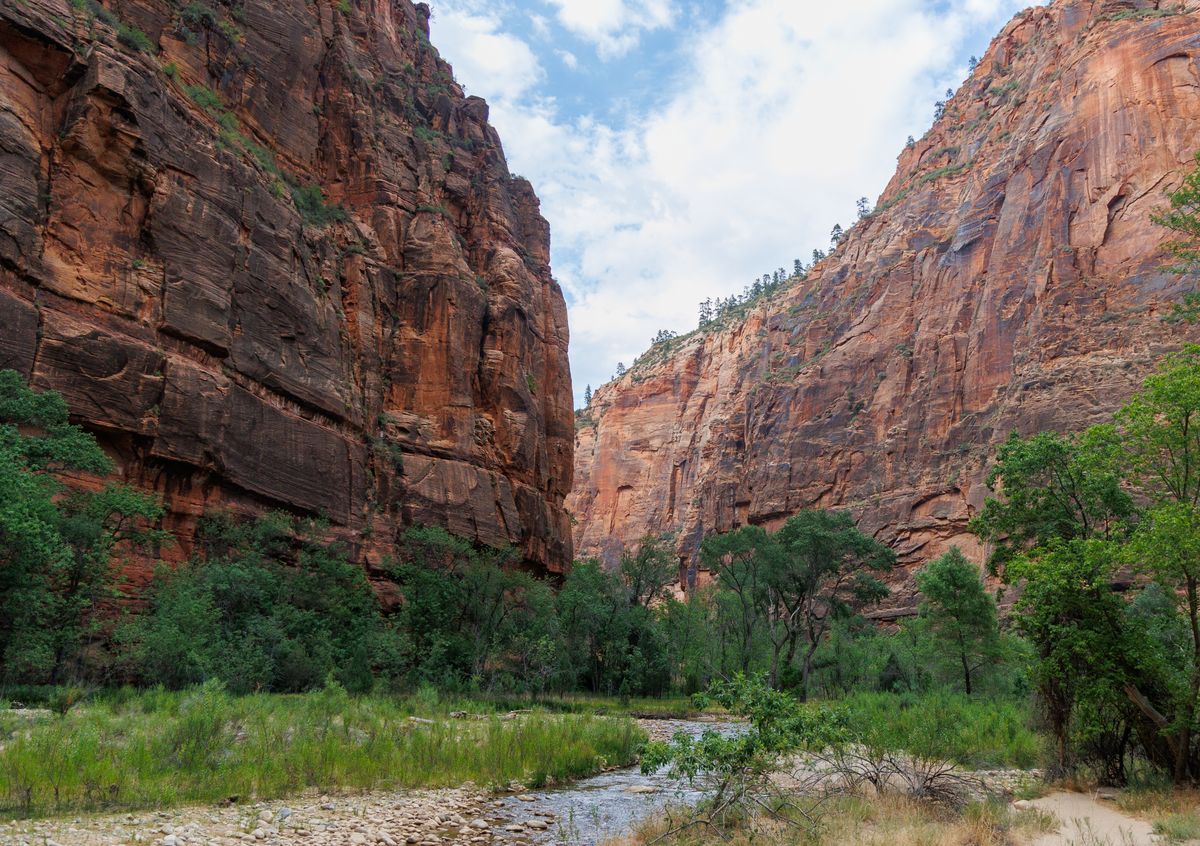
The Green River that flows through Canyonlands National Park is not the Green River most fly anglers know. The famous tailwater below Flaming Gorge Dam, the one with twenty-inch brown trout sipping Blue Winged Olives in gin-clear currents, the one written up in every western fly-fishing magazine, is two hundred miles upstream and a completely different river. By the time the Green reaches Canyonlands, it has left the cold tailwater behind, picked up tributaries and desert sediment, warmed to temperatures that trout cannot survive, and become something else entirely: a wide, slow, red-tinged desert river carrying smallmouth bass, channel catfish, and common carp through sandstone canyons a thousand feet deep.
The Colorado River enters from the east, having already passed through Moab and the red rock corridor of Meander Canyon. It meets the Green at a place called the Confluence, the geographic and spiritual heart of Canyonlands National Park. Below the Confluence, the combined rivers enter Cataract Canyon, where Class III-V whitewater turns the water into something no one fishes. Above it, in the long flatwater stretches of Stillwater Canyon on the Green and Meander Canyon on the Colorado, the fishing happens.

This is not trout water. If you have read our guide to the Green River tailwater in Utah, put that information aside. The Green River below Flaming Gorge is 48-degree water flowing over cobble, holding wild brown and rainbow trout that eat size 20 midges. The Green River through Canyonlands is 70-degree water flowing over sand and silt, holding smallmouth bass that eat Clouser Minnows stripped through current seams along red sandstone ledges. Same river. Same name. Different planet.
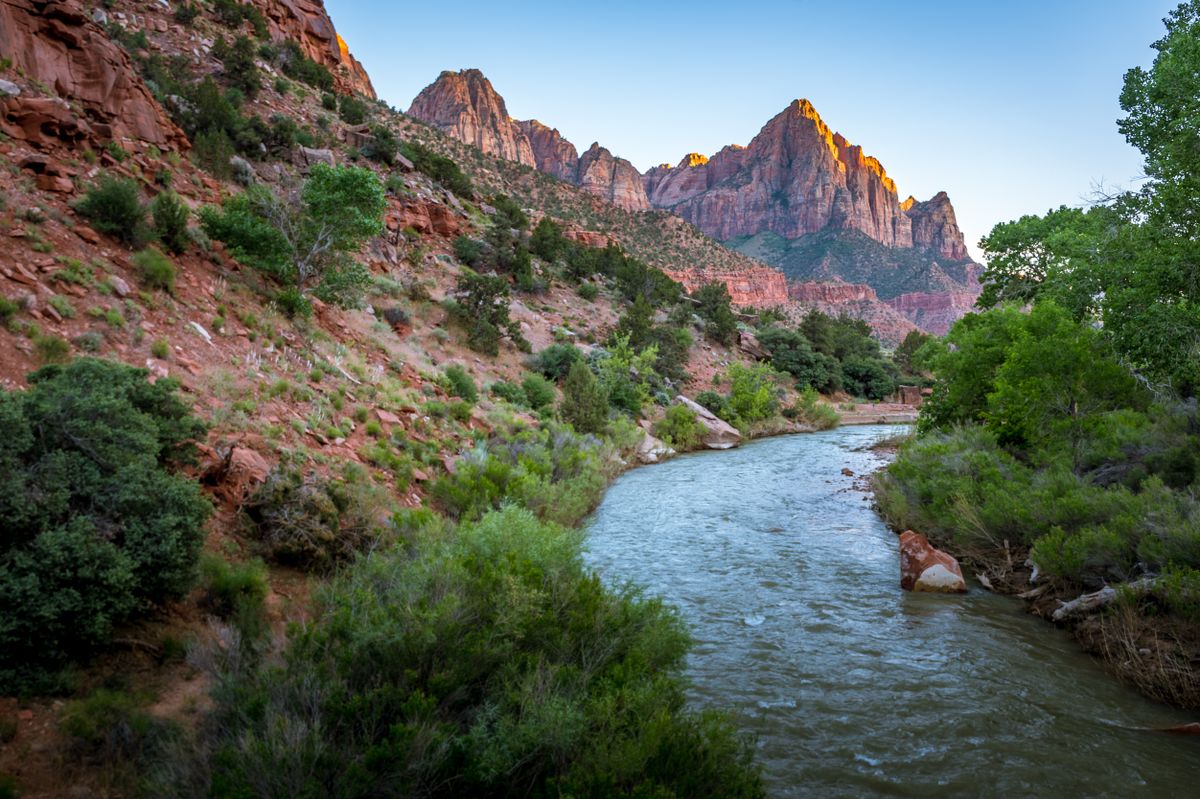
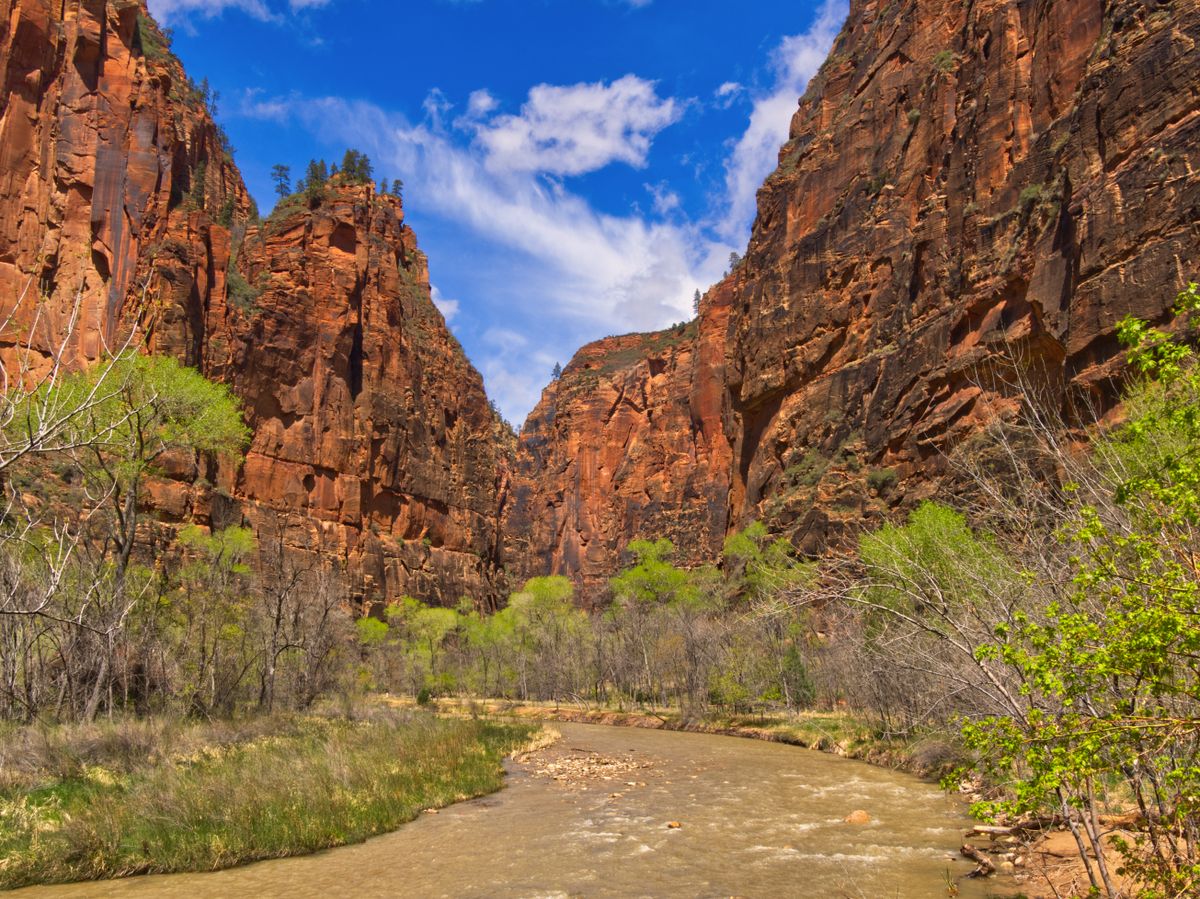
Canyonlands is the least-visited of the major Utah national parks, and fishing here requires commitment. There are no drive-up access points on the rivers inside the park. You reach the water by floating in, multi-day canoe and raft trips through Stillwater Canyon on the Green or Meander Canyon on the Colorado, with a permit from Recreation.gov and a jet boat ride back upstream to Moab at the end. The reward for that commitment is fishing in one of the most dramatic landscapes on earth, with canyon walls rising a thousand feet on either side and no sound but the river, the wind, and the occasional canyon wren.
The Two Rivers, Green and Colorado
The Green River, Stillwater Canyon
The Green River enters Canyonlands from the north, flowing through Labyrinth Canyon and then Stillwater Canyon, 52 miles of flatwater from Mineral Bottom to the Confluence. Stillwater Canyon earned its name honestly. The current is gentle, the gradient minimal, and the river moves through the canyon with the patience of the geology it has spent millions of years carving.
The put-in at Mineral Bottom is reached via a steep, switchbacking dirt road that drops 900 feet to the river in a mile and a half. It is not a casual drive. The road is one lane, unpaved, and exposed. But once you launch, the canyon closes around you and civilization disappears.

The fishing in Stillwater Canyon targets smallmouth bass holding along the canyon walls where ledges, fallen rock, and undercut sandstone create structure. The water is warm and often turbid, particularly after summer thunderstorms send red silt cascading off the canyon rims, but the smallmouth are here, feeding on crayfish and minnows in the slower eddies and along the rock margins.
Channel catfish are abundant through the entire Stillwater stretch. They hold in the deeper pools and back eddies, and while they are not the primary fly-rod target, a big Woolly Bugger dead-drifted along the bottom will pick them up. Common carp cruise the sandy shallows and backwater pools, offering sight-fishing opportunities for anglers who want the challenge, and carp on the fly in a desert canyon is a genuine challenge.
The Stillwater Canyon float takes four to six days for most paddlers, covering roughly fifteen miles per day. You camp on sandbars and benches along the river, with side-canyon hikes to Ancestral Puebloan ruins and rock art panels. The fishing is something you do between the paddling and the exploring, casting from the canoe into likely holding water, or wading the shallows at camp in the evening when the smallmouth push into the margins to feed.
The Colorado River, Meander Canyon
The Colorado enters the park from the east, having flowed through Moab and past the Potash boat ramp about 47 miles upstream of the Confluence. The stretch from Potash downstream through Meander Canyon is flatwater, Class I at most, and carries the same warmwater species as the Green.
The Colorado through this section is wider than the Green, the canyon walls are equally dramatic, and the fishing is comparable. Smallmouth bass hold along the rocky shorelines and in the eddies behind boulders. Channel catfish dominate the deeper water. The river runs warm and carries sediment, this is not sight-fishing water for the most part, though the sandy shallows in side channels can clear enough for carp spotting.
The Colorado River approach has one advantage over the Green: the section from Moab to the Potash boat ramp, roughly 17 miles of flatwater, offers day-trip access to warmwater fishing without requiring an overnight permit. You can launch at the Moab bridge, float downstream to Potash, and fish the red rock canyon corridor along the way. This is not inside the park boundary, but the water and the species are the same, and the canyon scenery along Highway 279 is stunning.
The Confluence, Where the Rivers Meet
The Confluence is the point where the Green River, flowing south, meets the Colorado River, flowing west. The two rivers join in the bottom of a canyon roughly a thousand feet deep, with the flat mesa of Island in the Sky towering above. You can see the Confluence from the Grand View Point overlook at Island in the Sky, a two-thousand-foot vertical drop to the river junction below, but reaching it on foot or by water is a different proposition entirely.

The Confluence itself is a meeting of two very different water colors, the Green typically running clearer, the Colorado carrying more red sediment from its upstream journey through the Moab canyon country. Where they meet, the colors swirl together before the combined river enters Cataract Canyon.
Fishing at the Confluence requires arriving by float trip, either down Stillwater Canyon on the Green or through Meander Canyon on the Colorado. The water around the junction holds good concentrations of smallmouth and catfish, as the structure created by the converging currents provides feeding lanes and holding water. If you have floated four days through Stillwater Canyon, the Confluence is your last real fishing opportunity before the jet boat picks you up at Spanish Bottom, just upstream of the first Cataract Canyon rapids.
The Three Districts, Understanding the Park
Canyonlands is divided into three districts separated by the rivers themselves:
Island in the Sky is the most visited district, accessed from Highway 313 north of Moab. It sits on a broad mesa between the Green and Colorado Rivers, with overlooks that provide views of the canyon country below. Mesa Arch, Grand View Point, and the White Rim Trail are here. This is where most visitors experience Canyonlands, but the river is two thousand feet below, and there is no fishing access from this district.
The Needles district, in the southeast corner of the park, is accessed from Highway 211 south of Moab. The landscape is different here, red and white banded sandstone spires, grasslands, and side canyons. The Colorado River is accessible via a long hike down to the river corridor, but this is not a practical fishing approach.
The Maze is the most remote district, accessed from the west via long dirt roads. It borders the Green River's Stillwater Canyon and the upper reaches of Cataract Canyon. The Doll House formation, at the downstream end of Stillwater Canyon near the Confluence, is technically in the Maze district. River access is possible but requires serious backcountry commitment.
The practical fishing in Canyonlands happens on the water, not from the rim. The rivers are the access, you float in, you fish as you go, and you float out.
The Fish, What Swims in Desert Canyons
Smallmouth Bass, The Fly-Rod Target

Smallmouth bass are the primary fly-fishing target in Canyonlands. They were introduced to the Colorado River system decades ago and have established strong populations through both rivers in the park. Smallmouth in this water run ten to sixteen inches on average, with occasional fish to eighteen or twenty inches in the deeper structure.
The smallmouth here behave like smallmouth everywhere, they hold near structure, they eat crayfish and baitfish, and they fight with an aggression that exceeds their size. The difference is the setting. You are catching these fish in a canyon so deep and so remote that the sky is a narrow stripe of blue between sandstone walls. The water is warm and often colored. The fish hit streamers stripped along the rock walls and topwater patterns worked in the morning shadows.
This is the same species you would target at New River Gorge or Voyageurs, but the experience is entirely different. The eastern and northern smallmouth waters have forested banks and green canopies. Canyonlands has red rock, desert varnish, and a sun that hits the water for only a few hours a day in the deepest canyon sections. The morning and evening shade produced by thousand-foot walls creates the low-light conditions that smallmouth prefer, and the fishing can be surprisingly good in those shadow hours.
Channel Catfish, The Reliable Catch
Channel catfish are the most abundant fish in both rivers through Canyonlands. Studies at the Confluence have found that non-native species, primarily catfish and carp, make up roughly 95 percent of the fish population. Channel cats hold in the deeper pools, the back eddies behind major boulders, and the slack water along inside bends. They feed most actively in low light, dawn, dusk, and after dark.
On a fly rod, channel catfish are an underrated fight. They pull hard, they use the current, and a twenty-inch catfish in river current will test your 6-weight. The fly-rod approach is simple: dead-drift a large, dark Woolly Bugger (#4-6, black or brown) along the bottom in slower water, or swing a San Juan Worm through the deeper runs. Catfish rely heavily on scent, which limits the effectiveness of artificial flies compared to bait, but a slow-presented, bottom-drifting fly picks up fish consistently.
Common Carp, The Challenge Fish
Carp are abundant throughout both rivers and offer a legitimate sight-fishing challenge for fly anglers willing to pursue them. In the sandy shallows and backwater pools, particularly where side canyons create calm, clear water, carp tail and cruise in water shallow enough to sight-cast to individual fish.
Carp on the fly requires stealth, accuracy, and the right presentation. These are spooky, selective fish that will refuse any fly that lands too hard, drifts too fast, or looks wrong. Small, rubber-legged nymphs in tan and olive, Backstabber patterns, and San Juan Worms in natural colors are the standard approach. Lead the fish by two to three feet, let the fly sink to the bottom, and wait for the carp to move onto it. When it works, a fifteen-pound carp in the shallows of a desert canyon is one of the best fights in freshwater fly fishing.
Endangered Native Fish, Handle with Care
The rivers through Canyonlands are home to four federally endangered fish species: Colorado pikeminnow, razorback sucker, humpback chub, and bonytail chub. These are native fish that evolved in the Colorado River system over millions of years. The Colorado pikeminnow, historically called the Colorado squawfish, once grew to six feet and over a hundred pounds, making it the largest minnow in North America.
If you catch any native fish, you must release it immediately and handle it with care. These species are protected under the Endangered Species Act. Learn to identify them before you fish, the National Park Service provides identification guides. If you cannot identify a fish you have caught, release it. The default is always release.
The presence of endangered native fish in these rivers is part of what makes Canyonlands significant beyond the scenery. Conservation efforts to protect and recover these species are ongoing, and responsible angling, which means keeping invasive species when required by regulation and releasing natives immediately, is part of the equation.
The Fly Box, Desert Warmwater Patterns
The fly selection for Canyonlands is warmwater bass and catfish patterns, a different box entirely from what you would carry on the Green River tailwater upstream. Leave the size 20 midges and PMD emergers at home. You need streamers, crayfish imitations, and topwater patterns.
Streamers, The Workhorses
- Clouser Minnow (#2-6, olive/white and brown/white), the single most important fly for Canyonlands smallmouth. The Clouser gets down fast, mimics the baitfish the smallmouth eat, and can be fished in every type of water from fast current seams to slow eddies. Olive over white is the standard, but brown over white or chartreuse over white both produce. The weighted dumbbell eyes are essential, you need the fly riding hook-point-up to avoid snags on the rocky bottom.
- Woolly Bugger (#4-8, brown, olive, rust), in crawdad colors, not the black and olive you would throw for trout. The desert canyon crayfish are reddish-brown and olive, and the Bugger in those colors imitates them effectively. Fish it on a short strip-and-pause retrieve along the bottom, or dead-drift it through deeper runs for catfish.
- Muddler Minnow (#4-8), the classic sculpin imitation works here as a general baitfish pattern. The spun deer-hair head pushes water and creates the kind of disturbance that draws strikes from aggressive smallmouth.
- Lefty's Deceiver (#2-6, white or olive), for the deeper, wider pools where a longer, more natural baitfish profile is effective. Strip it in long pulls along the rock walls.
- Crayfish patterns (#4-6, brown and rust), any crayfish imitation with rubber legs and a weighted body. The rivers through Canyonlands are full of crayfish, and the smallmouth know it.
Topwater, Morning and Evening
- Small poppers (#6-8, chartreuse, white, or yellow), for the first and last light of day when smallmouth push into the shallow margins along the canyon walls. Cast tight to the rock, let the rings settle, and pop it once. Wait. Pop again.
- Sneaky Pete (#6-8), a slider-style topwater that moves across the surface with less disturbance than a popper. Effective in calm backwater pools and the edges of eddies.
- Dahlberg Diver (#2-4), a deer-hair diver that can be fished on top or pulled under. The larger sizes move enough water to draw smallmouth from several feet away in the murky canyon water.
Bottom Flies, Catfish and Carp
- San Juan Worm (#8-12, red, brown, and tan), dead-drifted along the bottom for catfish, or sight-fished to carp in the shallows. The San Juan Worm is the most versatile bottom fly in the box.
- Rubber-legged nymphs (#8-12, tan and olive), for carp. Small Hare's Ear variations with rubber legs are effective when sight-fishing in the clear backwaters.
- Hellgrammite patterns (#4-6, black and brown), large, dark, and heavy. Dead-drift them through the deeper pools for catfish.
- Copper John (#10-14), surprisingly effective as a smallmouth nymph in the faster water near riffles and current seams. The flash and weight get it into the strike zone quickly.
- Prince Nymph (#8-12), another attractor nymph that works for smallmouth in the canyon's moving water. The white biots and peacock herl draw attention.
The Gear
Rod: A 9-foot 6-weight is the workhorse rod for Canyonlands. It handles the Clouser Minnows and Woolly Buggers that do most of the work, turns over weighted streamers into the wind, and has enough backbone to fight sixteen-inch smallmouth in current. Bring a 7- or 8-weight if you plan to throw the larger Dahlberg Divers or if you want to target carp seriously, a fifteen-pound carp requires more rod than a 6-weight offers.
Reel: A reel with a reliable disc drag. Carp and large catfish will put you into your backing in the current. Smallmouth usually will not, but the reel should be sealed or at least sand-resistant, the desert environment puts fine grit into everything.
Line: Weight-forward floating line for most fishing. A sink-tip line (150-grain to 200-grain) is useful for getting Clousers and crayfish patterns deep in the faster current seams and deeper pools. If you bring only one line, bring the floater and use weighted flies to get down.
Leader: 9-foot leaders tapered to 1X or 2X for streamer fishing. The fish are not leader-shy, the water is too turbid for that, and the heavier tippet lets you turn over weighted flies and pull fish out of structure. For carp sight-fishing, go to 3X or 4X fluorocarbon and a longer leader, the carp are spookier than anything else in the river.
Other gear: Stripping basket if you are fishing from a raft or canoe, stripped line on the floor of a boat tangles in everything. Polarized sunglasses in copper or amber for cutting through the turbid water. Sunscreen, a hat with a full brim, and more water than you think you need. You are in a desert canyon in southern Utah. Temperatures above 100 degrees are common in summer, and there is no shade that you do not create yourself.
The Float Trip, Planning the Experience
The Green River, Stillwater Canyon Float
The standard Canyonlands fishing float is the Stillwater Canyon trip on the Green River. You put in at Mineral Bottom, paddle 52 miles through the canyon, and take out at Spanish Bottom near the Confluence.
Duration: Four to six days.
Permit: Required for all overnight river trips in Canyonlands. Available through Recreation.gov. There is a $36 permit fee per party plus $25 per person. Permits are competitive during peak season, apply early.
Shuttle: There is no vehicle access at the take-out. You must arrange a jet boat shuttle from Spanish Bottom back up the Colorado River to Moab. Several outfitters in Moab operate this service, Tex's Riverways and Tag-A-Long Expeditions are two. Book the jet boat before you book the permit. The jet boat ride is roughly 50 miles upstream and takes several hours.
Craft: Canoes and rafts are both common. Canoes are quieter, sit lower on the water, and let you fish more effectively from the boat. Rafts carry more gear and are more forgiving in wind. Paddleboards and kayaks work for experienced paddlers but limit your fishing gear and camping capacity.
Camps: Designated campsites along the river are assigned with your permit. You must camp at your assigned sites. All camps require a portable toilet system, pack it in, pack it out.
The Colorado River, Meander Canyon Float
The Colorado River option puts in at Potash boat ramp (mile 47 above the Confluence) and follows Meander Canyon to the Confluence. The logistics are similar to the Stillwater trip, overnight permit required, jet boat shuttle arranged for the take-out.
The Colorado River float is shorter than the full Stillwater Canyon trip and can be done in three to five days depending on how far upstream you launch.
Day-Trip Option, Moab to Potash
If you do not have time for a multi-day float, the Moab to Potash section of the Colorado River offers a one-day warmwater fishing float that does not require an overnight permit. Launch at the Moab bridge, float seventeen miles of flatwater through the red rock canyon corridor along Highway 279, and take out at the Potash boat ramp. The fishing is the same species in the same type of water, and the canyon scenery is outstanding even though you are technically outside the park boundary.
This is the practical option for anglers who want to experience Canyonlands-style desert warmwater fishing without committing to a multi-day expedition.
Seasonal Calendar
Spring, March through May
Spring runoff makes March and April difficult. Snowmelt from the mountains upstream raises river levels, increases turbidity, and turns the water cold enough to slow the warmwater species. The smallmouth are sluggish, the catfish are inactive, and the carp have not moved into the shallows.
By late May, flows begin to drop and water temperatures climb into the mid-60s. The smallmouth start feeding more aggressively, holding in the slower water along the canyon walls where the current is manageable. Late May can be productive, particularly in a low snowpack year when the runoff subsides early.
Spring is also the best season for the canyon experience itself, wildflowers in the side canyons, comfortable air temperatures, and the rivers at their most dramatic with high water pushing through the narrows.
Summer, June through August
Summer is prime time for warmwater fishing in Canyonlands, but it comes with brutal heat. Air temperatures routinely exceed 100 degrees in the canyon, and the exposed sandstone radiates heat long after sunset. Water temperatures reach the high 60s to mid-70s, perfect for smallmouth bass, which are most active in water between 65 and 78 degrees.
July and August are the peak months for smallmouth on the fly. The fish are aggressive, feeding actively on crayfish and baitfish in the morning and evening shadows cast by the canyon walls. Midday fishing is slow, the sun hits the river directly, water temperatures spike, and both the fish and the anglers retreat to shade.

Summer thunderstorms are common and can be violent. A storm on the rim sends flash floods through side canyons that dump walls of red water and debris into the rivers. After a storm, the rivers run chocolate-brown and fishing becomes nearly impossible until the sediment settles. Monitor weather carefully and be prepared for river conditions to change in hours.
The heat demands respect. Carry more water than you think you need. Seek shade during the middle of the day. Fish the morning and evening hours. The canyon creates its own weather, the walls trap heat during the day and radiate it at night, and the temperature differential between shade and sun can exceed twenty degrees.
Fall, September through November
Fall is arguably the best season for Canyonlands fishing. Air temperatures drop into the 70s and 80s, the rivers have settled from summer storms, and the smallmouth are feeding heavily in preparation for winter. Water temperatures remain warm enough for active feeding through October.
September and October offer the best combination of fishable water, comfortable conditions, and reduced competition for river permits. The canyon country in fall light, low-angle sun hitting the red sandstone walls, the cottonwoods turning gold along the river, is the most photogenic version of Canyonlands.
By November, water temperatures drop below 60 degrees and the warmwater fishing slows. Catfish become increasingly dormant. Smallmouth feed less frequently. The float trip itself remains viable, but the fishing component diminishes.
Winter, December through February
Winter fishing in Canyonlands is not practical. Water temperatures are too cold for consistent warmwater activity, air temperatures in the canyon can drop below freezing at night, and the logistics of a multi-day float trip in winter conditions make it inadvisable for most anglers.
Regulations
Fishing in Canyonlands National Park requires a valid Utah fishing license, available through the Utah Division of Wildlife Resources. The park follows Utah state regulations for the Colorado River drainage.
Important regulatory notes:
- There is no bag limit on channel catfish, smallmouth bass, largemouth bass, green sunfish, bluegill, bullhead, yellow perch, or crappie in these waters.
- Common carp have no limit and no size restrictions.
- Colorado pikeminnow, razorback sucker, humpback chub, and bonytail chub are federally endangered. If you catch one, release it immediately. Handle the fish in the water if possible. Do not hold them out of the water for photos. These fish are not optional catch-and-release, releasing them is the law.
- If you cannot identify a fish, release it. The default assumption should always be that an unfamiliar fish may be a protected native species.
- Check current Utah fishing regulations before your trip, regulations on the Colorado River drainage can change, particularly regarding invasive species management.
The Contrast, Tailwater Trout and Desert Bass
If you have fished the Green River tailwater below Flaming Gorge, the contrast with the Green River through Canyonlands is striking. The tailwater is cold, clear, and holds wild brown and rainbow trout that sip size 22 midges in technical feeding lanes, Griffith's Gnats and Elk Hair Caddis drifted on 7X tippet over fish that inspect every fiber. The canyon section is warm, turbid, and holds smallmouth bass that crush Clouser Minnows stripped along sandstone ledges. The upstream Green is a precision game, downstream presentations, size and stage matching, a Chubby Chernobyl as a dry-dropper indicator over nymphing runs. The downstream Green is a power game, 1X tippet, aggressive strips, flies that push water and make noise.
The river system connects these two worlds. Water released from Flaming Gorge Dam starts as trout water, warms through the Uinta Basin, picks up sediment through Desolation and Gray Canyons, and arrives in Canyonlands as warmwater habitat. The Green River through Canyonlands is what the tailwater becomes when the dam's influence fades and the desert takes over.
The Grand Canyon offers a downstream continuation of the Colorado River system, the same river, further along its journey, with its own fishery shaped by Glen Canyon Dam. And Big Bend National Park in Texas offers the closest comparison in the national park system: another desert canyon, another warm river, another warmwater fishery in a landscape of exposed rock and relentless sun. The Rio Grande at Big Bend holds similar species in a similar setting, though the canyon geology and the cultural landscape are different.
Congaree National Park shares the warmwater floodplain dimension, and New River Gorge offers the best smallmouth bass comparison, though the Appalachian setting could not be more different from the Utah desert.
Moab, The Gateway Town
Moab is thirty miles from the Canyonlands entrance at Island in the Sky, and it serves as the staging area for all river trips into the park. The town has grown from a uranium-mining outpost into an outdoor recreation hub, mountain biking, four-wheeling, rafting, and climbing are the primary draws. Fly fishing is not on most visitors' radar, which is part of the appeal.
Several outfitters in Moab run guided float trips that can incorporate fishing. Tex's Riverways, Moab Rafting and Canoe Company, and Tag-A-Long Expeditions all offer Stillwater Canyon and Meander Canyon trips. Ask specifically about fishing-focused itineraries, most standard trips are paddling and sightseeing oriented, and a guide who understands where the smallmouth hold and how to target them with flies will fundamentally change the experience.
Moab has full services, hotels, restaurants, gear shops, groceries. There is no dedicated fly shop in town, so bring everything you need. The nearest fly shops are in the Salt Lake City area, three and a half hours north. Stock your warmwater box before you arrive.
Arches National Park is five miles north of Moab and can fill a day before or after your river trip. The combination of Arches and Canyonlands in a single trip is one of the best two-park itineraries in the system, you get the iconic sandstone arches, the vast canyon country, and the river fishing in between.
Why Canyonlands
Most national park fly fishing is cold water. Trout in mountain streams, salmon in Alaskan rivers, cutthroat in alpine lakes. Canyonlands is something else, warmwater fishing in a landscape that most fly anglers never consider. The smallmouth bass in these canyon rivers do not appear in the magazines. The Clouser Minnow stripped along a sandstone ledge in a thousand-foot canyon does not get the coverage that a Parachute Adams on a spring creek gets. But the fishing is real, the fish fight hard, and the setting is unlike anything in the national park system.
The multi-day float through Stillwater Canyon to the Confluence is one of the great river trips in the American West. The fishing is one component of that trip, along with the geology, the archaeology, the night sky, and the silence of a canyon so deep and so remote that the modern world disappears entirely. You paddle through rock that is 300 million years old, camp on sandbars that the next flood will reshape, and cast Woolly Buggers in crawdad colors to smallmouth bass that have never seen a fly rod.
That is Canyonlands. Drive to Moab. Get a permit. Pack the 6-weight and a box of Clousers, Woolly Buggers, and San Juan Worms. Float into the canyon and fish water that most anglers drive past on their way to the tailwater upstream.