Stuart Fishing: The Sailfish Capital, the Mullet Run, and the Indian River Lagoon
← All field notes

Stuart · Florida

Stuart Fishing: The Sailfish Capital, the Mullet Run, and the Indian River Lagoon

Stuart calls itself the Sailfish Capital of the World, but the fishing runs deeper than billfish, the fall mullet run triggers a feeding frenzy that turns every predator in the Indian River Lagoon inside out.

Colin Van Dyke

Colin Van Dyke

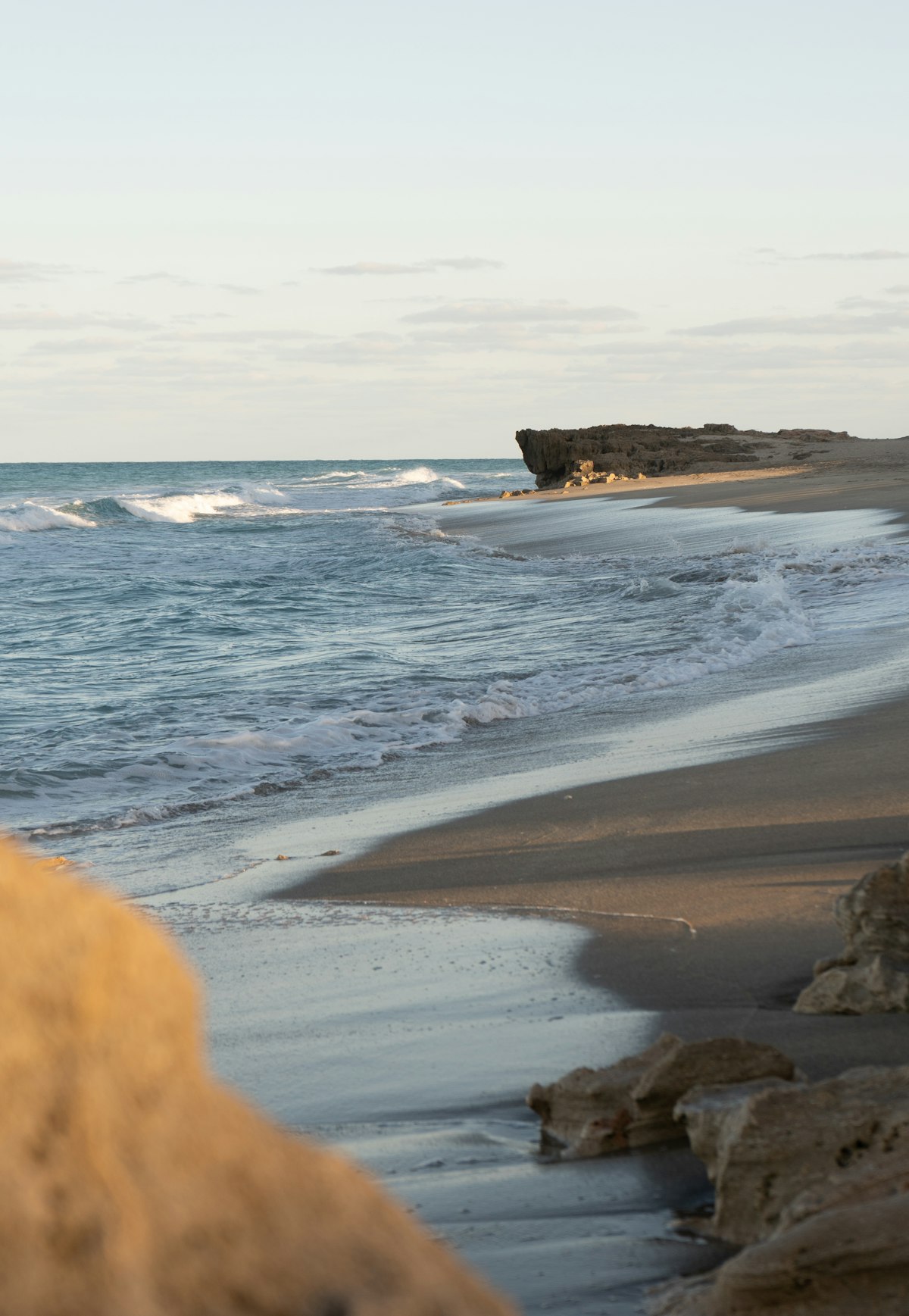
Stuart sits on Florida's Treasure Coast where the St. Lucie River meets the Indian River Lagoon and the Atlantic Ocean rushes through St. Lucie Inlet. The town has called itself the Sailfish Capital of the World since the 1950s, and the winter sailfish bite offshore backs that up, some of the highest catch rates for Atlantic sailfish anywhere.

But the fishing that makes Stuart special for locals isn't the sailfish. It's the mullet run, the annual fall migration of millions of finger mullet down the coast that triggers a feeding frenzy involving every predator in the system. Snook, tarpon, jack crevalle, sharks, bluefish, and Spanish mackerel all converge on the mullet schools, and the fishing during the run is as intense as anything in Florida.

The Mullet Run, September Through November

The mullet run is the event that defines Stuart's fishing calendar. Starting in September, massive schools of finger mullet migrate south along the coast, pushed by the first cool fronts. When the schools reach the St. Lucie Inlet and the Indian River Lagoon, every predator in the ecosystem responds.

Snook ambush the mullet schools at the inlet jetties, under the bridges, and along the seawalls. The fish are aggressive and feeding with an urgency that makes them easier to hook than at any other time of year. Big snook, 10 to 20 pounds, crash into mullet schools on the surface, and the blowups are visible from the beach.

Tarpon follow the mullet into the inlet and the river, feeding in packs that look like submarine warfare, dorsal fins, rolling backs, and the sound of 100-pound fish crashing bait against the surface.

Jack crevalle run the mullet in schools of 50 to 100 fish, busting the surface in explosions of spray. Sharks, blacktip, spinner, bull, patrol the edges of the mullet schools. Bluefish and Spanish mackerel attack from below and behind.

The mullet run doesn't happen on a fixed schedule, it's triggered by water temperature drops and wind direction, so it starts and stops in waves. When a big push of mullet hits the inlet, every guide in Stuart drops what they're doing and heads for the action.

The Indian River Lagoon, Year-Round Inshore

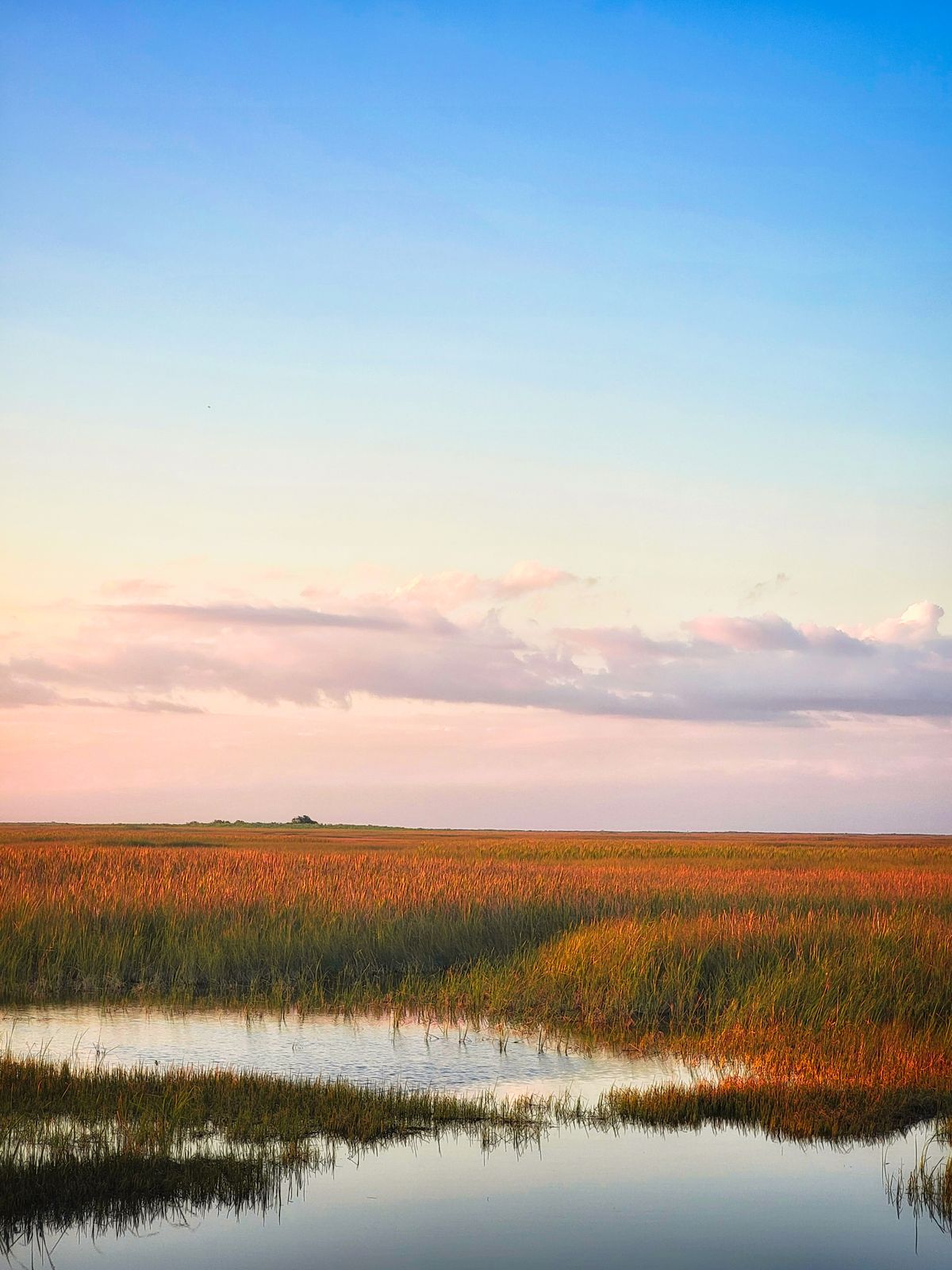
The Indian River Lagoon stretches 156 miles along Florida's east coast, the most biologically diverse estuary in North America. The Stuart section of the IRL holds excellent inshore fishing year-round.

Snook hold under the mangrove shorelines, docks, and bridges throughout the lagoon. They're the primary inshore target outside the mullet run, and the IRL's structure-rich environment provides habitat in every season.

Redfish cruise the lagoon's grass flats and mangrove edges. Spotted seatrout sit over the deeper grass and sand areas, with the best trout fishing in the cooler months. Tarpon are present in the lagoon from spring through fall.

The IRL around Stuart is relatively narrow, you're fishing mangrove shorelines, bridge pilings, and dock lights in water that's usually two to six feet deep. It's intimate fishing with light tackle, and the species diversity is outstanding.

Offshore, Sailfish and the Reef

The Atlantic offshore waters are what earned Stuart its Sailfish Capital title.

Sailfish concentrate along the reef edge in 100 to 250 feet of water from November through March, when cold fronts push bait south along the coast. Kite fishing, flying live baits on kites that suspend them on the surface, is the dominant technique. On a good winter day, boats release double-digit sails.

Beyond sailfish, the offshore reef and ledge system holds mahi-mahi from spring through fall, blackfin tuna, king mackerel, cobia, and wahoo along the temperature breaks. Bottom fishing on the reef produces snapper, grouper, and amberjack.

The Gulf Stream runs relatively close to shore here, 15 to 20 miles, putting blue-water species within easy range.

St. Lucie Inlet, The Choke Point

St. Lucie Inlet is the narrow pass connecting the Indian River Lagoon to the Atlantic. The current ripping through the inlet concentrates bait and predators, making it one of the most productive spots on the Treasure Coast.

Snook hold along the inlet rocks and seawalls year-round. Tarpon stage in the inlet from April through August. Snapper and grouper hold on the rocky bottom in the deeper sections. The inlet is the focal point during the mullet run, every predator in the system converges on the pass.

When to Go

  • September–November: The mullet run, the most intense fishing of the year, all species feeding
  • December–March: Peak sailfish offshore, snook in the lagoon, the best winter fishing in Florida
  • April–June: Tarpon in the inlet and lagoon, mahi-mahi offshore, snook spawning
  • July–August: Summer snook, mahi offshore, pre-mullet-run warmth
Recommended gear

  • Penn Battle III 4000 Combo

    Mid-tier, Stuart's inlet sailfish and inshore snook

  • Shimano Saragosa SW 5000

    Premium, sailfish live-baiting off St. Lucie Inlet

  • Penn Pursuit IV 3000 Combo

    Entry level, Indian River Lagoon snook and trout

  • DOA Baitbuster Silver

    Topwater for Stuart's Indian River snook

  • Yo-Zuri Crystal Minnow Deep Diver

    Trolled for sailfish outside St. Lucie Inlet

  • LiveTarget Mullet

    Stuart's go-to inshore baitfish match

Frequently asked

Do you need a fishing license in Stuart, Florida?

On a charter or licensed pier, you're covered. Fishing on your own from shore or a private boat, non-residents need a Florida saltwater license, a 3-day is about $17, at GoOutdoorsFlorida.com. Some catches (snook, certain reef fish) have closed seasons and tags, which charters track.

How much does a Stuart fishing charter cost?

Inshore trips on the Indian River Lagoon for snook, redfish, and trout typically run about $400 to $600 for a half day. Offshore sailfish and mahi trips, the area's claim to fame, run $1,200 to $1,800 for a full day, and the famous winter sailfish bite books out early.

Why is Stuart called the Sailfish Capital of the World?

Stuart's offshore waters hold some of the highest catch rates for Atlantic sailfish anywhere. The Gulf Stream runs close to shore, and winter cold fronts push bait along the reef edge where sails concentrate. Kite fishing from November through March produces double-digit release days.

What is the mullet run in Stuart?

Every fall (September through November), millions of finger mullet migrate south along the coast. When the schools hit St. Lucie Inlet, every predator in the system, snook, tarpon, jacks, sharks, bluefish, converges for an intense feeding frenzy. It's the most exciting fishing event on the Treasure Coast.

What is the Indian River Lagoon?

The Indian River Lagoon is a 156-mile estuary along Florida's east coast, the most biologically diverse estuary in North America. The Stuart section holds snook, redfish, trout, and tarpon around mangroves, docks, and bridges in two to six feet of water. It fishes well year-round.

When is the best time to fish Stuart?

The mullet run (September through November) is the most intense fishing of the year. Winter (December through March) is peak sailfish season offshore. Spring brings tarpon. Stuart produces fish year-round, but fall is the season that locals plan their calendars around.

How close is the Gulf Stream to Stuart?

The Gulf Stream runs 15 to 20 miles offshore from Stuart, closer than most of the East Coast. This puts sailfish, mahi-mahi, tuna, and wahoo within easy range of a half-day charter. The proximity is what makes Stuart's offshore fishery so productive.

More Florida field notes

Three Zones, Three Different Seasons, One Scallop

Steinhatchee, FL

Three Zones, Three Different Seasons, One Scallop

Florida's bay scallop season is three separate seasons, and only one of them runs on its own dates while the other two share a calendar. Pick the zone before you pick the weekend, because the drive between them is hours.

You Take the Claw and the Crab Goes Back

Everglades City, FL

You Take the Claw and the Crab Goes Back

Florida stone crab is the one American fishery where you harvest a limb and return the animal alive. It regrows the claw in about a year. Whether that makes it harmless is a more interesting question than the marketing suggests.

Fly Fishing Everglades National Park: Tarpon, Snook, and Redfish in America's Wildest Saltwater Backcountry

Everglades City, FL

Fly Fishing Everglades National Park: Tarpon, Snook, and Redfish in America's Wildest Saltwater Backcountry

Everglades National Park is 1.5 million acres of mangrove backcountry, grass flats, and tidal channels holding tarpon over 100 pounds, snook that ambush from the mangrove roots, and redfish tailing on shin-deep flats. It's the only national park in America where the main attraction wears scales.

Fly Fishing Dry Tortugas National Park: Giant Tarpon, Permit, and the Fort at the End of the World

Key West, FL

Fly Fishing Dry Tortugas National Park: Giant Tarpon, Permit, and the Fort at the End of the World

Seventy miles of open Gulf separate Key West from a hexagonal Civil War fortress built on a sand island the size of a few football fields. Migratory tarpon over a hundred pounds stage in the channels around Fort Jefferson each spring, permit tail on the surrounding flats, and barracuda slash through schools of baitfish against the fort walls. Getting there is the hard part. Fishing it is the reward.

Fly Fishing Biscayne National Park: Bonefish, Permit, Tarpon, and the Best Saltwater Flats You Can Reach by Uber

Homestead, FL

Fly Fishing Biscayne National Park: Bonefish, Permit, Tarpon, and the Best Saltwater Flats You Can Reach by Uber

Biscayne National Park is 95% water, the largest marine park in the National Park System, with gin-clear turtle grass flats holding bonefish, permit, and tarpon 30 minutes south of downtown Miami. Here's the fly box, the seasonal calendar, and why this park is the Everglades' clear-water sister.

How to Fish Tampa Bay: A Beginner's Guide to Flats, Bridges, Passes, and Piers

Tampa, FL

How to Fish Tampa Bay: A Beginner's Guide to Flats, Bridges, Passes, and Piers

A hands-on beginner guide to fishing Tampa Bay, from wading the grass flats of Weedon Island and Cockroach Bay to night fishing the Gandy Bridge, working the passes on a falling tide, and pier fishing the Skyway. Covers gear, rigs, bait, species, tides, and the local knowledge that separates a good day from a blank.