Port Aransas Fishing: The Fishing Capital of Texas, Explained
← All field notes

Port Aransas · Texas

Port Aransas Fishing: The Fishing Capital of Texas, Explained

Port Aransas earned its title as the Fishing Capital of Texas for a reason, between the pier, the jetties, the surf, the bay, and the deep Gulf, there's a way to fish for every skill level and budget.

Colin Van Dyke

Colin Van Dyke

Port Aransas sits at the northern tip of Mustang Island, where the Aransas Pass ship channel connects the Gulf of Mexico to the bays behind. The town was officially designated the Fishing Capital of Texas in 2025, and the name fits, this is a place built around fishing, from the charter fleet at Fisherman's Wharf to the bait stands on every corner.

What sets Port A apart is the access. You don't need a boat, a guide, or experience to catch fish here. But if you want those things, the options scale all the way up to overnight deep-sea trips chasing marlin and tuna at the edge of the continental shelf.

Want to fish Port A on your own? Our beginner's guide to fishing Port Aransas breaks down the pier, the jetties, and the bay rigs step by step. Heading elsewhere on the Texas coast? See Galveston and South Padre Island.

Horace Caldwell Pier

The easiest entry point. The 1,240-foot lighted pier extends from the beach into the Gulf, has a bait shop and cleaning stations on-site, and costs a few dollars to walk on. Families, tourists, and serious anglers all share the rail.

What bites: Spanish mackerel in spring and fall, whiting and pompano year-round, sand trout in summer, and the occasional king mackerel that sends everyone scrambling. The pier lights attract baitfish after dark, and the night bite for sharks, jack crevalle, and big redfish can be outstanding.

No guide needed, no boat needed, no experience needed. Buy some shrimp at the bait shop, rig a bottom weight, and drop it over the rail. You'll catch something.

Surf Fishing on Mustang Island

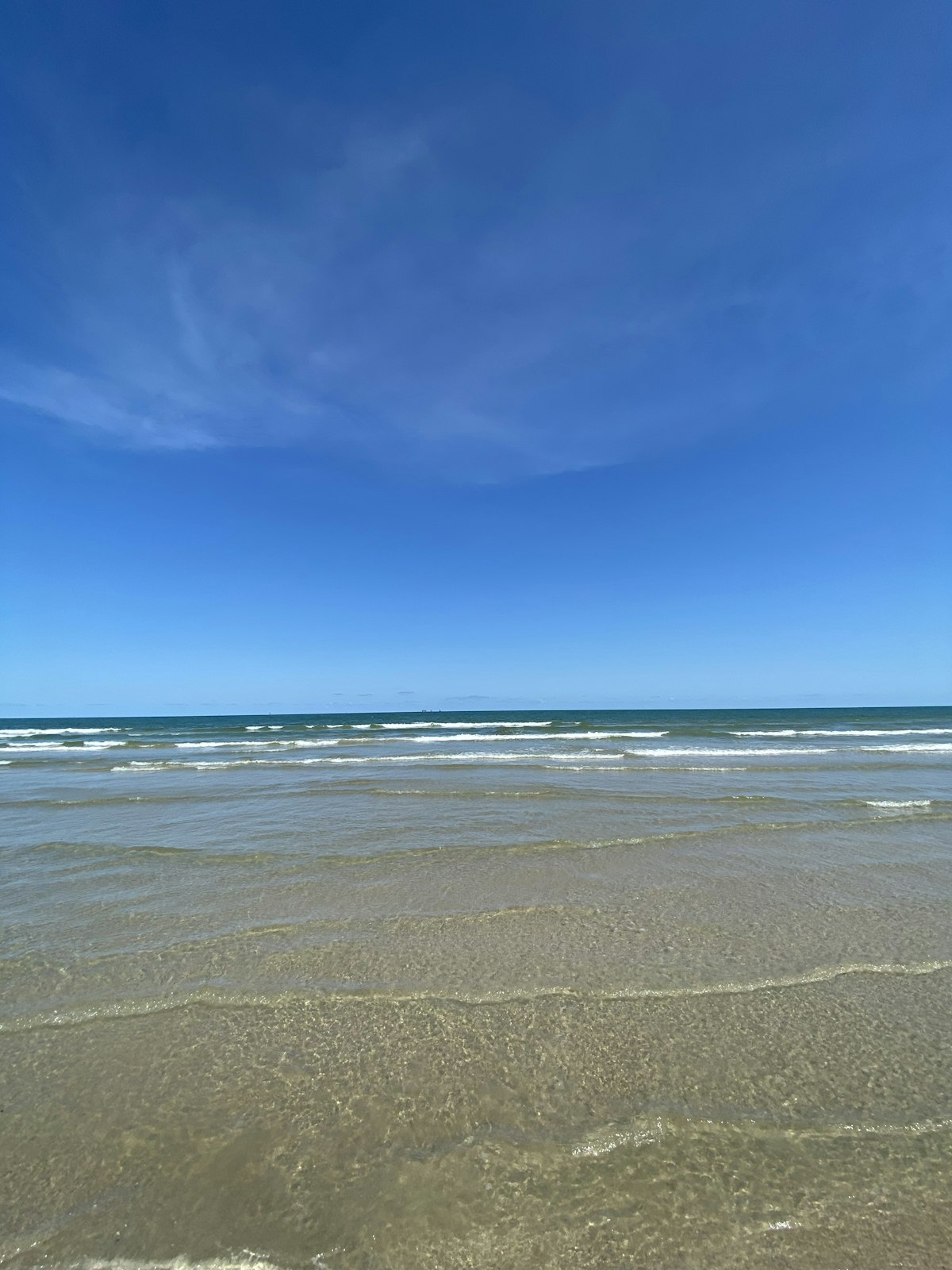
The entire Gulf-facing beach of Mustang Island is open to surf fishing, miles of sand that you can drive on with a beach parking permit. On days when the water runs green to the beach (clear, calm conditions), wading the first and second guts produces limits of speckled trout, redfish, and whiting.

Surf fishing rigs with cut mullet or live shrimp are the standard. You don't need specialized gear, a medium-heavy rod, a bottom rig, and fresh bait will cover most situations. The best surf fishing happens in spring and fall when migrating fish run the beachfront.

Bull reds in the surf are the highlight of fall fishing, September through November, schools of 30- to 45-inch redfish move along the beach, and it's possible to hook them from the sand with cut bait and a heavy sinker. Drive the beach until you see birds working, park, and cast.

The South Jetty

The south jetty extends over 5,000 feet from the tip of Mustang Island into the Gulf and is the most productive shore-fishing spot on the Texas coast. Getting to the end requires walking half a mile over uneven granite boulders, bring good shoes and watch your footing.

The rocks create reef structure that holds an enormous diversity of fish. Redfish and black drum work the base of the rocks year-round. Sheepshead stack thick from December through April, eating barnacles and crabs off the granite. Spanish mackerel run past in spring and fall. Tarpon cruise the channel side from June through September, you'll see them rolling on the surface.

Bull reds pile into the jetty rocks every fall, and the sight of a 40-inch red crashing a topwater plug against a backdrop of shrimp boats and pelicans is pure Port Aransas.

Bay Fishing, Aransas Bay and Corpus Christi Bay

Behind the island, the interconnected bay system stretches from Aransas Bay south through Corpus Christi Bay, with the Lydia Ann Channel connecting them to the Gulf. Guided bay trips are the most popular charter option in Port A.

Lydia Ann Channel is the signature spot, a natural pass with grass flats averaging 18 to 24 inches deep where redfish push up on higher tides to feed. On a good day, you can sight-cast to tailing reds rooting in the grass. It's technical, visual fishing, the guide poles the boat, you spot the fish, and you've got one shot at a clean cast.

Deeper bay flats hold speckled trout over shell reefs and sand pockets. Drift fishing with live shrimp under a popping cork or soft-plastic paddletails on jigheads is the bread-and-butter technique. A typical bay trip puts clients on a mix of trout, reds, black drum, and flounder.

Offshore, Deep Gulf

Port Aransas is one of the closest Texas ports to productive offshore structure. The natural banks, oil platforms, and artificial reefs within 30 to 50 miles hold red snapper (during federal season), amberjack, cobia, king mackerel, and grouper.

Longer runs to the deep water, 80 to 120 miles, reach the edge of the continental shelf and the blue-water species: yellowfin tuna, wahoo, mahi-mahi, and in the right conditions, blue marlin and sailfish. These are full-day or overnight trips, and they're an event, bring your stamina and your sea legs.

The Flower Garden Banks National Marine Sanctuary, about 115 miles offshore, is one of the northernmost coral reef systems in the continental US and holds some of the best deep-water fishing in the Gulf.

When to Go

Port Aransas fishes all 12 months, but the peaks by season:

  • Spring (March–May): Trout and reds wake up on the flats, Spanish mackerel hit the jetty and surf, offshore trips start running
  • Summer (June–August): Peak offshore season, red snapper, tarpon on the jetties, tuna and mahi-mahi in deep water
  • Fall (September–November): The main event, bull reds run the jetties, surf, and passes, flounder stage in the channels
  • Winter (December–February): Sheepshead season on the jetty, black drum in the bays, nearshore reef fishing

Recommended gear

  • Penn Pursuit IV 4000 Combo

    Entry level, handles jetty, surf, and bay fishing

  • Penn Battle III 4000 Combo

    Mid-tier, corrosion-proof for Port A's salty environment

  • Shimano Stradic FL 4000

    Premium, smooth casting into jetty current, sealed for surf spray

  • Gulp Shrimp 3-inch New Penny

    The go-to soft plastic under popping corks for bay reds and trout

  • DOA Shrimp 3-inch Clear/Gold Glitter

    Texas Coast staple, bounced along jetty rocks for sheepshead and reds

  • Bomber Paradise Popper Cork

    Classic Texas popping cork, fish it with shrimp or artificials

  • Spro Bucktail Jig 1/2oz White

    Cast off the jetties for Spanish mackerel and trout

  • Fishbites E-Z Shrimp

    Long-lasting bait strip for surf fishing, stays on the hook

  • Owner Mutu Light Circle 3/0

    Best hook for live shrimp under a cork

Frequently asked

What fish can you catch in Port Aransas?

Inshore, Port Aransas holds redfish, speckled trout, and flounder across Redfish Bay and the shallow flats. The jetties and Horace Caldwell Pier add bull reds, sheepshead, Spanish mackerel, and summer tarpon. Offshore runs target red snapper, king mackerel, ling (cobia), and, out at the shelf edge, blue marlin, sailfish, and tuna.

Do you need a fishing license in Port Aransas?

Texas requires a saltwater fishing license with a saltwater stamp for anyone 17 and older, about $35 for residents and $63 for non-residents. A charter captain's license covers everyone aboard, and you can fish license-free from Horace Caldwell Pier and Mustang Island State Park's shoreline, where the facility's license covers anglers.

When is the best time to fish Port Aransas?

Port A fishes year-round. Spring and summer are prime for redfish and trout on the flats and for offshore snapper and kingfish. The bull redfish run peaks at the jetties and surf in fall (September–November), and winter brings sheepshead to the jetties and trophy trout to the bays.

Why is Port Aransas called the Fishing Capital of Texas?

Port Aransas was officially designated the Fishing Capital of Texas in 2025. The title reflects the town's unmatched fishing access, a lighted Gulf pier, a 5,000-foot jetty, miles of driveable beach for surf fishing, productive bay flats, and a charter fleet that runs offshore to deep Gulf platforms and the Flower Garden Banks.

Can you fish in Port Aransas without a boat?

Yes. Horace Caldwell Pier offers walk-on Gulf fishing with bait and cleaning stations on-site. The south jetty is free to walk and fish. Mustang Island's Gulf beach allows surf fishing, drive on the sand with a beach permit and cast from shore.

What is the bull red run in Port Aransas?

Every fall from September through November, large redfish over 30 inches move to the jetties, surf, and passes around Port Aransas to spawn. Fish of 35 to 45 inches are common, and anglers target them from the jetty rocks, the beach, and by boat. It's the most popular fishing event of the year.

What is the Lydia Ann Channel?

Lydia Ann Channel is a natural pass connecting the Gulf to the bay system behind Mustang Island. Its grass flats average 18 to 24 inches deep and attract redfish that push up on higher tides to feed. Sight-casting to tailing redfish on these flats is some of the best inshore fishing in Texas.

How much does a fishing charter cost in Port Aransas?

Inshore bay trips average around $465 for a four-hour trip for two anglers. Offshore trips start around $770 for a half day. Deep Gulf trips for tuna and marlin run significantly more depending on trip length and distance. A Texas saltwater fishing license is required for anyone 17 or older.

More Texas field notes

Urban Fishing in San Antonio: Bass on the River Walk, Guadalupe Bass at the Missions, and Power Plant Redfish 20 Minutes from Downtown

San Antonio, TX

Urban Fishing in San Antonio: Bass on the River Walk, Guadalupe Bass at the Missions, and Power Plant Redfish 20 Minutes from Downtown

San Antonio's river runs through the middle of town, literally through the tourist district, holding bass, catfish, and panfish along the Mission Reach. City park lakes get stocked with trout and catfish, and two power plant reservoirs within 20 minutes hold redfish and hybrid stripers. No boat required.

Urban Fishing in Houston: Alligator Gar in Buffalo Bayou, Bass Under the Freeway Overpasses, and 13 Bayous You Can Walk To

Houston, TX

Urban Fishing in Houston: Alligator Gar in Buffalo Bayou, Bass Under the Freeway Overpasses, and 13 Bayous You Can Walk To

Houston is built on bayous, 13 major waterways threading through 670 square miles of sprawl, holding alligator gar, largemouth bass, catfish, and carp within casting distance of downtown skyscrapers. Add stocked urban park ponds and you have one of the most underrated city fisheries in America.

Urban Fishing in Dallas: Bass at White Rock Lake, Alligator Gar in the Trinity River, and 1,000 Acres of Water Inside City Limits

Dallas, TX

Urban Fishing in Dallas: Bass at White Rock Lake, Alligator Gar in the Trinity River, and 1,000 Acres of Water Inside City Limits

Dallas has a 1,015-acre lake five miles from downtown, a river running through the city holding alligator gar and flathead catfish, and stocked neighborhood ponds scattered across every district. White Rock Lake alone holds largemouth bass, crappie, and channel catfish, all walk-on, no boat required.

Urban Fishing in Austin: Record Largemouth in Lady Bird Lake, Fly Fishing Barton Creek, and Spring-Fed Bass Below the Skyline

Austin, TX

Urban Fishing in Austin: Record Largemouth in Lady Bird Lake, Fly Fishing Barton Creek, and Spring-Fed Bass Below the Skyline

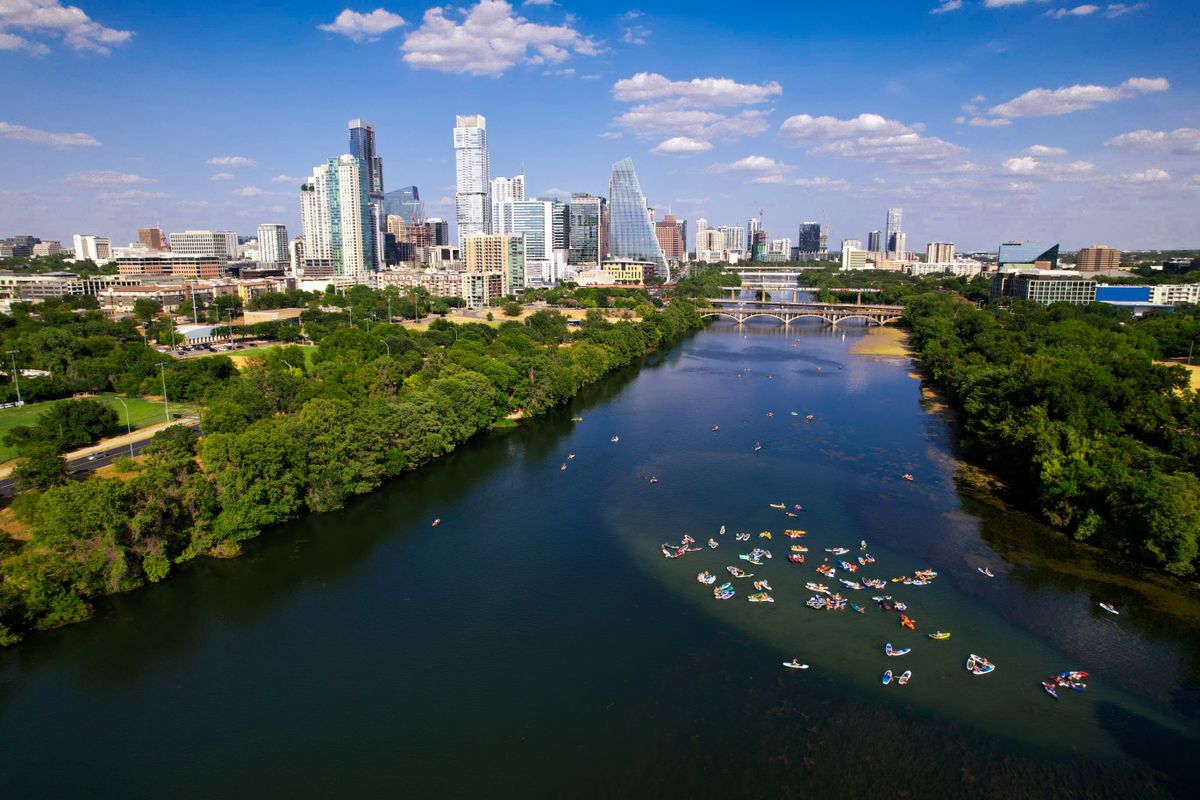
Lady Bird Lake runs through the middle of downtown Austin and holds a lake-record 14-pound largemouth bass. Barton Creek feeds crystal-clear spring water into the lake from Zilker Park, perfect for sight-fishing and fly fishing. Add the Colorado River above and below the dams, and Austin might be the best urban bass fishery in Texas.

Fly Fishing Guadalupe Mountains National Park: The Most Improbable Trout in America, and Why You Cannot Catch Them

Salt Flat, TX

Fly Fishing Guadalupe Mountains National Park: The Most Improbable Trout in America, and Why You Cannot Catch Them

McKittrick Creek holds self-sustaining rainbow trout in a spring-fed desert canyon at 5,000 feet in the most remote corner of Texas, one of the most improbable trout populations in America. But fishing is prohibited in Guadalupe Mountains National Park. Here is the honest guide: the trout, the hike, the canyon, and the nearest real water for fly anglers visiting the highest point in Texas.

Fly Fishing Big Bend National Park: Desert Canyons, the Rio Grande, and Fish You Won't Find Anywhere Else

Terlingua, TX

Fly Fishing Big Bend National Park: Desert Canyons, the Rio Grande, and Fish You Won't Find Anywhere Else

Big Bend is 801,163 acres of Chihuahuan Desert where the Rio Grande carves 1,500-foot canyons along the Mexican border. Nobody comes here to fish. But if you bring a rod, you'll find largemouth bass, channel catfish, Rio Grande cichlids, and bluegill in water framed by the most dramatic canyon scenery in the American Southwest.