Fish
Fish Fire
Fire Hike
Hike Bird
Bird

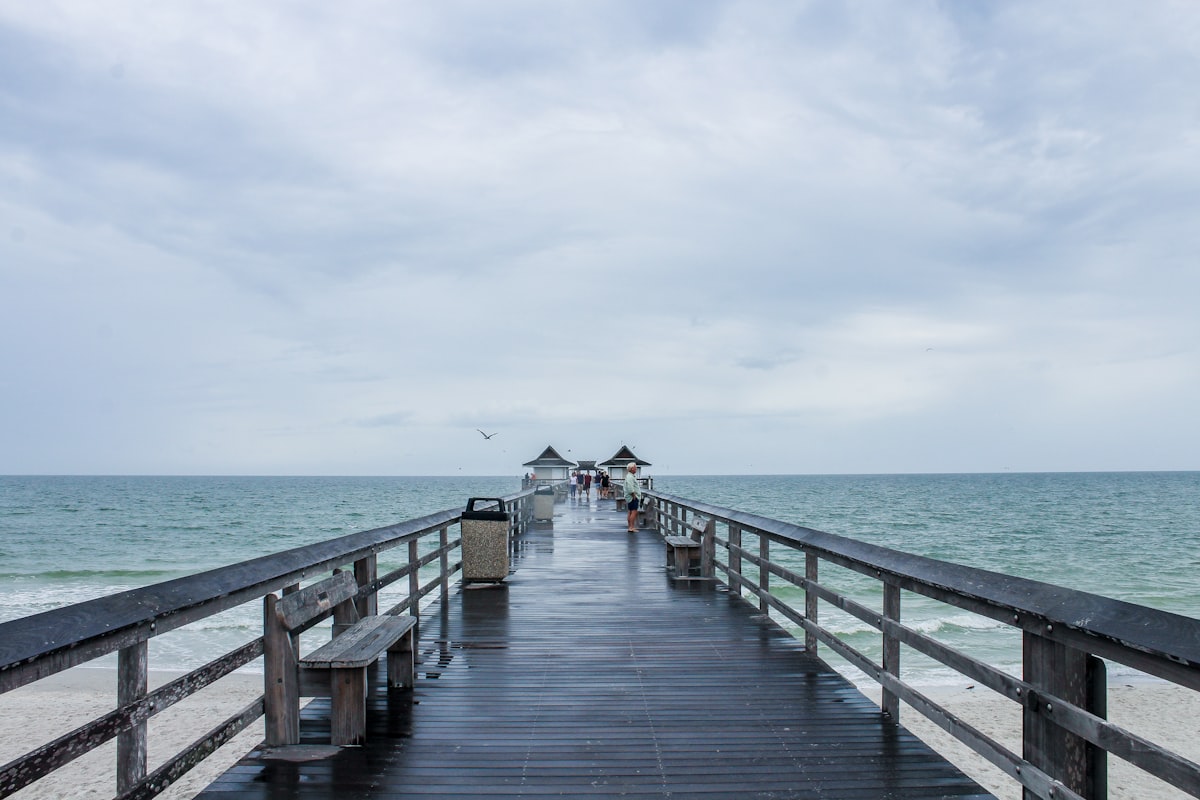
Naples is a manicured resort city on Florida's southwest coast, but the fishing tells a different story. Head south from Gordon Pass and the landscape transforms, the condos and golf courses give way to Rookery Bay, then the mangrove maze of the Ten Thousand Islands, and finally the Everglades backcountry. Each mile south adds wildness, and the fishing gets better as the development disappears.
The fishing here works on a gradient. The northern end, Naples Bay, Gordon Pass, the nearshore Gulf, is accessible, comfortable, and produces snook, redfish, and trout. The southern end, the Ten Thousand Islands and the Everglades, is remote, challenging, and holds fish in numbers and sizes that reward the effort of getting there.
Gordon Pass and Naples Bay, The Gateway
Gordon Pass is the narrow cut connecting Naples Bay to the Gulf of Mexico. It's the starting point for every fishing trip in Naples, and the pass itself holds fish.
Snook stack along the jetties, the seawalls, and the bridge pilings in Gordon Pass, especially during their summer spawning season (June through August). Evening and nighttime fishing around the pass lights produces big snook that ambush baitfish washing through with the tide.
Naples Bay holds redfish, snook, and spotted seatrout around the docks, mangrove shorelines, and residential canals. It's the most accessible fishing in the area, kayaks and small boats can fish the bay without a long run.
Rookery Bay, The Buffer Zone
South of Gordon Pass, Rookery Bay National Estuarine Research Reserve protects a large area of mangrove estuary that serves as a transition between the developed coast and the wild backcountry.
The reserve's mangrove-lined creeks and grass flats hold redfish that see less pressure than the Naples Bay fish. Snook hold under the mangrove canopy. Spotted seatrout sit over the grass. The fishing is good and the setting is beautiful, herons, egrets, and roseate spoonbills line the shoreline.
The Ten Thousand Islands, Wild Fishing
The Ten Thousand Islands is the main event. This vast archipelago of mangrove islands stretches from Marco Island to Everglades City, creating a labyrinth of bays, creeks, passes, and oyster bars that holds one of the most productive inshore fisheries in Florida.
Snook are the signature species. The mangrove shorelines, creek mouths, and oyster bars throughout the Ten Thousand Islands hold snook in every season, and the fish grow large here, 10- to 15-pounders are caught regularly, and fish over 20 pounds are realistic targets for anglers who put in the time to learn the water.
Redfish school in the backcountry bays, pushing over the shallow oyster bars and grass flats on incoming tides. The Ten Thousand Islands redfish are often visible, tailing, waking, or pushing muddy plumes in the shallow water.
Tarpon pour into the passes and backcountry channels from April through July. The island passes funnel tide-driven bait, and the tarpon set up to ambush. Fish of 60 to 150 pounds are caught in passes barely wide enough for a boat, the proximity and the power make these fights some of the most intense in Florida.
Goliath grouper hold around the bridge pilings, channel markers, and rock structures. They're catch-and-release only but provide an unforgettable experience, hooking a 200-pound grouper in a mangrove channel is like snagging an underwater bus.
The Everglades Backcountry
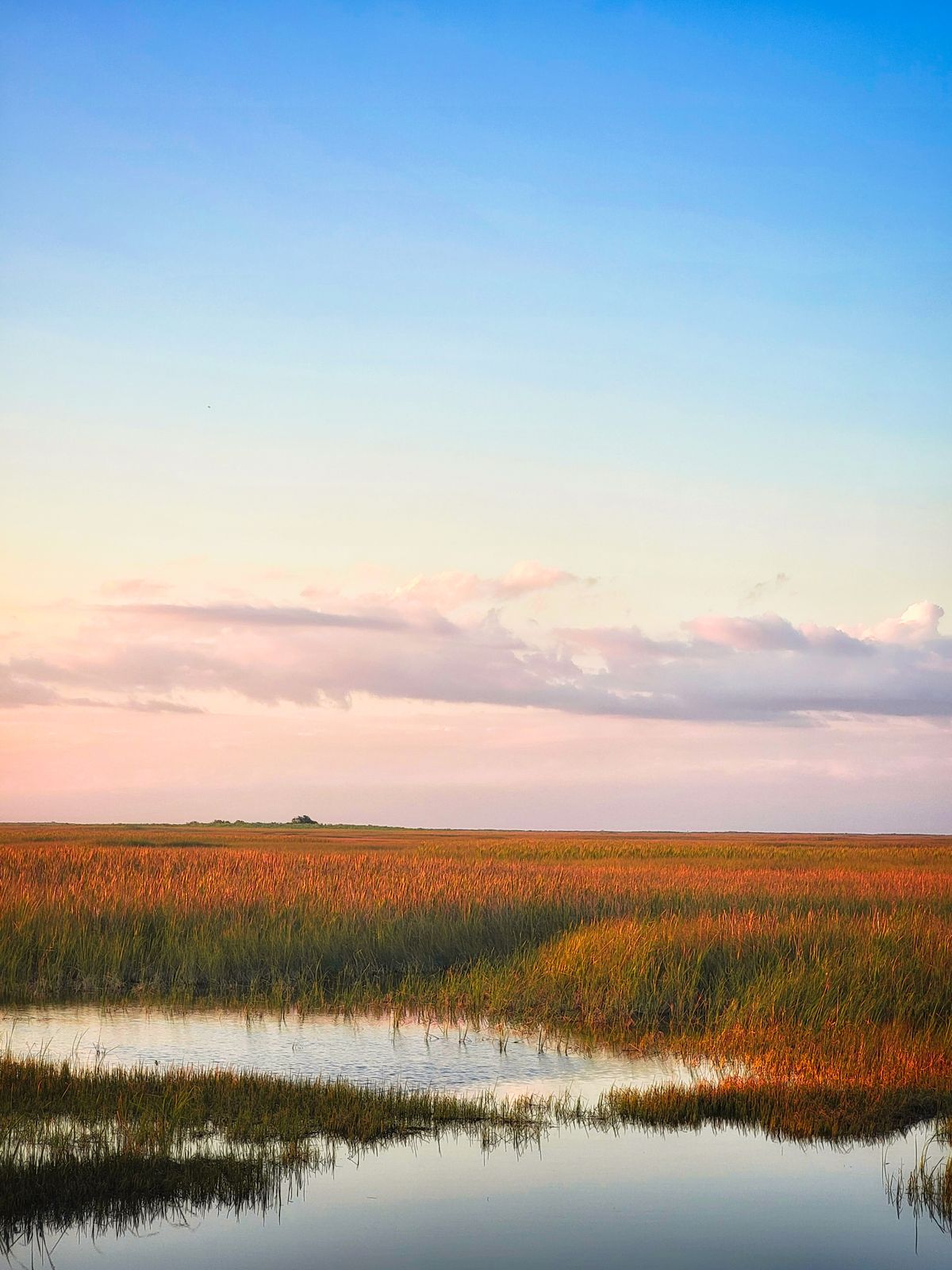
Beyond the Ten Thousand Islands, the Everglades backcountry stretches into Whitewater Bay and the vast, shallow wilderness of Florida's southern tip. This is the most remote fishing accessible from Naples, multi-hour runs into water that sees almost no other anglers.
The backcountry holds trophy snook, redfish, and tarpon in numbers that reflect the absence of pressure. Anglers who run Everglades trips out of Chokoloskee and Everglades City reach water that produces fish all day, every day, because the fish have never learned to be afraid.
Nearshore Gulf
The Gulf side of Naples offers goliath grouper on the nearshore wrecks and bridges, cobia cruising the surface in spring, king mackerel along the beaches, and tripletail holding under crab-trap buoys. The nearshore reef structure holds snapper and grouper for half-day bottom-fishing trips.
When to Go
- April–June: Tarpon in the passes, snook spawning, the best overall window
- July–September: Snook in the backcountry, goliath grouper, redfish on the flats
- October–December: Fall redfish, mullet run, cooling weather opens up the backcountry
- January–March: Trophy trout, snook in the rivers, permit showing on the nearshore structure