Islamorada: The Sportfishing Capital of the World and What That Actually Means
← All field notes

Islamorada · Florida

Islamorada: The Sportfishing Capital of the World and What That Actually Means

Islamorada has been the center of saltwater sportfishing since the 1940s, where backcountry guiding was invented, the Grand Slam was born, and the fishing hasn't slowed down since.

Colin Van Dyke

Colin Van Dyke

Islamorada sits in the Upper Florida Keys, a string of islands between the Atlantic Ocean and Florida Bay. The town has called itself the Sportfishing Capital of the World since the 1940s, and while plenty of fishing towns throw around big claims, this one has the history and the water to back it up.

This is where backcountry flats guiding was essentially invented. The guides who poled the first skiffs across the Florida Bay flats, sight-casting to tailing bonefish and rolling tarpon, were working out of Islamorada. Bud N' Mary's Marina has been running fishing charters from the same docks since 1944, it's the oldest and largest charter fleet in the Keys, and the institutional knowledge on those docks is measured in generations, not years.

What makes Islamorada special isn't just history, it's geography. The islands sit at the convergence of Florida Bay, the Gulf of Mexico, and the Atlantic Ocean. That means three distinct fisheries within a 20-minute boat ride: the backcountry flats, the oceanside reef, and the deep blue water of the Gulf Stream.

The Flats, Bonefish, Permit, and the Grand Slam

The flats fishery is what put Islamorada on the map. Stretching west from the islands into Florida Bay, thousands of acres of shallow turtle grass and white sand flats hold bonefish, permit, tarpon, and redfish.

Bonefish are the gateway drug. They cruise the flats in pods, tailing as they root for shrimp and crabs in the grass. A guide poles a shallow-draft skiff across the flat, spots the fish, and you get one cast, maybe two. A well-placed shrimp or crab pattern lands ahead of the pod, the lead fish tips down and eats, and your reel screams as 100 yards of line disappears in three seconds. Bonefish in Islamorada average three to seven pounds, with fish over eight pounds available for anglers who put in the time.

Permit are the prize. They're widely considered the most difficult fish to catch on fly or light tackle in shallow water, spooky, selective, and maddeningly unpredictable. Islamorada's oceanside flats, wrecks, and channel edges hold permit year-round, and the dedicated guides who specialize in them have developed an expertise that exists nowhere else. A permit on fly is a career fish for most anglers.

The Grand Slam, catching a bonefish, permit, and tarpon in a single day without returning to the dock, was born on these flats. It remains one of the rarest achievements in sportfishing. The geometry works here because all three species share overlapping habitat, and a guide who reads the tide and the conditions can move between bonefish flats, permit wrecks, and tarpon channels in a single session. It doesn't happen often, but when it does, it happens in Islamorada more than anywhere else.

The Backcountry, Snook, Redfish, and Tarpon

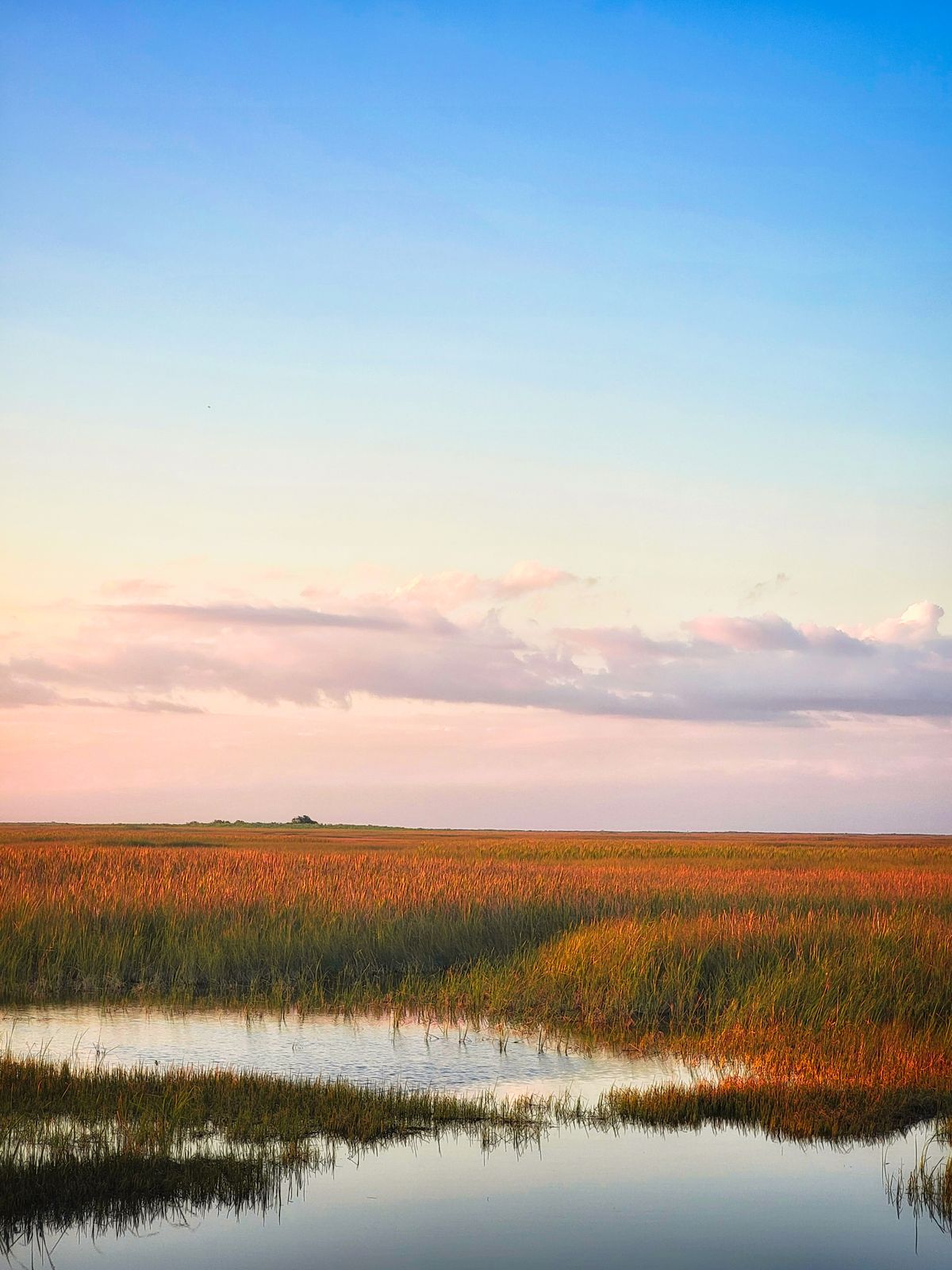
The backcountry is the maze of islands, mangrove creeks, and shallow basins that make up the western side of Florida Bay, stretching toward the Everglades. It's a different world from the open flats, darker water, tighter quarters, and fish that live in the structure.

Snook line every mangrove shoreline, holding in the roots and ambushing bait on the tide. Backcountry snook fishing is a close-quarters game, you're casting into pockets no bigger than a bathtub, and the fish has to eat before it realizes something is wrong. Live pilchards, white bucktail jigs, and topwater plugs at dawn are the standards.

Redfish work the shallow basins and mangrove edges, often in schools that push wakes across the surface. They're less technical than bonefish but just as rewarding on light tackle, a tailing red in a foot of water, copper back glowing in the sun, is one of the most beautiful sights in fishing.

Tarpon pour through the backcountry channels and basins from April through July. The channels between islands funnel tide-driven bait, and tarpon set up in the current to feed. Backcountry tarpon tend to be smaller than the oceanside fish, 30 to 80 pounds, but they're in tighter water, which makes the fights more intense and the visuals more dramatic. A rolling tarpon exploding on a bait in a mangrove creek six feet wide is an experience you don't get anywhere else.

Offshore, The Reef and the Blue Water

Islamorada's Atlantic side drops off the flats into the reef tract and then into the Gulf Stream. The reef sits in 15 to 80 feet of water and holds yellowtail snapper, mutton snapper, grouper, hogfish, and barracuda. It's excellent year-round fishing, productive on live bait and cut bait, and the trips are short, the reef is minutes from the dock.

Beyond the reef, the Gulf Stream runs within a few miles of Islamorada, carrying the deep-water pelagics. Sailfish peak in winter (November through March), mahi-mahi run spring through fall, wahoo show up in winter, and blackfin tuna school along the color changes year-round. The offshore charter fleet, head boats, sport fishers, and center consoles, runs daily out of Bud N' Mary's and the other Islamorada marinas.

Swordfish have become a growing fishery, deep-drop daytime swordfishing with electric reels has opened up a fishery that was previously only available at night. Islamorada boats are among the most experienced in the Keys at targeting swords.

When to Go

Islamorada fishes year-round, but the peaks by target species:

  • January–March: Peak sailfish, permit on the wrecks, bonefish starting to show on the flats
  • April–June: Tarpon, this is the main event, with fish stacked in channels and along the bridges
  • July–September: Backcountry snook and redfish in the mangroves, mahi-mahi offshore, bonefish on the flats
  • October–December: Permit season, sailfish starting, yellowtail snapper on the reef, cool-weather bonefish
Recommended gear

  • Sage Salt HD 8wt

    Premium, the Keys flats rod, built for bonefish and permit in wind

  • Orvis Clearwater Fly Rod Outfit 8wt

    Mid-tier, solid Keys flats outfit for bonefish and tarpon

  • Orvis Recon 10wt

    Premium, the tarpon rod, handles 100+ lb fish in the channels

  • Shimano Stradic FL 3000

    Premium spinning, light tackle for backcountry snook and reds

  • Penn Battle III 3000 Combo

    Mid-tier, versatile for reef, backcountry, and bridge fishing

  • DOA Shrimp 3-inch Clear/Gold Glitter

    Keys backcountry staple, redfish, snook, and trout eat it

  • LiveTarget Pinfish

    Realistic match for Islamorada's primary baitfish

  • Umpqua Bonefish/Permit Fly Selection

    Gotcha, Crazy Charlie, Merkin crab, the Keys essentials

  • Seaguar Blue Label Fluorocarbon 20lb

    Crystal-clear Keys water demands premium invisible leader

  • Simms SolarFlex Guide Gloves

    Sun protection for long days poling the flats

Frequently asked

Do you need a fishing license in Islamorada?

On a charter, the captain's saltwater license covers everyone aboard. Fishing on your own from a bridge, shore, or kayak, non-residents need a Florida saltwater license, a 3-day is about $17, at GoOutdoorsFlorida.com. Tarpon harvest requires a separate tag, though nearly all are released.

What fish can you catch in Islamorada?

The backcountry and flats hold bonefish, permit, tarpon, redfish, and snook; the oceanside reef produces snapper, grouper, and hogfish; and the Gulf Stream offshore brings sailfish (winter), mahi-mahi (spring–fall), wahoo, and tuna. It's the diversity that makes the Keys Grand Slam possible here.

What is a Grand Slam in fishing?

A Grand Slam is catching a bonefish, permit, and tarpon in a single day without returning to the dock. It was born in Islamorada, where the overlapping habitats of all three species make it theoretically possible in one trip. It remains one of the rarest achievements in sportfishing, the permit alone can take years to catch.

When is the best time to fish Islamorada?

Islamorada fishes well year-round, but April through June is peak tarpon season, the marquee event. Winter (November through March) brings sailfish offshore and permit on the wrecks. Summer is best for backcountry snook and redfish. Bonefish are available most of the year.

What is Bud N' Mary's Marina?

Bud N' Mary's is the oldest and largest charter fishing marina in the Florida Keys, operating since 1944. It has two dozen guides specializing in flats, backcountry, reef, and offshore fishing. The institutional knowledge on these docks spans generations of Islamorada guiding.

Can beginners fish in Islamorada?

Yes. While Islamorada is famous for technical flats fishing, the reef and backcountry offer excellent options for all skill levels. Reef fishing for yellowtail snapper and grouper is straightforward and productive. Backcountry trips for snook and redfish are accessible with a good guide.

How much does a guided fishing trip cost in Islamorada?

Flats and backcountry trips typically run $600-800 for a half day and $900-1,200 for a full day for one to two anglers. Offshore charters range from $800 for a half day to $1,500+ for a full day depending on the boat and the target species. Reef trips are generally the most affordable option.

More Florida field notes

Three Zones, Three Different Seasons, One Scallop

Steinhatchee, FL

Three Zones, Three Different Seasons, One Scallop

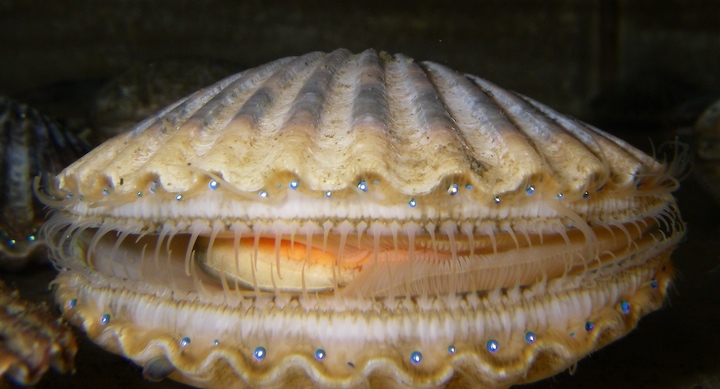
Florida's bay scallop season is three separate seasons, and only one of them runs on its own dates while the other two share a calendar. Pick the zone before you pick the weekend, because the drive between them is hours.

You Take the Claw and the Crab Goes Back

Everglades City, FL

You Take the Claw and the Crab Goes Back

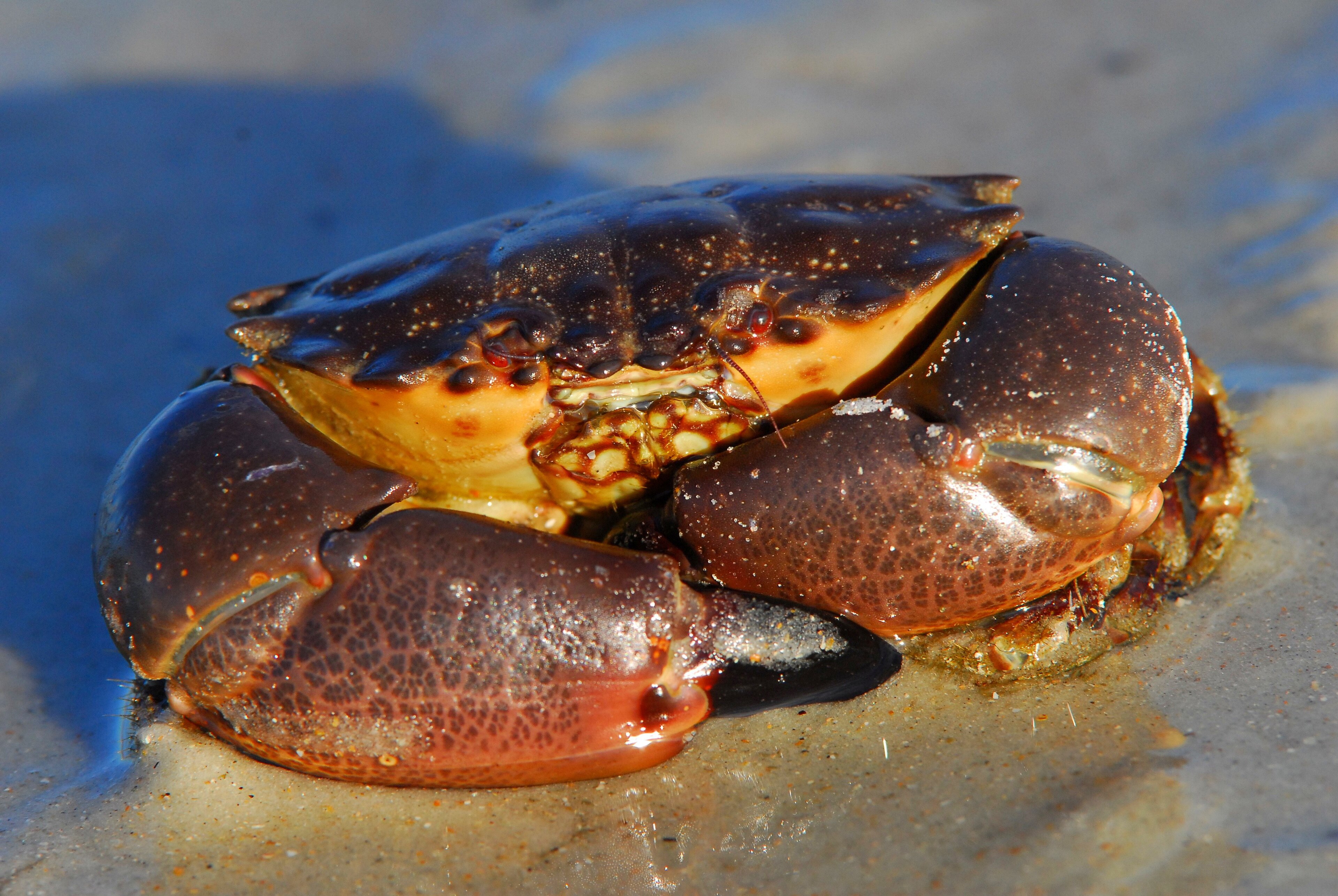
Florida stone crab is the one American fishery where you harvest a limb and return the animal alive. It regrows the claw in about a year. Whether that makes it harmless is a more interesting question than the marketing suggests.

Fly Fishing Everglades National Park: Tarpon, Snook, and Redfish in America's Wildest Saltwater Backcountry

Everglades City, FL

Fly Fishing Everglades National Park: Tarpon, Snook, and Redfish in America's Wildest Saltwater Backcountry

Everglades National Park is 1.5 million acres of mangrove backcountry, grass flats, and tidal channels holding tarpon over 100 pounds, snook that ambush from the mangrove roots, and redfish tailing on shin-deep flats. It's the only national park in America where the main attraction wears scales.

Fly Fishing Dry Tortugas National Park: Giant Tarpon, Permit, and the Fort at the End of the World

Key West, FL

Fly Fishing Dry Tortugas National Park: Giant Tarpon, Permit, and the Fort at the End of the World

Seventy miles of open Gulf separate Key West from a hexagonal Civil War fortress built on a sand island the size of a few football fields. Migratory tarpon over a hundred pounds stage in the channels around Fort Jefferson each spring, permit tail on the surrounding flats, and barracuda slash through schools of baitfish against the fort walls. Getting there is the hard part. Fishing it is the reward.

Fly Fishing Biscayne National Park: Bonefish, Permit, Tarpon, and the Best Saltwater Flats You Can Reach by Uber

Homestead, FL

Fly Fishing Biscayne National Park: Bonefish, Permit, Tarpon, and the Best Saltwater Flats You Can Reach by Uber

Biscayne National Park is 95% water, the largest marine park in the National Park System, with gin-clear turtle grass flats holding bonefish, permit, and tarpon 30 minutes south of downtown Miami. Here's the fly box, the seasonal calendar, and why this park is the Everglades' clear-water sister.

How to Fish Tampa Bay: A Beginner's Guide to Flats, Bridges, Passes, and Piers

Tampa, FL

How to Fish Tampa Bay: A Beginner's Guide to Flats, Bridges, Passes, and Piers

A hands-on beginner guide to fishing Tampa Bay, from wading the grass flats of Weedon Island and Cockroach Bay to night fishing the Gandy Bridge, working the passes on a falling tide, and pier fishing the Skyway. Covers gear, rigs, bait, species, tides, and the local knowledge that separates a good day from a blank.