Fish
Fish Fire
Fire Hike
Hike Bird
Bird

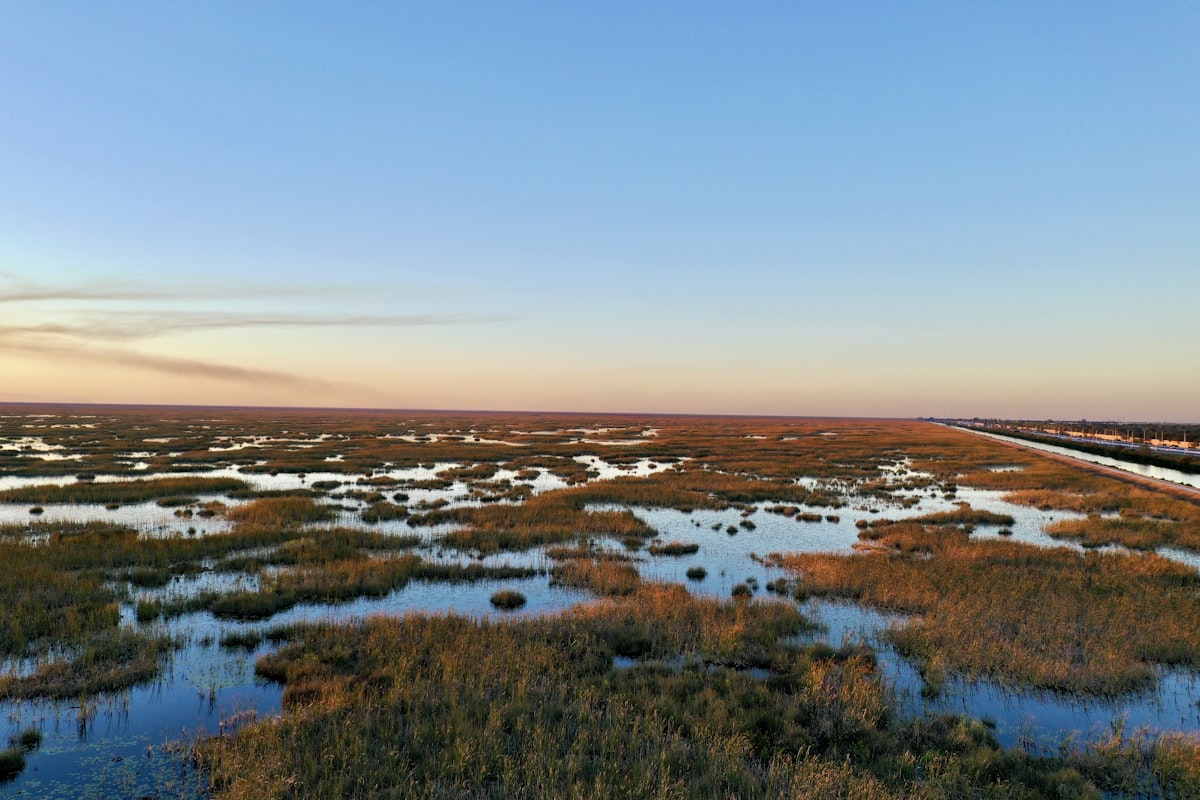

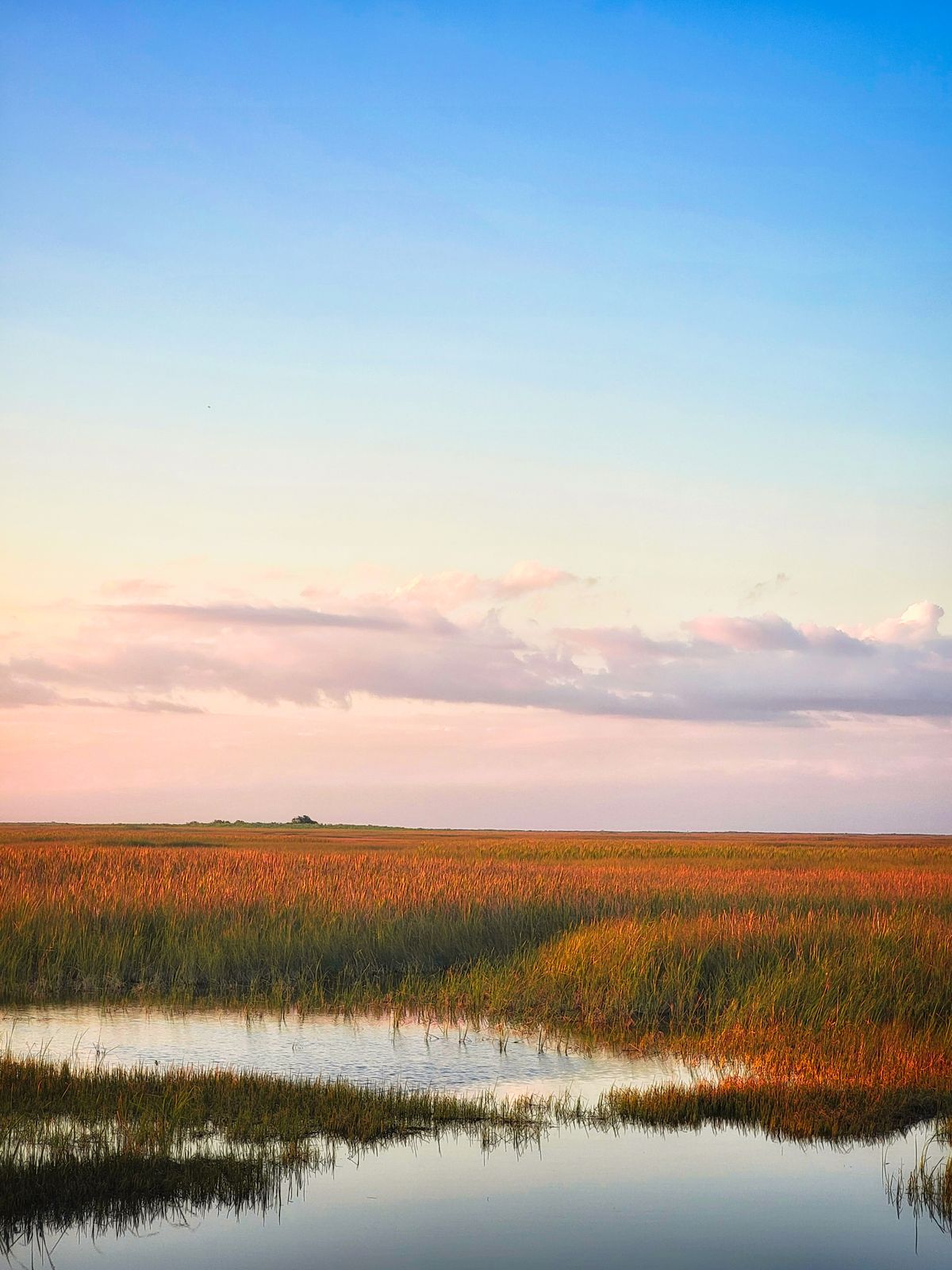
The Everglades are America's last great fishing wilderness, a vast, shallow maze of mangrove islands, grass flats, winding creeks, and open bays at the southern tip of Florida, most of it inside Everglades National Park. Here, in some of the most pristine saltwater left in the state, anglers pole silently across gin-clear flats hunting snook, redfish, and tarpon they can often see before they cast. In winter, when snook and redfish stack up on the sun-warmed shorelines, the sight-fishing can be the best on the planet, days of twenty or thirty shots at cruising fish. Whether you launch from Flamingo on Florida Bay or from Chokoloskee into the Ten Thousand Islands, this is fishing as adventure, in a place that feels a thousand miles from anywhere. This guide shows you how to do it.
For the wider picture, the park, the guides, and trip planning, read our complete Everglades fishing guide. For nearby Gulf-coast fishing, see how to fish Naples and Fort Myers.
First: Your Florida License and the Park Rules
Anyone 16 or older needs a Florida fishing license, and which one depends on where you are. Most of the fishing here is saltwater (estuaries, bays, and coastal creeks), requiring a saltwater license; the deep freshwater interior (at or north of Nine Mile Pond, and the canals) requires a freshwater license. Both are available online at GoOutdoorsFlorida.com; a charter covers you under the captain's license. A few rules matter especially here:
- Snook, one fish per day within the slot, a snook permit is required, and there's a closed season (roughly December 15–February 1). Many anglers release all of them.
- Tarpon, catch-and-release only, and you must use barbless circle hooks.
- Redfish are managed with a slot limit, and total possession is capped (no more than 10 of any one species, 20 fish total).
- Everglades National Park has its own rules, protected pole-and-troll zones, a closed crocodile sanctuary, no daytime fishing at the Flamingo Marina basin, and backcountry camping permits for overnight Wilderness Waterway trips. Check the current park and FWC regulations before you go.
What You'll Catch
- Snook, the mangrove ambush king and the Everglades' signature sight-fishing target.
- Redfish, copper-bronze flats fish that tail and cruise the shallows year-round.
- Tarpon, from aggressive "baby" tarpon in the rivers and creeks to giant migratory fish.
- Spotted seatrout, abundant over the grass flats, great for beginners.
- Black drum, sheepshead, and flounder, the reliable backcountry bonus.
- Permit, on the outer Gulf flats and channel edges, a fly-rod prize.
- Largemouth bass and exotic peacock bass and oscars, in the freshwater canals and interior sloughs.
- Goliath grouper, snapper, and sharks, around structure and the passes.
Sight-Fishing: The Everglades Way
Sight-fishing is the soul of Everglades angling, and it's a different discipline from most fishing. Your guide stands on a poling platform and eases a shallow-draft skiff silently across the flats and along the mangrove shorelines, both of you scanning the water for fish. You learn to read the signs: nervous water (a subtle ripple that doesn't match the wind), wakes pushing across a calm flat, muds where fish have stirred the bottom, and tails waving above the surface as a redfish feeds. When a fish is spotted, the guide calls the distance and direction like a clock face, and you make a quick, accurate cast that leads the fish so your fly or lure crosses its path. It rewards a good caster, but even a beginner improves fast with a patient guide. This is hunting as much as fishing, quiet, intense, and unforgettable, especially on a calm winter morning when the water is clear and the fish are everywhere.
Sight-Fishing the Florida EvergladesSnook: The Mangrove King
Snook are the fish most anglers come for. They're ambush predators that hold tight to structure, undercut mangrove roots, oyster bars, creek mouths, and points, waiting to crush anything that swims past. In the cool months (November through February), snook pull off the beaches and stack up on the dark, sun-warmed backcountry shorelines to soak up heat, and the sight-fishing for them can be extraordinary. Work a live pilchard, a soft-plastic jerkbait (a DOA CAL or a paddle-tail on a jighead), or a fly tight to the mangroves, then hang on, a snook's first run back into the roots is violent, and losing one to a break-off in the branches is a rite of passage. Fish dawn and dusk and the moving tides, and mind the closed season and slot when keeping one.
Redfish and the Backcountry Slam
Redfish are the Everglades' most reliable target, available year-round and often tailing in mere inches of water on the flats around Flamingo and Florida Bay (Snake Bight, just east of Flamingo, is a classic redfish spot). Cast a gold weedless spoon, a live shrimp under a popping cork, or a weedless soft-plastic ahead of a cruising or tailing fish and hold on. On the same flats you'll find spotted seatrout over the grass (a shrimp under a cork catches them all day and makes a perfect first fish for kids) and black drum, sheepshead, and flounder around the oyster bars and channel edges. Landing a snook, redfish, and tarpon in a single day, an inshore Grand Slam, is a realistic and cherished goal in these waters.
Tarpon: Babies and Giants
The Everglades hold two tarpon fisheries. In the countless mangrove rivers, creeks, and hidden ponds of the backcountry, aggressive "baby" tarpon (5 to 30 pounds) roll and feed year-round, and hooking one on a fly or a small soft-plastic, watching it cartwheel in a tight creek, is one of the great thrills here and a forgiving introduction to tarpon for a first-timer. Then, in May and June, giant migratory tarpon over 100 pounds move through the passes and along the beaches, and the sight of a string of silver kings rolling in Ponce de Leon Bay is unforgettable. Remember: all tarpon are catch-and-release on barbless circle hooks.
Inshore Lures for Snook, Redfish, and TarponTwo Sides of the Everglades: Flamingo vs. the Ten Thousand Islands
The park has two very different fishing gateways, and knowing them helps you plan:
- Flamingo / Florida Bay: At the southern tip of the mainland (an hour-plus drive through the park from the main entrance), Flamingo opens onto Florida Bay, endless shallow grass flats studded with mangrove keys, prime for sight-fishing redfish, snook, trout, and, on the outer flats, permit. It also accesses the Whitewater Bay backcountry to the north.
- The Ten Thousand Islands: On the northwest side, launching from Chokoloskee and Everglades City, this labyrinth of mangrove islands and oyster bars is snook-and-redfish heaven, with easy access to the outer Gulf beaches and passes for tarpon. It's the more accessible side for many visitors.
Both are wilderness; both require a shallow-draft boat and, for a first-timer, a guide who knows the maze.
The Freshwater Everglades
Don't forget the other Everglades fishery. The freshwater canals, sloughs, and interior of the park and the surrounding water-conservation areas hold hard-fighting largemouth bass, plus a bizarre and colorful cast of established exotics, peacock bass, oscars, Mayan cichlids, and bowfin, that will eat a fly or a small lure with abandon. Fishing the canals along Tamiami Trail or the interior for a mixed bag of bass and exotics is a completely different, easy-access day, and a fun change of pace from the saltwater flats. (Remember it requires a freshwater license.)
When to Go
- Winter (November–February): The magic season for sight-fishing, snook and redfish pile onto the warm backcountry shorelines, the water is clear, and days of 20-plus shots are common. Cold fronts can slow it briefly, but the payoff is the best inshore sight-fishing anywhere.
- Spring (March–May): Excellent all-around fishing as the water warms; redfish and snook are aggressive, and the first migratory tarpon arrive.
- Summer (May–August): Peak tarpon (babies year-round, giants in May–June), strong snook fishing, and hot, buggy, uncrowded backcountry. Fish early and late.
- Fall (September–October): Another prime window for redfish and snook before the winter push, with fewer people.
Gear: What to Bring
- Fly: An 8-weight for redfish, trout, and snook; a 9- or 10-weight for bigger snook and baby tarpon; a 11- or 12-weight for migratory tarpon. Weedless shrimp and baitfish patterns, and a good saltwater reel.
- Spinning: A 7-foot medium spinning rod with a 3000-size reel and 15- to 20-pound braid covers most of the backcountry, throw soft-plastic jerkbaits, gold spoons, and popping-cork shrimp rigs.
- Everything: Polarized sunglasses are absolutely essential for sight-fishing; add a wide-brim hat, a long-sleeve sun shirt, heavy sunscreen, and plenty of water. Bring bug spray, the mosquitoes and no-see-ums are legendary, especially in summer and at dawn/dusk.
Wilderness, Bugs, and Respect
The Everglades are genuinely wild, and part of the reward is being far from everything. Come prepared: the bugs can be ferocious (a head net isn't overkill in summer), the sun is relentless, cell service is spotty, and it is easy to get disoriented in the mangrove maze, carry a GPS, tell someone your plan, and never push into skinny backcountry you can't navigate out of. You'll share the water with alligators, crocodiles, manatees, dolphins, and countless wading birds, give them room and enjoy the show. Respect the park's protected zones and no-motor areas, which exist to keep this place pristine. Treated with care, the Everglades reward you with fishing and scenery you simply can't find anywhere else.
A First-Timer's Approach
The Everglades can feel intimidating, but a first-timer can have an incredible day with the right plan. The single best move is to book a guide, not just for the fishing, but for the navigation and safety in a maze where getting lost is a real risk. Come in winter if you can, when the sight-fishing is easiest and most productive. Practice your casting before the trip: sight-fishing rewards a quick, accurate cast of 30 to 50 feet, so a few sessions in the yard pay off enormously. On the water, listen to your guide's clock-face directions ("redfish, eleven o'clock, forty feet"), lead the fish rather than casting at it, and don't line it (drop the fly line on top of it). If the wind is up or the water's murky and sight-fishing is tough, don't be shy about blind-casting soft-plastics and popping-cork rigs to likely mangrove points and grass edges, it catches plenty of fish. And keep perspective: even a slow day poling the Everglades, surrounded by wilderness and wildlife, beats a great day almost anywhere else.
A Day in the Backcountry
A typical Everglades day settles into a rhythm dictated by the tide and the light. You'll launch early, often before dawn, to beat the wind and hit the best low-light feeding window, running through winding mangrove channels to the day's first flat. The guide poles quietly while you stand ready on the bow, and the two of you hunt: long stretches of watching broken by sudden, heart-pounding shots at a cruising redfish or a snook laid up against the roots. As the tide changes, you'll move, following the water onto a flat as it floods, or dropping back to a creek mouth as it falls. Midday might mean poling a shady mangrove shoreline for snook or ducking into a backcountry pond for baby tarpon. Between fish, you'll see ospreys, roseate spoonbills, alligators sunning on the banks, and maybe a crocodile or a manatee. You'll return at day's end sun-tired and bug-bitten, having covered a slice of true wilderness that most people never see. That immersion, the fishing wrapped in wildness, is what brings anglers back to the Everglades again and again.
A Word on Conservation
The Everglades are a fragile, globally important ecosystem under real pressure from water management, development, and a changing climate, and anglers should be among its fiercest protectors. Handle every fish gently and quickly, especially catch-and-release tarpon (barbless circle hooks, keep them in the water) and snook, and honor the slot limits, snook closed season, and possession caps to the letter. Don't scar the fragile seagrass with your prop, pole, drift, or use marked channels in the shallows. Pack out every scrap of line and trash, respect the protected pole-and-troll and sanctuary zones, and never chase or crowd the wildlife. The Everglades give anglers a rare glimpse of wild Florida; fish it in a way that keeps it wild.