Fish
Fish Fire
Fire Hike
Hike Bird
Bird

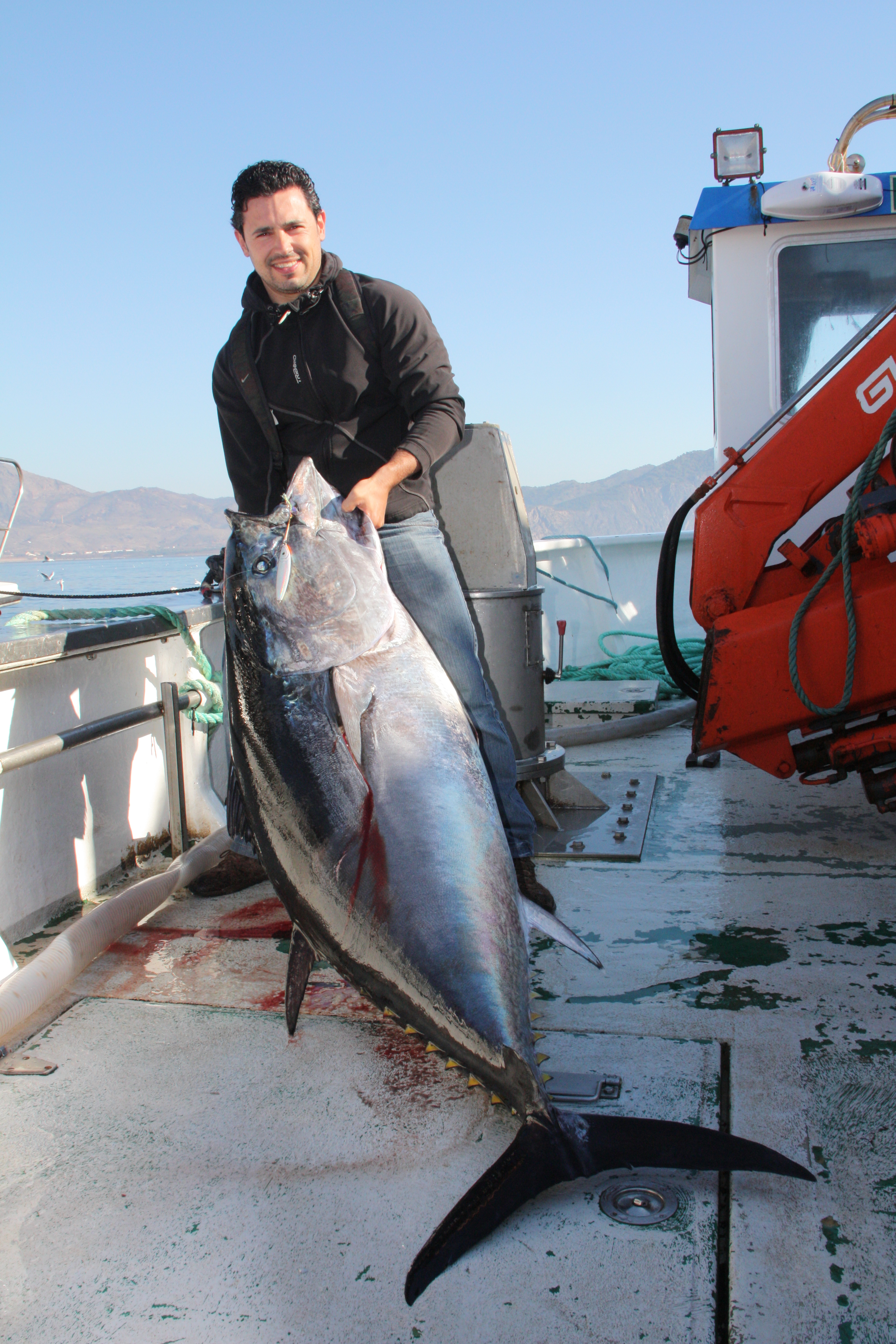

The bluefin tuna is the ultimate test of tackle and angler, the largest, most powerful tuna in the ocean and, pound for pound, perhaps the hardest-pulling fish that swims. A giant bluefin can weigh over 1,000 pounds, hit a bait like a runaway truck, and dig into a deep, stubborn, hours-long fight that has broken more rods, reels, and anglers than any other fish. They are also among the most valuable and prized fish in the world, warm-blooded speed machines that range from temperate to cold waters and command the highest respect from everyone who chases them. From smaller "school" and "football" fish on light tackle to true giants on heavy gear, bluefin offer the most intense tuna fishing on earth. This guide covers what bluefin are, where and when to find them, and every core technique, with step-by-step instruction, to hook and land one of the sea's great heavyweights.
Ready to lock horns with the strongest fish in the ocean? It pays to understand the fish first, then the grounds, the season, and the gear that can stand up to it. Bluefin share the tuna family with their warm-water cousin, see our guide on how to catch yellowfin tuna.
Meet the Bluefin Tuna
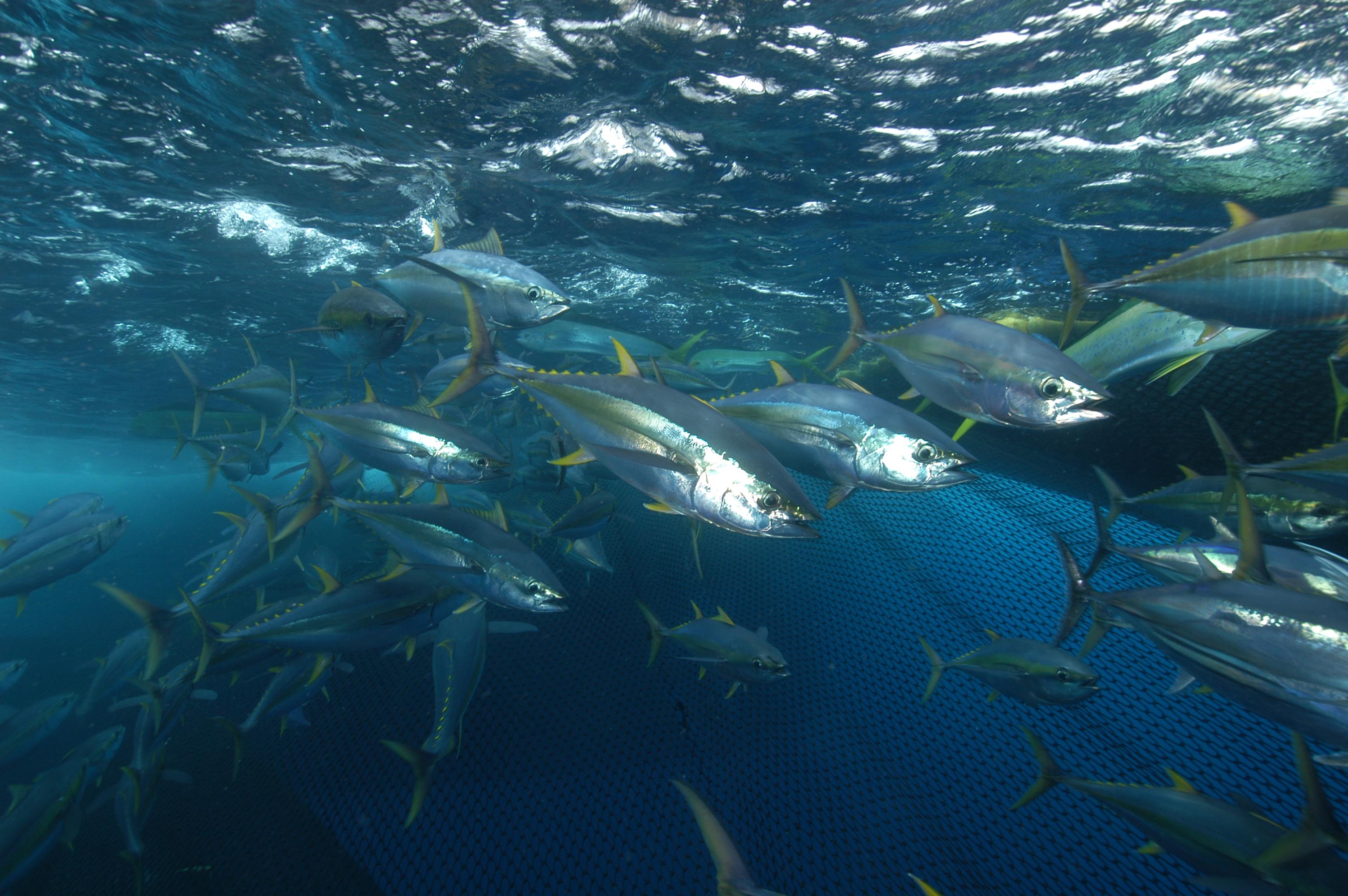
The Atlantic bluefin tuna (Thunnus thynnus) and its Pacific and southern relatives are the giants of the tuna family: a massive, deep, football-shaped body of pure muscle, a dark metallic blue-black back, silvery sides, and short pectoral fins (distinguishing it from the longer-finned yellowfin and albacore). Bluefin are warm-blooded, able to keep their body temperature above the surrounding water, which lets them thrive in cold seas and swim with astonishing speed and endurance. Everything about the fish is built for power.
The size is what sets bluefin apart. "School" and "football" fish run 30 to 100 pounds, medium fish push into the hundreds, and true "giants" exceed 1,000 pounds (the record is over 1,400). They range across the North Atlantic, Pacific, and beyond, with famous fisheries off New England, the Gulf of Maine, Nova Scotia, the Mediterranean, and the Pacific. Bluefin are prized as both the ultimate gamefish and among the most valuable food fish in the world (the prime sushi tuna). Because they are tightly managed, bluefin fishing is regulated with permits, seasons, size classes, and strict bag limits that vary by region, always know and follow the current rules before targeting them.
Where and When to Find Bluefin
Bluefin are highly migratory and follow bait and water temperature across huge distances. Find them by locating:
- Bait concentrations, bluefin follow sand eels, herring, mackerel, menhaden, squid, and other bait; where the bait stacks up, the tuna follow.
- Structure and features, banks, ledges, shoals, rips, canyons, and temperature/current edges concentrate bait and fish.
- Birds and surface activity, working birds, breaking fish, and whales or other feeding activity often mark bluefin below.
- Temperature breaks, bluefin relate strongly to water temperature; SST charts help you find the productive edges.
Bluefin fishing is strongly seasonal and regional, the New England and Canadian Maritime fisheries, for example, peak from summer into late fall as the fish move in on bait, while other grounds have their own windows. Local knowledge of the migration, the bait, and the season is essential. When bluefin are in and feeding, they can provide astonishing fishing; the challenge is being on the right grounds at the right time.
Trolling
Trolling is a mainstay for locating and catching bluefin, from footballs to giants. A spread of spreader bars, daisy chains, skirted lures, and rigged natural baits (ballyhoo, ballyhoo-and-lure combos) pulled at trolling speed imitates fleeing bait schools and draws crushing strikes. Spreader bars, mimicking a tight cluster of baitfish, are especially deadly for bluefin, which key hard on bait schools.
Set your spread at staggered distances, run the bait, structure, temperature edges, and bird activity, and be ready for a violent strike and a screaming reel. Trolling covers water to find fish across the vast grounds bluefin roam, and it puts baits in front of fish you can't see. Match your tackle to the class of fish you're targeting, heavy gear for the chance at a giant, and keep drags preset for the hit.
How to Troll for Bluefin TunaDeep Jigging
When bluefin are holding below the surface, marked on the sounder over structure or down in the water column, vertical jigging is one of the most effective and exciting ways to reach them. Drop a heavy jig (speed jig or slow-pitch jig, sometimes big soft-plastic jigs) to the fish's depth and work it back with sharp rips or fluttering lifts to imitate a fleeing or dying baitfish. Bluefin crush a jig with authority, and the direct, rod-in-hand fight with a big tuna on a jig is unforgettable.
Jigging lets you target fish you mark on electronics and get down to bluefin that surface tactics can't reach. Use stout jigging tackle and heavy braid to handle the fish's power at depth, and match jig weight to the depth and current so you stay in the strike zone. On days when the fish are down and won't come up, jigging is frequently the difference between a hookup and a long, fishless ride.
How to Vertical Jig for Bluefin TunaTopwater Popping
For sheer excitement, nothing beats a bluefin annihilating a topwater lure. When bluefin are feeding on or near the surface, busting bait, following birds, or raised to the boat, casting a big popper or stickbait and working it across the fish draws explosive, heart-stopping strikes. Popping shines during surface blitzes and is a run-and-gun favorite: spot breaking fish, ease into casting range, fire a long cast, and work the plug through them.
This is a heavy spinning game, big rods and reels with powerful drags and heavy braid, because a bluefin that eats a popper will test every component to its limit. Cast to the edges of breaking schools rather than into the middle (to avoid spooking them), keep the plug moving with sweeps, and hold on for a surface eruption and a blistering run. Watching a bluefin blow up on a topwater is one of the great thrills in all of fishing.
Topwater Lures for Bluefin TunaChunking and Bait Fishing
When you're on fish or working a known area, chunking and bait fishing are deadly for bluefin. As with other tuna, you establish a chum slick of cut bait to draw fish up and get them feeding, then drift a hook bait naturally back in the slick. On anchor or drift over structure, a sinker rig or a well-presented bait at the right depth reaches feeding fish. Bluefin can be selective, so a natural drift and a leader matched to conditions are key.
The keys are a steady, well-managed slick to keep fish feeding, and a natural presentation, a hook bait that drifts like the free chunks, on tackle strong enough to handle a big fish but subtle enough to fool wary ones. Bait fishing accounts for many bluefin, from footballs to giants, and it is often the go-to when the fish are around but not chasing lures. Patience and attention to detail make it work.
Sinker Rig and Bait for Bluefin TunaKite Fishing With Live Bait
Kite fishing with live bait is a premier method for big bluefin, especially where lively bait is available. A fishing kite suspends a live bait (mackerel, menhaden, or other baitfish) splashing right at the surface, where a struggling bait presented with no leader or line near it is irresistible to a cruising giant. The kite keeps the bait in the strike zone in the most natural, tempting way possible.
The approach is to fly a kite with a live bait at the surface and watch it like a hawk, when a bluefin crashes the bait, the surface explodes. Kite fishing has produced some of the biggest bluefin caught on rod and reel, and it is a visual, exciting, team-oriented method. Keep bait lively and well-bridled, be ready for a violent take, and hang on for the fight of your life.
Kite Fishing With Live Bait for Giant BluefinFighting a Giant Bluefin
Hooking a giant bluefin is only the beginning of an epic battle. A big bluefin will make long, powerful runs and then sound straight down, settling into a deep, stubborn, grinding fight that can last from many minutes to many hours and demands everything from angler and tackle. Winning takes heavy stand-up or chair tackle, a strong smooth drag, and relentless, proper technique, lift, wind down, and pump the fish up, using a harness and the boat to your advantage.
The boat and crew are as important as the angler: the captain maneuvers to chase and position on the fish, keeping the line angle manageable and helping tire the tuna, while the angler applies steady, unrelenting pressure and never gives slack. Fighting a giant bluefin is a full-body, full-team endurance test, one of the greatest challenges in all of angling, and landing one is a genuine achievement earned with sweat and technique.
How to Catch and Fight a Giant Bluefin TunaMatching Tackle to the Fish
One of the most important decisions in bluefin fishing is matching your tackle to the size class of fish you're targeting, and being honest about what might eat your bait. Small "footballs" can be great sport on medium spinning and jigging gear, letting you enjoy the fight, while the chance at a true giant demands heavy stand-up or chair tackle that can apply real pressure and survive a violent strike and a long, deep battle. Fishing too light for the fish present risks a marathon, fish-killing fight or a broken-off giant; fishing too heavy for footballs takes the fun out of it.
Whatever the class, quality drags are everything. A bluefin's first run and its deep, grinding fight will find any weakness in a reel, so use gear with smooth, powerful drags, fresh heavy braid and leader, and sharp, strong hooks. Check every knot, crimp, and connection before you fish, a giant bluefin gives no second chances at a frayed leader or a soft drag. Bring backups, and set your drags deliberately for the strike and the fight. Preparation is what turns a once-in-a-lifetime bite into a landed fish.
Common Mistakes to Avoid
Bluefin punish any weak link. Undersized tackle loses giants and exhausts fish to the point they can't be revived; match your gear to the fish. Weak or improperly set drags cost you fish on the first run and the deep fight, use quality reels and set them right. Running over fish or charging into a breaking school scatters them; approach from the edge. A sloppy chum slick or an unnatural bait presentation turns off wary tuna. Ignoring the regulations can end your day (or worse) given how strictly bluefin are managed. And poor fish handling, a slow, rough release or failing to ice a kept fish immediately, wastes a magnificent fish. Clean up these mistakes and you'll land more and better bluefin.
Handling, Regulations, and the Catch
Bluefin are strictly managed and extraordinarily valuable, so knowing and following the regulations is non-negotiable, permits, seasons, size classes, and daily limits vary by region and change, and enforcement is serious. Many bluefin, especially outside legal size or quota, are released, and doing so cleanly (minimizing fight time and handling, reviving the fish in the water) is essential for survival given how hard these fish fight.
For fish that are kept, bluefin are among the most prized eating in the world, rich, deep-red, fatty meat that is the pinnacle of sushi and sashimi. Bleed, gut, and ice or slurry the fish immediately and handle the meat cold and clean; proper handling is what preserves the exceptional quality (and, for commercial fish, the value). Treat every bluefin, kept or released, with the respect this magnificent fish deserves. Few animals in the sea are as impressive: a warm-blooded, ocean-crossing apex predator that can outpull anything its size, and a fish whose careful management is the reason it is still here for anglers to chase.
Put It All Together
Bluefin tuna fishing is the heavyweight championship of the sport: find the bait, birds, and temperature edges; troll spreader bars to locate and hook fish; jig deep when they're down; pop topwaters and kite live baits when they're up; chunk a slick to bring them feeding, and then fight the strongest fish in the sea with heavy tackle, sound technique, and teamwork. Respect the strict regulations, handle your fish right, and be ready for a battle you won't forget. Few fisheries reward preparation and teamwork like this one, so learn the migration, the bait, and the grounds, and time your trips to when the fish are in and feeding. And for the warm-water cousin that fights nearly as hard, read our guide on how to catch yellowfin tuna next.