Fish
Fish Fire
Fire Hike
Hike Bird
Bird

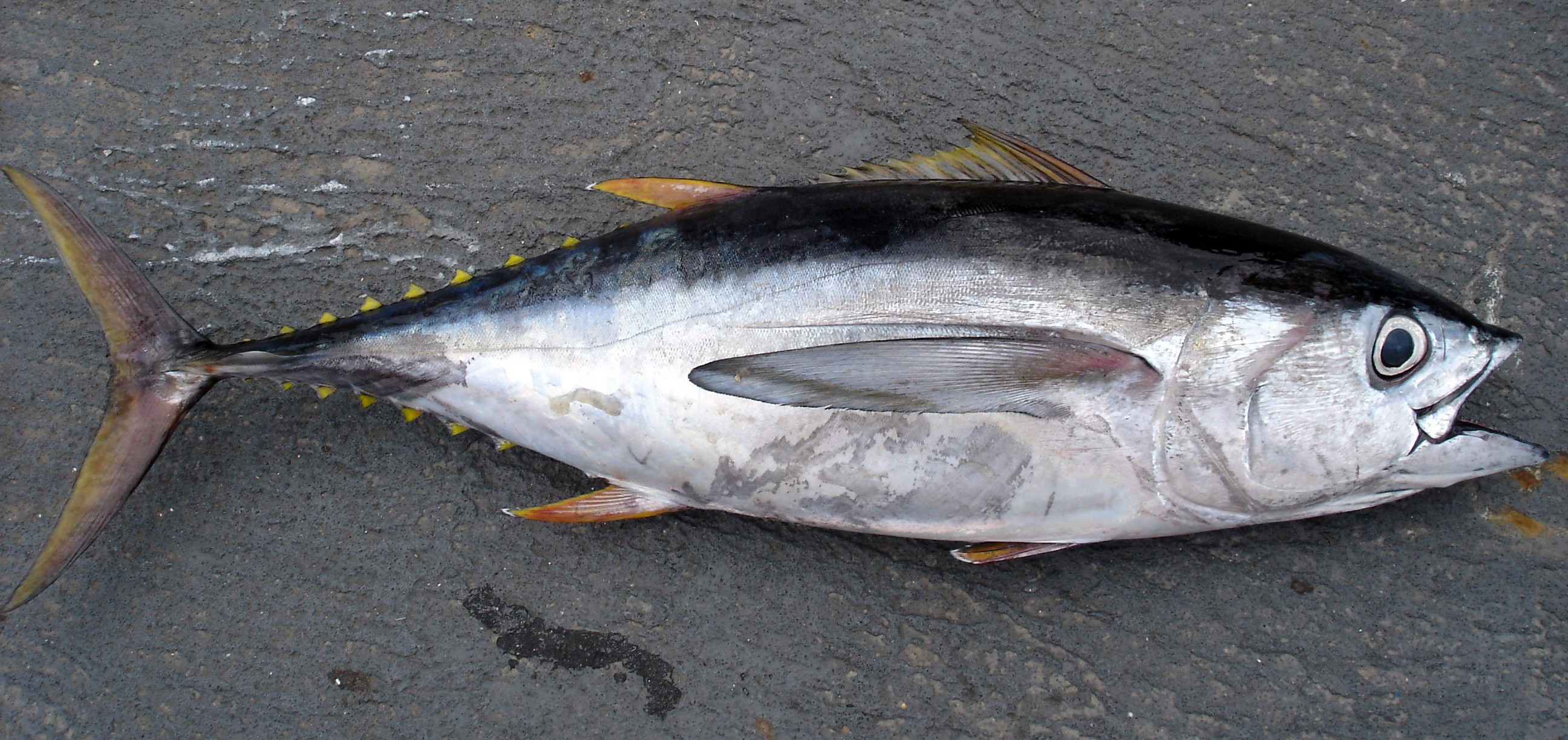

The bigeye tuna is the deep-water specialist of the tuna world, a powerful, football-bodied bruiser with enormous eyes built to hunt in the dim light of the depths, and a fish prized above almost all others for its rich, fatty, sashimi-grade meat. Bigeye live and feed deeper and in cooler water than yellowfin, ride the daily up-and-down migration of the deep scattering layer, and bite best in the low light of dawn, dusk, and night. That makes them the marquee target of the overnight canyon fishery: run offshore, fish the edge into the dark and the first light, and hang on when a big bigeye crushes a bait and sounds. This guide covers what bigeye are, where and when to find them, and every core technique, with step-by-step instruction, to hook and land one of the most powerful and valuable tuna in the sea.
Ready to run the canyons for a bigeye? Knowing where the fish hold, when the low-light windows fire, and how to work the offshore edge into the dark is what turns a long run offshore into a loaded fish box. Bigeye share the canyons with their close relatives, see our guide on how to catch yellowfin tuna.
Meet the Bigeye Tuna
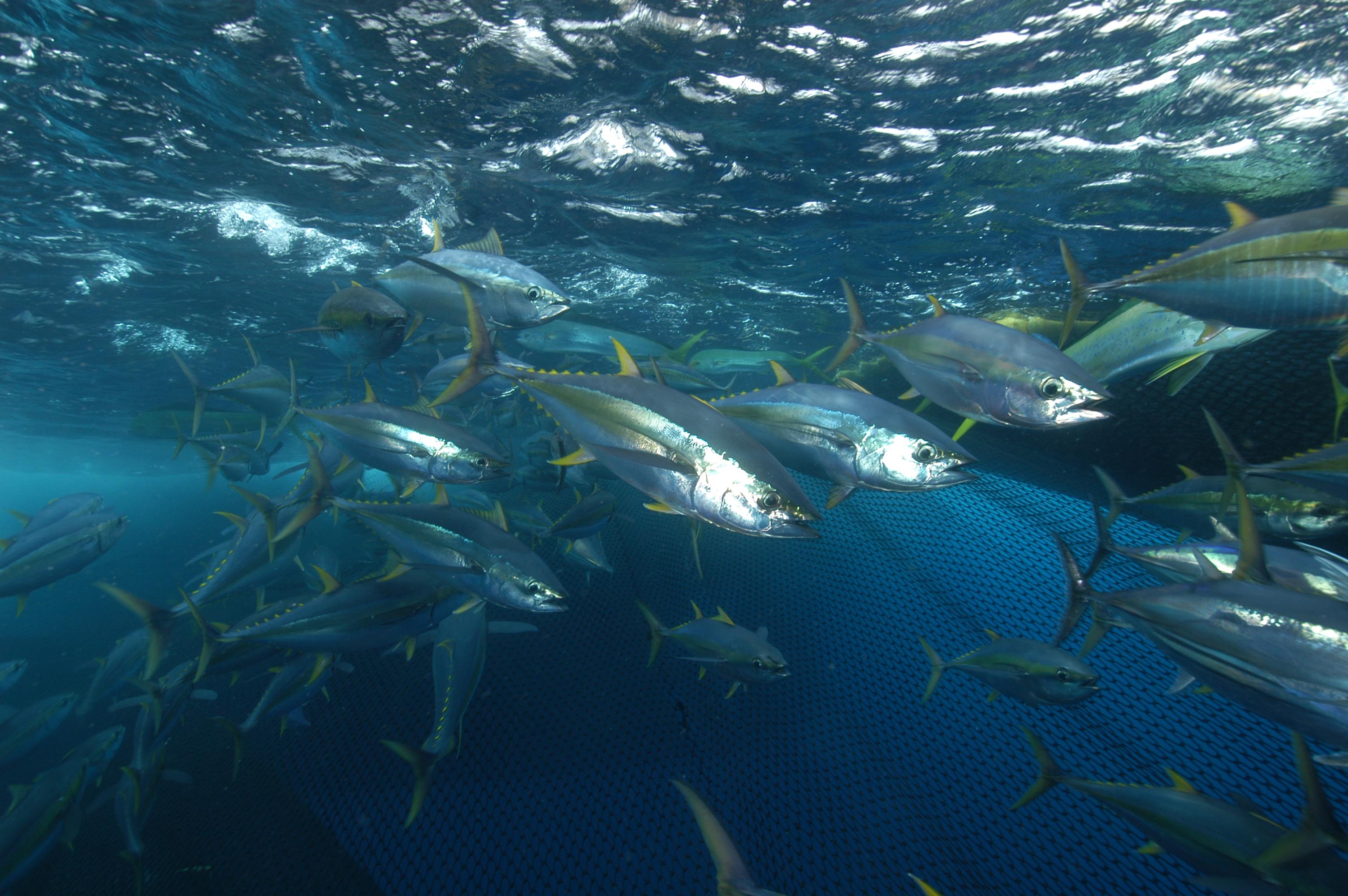
The bigeye tuna (Thunnus obesus) is a close cousin of the yellowfin but built for the deep: a robust, deep, football-shaped body, a dark metallic-blue back, silvery sides, yellow finlets edged in black, and, the giveaway, the large eyes that give the fish its name and let it hunt in the low light of deep water. Its pectoral fins are longer than a yellowfin's, and the overall build is stouter. Bigeye have physiological adaptations that let them dive deep and tolerate the cold, low-oxygen water where they feed.
Bigeye are big, powerful fish. Most caught run 60 to 150 pounds, solid fish push past 200, and the giants exceed 300 pounds (the record is over 390). They roam the deep tropical and temperate blue water of the Atlantic, Pacific, and Indian Oceans, famous in the Northeast canyons, the mid-Atlantic, Hawaii (the "ahi" alongside yellowfin), and beyond. Bigeye are among the most prized eating fish in the world, their high fat content makes them exceptional sashimi and sushi (often the priciest "ahi"), and, like other tunas, they are managed with regulations that vary by region, so always check current rules.
Where and When: The Deep, Low-Light Bite
Understanding bigeye means understanding their relationship to depth and light. Bigeye follow the deep scattering layer, the vast mass of bait and squid that rises toward the surface at night and sinks deep during the day. As a result, bigeye typically feed deeper than yellowfin and bite best in low light: dawn, dusk, and through the night, when the bait is up in the water column and the fish come up to feed. This is why the classic bigeye fishery is the overnight and first-light canyon trip.
Find bigeye by locating:
- Offshore canyons and the shelf edge, the deep canyons and steep drop-offs where the scattering layer and bait concentrate.
- Temperature breaks and current edges, the Gulf Stream and its eddies, and warm-water edges that hold bait.
- Structure and bait on the sounder, deep bait marks and fish over canyon structure.
Timing is everything: plan to be fishing the evening, night, and dawn on the canyon edge, when the bigeye bite comes alive. The fishery is seasonal and location-driven, and running to the right water and fishing the low-light windows is the whole game.
Offshore Canyon Tuna Fishing: Tips and PreparationReading Your Electronics and the Bait
On a bigeye trip, your electronics are your eyes. A quality sounder that can mark bait and fish deep in the water column tells you where the scattering layer is, how deep the bait is holding, and whether tuna are on it, all critical for deciding whether to jig deep, chunk, or troll, and at what depth to put your baits. Learning to read the layer and the marks, and to match your presentation to the depth the fish are feeding, is one of the biggest factors in bigeye success.
Pay attention to the bait itself, too: bigeye key heavily on squid and small fish that ride the scattering layer, so signs of that forage, squid at the lights at night, bait marks on the sounder, or the layer rising and falling, tell you when and where the fish will feed. Combine your electronics with an understanding of the light and the layer, and you can position yourself over feeding fish at exactly the right depth and time. That marriage of technology and knowledge is what puts your baits in front of these deep, low-light feeders.
Trolling the Dawn Patrol
Trolling is a primary way to hook bigeye, and the magic window is the "dawn patrol", trolling the canyon edge in the low light of first light (and the last light of evening), when bigeye come up to feed. A spread of spreader bars, skirted lures, and deep-diving plugs pulled along the edge and over structure draws crushing strikes. Many crews troll deeper-running lures and get baits down, since bigeye often hold below the surface even during the feeding windows.
The keys are timing and location: be on the productive edge and structure during the low-light bite, run a spread that covers different depths, and be ready for a violent strike and a screaming reel. Trolling at dawn and dusk over canyon structure is a classic, deadly bigeye tactic, and when the dawn bite fires, it can produce the biggest fish of the trip in a short, frantic window.
How to Set an Efficient Tuna Trolling SpreadDeep Jigging
Because bigeye hold and feed deep, especially during the day when the scattering layer sinks, deep vertical jigging is one of the most effective ways to reach them. Drop a heavy jig (speed jig or slow-pitch jig) down to the fish's depth, often marked on the sounder, and work it back with sharp rips or fluttering lifts to imitate a fleeing or dying baitfish. Bigeye crush a jig with authority, and hooking a big one on a jig at depth is a direct, brutal, rod-in-hand battle.
Jigging lets you target fish you mark on electronics and reach bigeye far below where trolling or surface tactics work, which is often exactly where these deep-dwelling tuna live during daylight. Use stout jigging tackle and heavy braid to handle the fish's power at depth, and match jig weight to the depth and current so you get down and stay in the strike zone. When the fish are deep and won't come up, jigging is the way to get bit.
Deep Jigging for Bigeye Tuna in the CanyonsNight Chunking
The overnight chunk is the heart of the classic canyon bigeye trip. Anchored or drifting on the canyon edge through the night, you establish a steady chum slick of cut bait that drifts back in the current, pulling tuna up the slick and getting them feeding, then drift a hook bait hidden in a chunk naturally back into the slick. Because bigeye feed actively at night when the bait rises, the after-dark chunk bite can be spectacular.
The keys are a consistent, well-managed slick to keep fish feeding and coming up, and a naturally drifting hook bait at the right depth on a leader matched to conditions. Fish baits at varying depths to find where the tuna are feeding, use lights and attention to detect the subtle takes in the dark, and be ready for a powerful run. Night chunking on the canyon edge is how many of the biggest bigeye are caught, and it is a signature offshore experience.
Chunking for Bigeye TunaFighting a Bigeye
Bigeye are deep, dogged fighters, when hooked, a big one typically sounds straight down and settles into a heavy, grinding, deep battle that tests tackle and angler alike. Unlike a jumping billfish, a bigeye fight is a war of attrition down in the water column, and winning it takes proper technique: lift the rod, wind down, and pump the fish up steadily, using a harness or fighting belt and never giving slack.
Use appropriate heavy stand-up or conventional tackle with a strong, smooth drag so you can apply real pressure and land the fish in reasonable time, a fish fought too long on light gear may be too exhausted to recover if released, and gives sharks more time to find it. Keep steady, relentless pressure, use short pumps to gain line on a deep fish, and let the tackle and technique do the work. Landing a big bigeye from the depths is a genuine, hard-earned accomplishment.
Reeling Technique for Big TunaPutting the Pieces Together
The best bigeye anglers layer tactics around the light and depth. A classic overnight canyon trip might run out in the afternoon, jig deep marks during the day, chunk hard through the night, and then hit the dawn troll bite at first light, covering the fish's feeding windows and depths across the whole trip. Reading your electronics for bait and fish, watching the temperature and current edges, and being in the right place for the low-light bite are what separate a great trip from a slow one.
Preparation matters enormously on these long offshore trips: rig multiple outfits for trolling, jigging, and chunking; keep drags set and hooks sharp; and manage your slick and your baits with care. Bigeye reward the crews that fish smart across the light windows and stay ready, because when the bite comes, often in a short, intense burst at dawn or in the dark, you have to be prepared to capitalize.
Captain's Secrets to Catch More TunaTackle and Rigging
Bigeye demand serious tackle, because you're often fighting a big, deep fish and because the takes can be subtle even when the fish are huge. For trolling and chunking, stout 50- to 130-pound stand-up or conventional outfits with powerful, smooth drags and plenty of line are standard; for jigging, use dedicated heavy jigging rods and reels loaded with heavy braid to move a big fish off the bottom of the water column. Whatever the method, quality drags are non-negotiable, a bigeye's deep, grinding runs find any weakness.
Rigging details matter. Run fluorocarbon leaders matched to conditions, heavy enough to handle a big fish and any abrasion, light enough not to spook wary tuna in clear canyon water, and keep hooks needle-sharp, since a tuna's hard mouth gives the hook only a moment to bite. Many chunkers use circle hooks buried in the bait for clean jaw hookups. Because these are long, expensive offshore trips, check every knot, crimp, and connection before you leave the dock, rig backups of everything, and stage your outfits so you can switch between trolling, jigging, and chunking without missing the bite window.
Common Mistakes to Avoid
Bigeye trips are long and costly, so mistakes hurt. Fishing the wrong window, being off the edge or asleep during the dawn or dark bite, is the biggest; plan to fish hard through the low-light periods. Not getting deep enough during the day, when bigeye sink with the scattering layer, leaves your baits and lures above the fish. A poorly managed night slick (too heavy, too light, or gaps in the flow) fails to hold feeding fish. Undersized tackle or weak drags lose big fish on the deep, grinding fight and can exhaust a released fish past recovery. And poor fish handling, failing to bleed and ice a fish immediately, wastes some of the most valuable meat in the ocean. Fish the windows, get deep, manage your slick, gear up right, and handle your catch well, and your bigeye success climbs.
Table Fare and Handling
Bigeye are among the most prized eating fish in the world, their rich, high-fat, deep-red meat is exceptional sashimi and sushi, often the most sought-after "ahi." To preserve that world-class quality, bleed and ice or slurry the fish immediately, a bigeye handled right on the water is dramatically better (and, commercially, far more valuable) than one left warm. Handle and store the meat cold and clean. Follow local regulations and limits, which apply to bigeye in many fisheries. Between the powerful deep fight and the unmatched table quality, a bigeye is one of the ultimate offshore prizes.
Put It All Together
Bigeye tuna fishing is the classic offshore adventure: run to the canyons and the shelf edge, fish the low-light windows the deep-dwelling bigeye love, and layer your tactics, jig deep by day, chunk hard through the night, and troll the dawn patrol, then win a heavy, grinding fight from the depths. It rewards timing, preparation, and reading the water and your electronics, and it pays off with one of the hardest-pulling, best-eating fish in the ocean. When you're ready to run the overnight bite, plan your trip around the low-light windows, stage your outfits for jigging, chunking, and trolling, and be on the productive edge when the bite fires. And for the close cousin that shares the same water, read our guide on how to catch yellowfin tuna next.