Tampa Bay Fishing: It All Comes Down to the Tide
← All field notes

Tampa · Florida

Tampa Bay Fishing: It All Comes Down to the Tide

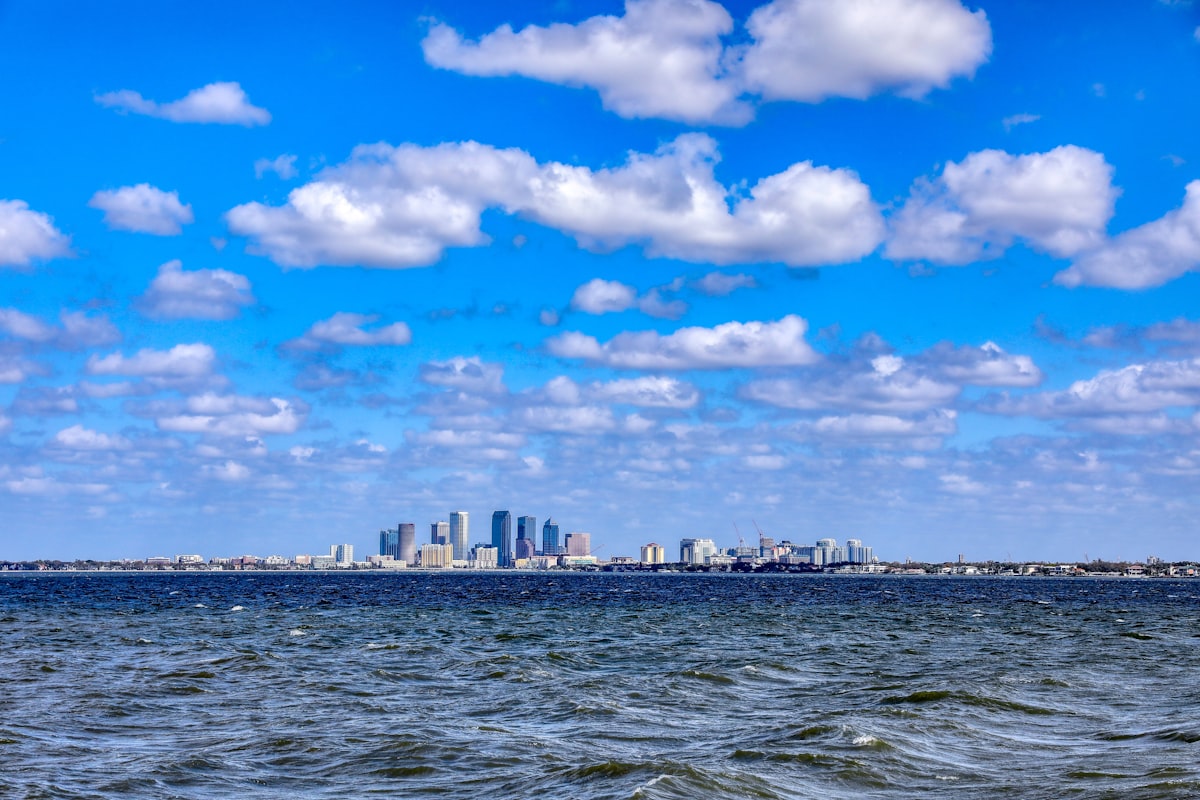
Tampa Bay covers 400 square miles of shallow estuary connected to the Gulf of Mexico, and every fish in it moves with the water. Understanding the tides is the difference between a great day and a slow one.

Colin Van Dyke

Colin Van Dyke

Tampa Bay is one of the largest natural harbors in Florida, over 400 square miles of shallow water, mangrove shoreline, oyster bars, grass flats, and deep channels, all connected to the Gulf of Mexico. It holds snook, redfish, tarpon, spotted seatrout, sheepshead, grouper, and a dozen other species year-round. But the single most important variable isn't the season, the bait, or the tackle, it's the tide.

Moving water is everything in Tampa Bay. Incoming tides push baitfish and shrimp over the flats and into the mangroves, where snook and redfish wait in ambush. Outgoing tides flush bait out of the backcountry and through cuts, passes, and channels, concentrating predators at the choke points. Slack tide, when the water stops moving, is when the fishing dies. A good guide plans the entire day around the tide chart, not the clock.

New to the bay and want to fish it yourself? Our beginner's guide to fishing Tampa Bay walks through gear, rigs, bait, and the best shore, bridge, and pier spots. For more of Florida's Gulf Coast, see our guides to Clearwater and Fort Myers.

The Mangroves, Where Snook Live

Tampa Bay's mangrove shorelines are snook country. These fish are structure-oriented ambush predators, they tuck into the roots, overhanging branches, and shadow lines along the mangroves and wait for bait to drift past on the current.

Fishing the mangroves means working a boat tight to the shoreline, casting live pilchards, threadfin herring, or white jerkbaits into the shadows. You're looking for points, pockets, and creek mouths where current funnels, that's where the snook stack up. Outgoing tides are especially productive because bait pours out of the backcountry creeks, and every snook within range positions at the mouth.

Snook season peaks in the warmer months, May through September, when the fish are most active and feeding aggressively. But Tampa Bay snook are catchable year-round. Winter cold fronts push them into residential canals and power plant outflows where the water stays warmer, and the fish concentrate in numbers that make them surprisingly easy to find if you know where to look.

The Flats, Redfish and Trout

The grass flats that ring the bay, from Fort De Soto up through Old Tampa Bay and into Hillsborough Bay, hold spotted seatrout and redfish in every season. The fish move onto the flats with the incoming tide to feed over the seagrass, then pull off into deeper channels and potholes as the water drops.

Spotted seatrout are the bread-and-butter species. They sit over sand potholes in the grass and ambush shrimp and small baitfish. A live shrimp under a popping cork or a soft-plastic jig bounced along the bottom covers most situations. Trophy trout, fish over five pounds, are most common in the cooler months, January through March, when they stage over deeper grass in four to six feet of water.

Redfish cruise the flat edges and tailing over shallow grass, rooting for crabs and shrimp. On calm, clear mornings, you can see them, copper backs pushing wakes through shin-deep water. Sight-casting to tailing reds on the Fort De Soto flats is some of the best inshore fishing in Florida. A gold spoon or a live shrimp on a jighead dropped ahead of a moving fish is the play.

The Bridges and Structure, The Night Game

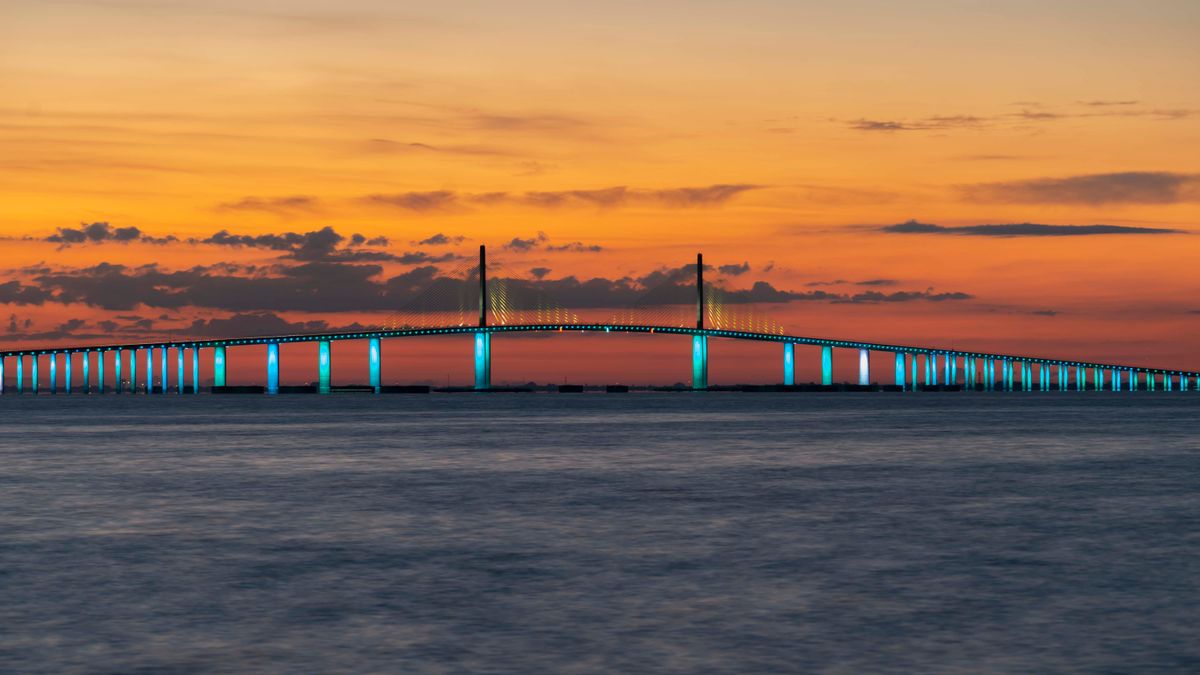
Tampa Bay's bridges are a fishery unto themselves. The Gandy Bridge, Howard Frankland, Courtney Campbell Causeway, and the Sunshine Skyway all have lighted spans that attract bait at night, which in turn attracts snook, tarpon, and jack crevalle.

Bridge fishing after dark is a Tampa tradition. You anchor up-current of a lighted span, toss live bait or bucktail jigs into the shadow line where the light meets the dark, and wait. Snook set up in the shadow and eat anything that washes through the light. The strikes are violent and loud.

The Sunshine Skyway Fishing Pier is the crown jewel, over a mile of the old Skyway bridge converted to a fishing pier, and it's open 24 hours. The pier sits in deep water and produces snook, king mackerel, Spanish mackerel, grouper, mangrove snapper, and even tarpon. It's the most productive pier in the state, and you don't need a boat or a guide to fish it.

The Passes, Where Everything Comes Together

The passes connecting Tampa Bay to the Gulf of Mexico, Egmont Key, Southwest Channel, Johns Pass, and Pass-a-Grille, are where the tide compresses into narrow channels with fast current. These passes concentrate bait and predators and produce some of the best fishing in the entire bay.

Tarpon run the passes from late April through August. The Silver King follows the tide-driven bait flow, and hooking a 100-pound tarpon in the ripping current of Egmont Channel is the defining Tampa Bay fishing experience. Most guides fish tarpon with live crabs, threadfin, or big pinfish on circle hooks, drifting through the passes on the tide.

Grouper and snapper hold along the rocky structure and bridge rubble in the passes year-round. Nearshore trips running just outside the passes into the Gulf target gag grouper, red grouper, hogfish, and mangrove snapper over natural and artificial reefs.

When to Go

Tampa Bay fishes all 12 months, but the tides matter more than the calendar:

  • Spring (March–May): Snook wake up, trout are on the flats, tarpon start appearing in the passes
  • Summer (June–August): Peak tarpon, snook feeding aggressively around mangroves, the best bridge fishing
  • Fall (September–November): Redfish on the flats, mullet run pulls everything close to shore, great all-around season
  • Winter (December–February): Trophy trout, sheepshead on structure, snook stacked in warm-water refuges
Recommended gear

  • Penn Battle III 3000 Combo

    Mid-tier, the Tampa Bay inshore standard for snook, reds, trout

  • Shimano Stradic FL 3000

    Premium, silky smooth for finesse presentations around mangroves

  • Penn Pursuit IV 3000 Combo

    Entry level, catches everything in Tampa Bay at a budget price

  • DOA CAL Shad Tail 3-inch Glow/Chartreuse

    Tampa Bay staple, bounce it along oyster bars for trout and reds

  • Rapala Skitter Walk Bone/Silver

    Walk-the-dog topwater for Tampa snook at dawn, explosive hits

  • LiveTarget Scaled Sardine

    Matches Tampa Bay's #1 baitfish, the pilchard

  • Yo-Zuri 3D Inshore Shrimp

    Realistic shrimp lure for mangrove snook and sheepshead

  • Owner Twistlock Beast 4/0

    Weedless hook for pitching soft plastics into mangrove roots

  • Seaguar Red Label Fluorocarbon 25lb

    Snook have line-cutting gill plates, 25lb fluoro is minimum

Frequently asked

What's the best fish to catch in Tampa Bay?

Snook is the signature Tampa Bay species, an ambush predator found around mangroves, bridges, and structure year-round. Redfish, spotted seatrout, and tarpon are the other primary targets. The best species depends on the season: tarpon in summer, snook spring through fall, redfish in fall, and trophy seatrout in winter.

Can you fish Tampa Bay without a boat?

Yes. The Sunshine Skyway Fishing Pier, over a mile of the old Skyway bridge, open 24 hours, sits in deep water and produces snook, king mackerel, grouper, mangrove snapper, and tarpon with no boat required. The Gandy Bridge shoreline, Fort De Soto Park, and the lighted causeway bridges also give shore and wade anglers access to snook, redfish, and seatrout.

How much does a Tampa Bay fishing charter cost?

Inshore flats and bay charters typically run about $400 to $550 for a half day and $600 to $900 for a full day, covering up to two or three anglers with rods, tackle, bait, and license included. Summer tarpon trips in the passes usually start around $700 to $1,000 because they take a full tide cycle and heavier gear.

Do you need a fishing license to fish in Tampa?

Florida requires a saltwater fishing license for anyone 16 and older. If you book a charter, the captain's license covers everyone on board. Fishing on your own from shore, a bridge, or a kayak, non-residents can buy a 3-day license for about $17 or a 7-day for about $30 at tackle shops or GoOutdoorsFlorida.com. No license is needed on the Skyway Pier, its pier license covers all anglers.

When is the best time of year to fish Tampa Bay?

Tampa Bay fishes all twelve months. Spring (March–May) wakes the snook and puts seatrout on the flats as tarpon begin showing in the passes. Summer (June–August) is peak tarpon and aggressive snook around the mangroves and bridges. Fall (September–November) brings redfish and the mullet run, and winter (December–February) is trophy seatrout and sheepshead on structure.

What's the best tide for fishing Tampa Bay?

Moving water is everything in this shallow estuary. Fish the grass flats and mangrove shorelines on an incoming to high tide, when water pushes bait into the shallows. Fish the passes, bridges, and channels on a falling tide, when draining water funnels bait, and predators, through the choke points. Slack tide, when the water stops moving, typically kills the bite.

When is tarpon season in Tampa Bay?

Tarpon arrive in the bay passes in late April, and fishing peaks June through August. The fish run the passes, especially Egmont Channel, following tide-driven bait. Most guides drift live crabs or threadfin on circle hooks. Fish commonly exceed 100 pounds.

More Florida field notes

Three Zones, Three Different Seasons, One Scallop

Steinhatchee, FL

Three Zones, Three Different Seasons, One Scallop

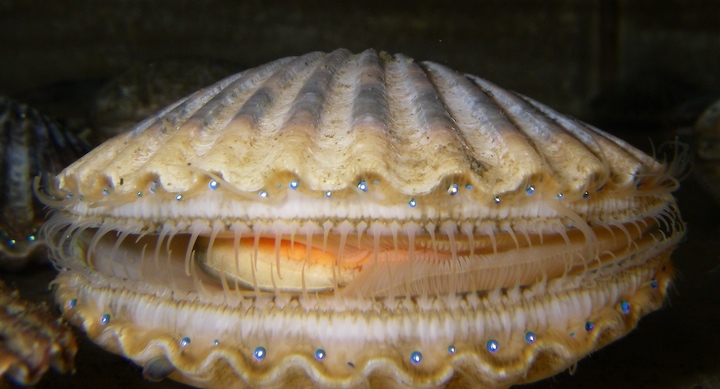
Florida's bay scallop season is three separate seasons, and only one of them runs on its own dates while the other two share a calendar. Pick the zone before you pick the weekend, because the drive between them is hours.

You Take the Claw and the Crab Goes Back

Everglades City, FL

You Take the Claw and the Crab Goes Back

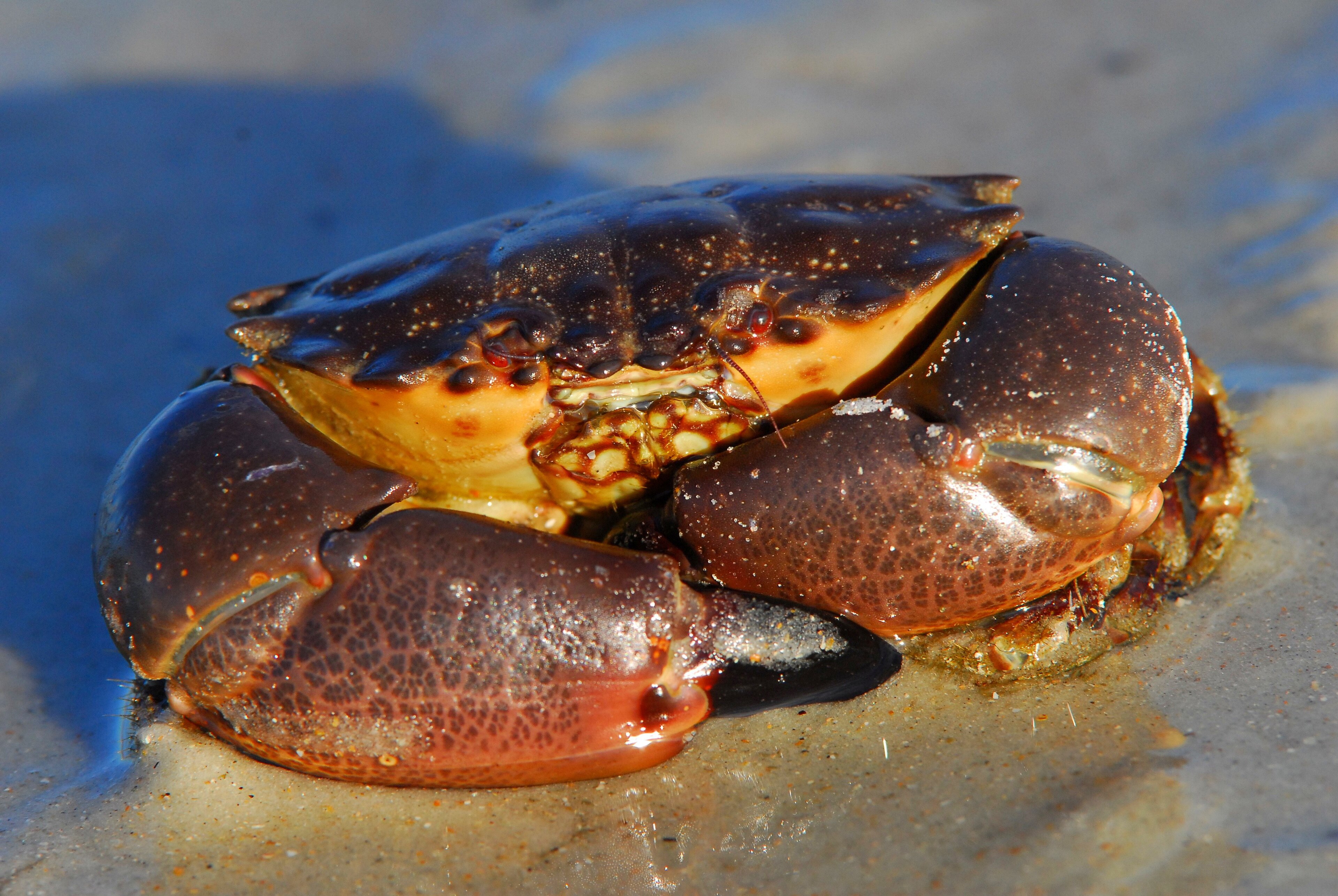
Florida stone crab is the one American fishery where you harvest a limb and return the animal alive. It regrows the claw in about a year. Whether that makes it harmless is a more interesting question than the marketing suggests.

Fly Fishing Everglades National Park: Tarpon, Snook, and Redfish in America's Wildest Saltwater Backcountry

Everglades City, FL

Fly Fishing Everglades National Park: Tarpon, Snook, and Redfish in America's Wildest Saltwater Backcountry

Everglades National Park is 1.5 million acres of mangrove backcountry, grass flats, and tidal channels holding tarpon over 100 pounds, snook that ambush from the mangrove roots, and redfish tailing on shin-deep flats. It's the only national park in America where the main attraction wears scales.

Fly Fishing Dry Tortugas National Park: Giant Tarpon, Permit, and the Fort at the End of the World

Key West, FL

Fly Fishing Dry Tortugas National Park: Giant Tarpon, Permit, and the Fort at the End of the World

Seventy miles of open Gulf separate Key West from a hexagonal Civil War fortress built on a sand island the size of a few football fields. Migratory tarpon over a hundred pounds stage in the channels around Fort Jefferson each spring, permit tail on the surrounding flats, and barracuda slash through schools of baitfish against the fort walls. Getting there is the hard part. Fishing it is the reward.

Fly Fishing Biscayne National Park: Bonefish, Permit, Tarpon, and the Best Saltwater Flats You Can Reach by Uber

Homestead, FL

Fly Fishing Biscayne National Park: Bonefish, Permit, Tarpon, and the Best Saltwater Flats You Can Reach by Uber

Biscayne National Park is 95% water, the largest marine park in the National Park System, with gin-clear turtle grass flats holding bonefish, permit, and tarpon 30 minutes south of downtown Miami. Here's the fly box, the seasonal calendar, and why this park is the Everglades' clear-water sister.

How to Fish Tampa Bay: A Beginner's Guide to Flats, Bridges, Passes, and Piers

Tampa, FL

How to Fish Tampa Bay: A Beginner's Guide to Flats, Bridges, Passes, and Piers

A hands-on beginner guide to fishing Tampa Bay, from wading the grass flats of Weedon Island and Cockroach Bay to night fishing the Gandy Bridge, working the passes on a falling tide, and pier fishing the Skyway. Covers gear, rigs, bait, species, tides, and the local knowledge that separates a good day from a blank.