Fish
Fish Fire
Fire Hike
Hike Bird
Bird

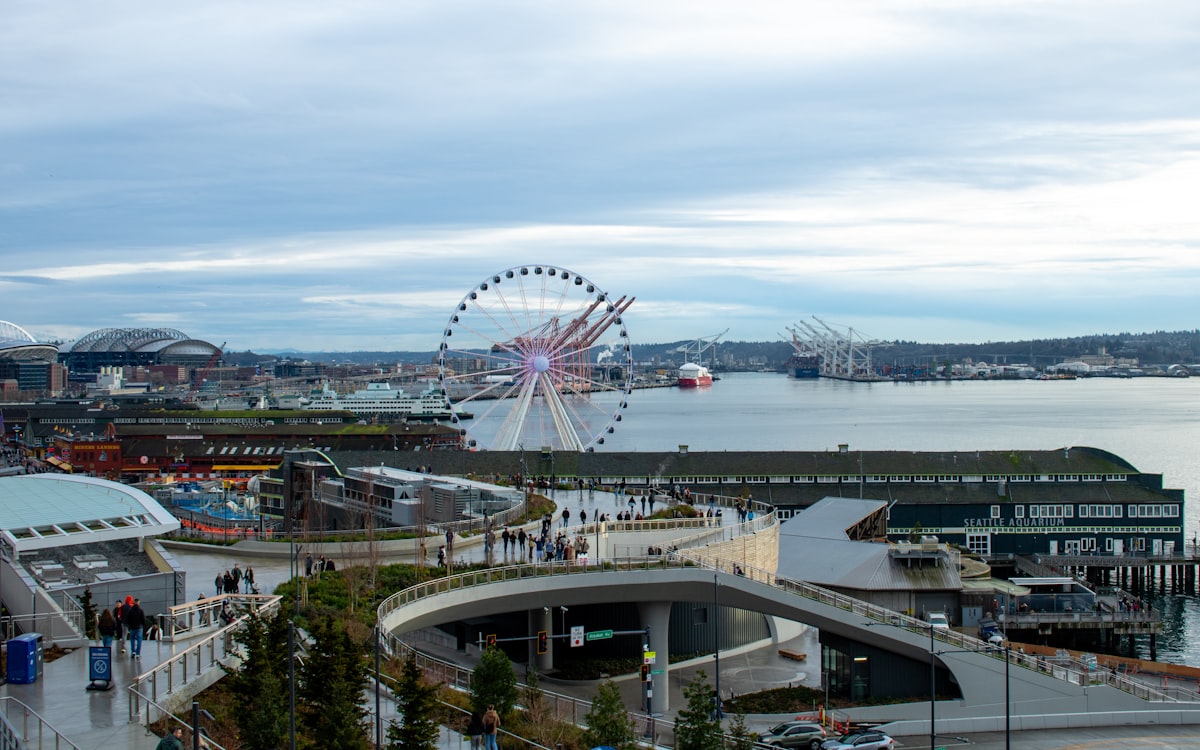
Seattle is a fishing city in a way most people don't fully appreciate until they get here. Puget Sound wraps around the metro area, offering saltwater fishing for salmon, lingcod, rockfish, and halibut without ever leaving sight of the skyline. Drive an hour in any direction and you're on a steelhead river. The fishing is varied, it's accessible, and it's genuinely good, but the seasons and regulations are more complex than most places, which is exactly why doing your homework before you go pays off.
Shilshole Marina in Ballard and the Edmonds waterfront are the main jumping-off points for saltwater trips, both within the city limits, whether you're launching your own boat or riding out with a charter. You're on the water fast, and on a good day you're into fish within the first hour.
The Waters
Puget Sound
Puget Sound is the main stage. This deep, cold inland sea stretches from the Strait of Juan de Fuca to Olympia, and Seattle sits right in the middle of it. The sound holds five species of Pacific salmon, multiple species of rockfish, lingcod, and Pacific halibut, all within reach of boats running out of Seattle-area marinas.
Salmon fishing is the headline act. Chinook (king) salmon are the most prized, they're the biggest Pacific salmon, averaging 15 to 25 pounds with fish over 30 pounds taken every season. Coho (silver) salmon show up from July through September and provide fast action on lighter tackle. Pink salmon flood Puget Sound on odd years in huge numbers, and while they're smaller, the sheer volume makes for nonstop rod-bending days.
Washington's salmon seasons are set annually by the Department of Fish and Wildlife and can change from year to year. Chinook season in the central sound typically opens in July, coho opens in June, and specific marine areas have their own windows. This is why it pays to check the current rules before every trip, WDFW's regulation pages spell out which marine areas are open on any given day, and the windows shift from season to season.
Hood Canal
Hood Canal, the long fjord-like arm of Puget Sound west of Seattle, offers different fishing than the main sound. It's known for its shrimp runs and good winter fishing for sea-run cutthroat trout and the occasional blackmouth (resident Chinook). In summer, it produces coho and pink salmon. Hood Canal is about an hour from Seattle and makes for a rewarding day trip when you want something different from the main basin.
Skagit River
The Skagit River, about 60 miles north of Seattle, is the premier steelhead river in the Puget Sound region. Winter steelhead run from December through March, with native wild fish that average 8 to 12 pounds. The Skagit system (including the Sauk and Suiattle tributaries) also has one of the strongest fall Chinook runs in western Washington.
Steelhead fishing on the Skagit is primarily fly fishing with two-handed spey rods, swinging flies through deep runs and tailouts. It's a specialty fishery that demands patience and skill, and knowing the Skagit's holding water, which runs and tailouts hold fish at which flows, is what separates a good day from a blank one. Note: wild steelhead are catch-and-release only, and regulations change frequently. Check WDFW rules before you go.
Snoqualmie River
Closer to Seattle, the Snoqualmie River offers accessible fishing for steelhead and salmon during their runs. It's not the big-name fishery the Skagit is, but it's within 30 minutes of downtown and produces fish. Bank access is good through the winter steelhead season, and the lower river below Snoqualmie Falls is the stretch to focus on.
What You're Fishing For
Chinook (king) salmon are the top target and the reason most people fish Puget Sound in summer. They're available from midsummer through fall, and catching a 20-plus-pound king on Puget Sound with the Seattle skyline behind you is a uniquely Pacific Northwest experience.
Coho (silver) salmon arrive in summer and provide excellent sport on lighter tackle. They're acrobatic fighters that jump repeatedly and are generally more cooperative than kings. Coho are also excellent eating.
Lingcod are the bruisers of the bottom. They're aggressive predators that hit hard and fight dirty, and they taste outstanding. Lingcod season in Puget Sound typically opens in May and runs through mid-June, then reopens in the fall. They average 8 to 15 pounds, with fish over 20 pounds not uncommon.
Rockfish (multiple species, including copper, quillback, and yelloweye) are available when targeting lingcod and on dedicated bottomfish trips. They're fun to catch and good eating, though some species have strict retention limits.
Steelhead are the freshwater prize. Winter-run steelhead in the Skagit and other rivers are wild, powerful fish that test your skills and your gear. They're catch-and-release only for wild fish, which means you're fishing for the experience, not the cooler.
When to Go
July through September is peak salmon season. This is when Chinook and coho are in the sound, the fleet runs full schedules, and the weather is at its best. Plan ahead, this is the busiest stretch on the water, and if you're chartering, popular captains fill up months out.
May and June are prime for lingcod and bottomfish. Lingcod season opens in May, and dedicated bottomfish trips produce consistent action for lingcod and rockfish. It's a great option if you're visiting before salmon season opens.
October through December is fall salmon season and the start of winter steelhead. Coho are still available into October in some marine areas, and steelhead begin entering rivers in November and December. The weather is wetter, but the fishing can be excellent.
January through April is the quietest period for saltwater, but the Skagit River steelhead fishery is in full swing. If you're willing to brave the rain and cold, winter steelhead fishing is one of the most rewarding challenges in Pacific Northwest fishing.
What to Bring
Puget Sound charter boats provide all fishing tackle, bait, and terminal gear; if you're fishing your own boat or from the beach, bring your own rods and terminal setups. Either way, you bring:
- A Washington state fishing license with the appropriate endorsements (salmon, shellfish, etc. purchase online at fishhunt.dfw.wa.gov)
- Layered clothing, it's cooler on the water than on land, even in summer
- A rain jacket (this is Seattle)
- Seasickness medication if you're prone to it (take it before you board)
- Polarized sunglasses
- A cooler for your catch on the way home
- Cash tip, 15-20% of the charter cost is standard if you book a captain