The Angler's Guide to San Francisco Fishing
← All field notes

San Francisco · California

The Angler's Guide to San Francisco Fishing

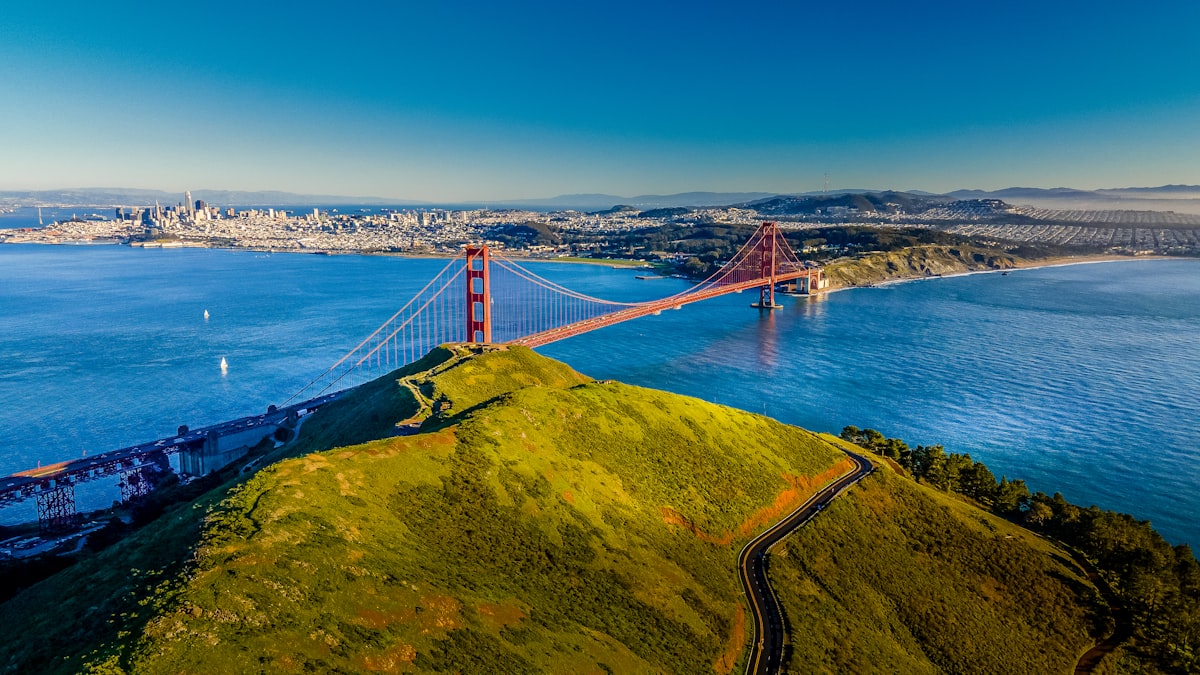
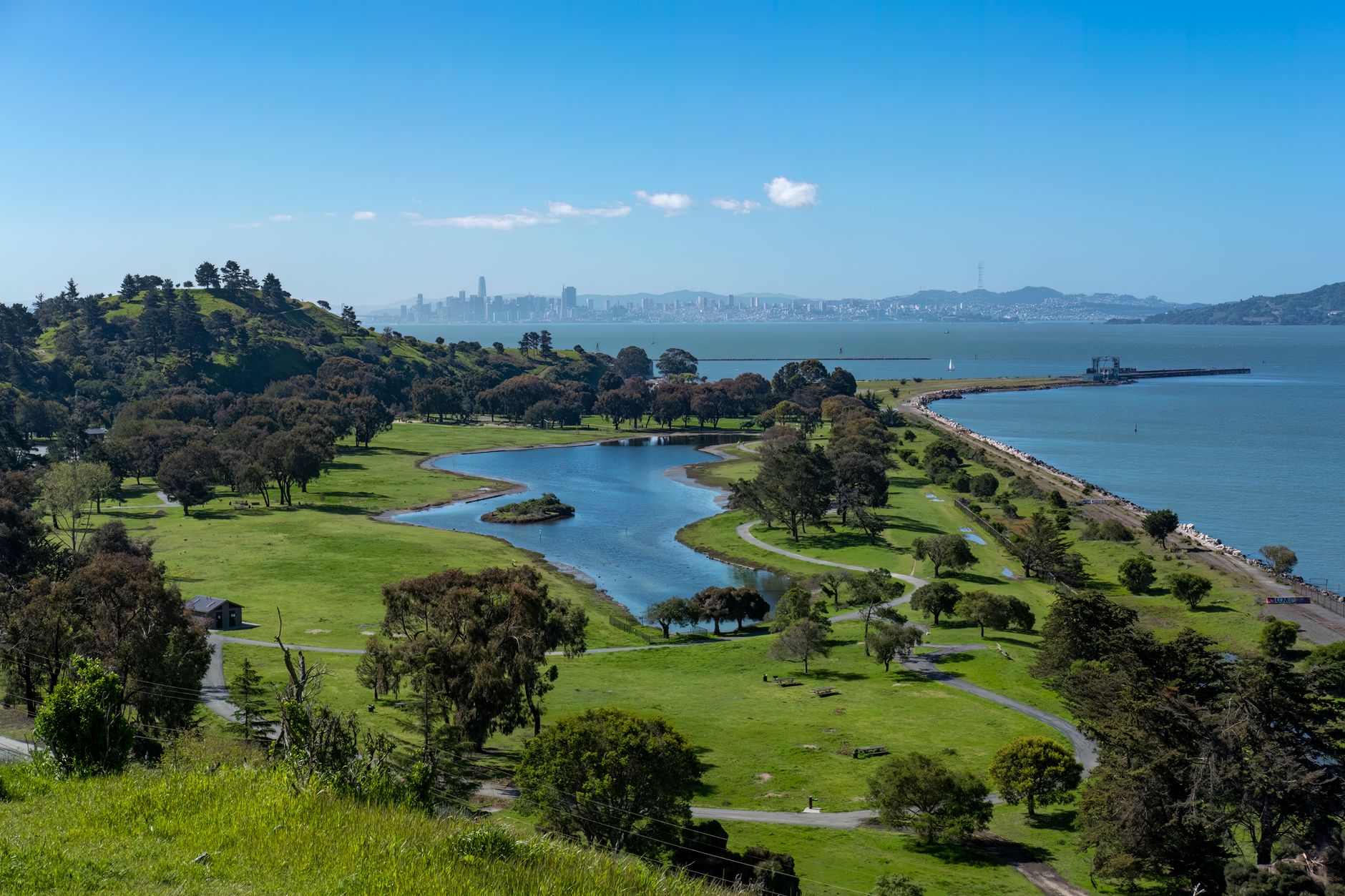
San Francisco Bay, the Pacific coast, the Farallon Islands, the Sacramento Delta, the fishing here is as varied as the city. Here's a species-by-species breakdown of what to target and where.

Colin Van Dyke

Colin Van Dyke

San Francisco is surrounded by water that holds fish, and the variety is staggering. Inside the Bay, halibut cruise sandy flats while striped bass hunt baitfish along rocky points. Outside the Golden Gate, king salmon stack up during their migration and rockfish pile onto deepwater reefs near the Farallon Islands. An hour east in the Sacramento Delta, sturgeon root through muddy channels and stripers chase shad in the fall.

The challenge isn't finding fish. It's choosing which one to go after. Whether you're launching your own boat, fishing from shore, or riding a charter out of Fisherman's Wharf, Sausalito, Berkeley, or Emeryville, the species you target determines where you go and when. Here's how to think about it.

Halibut: The Bay's Signature Catch

California halibut are the fish that made San Francisco Bay a fishing destination. These flatfish, distinct from the massive Pacific halibut found up north, average 5 to 15 pounds, with trophy fish over 20 pounds taken every season. They're ambush predators that lie on sandy bottoms and explode on bait drifted past them.

Halibut season runs April through September, with peak fishing in May, June, and July. The standard approach is to drift live bait, typically anchovies or shiner perch, over the sandy flats between Alcatraz and Angel Island, along the Berkeley Flats, and near Crissy Field. The drift is everything: too fast and the bait rips away from the bottom; too slow and you're not covering ground. Reading the tide and current to keep the bait in the strike zone is the whole game.

The daily limit is three halibut at a minimum of 22 inches. The meat is white, firm, and excellent, halibut tacos from your own catch are a San Francisco tradition.

Striped Bass: Two Fisheries in One

Striped bass in the San Francisco Bay system are a transplant from the East Coast, introduced in the 1870s, and they've thrived. The population supports two distinct fisheries: the Bay itself and the Sacramento-San Joaquin Delta.

In the Bay, stripers are available from late spring through fall. Anglers troll or drift live bait around rocky points, bridge pilings, and current seams, particularly around the Golden Gate, Raccoon Strait, and the Richmond-San Rafael Bridge. Fish in the Bay average 5 to 15 pounds, with larger fish over 20 pounds possible. The minimum size is 18 inches, and the daily limit is two fish.

In the Delta, the action heats up from late August through November as stripers migrate east following baitfish. The Delta is a maze of channels, sloughs, and levees, and knowing the structure is half the battle. Fall striper fishing in the Delta produces fast action and good numbers, with fish averaging 3 to 10 pounds and occasional bigger fish in the mix. This is also where you might hook a white sturgeon as a bonus.

King Salmon: The Ocean Trophy

San Francisco's ocean salmon fishery targets Chinook (king) salmon outside the Golden Gate, and when it's open, it's outstanding. Boats troll down the coast toward Pacifica and Half Moon Bay, or north toward the Marin Headlands, using downriggers to present bait and lures at depth.

Here's the catch: salmon seasons in San Francisco are set annually by the Pacific Fishery Management Council and have been highly restricted in recent years. Some years the season runs only a handful of open days. Other years it's more generous. You cannot plan a San Francisco salmon trip far in advance without checking the current year's regulations, the season announcement typically comes in April.

When the fishery is open, the salmon are magnificent. Kings in the 15- to 30-pound class cruise these waters, and the backdrop of the Golden Gate Bridge and the Marin Headlands makes for a setting no other salmon fishery can match.

Rockfish and Lingcod: The Deep-Water Guarantee

If you want guaranteed action, rockfish are the answer. Boats run out to the rocky reefs and structure along the coast and around the Farallon Islands, a group of rugged, fog-shrouded islands 27 miles offshore that sit atop a deepwater plateau teeming with marine life.

The target species include vermilion rockfish, copper rockfish, blue rockfish, canary rockfish, and lingcod, all caught by dropping heavy jigs and baited rigs to depths of 100 to 300 feet. Lingcod are the bruisers, averaging 8 to 15 pounds with fish over 25 pounds taken regularly. Rockfish come up steadily and are excellent table fare.

The season typically opens in April and runs through fall. Farallon Islands trips are full-day affairs (the run out takes over an hour) and require calm weather, so rough days mean dropping back onto closer nearshore reefs instead. A Farallon trip on a clear day, with sea lions, whales, and seabirds all around you, is one of the most memorable fishing experiences on the West Coast.

Sturgeon: The Delta's Winter Giant

White sturgeon fishing in the Sacramento-San Joaquin Delta is a cold-weather pursuit. The season runs January through March, and it draws serious anglers willing to sit in a boat on a gray winter day and wait for something enormous to pull back.

Sturgeon in the Delta average 40 to 60 inches, with the slot limit allowing retention of fish between 40 and 60 inches. They're bottom feeders that root through mud and sand for grass shrimp, clams, and herring roe. The fishing is straightforward, anchor up, drop heavy gear to the bottom, and wait, but hooking a five-foot sturgeon in a narrow Delta channel is an experience that will recalibrate your sense of what freshwater fish can do.

What to Bring

If you're heading out on a charter, the boat provides rods, reels, and tackle. However you get on the water, you'll want to bring:

  • California fishing license (purchase online at wildlife.ca.gov/licensing)
  • Warm layers, San Francisco Bay is cold and windy year-round; dress warmer than you think
  • A waterproof jacket (fog and spray are constant)
  • Seasickness medication for offshore trips (the ocean outside the Gate can be rough)
  • Sunglasses and sunscreen (when the fog burns off, it burns off fast)
  • Lunch and drinks for full-day trips
  • A cooler for your catch
  • Cash to tip the crew if you're on a charter, 15-20% of the fare is standard
Recommended gear

  • Penn Pursuit IV 4000 Combo

    Entry level, handles halibut, stripers, and rockfish on party boats

  • Shimano Stradic FL 4000

    Premium spinning, smooth drag for halibut and big stripers in current

  • Daiwa BG 4000 Combo

    Mid-tier, corrosion-resistant, great all-around Bay reel

  • Berkley Gulp Alive Minnow 4-inch

    Tipped on live bait rigs for halibut, adds scent and action

  • Shimano Butterfly Flat-Fall Jig 130g

    Rockfish and lingcod on Farallon Islands trips

  • Owner Aki Twist Live Bait Hook 1/0

    The Bay Area live-bait hook for halibut and stripers

  • Seaguar Blue Label Fluorocarbon 20lb

    Clear Bay water demands invisible leader

  • Okuma Celilo Salmon Rod 8'6" MH

    Entry level, good for salmon trolling outside the Gate

  • Shimano Tekota 500 Line Counter

    Mid-tier, essential for salmon trolling depth

Frequently asked

Do you need a license to fish San Francisco Bay?

Yes, California requires a fishing license for anyone 16 and older fishing on their own, available as a 1-day, 2-day, or annual license through CDFW. You can fish license-free from most public ocean piers, and on a charter the trip covers your license.

Can you fish San Francisco from shore or a pier?

Yes, the bay and coast have excellent license-free public pier fishing at spots like the Municipal Pier, Pacifica Pier, and Berkeley Pier for jacksmelt, perch, halibut, and striped bass. Shore anglers also work the surf and the rocks, no boat required.

What fish can I catch in San Francisco Bay?

San Francisco Bay holds California halibut (April-September), striped bass (spring through fall), leopard sharks, bat rays, and various perch species. Outside the Bay, king salmon, rockfish, and lingcod are targeted along the coast and near the Farallon Islands.

Is salmon fishing open in San Francisco?

San Francisco ocean salmon seasons are set annually by the Pacific Fishery Management Council and have been highly restricted in recent years, with only a handful of open days in some seasons. Check the current year's regulations, the announcement typically comes in April.

What are the Farallon Islands and can I fish there?

The Farallon Islands are a group of rocky islands 27 miles west of the Golden Gate Bridge, sitting atop deepwater reefs that hold rockfish and lingcod. Charter boats run full-day fishing trips to the Farallons from April through fall, weather permitting. The trip out takes over an hour each way.

When is the best halibut fishing in San Francisco Bay?

Halibut fishing in San Francisco Bay peaks from May through July, with the season running April through September. Charters drift live bait over sandy flats near Alcatraz, Angel Island, and the Berkeley Flats. The daily limit is three fish at a minimum size of 22 inches.

How much does a San Francisco fishing charter cost?

Bay fishing charters (halibut, striped bass) run $150-250 per person for a full day. Offshore rockfish trips to the Farallon Islands run $200-300 per person. Salmon charters (when the season is open) run $200-300 per person. All trips include gear and tackle. Tips of 15-20% are standard.

More California field notes

The Greenbelt Nobody Planned: Hiking the Bay Area's Open Space

San Francisco, CA

The Greenbelt Nobody Planned: Hiking the Bay Area's Open Space

Ringing seven million people is one of the largest protected greenbelts around any American city: well over a million acres of parkland, watershed, and open space, assembled piecemeal over a century by agencies that mostly weren't coordinating. You can walk into redwoods, chaparral, and coastal prairie from a transit stop.

A Mountain Range Inside the City: Hiking Greater Los Angeles

Los Angeles, CA

A Mountain Range Inside the City: Hiking Greater Los Angeles

Los Angeles has a mountain range running through the middle of it and a taller one along its northern edge rising past 10,000 feet. The city that everyone pictures as freeway and sprawl is bounded and bisected by wilderness, and most of it is a twenty-minute drive from somewhere you already are.

Urban Fishing in San Diego: Spotted Bay Bass in Mission Bay, Halibut from the Piers, and Trophy Largemouth 15 Minutes from Downtown

San Diego, CA

Urban Fishing in San Diego: Spotted Bay Bass in Mission Bay, Halibut from the Piers, and Trophy Largemouth 15 Minutes from Downtown

San Diego has ocean piers where you can catch halibut and yellowtail without a licence, 27 miles of Mission Bay shoreline holding spotted bay bass and corvina, surf beaches with corbina and perch, and urban reservoirs that have produced some of the biggest largemouth bass ever recorded. No boat needed.

Urban Fishing in Los Angeles: Carp in the LA River, Trout in City Parks, and Pier Fishing Without Leaving the 405

Los Angeles, CA

Urban Fishing in Los Angeles: Carp in the LA River, Trout in City Parks, and Pier Fishing Without Leaving the 405

Los Angeles has a concrete river full of carp and bass, city park lakes stocked with trout in winter and catfish in summer, and ocean piers where you can catch halibut and mackerel with the Pacific sunset behind you. No boat. No car required for some of the best spots.

Birding San Francisco Bay: Don Edwards, the Salt Ponds, and the Shoreline

San Francisco, CA

Birding San Francisco Bay: Don Edwards, the Salt Ponds, and the Shoreline

San Francisco Bay lost roughly ninety percent of its tidal marsh and then built one of the first urban national wildlife refuges in the country on what was left. The birding is exceptional, the sites are free, and the salt ponds are in the middle of the largest tidal wetland restoration on the west coast.

Clouds Rest Is Higher Than Half Dome, Needs No Permit, and Has the Better View

Yosemite Valley, CA

Clouds Rest Is Higher Than Half Dome, Needs No Permit, and Has the Better View

It stands a thousand feet above Half Dome, looks down on it, requires no lottery, and finishes on a granite fin narrow enough that the last few hundred yards are the most exposed ground most hikers will ever walk. Almost nobody outside Yosemite has heard of it.