Fish
Fish Fire
Fire Hike
Hike Bird
Bird

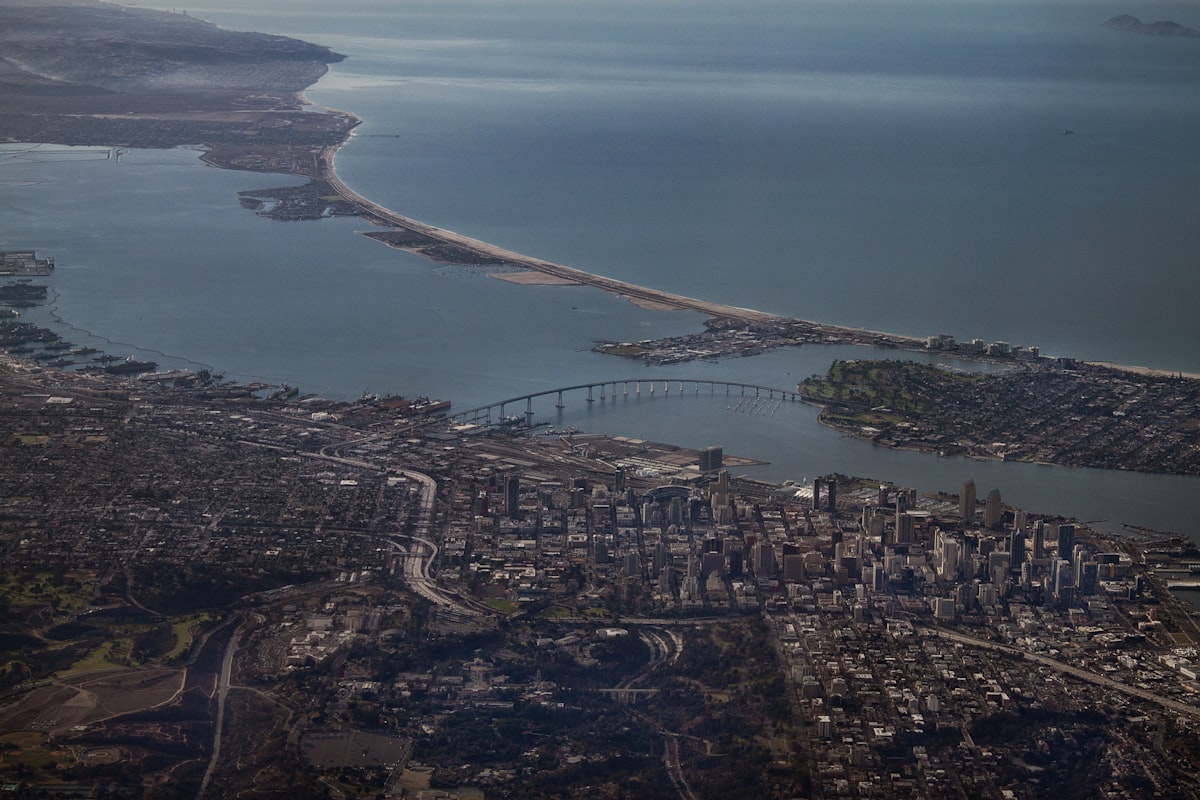

San Diego doesn't just have good fishing, it has the infrastructure of a fishing city. Five major sportfishing landings line the waterfront, harboring over 70 boats between them. On any given morning, boats are heading out for half-day kelp bed runs, full-day offshore trips, overnight tuna missions, and multi-day long-range expeditions deep into Mexican waters. No other port on the Pacific coast offers this kind of range.
The fishing calendar here never really stops. Southern California's mild climate and the convergence of warm and cold currents offshore mean there's always something biting. But the trip you book matters more than the date on the calendar, San Diego fishing is organized by trip length, and each option puts you on different water, different species, and a very different experience.
The Half-Day Trip
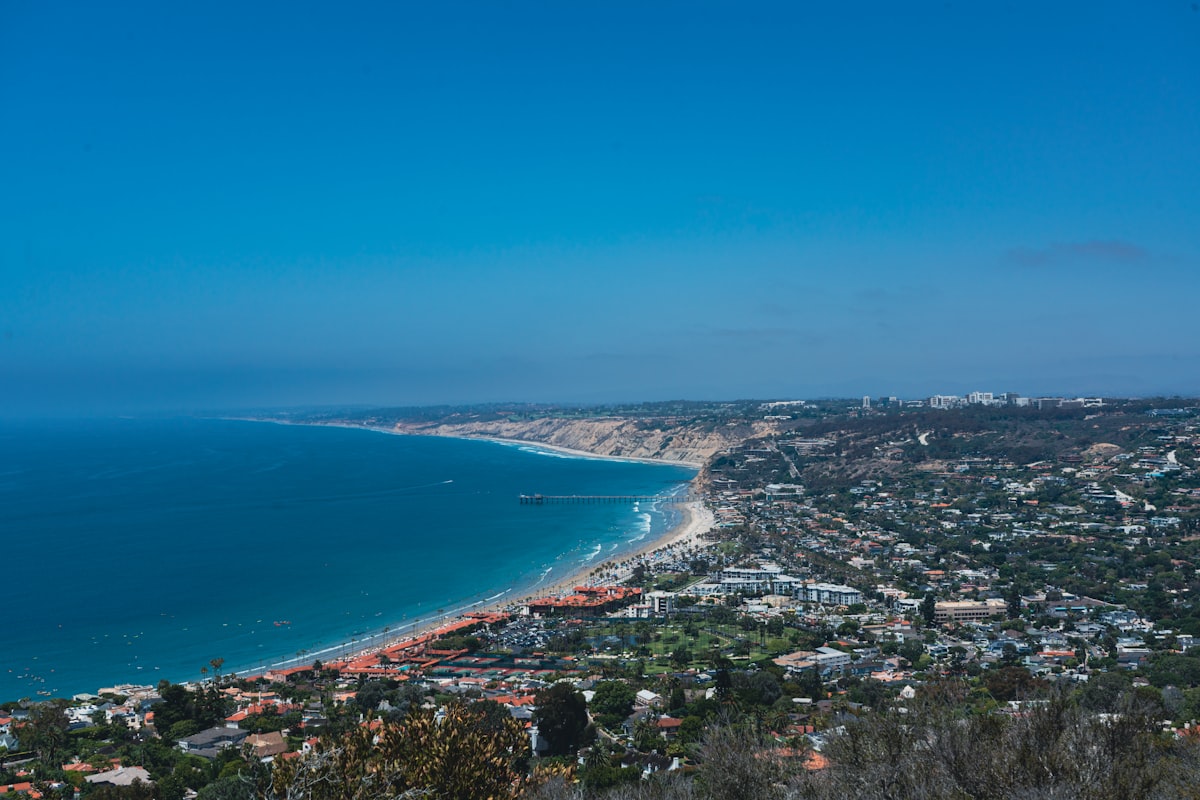
This is San Diego fishing at its most accessible. Half-day boats depart twice daily, morning and afternoon, from landings like H&M, Point Loma Sportfishing, and Fisherman's Landing. You're fishing the kelp beds and rocky structure along the coastline from Imperial Beach north to La Jolla, usually within a few miles of shore.
The targets are calico bass (kelp bass), sand bass, bonito, barracuda, sculpin, and mackerel, depending on the season and what's biting. Calico bass are the star here: hard-fighting, smart fish that live in and around the kelp canopy. They'll test your drag on light tackle and they taste outstanding. Bonito and barracuda show up in summer and add speed and chaos to the mix.
Half-day trips run about $50-80 per person. The boat provides rod rentals and sells bait. This is the right trip for families, beginners, visitors with a few hours to kill, or locals who want to fish without making a day of it. The morning trip typically outfishes the afternoon, the dawn bite is real.
The Three-Quarter-Day Trip
The 3/4-day runs 8 to 10 hours and is the sweet spot for San Diego sportfishing. These boats push farther offshore, down to the Coronado Islands (just across the Mexican border, about 18 miles from Point Loma) or out to the deeper reefs and structure along the coast.
The Coronado Islands are where the fishing quality jumps. Yellowtail are the headliner from spring through fall, fast, powerful fish in the 15- to 30-pound range that hit iron jigs, live bait, and surface poppers. The Islands also produce quality calico bass, bonito, barracuda, and in summer months, dorado (mahi-mahi) and bluefin tuna that push through the area.
A 3/4-day trip to the Coronado Islands requires a Mexican fishing license. Most landings sell them on-site, arrive 30 minutes early to handle the paperwork. Trips run about $100-170 per person.
The Full-Day Trip
Full-day boats run 12 to 14 hours and reach the productive offshore banks and seamounts where the bigger fish live. From June through November, these trips target bluefin tuna, San Diego's glamour fishery.
Bluefin tuna have been a major story in Southern California fishing in recent years. These fish migrate through the region in staggering numbers, with individuals ranging from 20-pound schoolies to 200-plus-pound giants. When the bluefin are within range of a day trip, the entire fleet pivots. Boats load up on sardines and fly-line live bait to cruising schools, and when a 100-pound bluefin dumps your reel into the backing, you understand why people travel across the country for this.
Yellowfin tuna also show up on full-day trips from summer through fall, particularly when warm currents push north. Yellowfin average 15 to 40 pounds and are among the best-eating fish in the ocean, sashimi-grade meat that rivals anything at a high-end restaurant.
Full-day trips run $150-270 per person. Bring food and drinks, you'll be on the water all day.
The Overnight and Multi-Day Trip
This is what makes San Diego unique. No other port in the lower 48 offers the long-range sportfishing tradition that San Diego does. Overnight trips (1.5 to 2 days) and multi-day trips (2 to 21 days) run south into Mexican waters, accessing fishing grounds that day boats can't reach.
The targets get bigger and more exotic: yellowfin tuna to 300 pounds, bluefin tuna, dorado, wahoo, yellowtail, and in the warmest months, striped marlin. The legendary banks, Tanner, Cortes, Hurricane, hold concentrations of fish that border on the ridiculous when conditions align.
These boats are purpose-built live-bait fishing machines. They carry tons of live sardines and anchovies in onboard bait tanks, and the fishing technique, fly-lining live bait into a school of feeding tuna, is uniquely Southern Californian. Multi-day trips build in sleeping bunks, meals, and everything you need. You bring tackle (or rent it) and a sense of adventure.
Overnight trips run $250-450 per person. Multi-day trips run $200-400 per day depending on duration and boat. The longer the trip, the lower the per-day cost, and the farther south you go, the bigger the fish tend to be.
What to Bring (Any Trip)
- California fishing license (purchase online at wildlife.ca.gov/licensing, required even on charter boats)
- Mexican fishing license for Coronado Islands or long-range trips (most landings sell these)
- Sunscreen, San Diego sun is relentless on the water
- Layered clothing, mornings are cool offshore, even in summer
- Closed-toe shoes with grip
- Food and drinks for full-day and longer trips
- A cooler for the drive home (short trips only, multi-day boats have fish holds)
- Cash tip, 15-20% of the fare is standard