Fish
Fish Fire
Fire Hike
Hike Bird
Bird

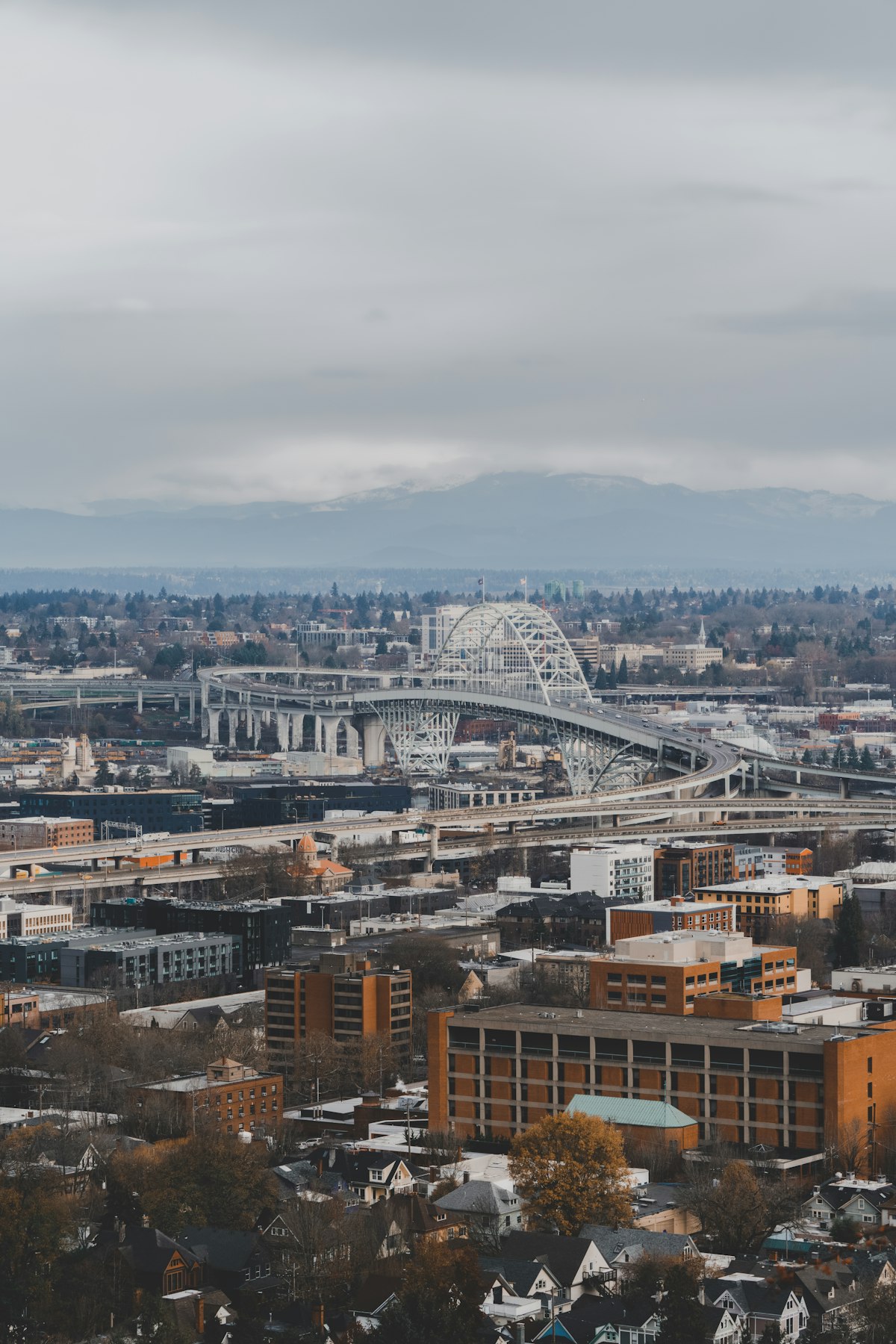
Most people don't think of Portland as a fishing town. It's craft beer, food carts, and bikes. But Portland sits at the confluence of the Columbia and Willamette Rivers, with the Clackamas and Sandy feeding in from the east, and the fishing here is absurdly diverse. Within 30 minutes of downtown, you can chase spring Chinook salmon, battle a 200-pound white sturgeon, swing flies for steelhead, or cast plastics for smallmouth bass. The hard part isn't finding fish, it's deciding what to target.
Each of Portland's rivers has its own rhythm, its own seasons, and its own fish. Figuring out which one to fish on a given week is the real work, and it's worth doing, because once you understand the system you can time a trip to hit a run at its peak instead of guessing. Here's how the year breaks down.
Spring Chinook Salmon
If you're visiting Portland between March and June, spring Chinook should be at the top of your list. These are the prized fish of the Columbia River system, bright, chrome-sided salmon averaging 15 to 25 pounds that return from the Pacific Ocean to spawn in the tributaries. The meat is rich, oily, and widely considered the best-eating salmon on the West Coast.
The fishery centers on the lower Willamette River and the mainstem Columbia. Anglers troll herring or anchor and run prawns and cured eggs below the surface, targeting fish stacked up at the mouths of tributaries and in deep holes. The lower Willamette below St. Johns Bridge is a perennial hotspot, as is Multnomah Channel on the west side of Sauvie Island.
The 2026 spring Chinook forecast for the Columbia is strong, over 200,000 fish expected, which means generous seasons and good catch rates. But even in slower years, reading the tides and knowing the holding water puts you well ahead of the crowd at the boat ramps.
A full-day guided salmon trip runs $250-350 per person with gear, bait, and fish cleaning included, a common way to get on the water fast if you don't have a boat of your own.
White Sturgeon
Sturgeon fishing on the Columbia and Willamette is unlike anything else in freshwater. White sturgeon are the largest freshwater fish in North America, fish over six feet long and 200 pounds are caught regularly in the Portland area. They're prehistoric, powerful, and the fight on heavy tackle is something you feel in your shoulders for days.
The lower Willamette from downtown Portland to its confluence with the Columbia is prime sturgeon water, particularly during the winter and spring months from November through May. Anglers anchor in deep holes and fish heavy rigs on the bottom with smelt, shad, or sand shrimp.
Here's what you need to know about regulations: sturgeon seasons and size limits change frequently. Retention seasons (when you can keep a sturgeon) are limited and quota-based, once the allocation is met, the fishery goes catch-and-release only. In recent years, some sections below Bonneville Dam have had no retention season at all. Confirm the current rules with ODFW before you go, but expect catch and release. The experience of hooking, fighting, and releasing a six-foot sturgeon is worth the trip regardless.
Steelhead
Portland has two steelhead runs, winter and summer, and two rivers that produce them close to town: the Clackamas and the Sandy.
Winter steelhead arrive from December through March. The Sandy River is the headliner, running through a scenic gorge just 30 minutes east of the city. Native winter steelhead here are wild, meaning they're catch-and-release only, but hatchery fish (identifiable by a clipped adipose fin) can be kept. The Sandy is a mix of drift boat and bank fishing water, with slots and tailouts where steelhead hold if you learn to read them.
The Clackamas River offers similar winter steelhead fishing south of the city. It's a beautiful freestone river with excellent access and a reputation for producing consistently through the winter months.
Summer steelhead show up on the Columbia tributaries from June through October. These fish are acrobatic fighters that come up from the ocean in peak physical condition. The Clackamas gets a summer run, and the Columbia itself holds fish moving through toward upstream tributaries.
A full-day guided steelhead trip runs $300-400. Several Portland guides specialize in swinging flies for steelhead on the Sandy and Clackamas, which is worth knowing if fly fishing is your preference.
Warmwater, Smallmouth Bass and Walleye
Here's Portland's best-kept fishing secret: the Columbia River has a world-class smallmouth bass fishery. Professional bass tournaments are held on the Columbia, and the fish are big, four- and five-pounders are realistic on any given day during summer. The best fishing runs May through September along rocky shorelines, riprap, and island structure.
Walleye are another Columbia River specialty. They hold in deeper structure, ledges, sunken rock piles, and channel edges, and the fishery produces well from spring through fall. Anglers troll nightcrawler rigs or jig, and the walleye here are good-sized, with fish in the three- to five-pound range common and occasional fish over eight pounds.
Both species are excellent on light tackle. If you've fished for bass and walleye on Midwestern or Eastern lakes, the Columbia will feel familiar but bigger. Bass and walleye are a great option if you want action without an early wake-up call.
Licensing and Access
Oregon requires a fishing license and, for salmon and steelhead, a combined angling tag. If you're fishing the Columbia from a boat, you may also need a Washington license depending on which side of the river you're on, check which bank you'll be on before you launch. Purchase licenses online at myodfw.com before your trip.
Portland's boat ramps and river access points are well-maintained and mostly free. Launching is straightforward at the main ramps, just show up with your license and layers, and check flows and conditions before you head out.