Fish
Fish Fire
Fire Hike
Hike Bird
Bird

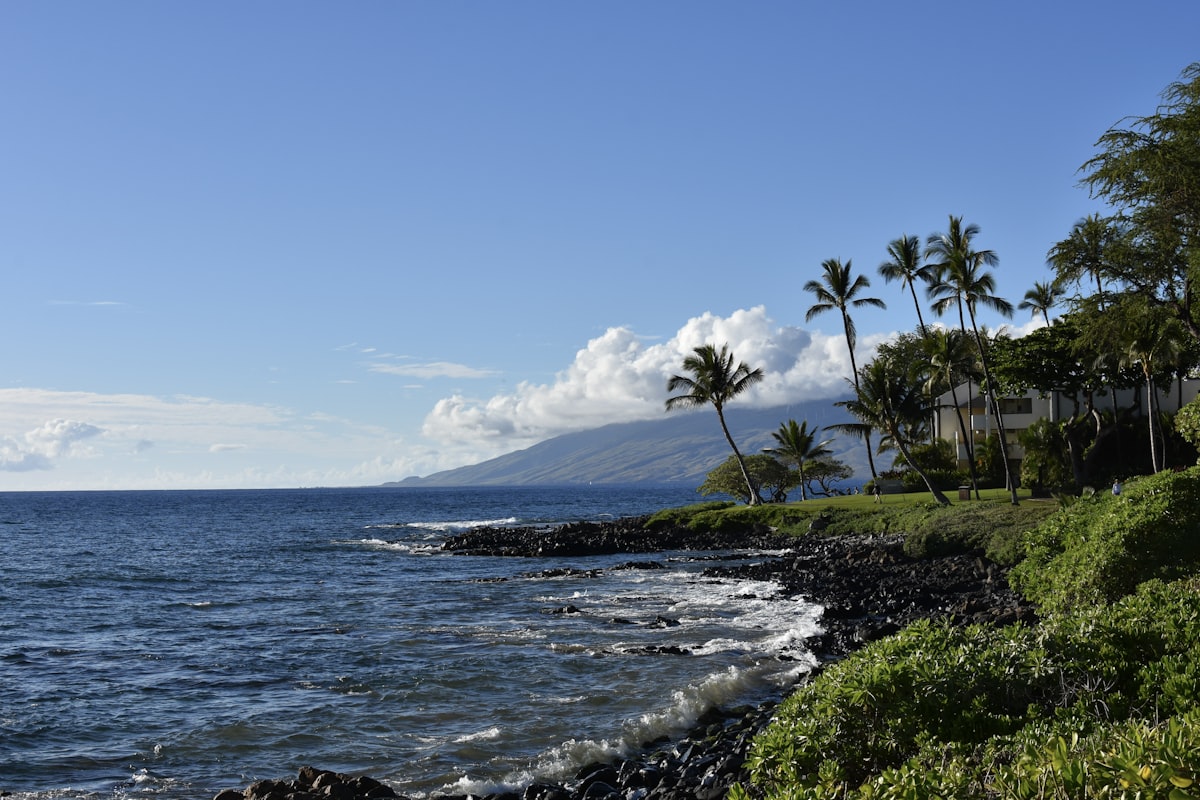

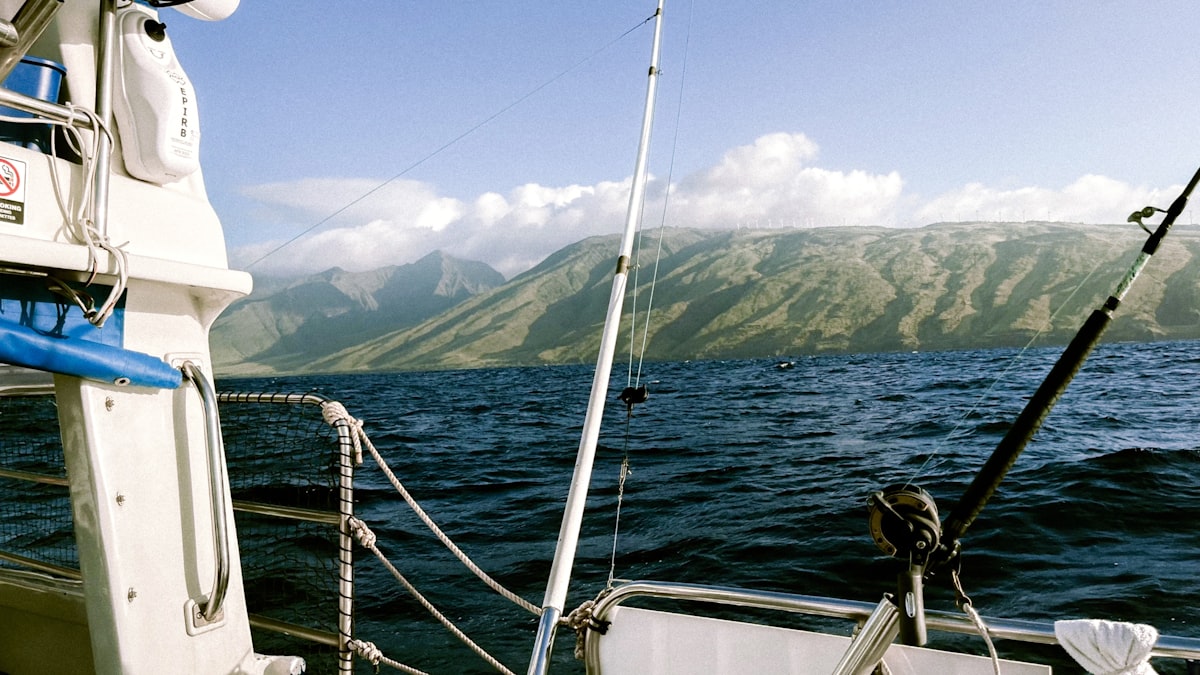
Maui is the second-largest Hawaiian island, and its fishing revolves around a geographic feature that visitors rarely think about: the Au'au Channel, the deep water between Maui's west coast and the island of Lana'i, eight miles across. The channel drops to over 1,000 feet in places, and the current that flows through it pushes nutrient-rich water into a concentrated corridor that attracts pelagic fish in densities that open-ocean trolling can't match.
The charter fleet operates from two harbors, Lahaina Harbor on the west side and Ma'alaea Harbor on the south-central coast, and the productive water starts within 10 minutes of either dock. That proximity to deep, fish-holding water is Maui's competitive advantage: less running time means more fishing time, and the Au'au Channel delivers.
Planning to fish Maui yourself? Our beginner's guide to fishing Maui covers shore-casting, the harbors, and what to book once you're on the water.
The Au'au Channel, The Corridor
The channel between Maui and Lana'i creates a natural funnel for bait and pelagics. The current accelerates through the gap, upwelling nutrients from the deep and concentrating baitfish, squid, and small tuna along the edges. The big predators follow: blue marlin, striped marlin, yellowfin tuna (ahi), mahi-mahi (dorado), and ono (wahoo) all patrol the channel year-round.
Blue marlin are the marquee species. Maui produces blues over 500 pounds every season, and the channel's proximity to the harbor means that a marlin hookup can happen within the first hour of a trip. The peak blue marlin bite runs May through September, with the "golden zone" in May and June producing the most consistent action. The technique is trolling lures or live bait at 7 to 9 knots along the channel's current edges and temperature breaks.
Striped marlin are the winter species, smaller than blues (100 to 200 pounds) but more acrobatic, with a tendency to light up in electric blues and purples during the fight. The striped marlin bite peaks December through March and provides Maui's charter fleet with year-round billfish action.
Yellowfin tuna (ahi) school along the channel in summer, peaking June through September. Fish of 50 to 150 pounds are caught on trolled lures and live bait, and the ahi's powerful runs and deep-diving fights make them the most physically demanding species to land.
Mahi-mahi peak in spring (March through May) when they stack under floating debris, logs, and weed lines that drift through the channel. The action can be fast, once you find a school under a debris line, every bait gets eaten, and the mahi's vivid colors (electric blue, green, and gold) make each fish a visual event.
Ono (wahoo) run the channel from April through July, hitting high-speed trolling lures with a strike so fast the rod nearly bends in half before you can react. Ono are the fastest fish in the ocean, and the initial run of a 40-pound wahoo stripping 200 yards of line in seconds is an experience you don't get from any other species.
Lahaina Harbor, The West Side Fleet
Lahaina is Maui's historic whaling town, and the harbor at the foot of Front Street is where most of the charter fleet docks. The harbor puts boats in the Au'au Channel within minutes, and the fleet ranges from small six-passenger boats to larger sportfishers.
Lahaina charters typically fish the Au'au Channel and the waters along Maui's west coast, from Kapalua south to Olowalu. The leeward (west) side of the island is sheltered from the trade winds, which means calmer water and more comfortable fishing conditions, especially important for visitors who are new to ocean fishing.
Ma'alaea Harbor, The South Side Fleet
Ma'alaea Harbor sits on Maui's south-central coast, between the West Maui Mountains and Haleakala. Charters departing from Ma'alaea fish the waters off south Maui and along the Kihei coast, with access to the Au'au Channel and the deeper water south of Lana'i.
Ma'alaea offers a different wind exposure than Lahaina, the harbor can be calmer in morning hours but picks up with afternoon trades. Some of the larger sportfishers in the Maui fleet operate from Ma'alaea.
Shore Fishing and Light Tackle
Maui offers productive shore fishing for anglers who aren't chartering offshore.
Papio (juvenile giant trevally) and ulua (adult giant trevally) patrol the rocky shorelines and are the premier shore targets. Ulua fishing from the lava rock at night, using heavy tackle and large baits, is a Hawaiian cultural tradition. Bonefish are present on Maui's south shore flats (Kealia Pond area), though they're less targeted here than on the Big Island.
Menpachi (soldierfish), moi (threadfin), and various reef species are caught from the rocky shoreline and piers for eating.
Bottom Fishing
Half-day bottom-fishing trips from both harbors target 'opakapaka (pink snapper), onaga (red snapper), uku (gray snapper), and other deep-water bottom fish in 300 to 600 feet of water. These species are prized in Hawaiian cuisine and provide an alternative to trolling for anglers who prefer a more relaxed experience.
When to Go
Maui fishes year-round, the water temperature barely fluctuates:
- December–March: Striped marlin peak, mahi-mahi building, the "winter" bite
- March–May: Mahi-mahi peak, ono starting, blue marlin building, the spring transition
- May–September: Peak blue marlin and ahi, the main event, best conditions, tournament season
- October–November: Transition, ahi still around, striped marlin starting, lighter crowds