Fish
Fish Fire
Fire Hike
Hike Bird
Bird



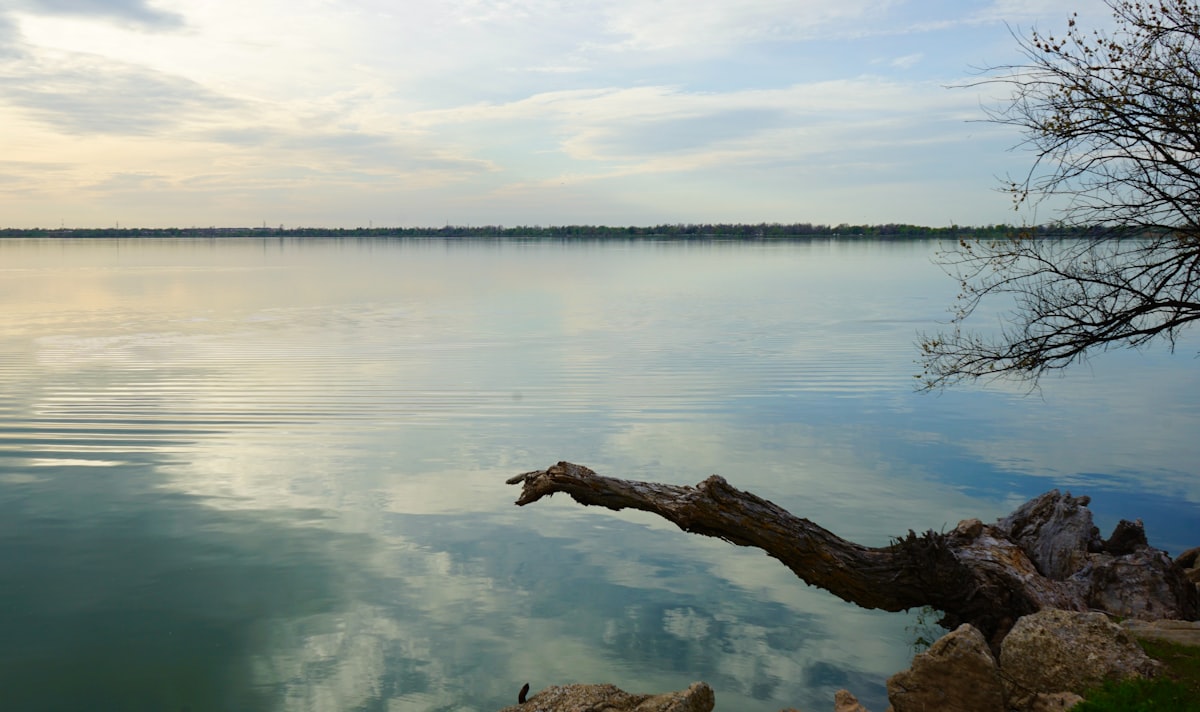
Lake Texoma sits on the Red River along the Oklahoma-Texas border, 89,000 acres of water that holds more species than most anglers can name. But the fish that defines Texoma is the striped bass, and the reason is unique: Lake Texoma is one of the few reservoirs in the United States where striped bass reproduce naturally in freshwater.
Most lakes that hold stripers depend on stocking, the fish can't complete their life cycle without the ocean's salt water. But the Red River and Washita River flowing into Texoma provide the right combination of current, temperature, and substrate for striped bass to spawn successfully every spring. The population sustains itself, which means the striper fishing is consistent, renewable, and genuinely wild.
Striped Bass, The Signature Fish
Texoma stripers average 5 to 15 pounds, with fish over 20 caught regularly and the occasional striper pushing 30. They're powerful, open-water predators that school on the lake's main channel, around the dam, and over the deeper flats where shad congregate.
Fishing techniques vary by season. Spring (March through May) is the spawning run, stripers push up the Red River and Washita River, and the fishing in the river channels is fast. Summer moves the fish to the deeper water around Denison Dam and the main-lake structure, where trolling and live-bait fishing produce. Fall scatters the fish across the lake as they chase shad, and the topwater bite, stripers busting bait on the surface, is the most exciting fishing of the year. Winter concentrates fish in the deeper holes where they're catchable on slabs and live bait.
The striper guide fleet on Texoma is large and specialized. Most guides fish from 24- to 28-foot bay boats rigged with live wells for shad (the primary bait), electronics for locating schools, and the heavy tackle needed to handle 20-pound fish in open water.
Largemouth and Smallmouth Bass
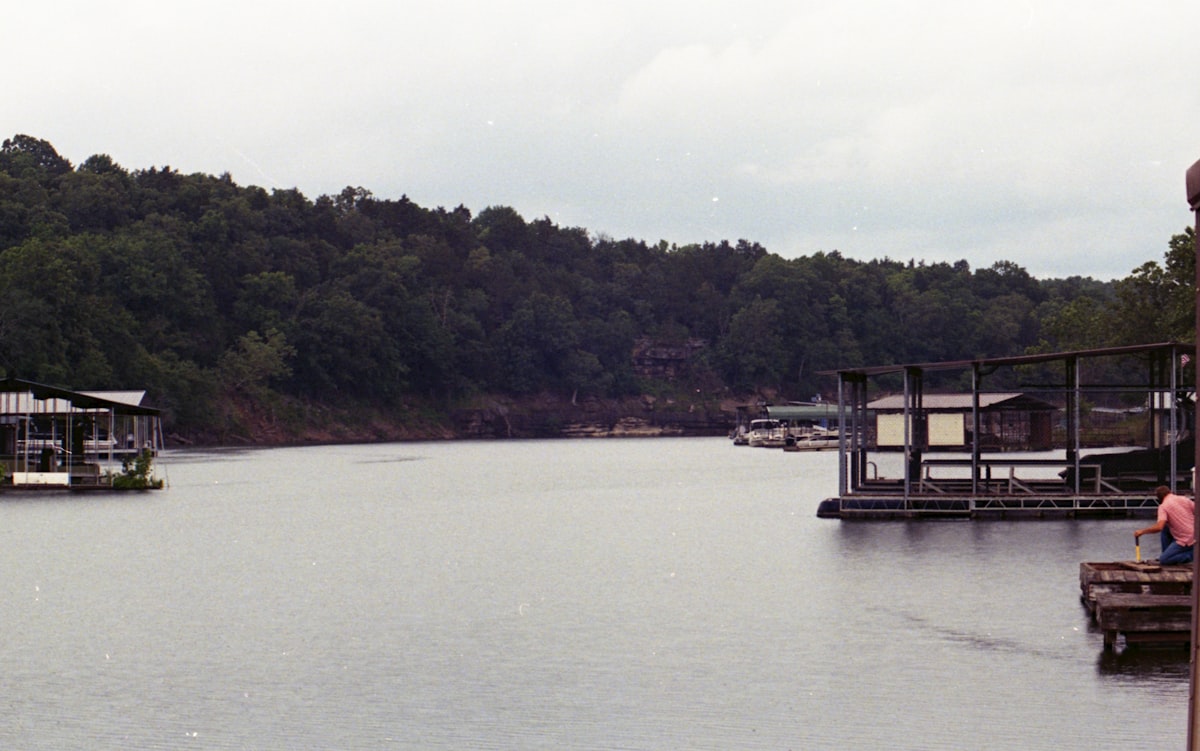
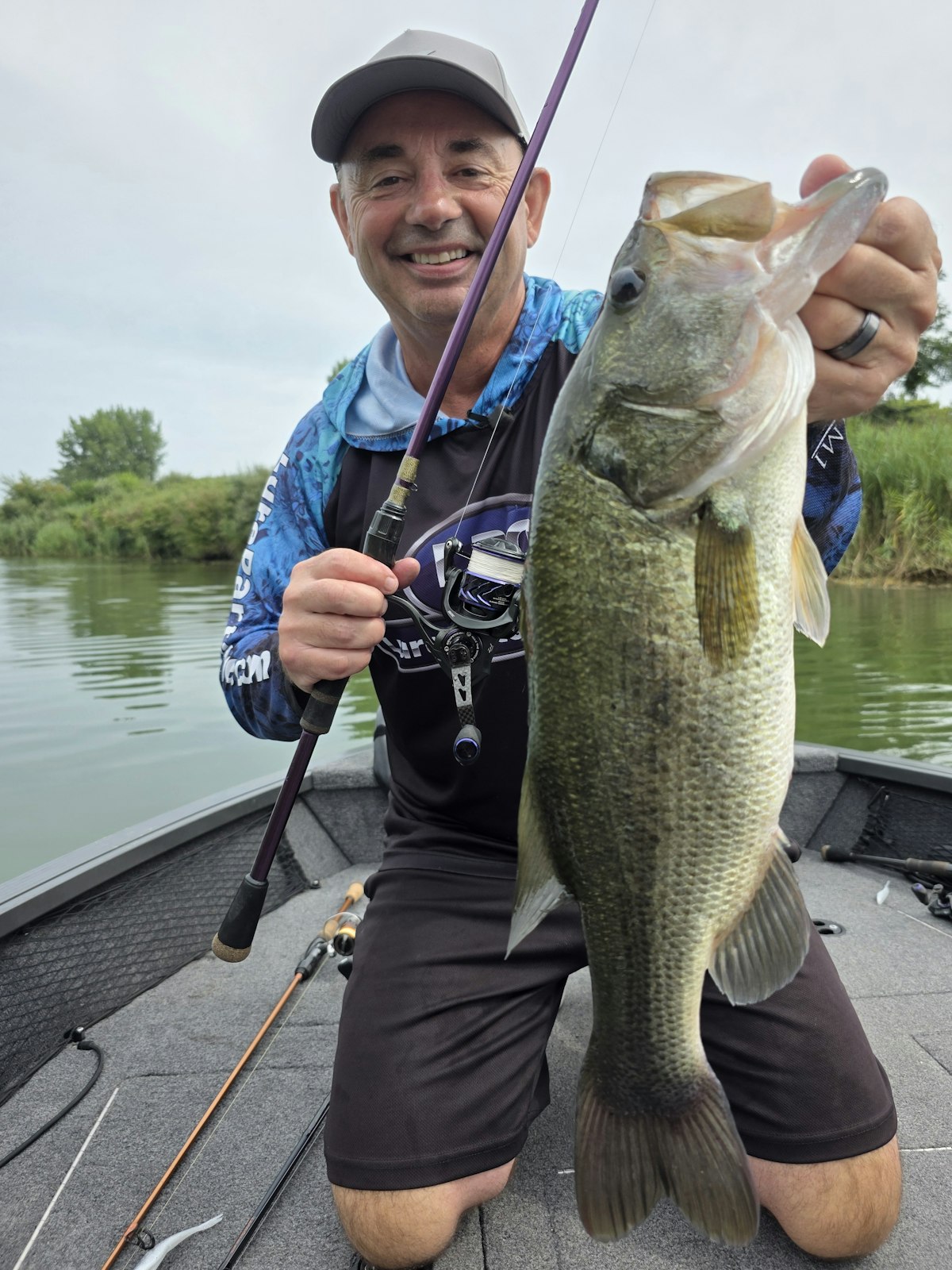
Texoma holds strong largemouth bass populations in the creek arms, coves, and around the extensive dock and brush-pile structure. The lake's stained water and brush-rich shorelines are textbook largemouth habitat, and fish of three to five pounds are common.
Smallmouth bass hold on the rocky points and deeper main-lake structure, they're less numerous than largemouth but fight harder per pound and grow to trophy size in Texoma's deep, clear main-lake water.
Blue Catfish, The Growing Giant
Blue catfish have become a major fishery on Texoma. The lake produces blues of 20 to 60 pounds regularly, with fish over 80 caught every season. The catfish hold in the river channels, around the deeper structure, and near the dam, and they respond to fresh-cut shad and live bait on heavy tackle.
The catfish fishery is year-round, with the best action in the warmer months when the fish are most active. Winter produces fewer bites but bigger average fish.
Crappie, The Numbers Game
Crappie fill the brush piles, standing timber, and boat docks throughout Texoma's creek arms. Fall and winter are the best seasons, when crappie school in large numbers around deep structure. Small jigs and minnows produce limits of 10- to 13-inch fish, and the eating is outstanding.
When to Go
- March–May: Striper spawning run in the rivers, bass spawn in the coves, white bass running, the most diverse window
- June–August: Stripers at the dam, catfish active, bass on deeper structure
- September–November: Fall topwater striper action, crappie schooling, the most exciting fishing
- December–February: Deep-hole stripers, trophy catfish, crappie in the brush, the quiet season