Fish
Fish Fire
Fire Hike
Hike Bird
Bird

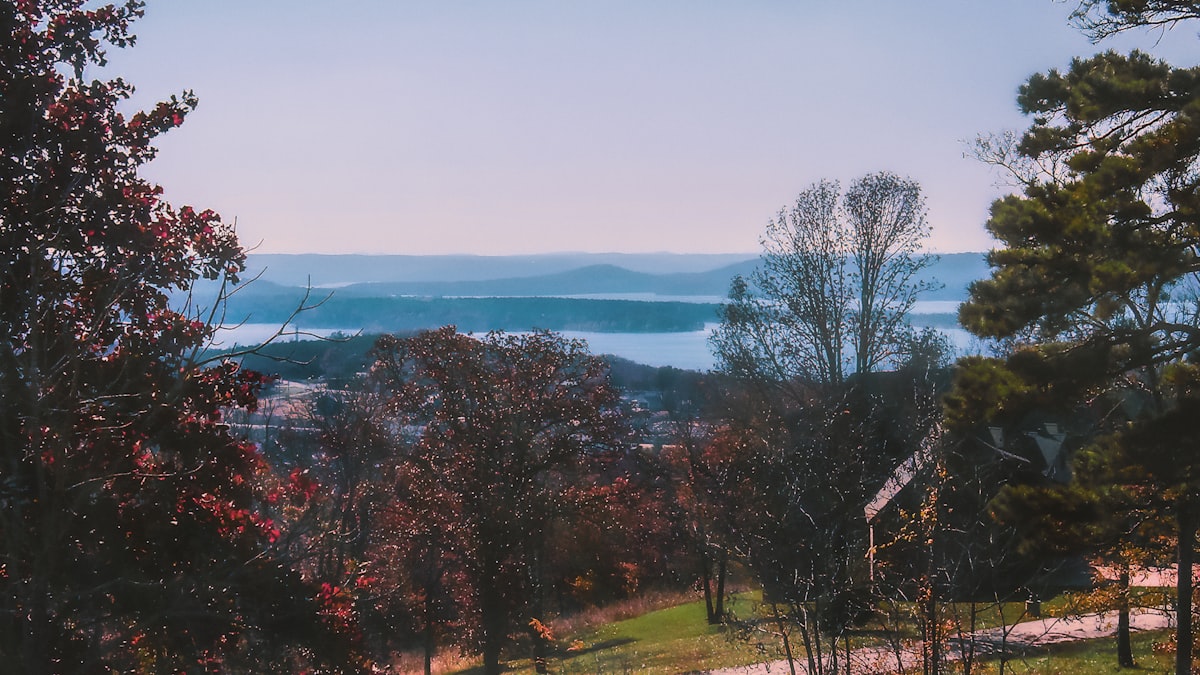

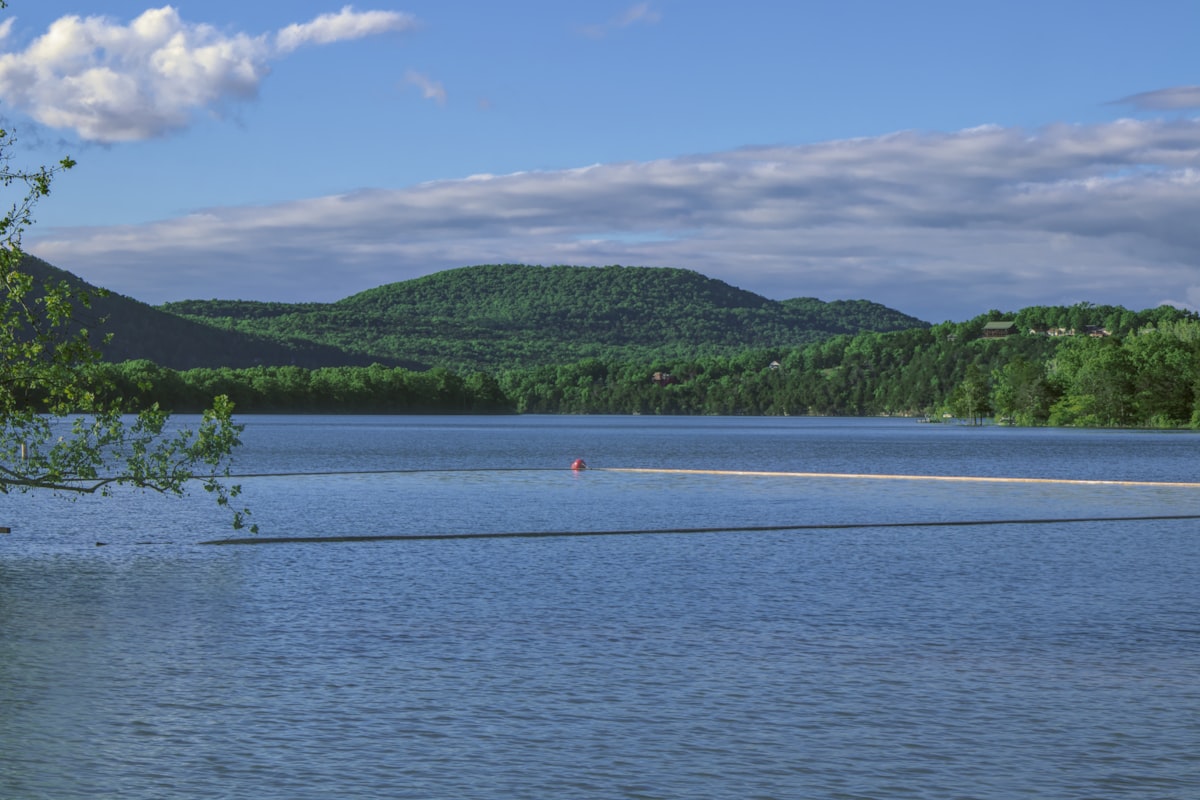
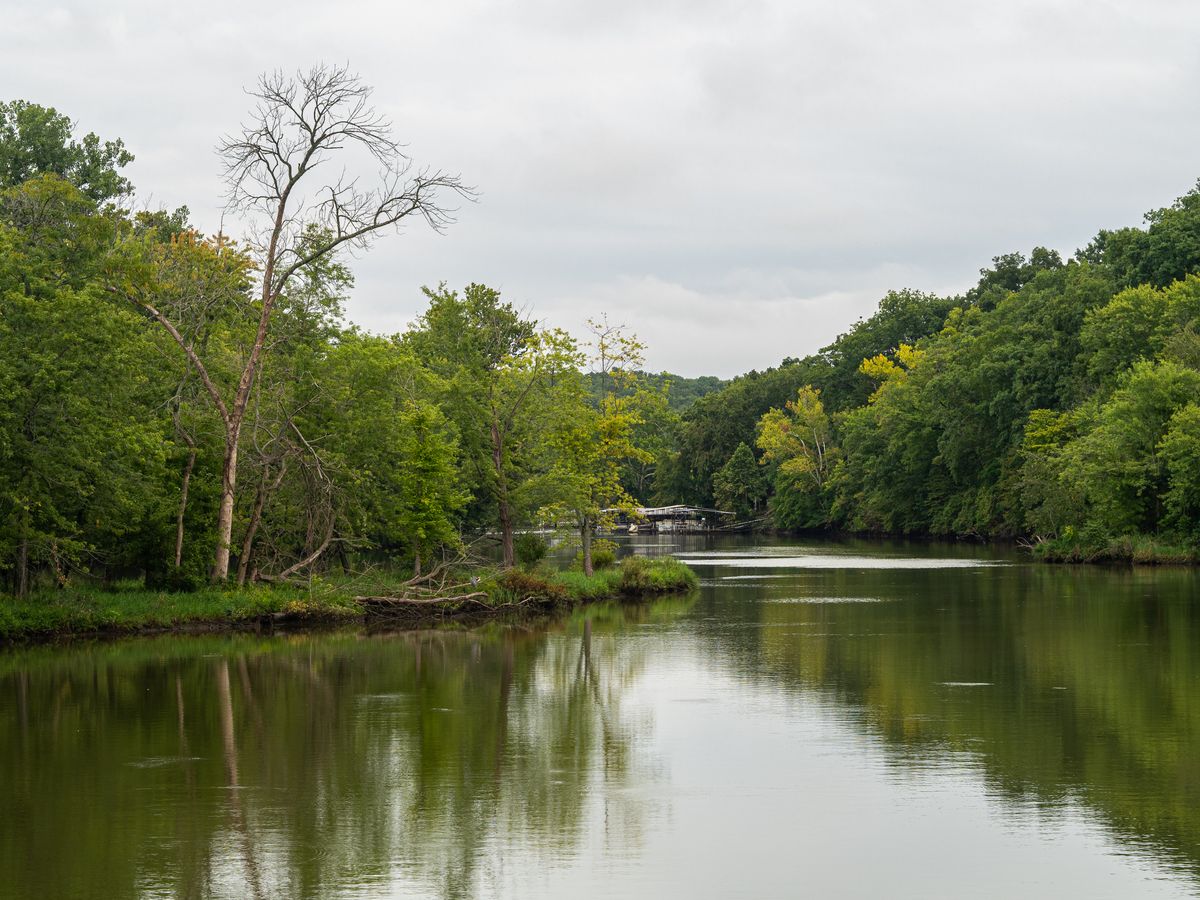
Branson, Missouri sits in the Ozark Mountains between two of the best fisheries in the Midwest, and they could not be more different. Table Rock Lake is a 43,000-acre impoundment with deep, clear water, steep bluff walls, and a bass population that draws Bassmaster and Major League Fishing tournaments year after year. Largemouth, smallmouth, spotted bass, and a nasty hybrid called the mean mouth all live here, along with walleye, crappie, and catfish. Then directly below Table Rock Dam, the cold water pouring out of the bottom of the reservoir creates Lake Taneycomo, a 22-mile tailwater that the Missouri Department of Conservation stocks with over half a million rainbow trout annually, plus brown trout that grow to trophy size in the cold, clear current.
The two lakes are connected by a dam and separated by about 30 degrees of water temperature. You can fish for 5-pound largemouth on a summer morning and 20-inch rainbow trout the same afternoon without driving more than 15 minutes. That combination is what makes Branson a fishing destination, not just a vacation town.
If you have fished Lake of the Ozarks, the bass techniques translate, but Table Rock is clearer, deeper, and more structure-oriented. If you have fly fished in the Smokies or Jackson Hole, Taneycomo will feel familiar but more accessible, the fish are stocked, the access is easy, and you do not need to hike to find them.
Table Rock Lake: The Bass Fishery
Table Rock is a tournament-quality bass lake. The water clarity is exceptional, 10 to 20 feet of visibility is normal, and the lake's structure is classic Ozark reservoir: rocky bluffs dropping into 80-foot channels, submerged timber, long gravel points, and creek arms that funnel baitfish. The bass relate to this structure year-round, moving shallow in spring and fall and deep in summer and winter.
Species Breakdown
Largemouth bass are the marquee species. Fish average 2 to 4 pounds with 5-pounders common and occasional 8-pound fish caught each season. They hold on submerged wood, docks, and the backs of creek arms.
Smallmouth bass live on the main lake's rocky bluffs and points, particularly in the clearer water on the dam end. Average 2 to 3 pounds, with 4-pounders not uncommon. Pound for pound, the hardest-fighting bass in the lake.
Spotted bass (Kentucky bass) are the most numerous bass in Table Rock. They school in open water and on deep structure, averaging 1 to 2 pounds but consistently catchable in big numbers. Tournament anglers targeting limits often rely on spotted bass.
Mean mouth bass, a smallmouth-spotted bass hybrid, are a Table Rock specialty. They fight like a smallmouth and school like a spotted bass. Not common everywhere, but Table Rock has a significant population.
Walleye run the upper end of the lake and the James River arm. Spring (March through May) is prime, when walleye move up tributaries to spawn. Fish average 2 to 5 pounds with an occasional 8-pounder.
Crappie stack in standing timber and brush piles throughout the lake, especially in spring. White and black crappie both present, averaging 10 to 14 inches.
Bass Techniques That Win Tournaments
The pros who fish Table Rock repeatedly come back to a few core presentations:
Drop-shot rigs are the single most effective technique on Table Rock's clear water. A 1/4- to 3/8-ounce tungsten weight with a size 1 hook, 10 to 14 inches of tag, and a Roboworm Straight Tail Worm in morning dawn or Aaron's magic. Cast to bluff walls, points, and brush piles in 15 to 40 feet. The clear water means the fish can see your bait from a distance, the drop-shot keeps it in the strike zone hovering naturally.
Jerkbaits (Megabass Vision 110, Lucky Craft Pointer 100, Rapala Shadow Rap) are deadly in spring and fall when bass are shallow and chasing shad. Work them with a snap-pause cadence, three sharp twitches, then a 3- to 5-second pause. The pause is where the bite happens. Table Rock's clear water rewards natural colors: ghost minnow, sexy shad, and ayu.
Crankbaits, specifically the wiggle wart (Storm Wiggle Wart in crawdad or phantom green), are a Table Rock tradition. Slow-roll them along rocky banks and bluff walls in 5 to 12 feet. The irregular wobble and deflection off rocks trigger reaction strikes from fish that would ignore a finesse bait.
Ned rigs with a Z-Man TRD on a 1/5-ounce Ned head work year-round on Table Rock. Cast to rock transitions and let it sit. The compact profile and stand-up posture on the bottom trigger bites from all four bass species.
Umbrella rigs (Alabama rigs) are legal on Table Rock and devastate schooling spotted bass in the fall. A 5-wire rig with 3.3-inch Keitech swimbaits in shad colors, retrieved at medium speed through open water over submerged humps and channel swings. Check current regulations, Missouri limits the number of hooks.
Drop Shot Bass Fishing Table Rock Lake with Pat Schlapper The Ultimate Guide to Table Rock Lake Bass FishingGear for Table Rock Bass
Spinning setup (finesse): 7-foot medium-light spinning rod, 2500-size reel, 8-pound braid with 6- to 8-pound fluorocarbon leader. For drop-shot, Ned rig, and shaky head. A Shimano Stradic FL 2500 or Pflueger President handles the job.
Casting setup (reaction baits): 7-foot medium-heavy baitcasting rod, gear ratio 6.3:1 or 7.1:1, 12- to 15-pound fluorocarbon. For jerkbaits, crankbaits, and umbrella rigs. Shimano SLX DC or Abu Garcia Revo SX.
Fluorocarbon is mandatory. Table Rock's water clarity means the fish see everything. Braid-to-fluoro leader on spinning, straight fluoro on casting. Seaguar InvizX 8-pound (spinning) and Seaguar AbrazX 12-pound (casting) are the standards.
Where to Fish on Table Rock
Indian Point, the most famous bass fishing area on the lake. Long gravel points with deep water access, holding all four bass species. Fish the points with drop-shots and jerkbaits.
The dam area, deepest, clearest water. Smallmouth bass on the bluff walls. Vertical presentations (drop-shot, spoons) in 30 to 60 feet during summer.
James River arm, the most fertile arm of the lake, stained water, heavy brush. Largemouth bass, crappie, and walleye. Spinnerbaits, crankbaits, and jig-and-trailer in the stained water.
Kings River arm, clear water, steep bluffs, excellent smallmouth and spotted bass. Similar to the dam end but less pressured.
Cricket Creek and Long Creek, mid-lake creek arms with good dock fishing for largemouth and brush piles for crappie.
Walleye Tactics
Walleye fishing on Table Rock is a spring affair. March through May, walleye stage on gravel bars and run up the James River arm and White River arm. Trolling crankbaits (Rapala Shad Rap in silver/blue, Berkley Flicker Shad in firetiger) at 1.5 to 2.5 mph along channel edges in 15 to 30 feet is the standard approach. Vertical jigging with 1/4- to 3/8-ounce jigs tipped with minnows or Gulp! leeches over gravel transitions also produces, especially at dawn and dusk.
Bass Fishing Grand Slam on Table Rock LakeLake Taneycomo: The Trout Fishery
Walk 100 yards from the Table Rock Dam boat ramp down to the Taneycomo shoreline, and you are in a completely different world. The water coming out of the bottom of Table Rock Dam is 45 to 55 degrees year-round, perfect trout water. Lake Taneycomo is technically a reservoir on the White River, but it fishes like a tailwater river in its upper reaches (fast current, wading access) and like a deep lake in its lower reaches (still water, boat fishing).
The Missouri Department of Conservation stocks approximately 575,000 rainbow trout and 15,000 brown trout annually. Rainbows average 10 to 14 inches with fish up to 20 inches. Brown trout are the trophy targets, they grow large in the cold, food-rich water, with fish over 20 inches caught regularly and the occasional 5-pounder that makes the local reports.
Where to Fish on Taneycomo
The Trophy Area (dam to US-65 bridge): Special regulations apply, trout stamp required, all methods allowed, but brown trout must be 20 inches or longer to keep. This is where the biggest fish live. The water is coldest and fastest here, with deep runs, ledges, and current seams that hold rainbows and browns.
Shepherd of the Hills Fish Hatchery area: Adjacent to Table Rock Dam, the hatchery outflow adds nutrients and attracts trout. Very accessible, very popular.
Fall Creek access: Wade-in access with good current and structure. Less crowded than the dam area.
Lilleys' Landing and below: The lake widens and the current slows. Boat fishing with drift rigs and trolling small spoons is effective here. The trout spread out and hold in deeper water.
Trout Techniques
Fly fishing: This is the premier technique on Taneycomo. An olive scud (size 14-16) drifted below a strike indicator is the go-to presentation, it imitates the amphipods that trout feed on constantly in the cold water. Czech nymphing with a pair of scud patterns in tandem is deadly in the faster current near the dam. When generation is off and the water drops, dry flies (size 18-20 midges, BWOs) can produce. A 9-foot 4-weight fly rod (Orvis Clearwater or Echo Base) with a weight-forward floating line handles everything.
Micro jigs: For spin anglers, 1/64- to 1/32-ounce marabou jigs in white, pink, olive, or chartreuse under a small float are the Taneycomo standard. Set the float 2 to 3 feet above the jig and drift it through current seams and runs. The Lindy Little Nipper and Trout Magnet are local favorites.
PowerBait and dough baits: Drift rigs with a 1/4-ounce egg sinker, 18-inch leader, and a size 12 bait hook with Berkley PowerBait (chartreuse or rainbow) fished on the bottom. Simple, effective, and the best method for beginners.
Small spinners: A 1/8-ounce Panther Martin or Rooster Tail in gold or silver, cast upstream and retrieved just fast enough to feel the blade turn. Covers water quickly and finds active fish.
Gear for Taneycomo Trout
Spinning: A 5'6" to 6'6" ultralight rod with a 1000-size reel, 4-pound monofilament or 2- to 4-pound fluorocarbon. The lighter line is critical when generation is off and the water is gin-clear, 2-pound test with 4-pound backing if you're not comfortable with ultralight gear. A Pflueger Trion or Shimano Sienna combo in ultralight handles it.
Fly fishing: 9-foot 4-weight rod, weight-forward floating line, 9-foot 5X leader. Tippet down to 6X when the water is clear and low. Bring a selection of olive scuds (14-16), San Juan worms (red, size 12), zebra midges (18-20), and a few Woolly Buggers (olive, size 10) for browns.
Trout Fishing Lake Taneycomo Secrets with Phil Lilley Fishing Tips on Table Rock Lake, Branson, MissouriGeneration Schedule and Water Flow
The single most important factor on Taneycomo is generation, when the Army Corps of Engineers runs water through Table Rock Dam for power generation. When generators are running, the water rises, the current increases, and trout feed aggressively. When generation stops, the water drops and clears, and the fish become spookier.
Check the Corps of Engineers' Table Rock Dam generation schedule before you go. The Southwest Power Administration publishes hourly generation forecasts. Locals call the Branson power generation hotline or check the USGS stream gauge online. Plan your Taneycomo trips around generation, the best fishing is during the first hour of rising water and continues through generation. When the water drops, switch to lighter line and smaller presentations.
Table Rock Lake itself is not affected by generation in the same way, it is a reservoir that stays relatively stable. Generation matters only for Taneycomo.
Fishing License and Regulations
Missouri requires a fishing permit for anyone 16 and older. The permit year runs March 1 through February 28.
| License Type | Cost |
|---|---|
| Resident annual | $12 |
| Nonresident annual | $49 |
| Nonresident 3-day | $21 |
| Nonresident daily | $9 |
| Trout stamp (required for Taneycomo) | $7 |
Table Rock Lake regulations: Standard Missouri statewide limits. Black bass daily limit is 6, only 1 may be a largemouth over 20 inches. Walleye daily limit is 4. Crappie daily limit is 15.
Taneycomo regulations (Trophy Area, dam to US-65 bridge): Trout stamp required for all anglers. Daily limit 4 trout (possession 8). Only 1 brown trout per day, minimum 20 inches. Barbless hooks recommended in the catch-and-release zone at the dam.
Note: Table Rock Lake straddles Missouri and Arkansas. If you fish the southern arms (particularly near the state line), you may need an Arkansas license. Most anglers stay in Missouri waters, but check the map if you are fishing the Beaver Creek arm or far southern points.
When to Come
March-May (Spring): The best all-around season. Bass spawn on Table Rock, largemouth on shallow flats, smallmouth on gravel points. Walleye run up the river arms. Taneycomo trout are active as generation increases with spring runoff. 30 to 50 fish days are not uncommon on either lake.
June-August (Summer): Bass go deep on Table Rock, 20 to 40 feet on main lake points and ledges. Drop-shot and deep crankbaits dominate. Taneycomo trout fishing remains excellent year-round since the water stays cold. Summer is peak tourist season in Branson, boat traffic increases on Table Rock.
September-November (Fall): Bass move shallow on Table Rock to feed on shad. Topwater and jerkbaits produce explosive strikes. The spotted bass schooling bite on umbrella rigs is a fall highlight. Taneycomo brown trout become more aggressive as days shorten.
December-February (Winter): Fewer anglers, bigger fish. Table Rock produces its largest bass and walleye in winter for anglers willing to fish deep and slow. Taneycomo trout fishing is excellent, cold water means higher dissolved oxygen and more active fish. Dress warm.
Access and Boat Launches
Table Rock Lake: Over 20 public boat ramps managed by the Corps of Engineers and Missouri Department of Conservation. State Park Marina (Table Rock State Park), Indian Point Marina, and Port of Kimberling are the most popular. Launch fees vary, most are $5-10 or free with a state park pass.
Lake Taneycomo: Lilleys' Landing, Fall Creek access, Shepherd of the Hills Hatchery, and Cooper Creek provide shore and wading access. Several marinas rent boats for lake fishing on the lower end. No boat needed for the trophy area near the dam, wade or fish from the bank.
Rentals: Multiple marinas on both lakes rent bass boats, pontoons, and kayaks. Full-day bass boat rentals run $200-350. Kayak rentals are $30-50/day.
Charter fishing: Table Rock bass guides charge $300-500 for a half-day (1-2 anglers). Taneycomo trout guides run $250-400 for a half-day including gear and flies. Both are well worth it for first-timers, the local knowledge on Table Rock's seasonal patterns and Taneycomo's generation timing makes a measurable difference.
Practical Details
Getting there: Branson is in southwest Missouri, about 4 hours from Kansas City, 3.5 hours from St. Louis, 3 hours from Tulsa, and 3.5 hours from Little Rock. Springfield-Branson National Airport (SGF) is 45 minutes north.
What to bring: Polarized sunglasses (essential for the clear water), sunscreen, rain gear (Ozark weather changes fast), and a cooler if you plan to keep fish. For Taneycomo wading, bring quick-dry pants and wading boots or Crocs with good grip, the rocks are slick.
Food and lodging: Branson has abundant hotels, resorts, and vacation rentals ranging from budget to upscale. Silver Dollar City and the Branson entertainment strip mean there is no shortage of restaurants. Off-season (November through February) rates are lowest and coincide with good fishing.