Fish
Fish Fire
Fire Hike
Hike Bird
Bird

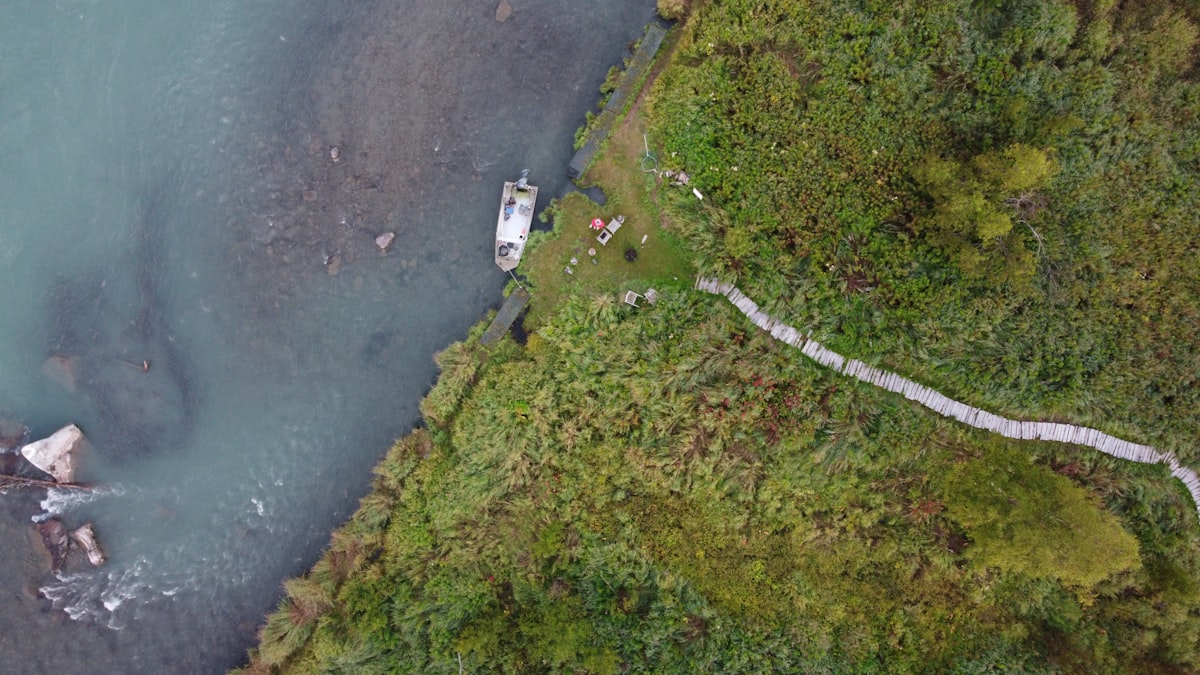

The Kenai River flows 80 miles from Kenai Lake through the spruce forests of the Kenai Peninsula to Cook Inlet, and it is, by almost any measure, the most famous fishing river in Alaska. The world-record king salmon, 97 pounds, 4 ounces, came from the Kenai. The sockeye runs exceed a million fish in good years. The rainbow trout grow as large as anywhere on Earth. And all of it is accessible by road from Anchorage, two and a half hours north.
The fishing here follows the runs. Five species of Pacific salmon enter the Kenai on a schedule that stretches from May through October, and between the salmon runs, the rainbow trout fishing is world-class. Understanding the calendar is the key to planning a Kenai trip.
The First King Run, May Through Mid-June
The first king salmon (chinook) enter the Kenai in early May, pushing upstream from Cook Inlet toward their spawning grounds. These are smaller on average than the second run, 20 to 40 pounds, but they're fresh, chrome-bright, and hard-fighting fish that arrive when the river is uncrowded.
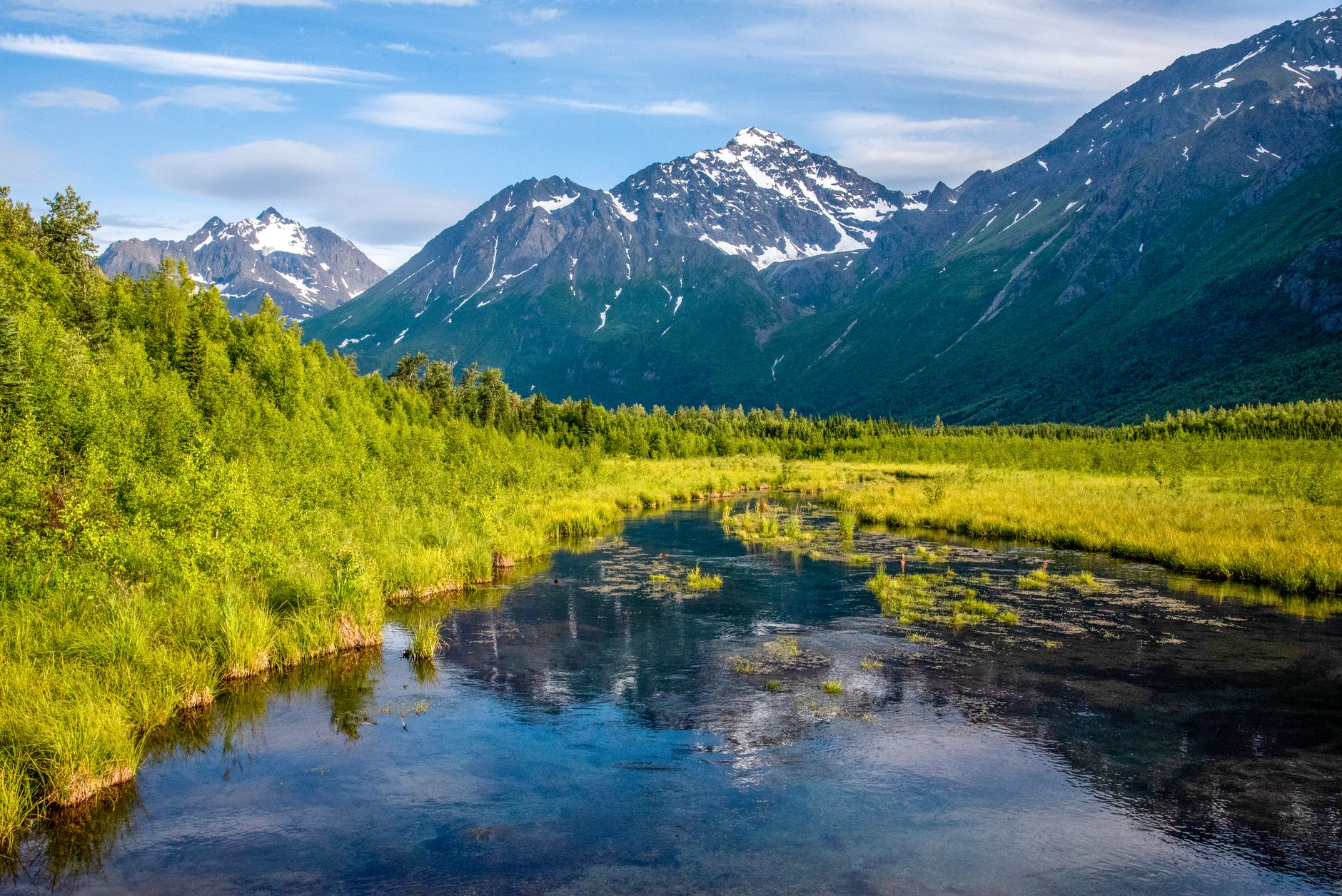
The first run peaks in mid-June on the upper river near Cooper Landing. Anglers work these waters from drift boats, back-trolling plugs and spinners through the deep holes and runs where kings hold. The upper Kenai is turquoise-green glacial water, flowing through a canyon with mountains rising on both sides, the scenery alone justifies the trip.
The Second King Run, July
The second run of king salmon is the main event. These are the fish the Kenai is famous for, big, powerful chinook that average 30 to 50 pounds, with fish over 60 pounds caught every season and the occasional monster pushing 80. The world record came from this run, and many guides believe the next one will too.
The second run enters the lower river in July and pushes upstream through the month. Fishing pressure is intense, the banks of the lower Kenai become "combat fishing" zones where shoulder-to-shoulder anglers cast into the same water. Guided drift-boat trips avoid the worst of the crowds by accessing mid-river sections and timing the tides.
Techniques include back-trolling plugs, bouncing eggs and beads along the bottom, and drifting cured salmon roe. The take of a 50-pound king in the Kenai's strong current is an event, the fish runs downstream, the guide chases in the boat, and the fight can last 30 minutes or more.
Sockeye Salmon, July Through August
The Kenai's sockeye (red) salmon run is enormous, over a million fish in peak years. The run begins in early July, peaks later in the month, and continues into mid-August. Kenai River sockeye average eight to twelve pounds, larger than most Alaska sockeye, and they fight hard on light tackle.
Sockeye fishing on the Kenai uses a specialized technique called the "Kenai Flip", a weighted fly or lure is cast upstream and allowed to drift through the packed schools of fish. It's a bank-fishing game, accessible to anyone, and when the run is at peak, limits come quickly.
The sockeye run is the most accessible fishing on the Kenai, no boat required, no guide required, and the fish are plentiful. It's an excellent option for families and first-time Alaska visitors.
Silver Salmon, August Through October
Silver salmon (coho) enter the Kenai in August and continue through October, providing the last major salmon run of the season. Silvers average 8 to 12 pounds, are acrobatic fighters that jump repeatedly, and respond to a wider variety of techniques than kings or sockeye, spinners, spoons, flies, and eggs all work.
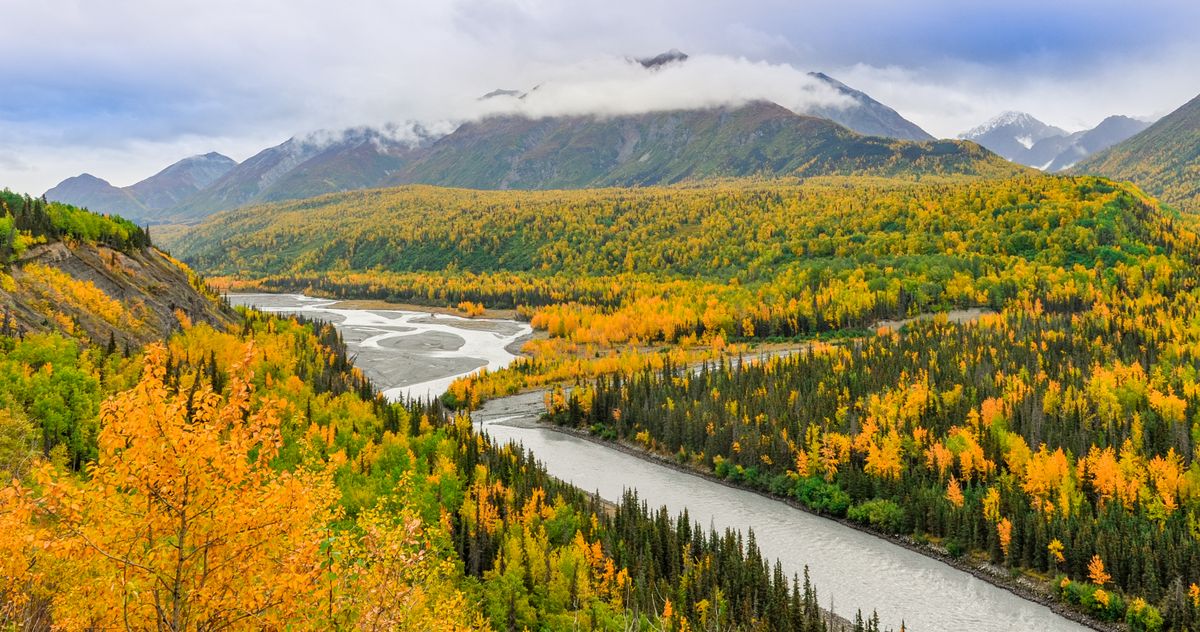
The silver run is less crowded than the king and sockeye peaks, and the fall weather, cool, crisp, with the birch trees turning gold, makes it one of the most pleasant times to fish the Kenai.
Rainbow Trout, The Year-Round Fishery
The Kenai River's rainbow trout are the largest river-dwelling rainbows in the world. Fish of 15 to 20 pounds are caught every season, and the average Kenai rainbow runs five to eight pounds, trophy-sized by any other river's standards.
The trout fishing peaks in two windows: late June through July, when rainbows feed on salmon eggs during the king run, and September through October, when the sockeye carcasses and egg deposits from the spawning run feed the trout into peak condition.
Fly fishing with egg patterns, flesh flies, and bead-head nymphs is the most popular technique, but spin anglers catch plenty of trout on small spinners and egg clusters. The upper Kenai near Cooper Landing is the primary trout water, catch-and-release regulations protect the trophy population.
Halibut, Cook Inlet
The Kenai Peninsula's saltwater fishery adds halibut to the menu. Charter boats run from the town of Kenai, Seward, and Homer into Cook Inlet and the Gulf of Alaska, targeting halibut that commonly reach 50 to 100 pounds, with fish over 200 pounds caught every season.
Many visitors combine a river salmon trip with a halibut charter, the Kenai Peninsula is one of the few places where you can realistically catch a 50-pound king salmon and a 100-pound halibut in the same week.
When to Go
- May–June: First king run on the upper river, early season solitude
- July: Second king run (the big fish), sockeye peak, the busiest month
- August–September: Silver salmon, rainbow trout on eggs, excellent and less crowded
- October: Late silvers, peak rainbow trout on flesh flies, the quiet season