Homer Fishing: The Halibut Capital of the World and the Spit That Makes It Work
← All field notes

Homer · Alaska

Homer Fishing: The Halibut Capital of the World and the Spit That Makes It Work

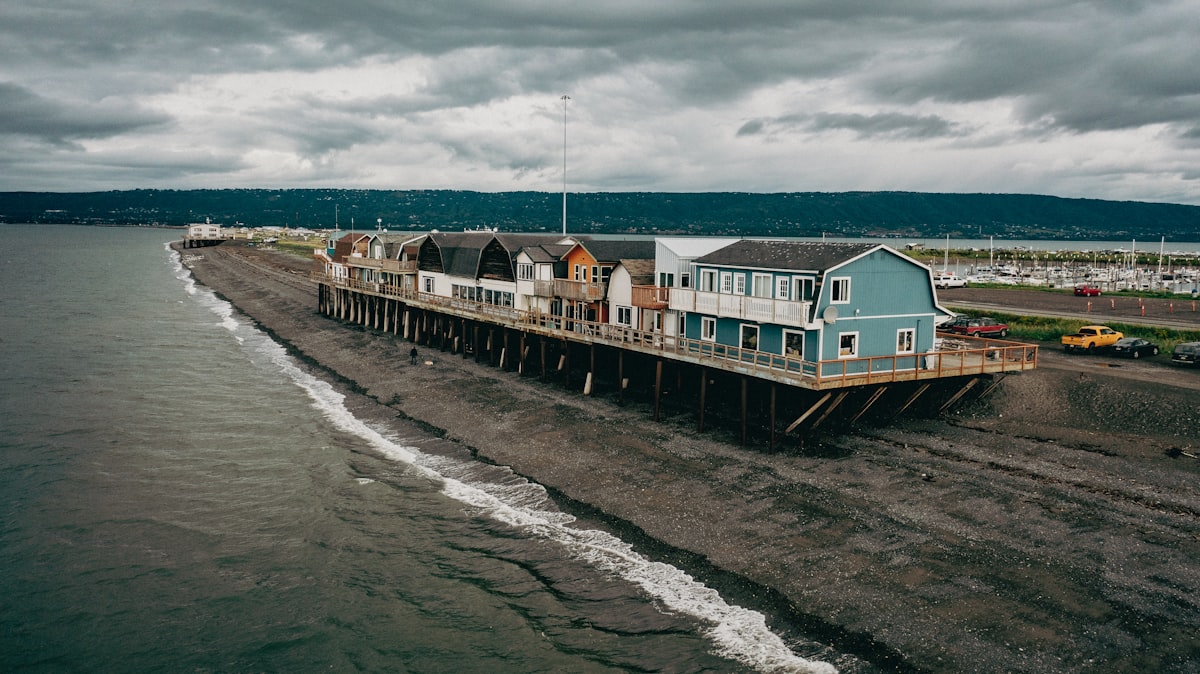
Homer sits at the end of a four-mile gravel spit jutting into Kachemak Bay, and the halibut fishing from this little town has earned it a title that's hard to argue with.

Colin Van Dyke

Colin Van Dyke

Homer, Alaska sits at the end of the Sterling Highway on the southwestern Kenai Peninsula, where a four-mile gravel spit extends into Kachemak Bay like a natural pier pointed at the fishing grounds. The town calls itself the Halibut Capital of the World, and while plenty of Alaska towns catch halibut, Homer's combination of access, productivity, and sheer volume of fish makes the claim stick.

The Homer Spit is the departure point. The charter fleet, dozens of boats ranging from six-packs to larger vessels, launches from the small boat harbor at the end of the spit, and Kachemak Bay's halibut grounds begin immediately. You're fishing within 20 minutes of leaving the dock.

Halibut, The Foundation

Halibut are the reason most people come to Homer, and the fishery delivers. Kachemak Bay and Cook Inlet hold enormous populations of Pacific halibut that range from 20-pound "chickens" to 100-pound "soakers" to the occasional barn door over 200 pounds.

The technique is bottom fishing in its purest form: anchor the boat over productive structure in 100 to 300 feet of water, drop a heavy jig or herring rig to the bottom, and work it. The rod loads, you set the hook, and then the fight begins, halibut use their broad, flat bodies to resist the pull, and bringing a big one up from depth is a genuine physical challenge.

May is the opening month, and it's one of the best. Commercial boats haven't yet started fishing, so there's less pressure on the resource. Big halibut are more available early in the season, and the May fishing is often the year's best for trophy-sized fish.

June through August is peak charter season. The fish are consistent, the weather is the most reliable, and the long Alaska daylight hours mean full-day trips cover an enormous amount of water. Halibut limits are tightly regulated by the IPHC (International Pacific Halibut Commission), and the regulations change annually, your captain will know the current rules.

September is the hidden gem. The summer crowds thin out, the halibut are feeding heavily to build fat reserves before their winter migration, and the fall light over Kachemak Bay is spectacular. Fish are often larger on average in September than in the peak summer months.

King Salmon, May and June

Homer's king salmon fishery doesn't get the attention of the Kenai River, but it's excellent. Kings push through Cook Inlet in May and June, and the charter fleet targets them by trolling herring and hoochies in the waters off the Spit and across the bay.

Fish average 20 to 40 pounds, with kings over 50 landed every season. The May king bite, combined with early-season halibut, makes a Homer trip in late May one of the best two-for-one options in Alaska, big kings and big halibut on the same day.

Silver Salmon, August and September

Silver salmon fill Kachemak Bay and the nearby streams in August and September. They're caught both in the salt (trolling in the bay) and in the fresh (casting in the rivers and streams around Homer). Silvers are the best fighters pound-for-pound among the Pacific salmon, explosive jumps, long runs, and a refusal to quit.

The combination of late-season silvers, September halibut, and fall foliage makes this the most underrated window in the Homer calendar.

Rockfish and Lingcod

Every halibut trip is also a rockfish trip. The volcanic reefs and rocky pinnacles in Kachemak Bay hold yelloweye rockfish (also called red snapper locally), black rockfish, quillback rockfish, and lingcod. Yelloweye are the prize, brilliant orange fish with outstanding flavor that live in deep, rocky structure.

Rockfish are typically caught as bycatch on halibut rigs, but captains who know the pinnacles can target them specifically. Lingcod are ambush predators that eat whole herring and jigs with aggression, hooking one feels like snagging the bottom until the bottom starts moving.

Kachemak Bay, Beyond the Fishing

Homer's setting amplifies the fishing experience. Kachemak Bay is ringed by glaciers, volcanic peaks, and spruce-covered islands. Sea otters float on their backs in the kelp. Puffins nest on the rock faces of Gull Island. Eagles perch on every available surface. Whales, humpback and orca, pass through the bay regularly.

The town itself has a character that's part fishing village, part arts community, galleries, restaurants, and the Salty Dawg Saloon on the Spit, where you dollar-bill the walls and swap fish stories.

When to Go

  • May: Early halibut (often the biggest of the year), king salmon, uncrowded
  • June–July: Peak season, halibut consistent, kings through June, longest days
  • August: Silver salmon arrive, halibut still strong, combination trips
  • September: Trophy halibut, late silvers, fall colors, the locals' favorite month
Recommended gear

  • Penn Squall II 30 Lever Drag

    Mid-tier, Homer halibut in Kachemak Bay

  • Ugly Stik Tiger Elite 6' Heavy

    Entry level, halibut rod that takes abuse

  • Shimano Torium 20 Conventional

    Premium, powerful for 100+ lb halibut

  • Okuma SST Spinning Rod 9'6" MH

    Entry level, Homer Spit silver salmon

  • Mustad Demon Perfect Circle 10/0

    Heavy halibut circle hook

  • Pixee Spoon 7/8oz Neon Green

    Silver salmon from the Homer Spit

Frequently asked

Do you need a fishing license in Homer, Alaska?

Yes, Alaska requires a sport fishing license; non-residents buy 1-day ($25), 3-day ($45), 7-day ($70), or annual (~$145) licenses online or at the Homer Spit, plus a king salmon stamp to target kings. On most charters you buy your own license rather than it being included.

How much does a Homer halibut charter cost?

A full day of guided halibut fishing out of Homer typically runs about $300 to $425 per person on a six-pack charter, with gear, bait, and cleaning included. Combo halibut-and-salmon or long-range trips to deeper water cost more, and fish processing and shipping are add-ons.

Why is Homer called the Halibut Capital of the World?

Homer sits on a spit jutting into Kachemak Bay, with halibut grounds starting 20 minutes from the dock. The combination of enormous halibut populations, easy access, and a large charter fleet produces more halibut fishing trips than almost any other port in Alaska.

How big do halibut get in Homer?

Most halibut caught on Homer charters range from 20 to 100 pounds. Fish over 100 pounds are caught regularly, and barn doors over 200 pounds are landed every season. May tends to produce the largest fish of the year before commercial boats start fishing.

When is the best time to fish Homer?

May for trophy halibut and king salmon with fewer crowds. June and July for peak charter availability and consistent fishing. August adds silver salmon. September is the locals' favorite, big halibut feeding for winter, late silvers, and spectacular fall scenery.

Can you catch salmon and halibut on the same trip?

Yes, combination trips are the Homer standard. In May and June, you'll troll for king salmon and bottom-fish for halibut. In August and September, silvers replace the kings. Most charter captains design trips to target both species on the same day.

What is the Homer Spit?

The Homer Spit is a four-mile gravel bar extending into Kachemak Bay, it's the longest road-accessible spit in the world. The charter fleet, small boat harbor, restaurants, shops, and the legendary Salty Dawg Saloon all sit on the Spit. It's where every Homer fishing trip begins and ends.

More Alaska field notes

Birding Anchorage: 1,550 Feet of Boardwalk and a Bird That Flies to Antarctica

Anchorage, AK

Birding Anchorage: 1,550 Feet of Boardwalk and a Bird That Flies to Antarctica

Potter Marsh sits between a highway and the Chugach Mountains, holds at least 130 species, and may be the most accessible wildlife viewing in Alaska. Anchorage is an excellent birding city, with a short and intense season and a set of hazards no other American city has.

Fly Fishing Wrangell-St. Elias National Park: Thirteen Million Acres, Two Roads, and Rivers That Have Never Seen a Fly

McCarthy, AK

Fly Fishing Wrangell-St. Elias National Park: Thirteen Million Acres, Two Roads, and Rivers That Have Never Seen a Fly

Wrangell-St. Elias is the largest national park in America, six times the size of Yellowstone, bigger than Switzerland, and served by exactly two dirt roads. The fishing here ranges from roadside grayling on the Nabesna to fly-out wilderness rivers that have never been named on a map. This is Alaska fishing at the ragged edge of accessibility.

Fly Fishing Lake Clark National Park: Bush Planes, Leopard Rainbows, and the Rivers Nobody Else Is On

Port Alsworth, AK

Fly Fishing Lake Clark National Park: Bush Planes, Leopard Rainbows, and the Rivers Nobody Else Is On

Lake Clark National Park is Alaska's fly-out fishing frontier, four million acres of wilderness where bush planes deliver you to rivers holding 20-inch wild rainbow trout, all five Pacific salmon species, and not another angler in sight. This is the trip that ruins you for all other fishing.

Fly Fishing Kobuk Valley National Park: Sheefish, Arctic Sand Dunes, and the River at the Edge of the World

Kotzebue, AK

Fly Fishing Kobuk Valley National Park: Sheefish, Arctic Sand Dunes, and the River at the Edge of the World

Kobuk Valley National Park has no roads, no trails, and no facilities. What it has is the Kobuk River, 347 miles of arctic water holding sheefish that fight like tarpon and exist almost nowhere else in North America, plus 25 square miles of sand dunes above the Arctic Circle. Here is how to fly fish the most surreal landscape in the national park system.

Fly Fishing Kenai Fjords National Park: Exit Creek Silvers, Resurrection Bay Charters, and the Kenai River Next Door

Seward, AK

Fly Fishing Kenai Fjords National Park: Exit Creek Silvers, Resurrection Bay Charters, and the Kenai River Next Door

Kenai Fjords is 600,000 acres of glaciers, icefields, and rocky coast, not exactly a trout stream. But the gateway town of Seward is one of Alaska's great fishing ports, Exit Creek holds a legitimate silver salmon run, and the world-famous Kenai River is a 90-minute drive away. Here's how to fish a glacier park that's really about the town at its doorstep.

Fly Fishing Katmai National Park: 30-Inch Rainbow Trout, Million-Fish Salmon Runs, and Bears at Your Feet

King Salmon, AK

Fly Fishing Katmai National Park: 30-Inch Rainbow Trout, Million-Fish Salmon Runs, and Bears at Your Feet

Katmai National Park is the place where rainbow trout grow to 30 inches on a diet of salmon eggs, where a million sockeye salmon run up the Brooks River past brown bears fishing alongside you, and where the fishing is so good it feels like a nature documentary you accidentally walked into.