Fish
Fish Fire
Fire Hike
Hike Bird
Bird

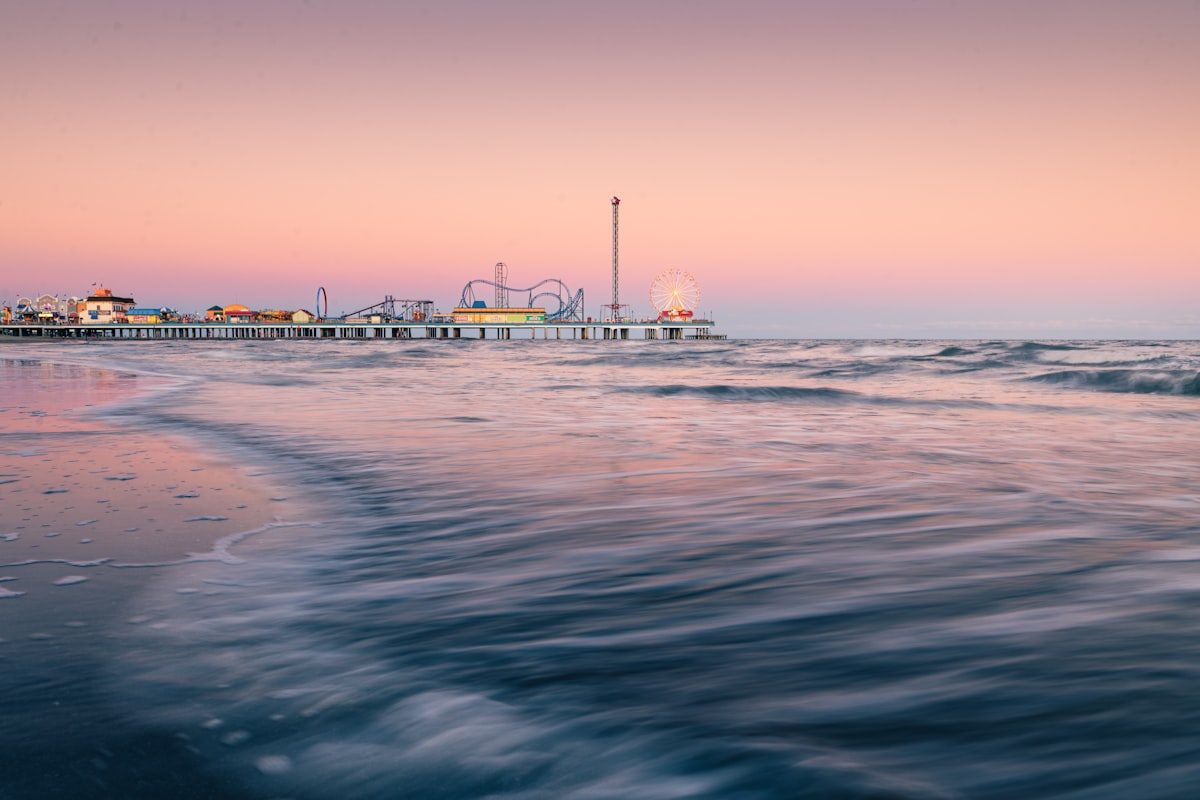

Galveston is the workhorse of Texas fishing. The bay system behind the island produces more redfish and speckled trout than almost any estuary on the Gulf Coast, the jetties stack fish year-round, and the offshore water is close enough to run in the morning and be back for lunch. What makes Galveston different from the resort-town fisheries further south is the sheer variety of ways to fish it, wade, kayak, bay boat, jetty walk, or offshore, all from the same island.
New to the Texas coast and planning to fish it yourself? Our beginner's guide to fishing Galveston covers gear, rigs, wade-fishing spots, and the jetties step by step. For more of the coast, see Port Aransas and South Padre Island.
Wade Fishing the Flats
This is the Texas Coast tradition. You pull up to a shoreline, slide out of the boat in chest waders, and work across shell-and-mud flats casting to redfish and speckled trout. Galveston Bay, West Bay, East Bay, and Christmas Bay all have wadeable flats that produce year-round.
The key is finding bait. Mullet jumping, slicks on the surface (the oily sheen that feeding trout leave behind), and birds working, any of these signs mean fish are eating. A popping cork with live shrimp underneath is the classic rig, and it works as well now as it did 50 years ago. Artificial anglers throw soft-plastic paddletails on jigheads, the Galveston staple.
San Luis Pass is the crown jewel of wade fishing. This natural tidal inlet at the southwest end of Galveston Island funnels enormous volumes of water between West Bay and the Gulf of Mexico. The sandbars shift constantly, creating guts and channels where bull redfish, speckled trout, and jack crevalle stack up on every tide change. Wading the pass on a falling tide is one of the best experiences on the Texas coast, but respect the current. It's powerful.
Jetty Fishing
The Galveston Jetties stretch over five miles into the Gulf, separating the Galveston ship channel from open water. The south jetty is accessible from Galveston Island, the north jetty from Bolivar Peninsula. The granite boulders create artificial reef structure that holds everything from sheepshead to bull reds to king mackerel.
Sheepshead and black drum are the winter jetty staples, December through March, you'll find them stacked along the rocks eating barnacles and crabs. Dead shrimp on a heavy sinker, dropped tight against the granite, is the rig.
Bull redfish show up in September and October for the annual spawning run. Fish over 30 inches, commonly 35 to 45 inches, stack along the jetty rocks. The Galveston bull red run is a Texas tradition, and in a good year it lasts into November.
Tarpon cruise the jetties from June through September. These aren't catch-and-keep fish, the Silver King is strictly a sport-fishing target here, but hooking a 100-pound tarpon from the Galveston jetties is a bucket-list experience.
Surf Fishing the Beachfront
Galveston's 30-plus miles of Gulf beachfront are an open fishery anyone can walk onto, from the Seawall beaches in town to the quieter sand down West Beach and across on Bolivar Peninsula. It produces year-round, and you need no boat and no guide to fish it.
The structure is invisible but real: the first, second, and third gut, the troughs that run parallel to the beach between sandbars. Fish cruise these guts, and casting into them, not over them, is the whole game. A long surf rod, a fish-finder rig, and fresh dead shrimp or cut mullet covers most situations. On a calm, green-water morning the wading is easy; after a blow, the surf turns sandy and the bite shuts down, water clarity is everything out here.
Whiting and pompano work the wash close to shore, and pompano are the prize, pound for pound the best-eating fish in the surf. Bull redfish push into the guts during the fall run, sharing the beachfront with the jetty crowd a few hundred yards away. Spanish mackerel blitz bait on the surface through the warm months, and big black drum patrol the deeper guts in spring. It's the most accessible serious fishing on the island.
Bay Boat Fishing
Fishing Galveston Bay from a shallow-draft bay boat opens up water you can't reach on foot, oyster reefs, grass flats, shorelines, and channel edges where speckled trout and redfish feed. It's the most popular way to work the bay, whether you run your own skiff or ride along on a charter to learn the system.
The Texas inshore slam is the goal: redfish, speckled trout, and flounder in the same trip. All three species live in Galveston Bay year-round, though flounder are most reliably targeted in fall when they stage along passes and channels before their Gulf migration. Expect to throw both live bait and artificials, the bay rewards carrying both.
Black drum and sheepshead round out the inshore options. They're not the glamour fish, but both fight hard and taste excellent. When trout and reds turn finicky, working the reefs specifically for drum and sheepshead is the reliable fallback for steady action.
Offshore Fishing
Galveston's offshore fishery starts at the near-shore rigs and reefs, 15 to 30 miles out, and extends to the deep Gulf platforms 60 to 100-plus miles offshore.
Near-shore trips (half-day to three-quarter-day) target red snapper during the federal season, king mackerel, cobia, ling (cobia), and amberjack around the oil platforms and artificial reefs. These trips are accessible and affordable, a great introduction to saltwater offshore fishing.
Deep runs chase yellowfin tuna, wahoo, and mahi-mahi at the deep platforms and blue-water edges. Tuna fishing peaks in summer (June through September), wahoo runs strongest in winter (November through March). These are long days, 12 to 16 hours, and priced accordingly.
Shark fishing is its own category in Galveston. The near-shore Gulf holds blacktip, spinner, and bull sharks from June through October, and dedicated shark charters offer the chance to tangle with fish that outweigh you.
When to Go
There is no bad month to fish Galveston, the bay produces year-round. But the highlights:
- March–May: Trout and reds are active on the flats, white shrimp arrive, wade fishing is prime
- June–September: Offshore peaks for tuna and tarpon, shark season, jetty tarpon
- September–November: Bull redfish run on the jetties and in the surf, flounder staging in the passes
- December–February: Sheepshead and drum season on the jetties, wahoo offshore, trophy trout in the bay