Fish
Fish Fire
Fire Hike
Hike Bird
Bird

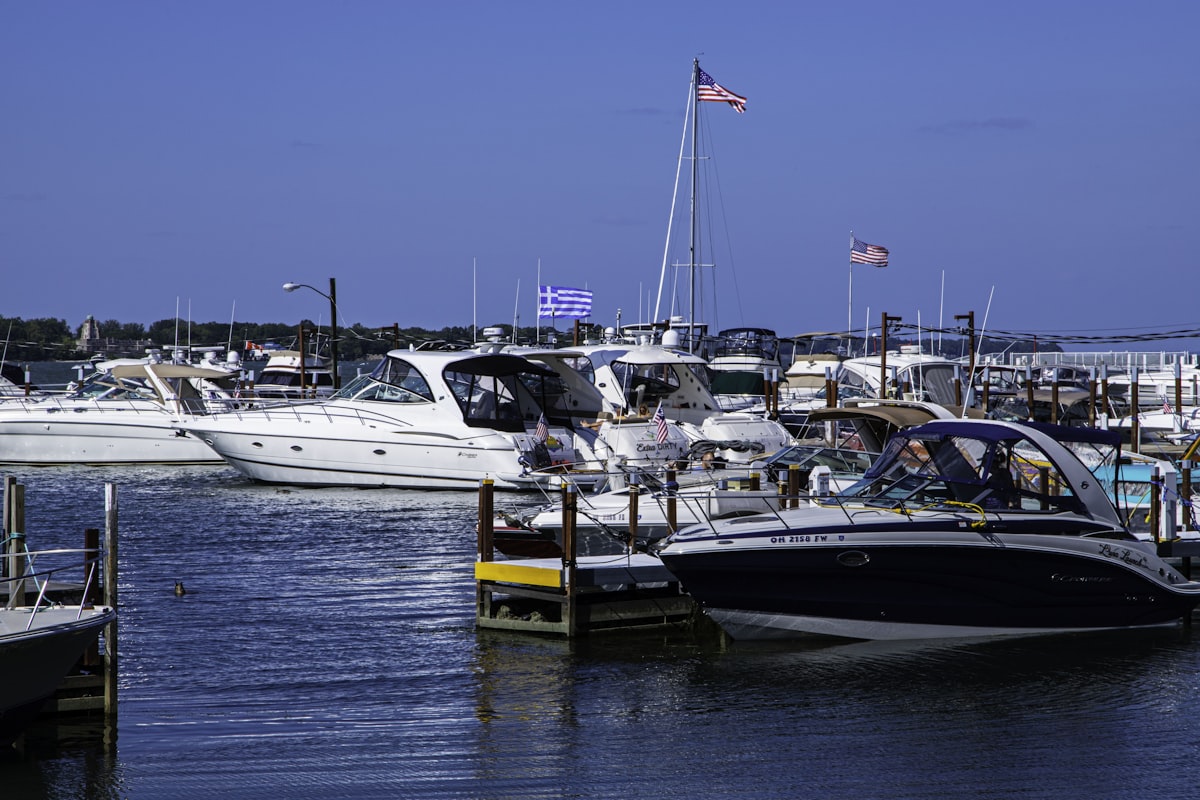

Put-in-Bay sits on South Bass Island, a short ferry ride off Ohio's Lake Erie shoreline and smack in the middle of the most productive walleye water on the planet. The western basin of Lake Erie has earned South Bass Island a bold nickname, the Walleye Capital of the World, and it's not marketing. The shallow, reef-studded water around the island holds staggering numbers of walleye, yellow perch, and smallmouth bass, and a fleet of charter captains lives and dies by putting visitors on them. This guide is about how to actually cash in on that: which fish to chase, how the walleye bite changes through the season, and how a first-timer with no boat gets in on the action.
For the wider view, the island itself, the ferries, where to stay, and how it fits into a Lake Erie trip, read our complete Put-in-Bay fishing guide. For the broader lake, see how to fish Lake Erie.
First: Your Ohio Fishing License
Everyone 16 and older needs a valid Ohio fishing license to fish Lake Erie, and here's the part visitors miss: the charter does not include it. You must buy your own license before you step on the boat. It takes two minutes online at the Ohio Department of Natural Resources site (wildlife.ohiodnr.gov) or the HuntFish OH app, and one-day, multi-day, and annual non-resident options make sense depending on how long you're staying. Bait shops on the mainland and the island sell them too. Lake Erie has its own daily bag limits, currently six walleye and thirty yellow perch per angler, and those numbers can change year to year, so check the current Lake Erie regulations before you keep a cooler's worth.
The Western Basin Fishery
Everything around Put-in-Bay is shaped by one fact: the western basin of Lake Erie is shallow, often just 25 to 35 feet, and littered with rocky reefs. That warm, fertile, structure-rich water grows walleye faster and in bigger numbers than almost anywhere, and it concentrates them on predictable reefs and around the islands. It also means the lake can turn dangerous fast: a stiff wind builds steep, close-spaced waves in a hurry. That's the trade-off of the western basin, incredible fishing, but respect the weather.
You'll chase four fish here:
- Walleye, the headliner, and the reason most people come.
- Yellow perch, the tastiest limit-filler, and a family favorite.
- Smallmouth bass, hard-fighting reef bruisers, often overlooked.
- White bass and catfish, bonus action, especially in summer.
Walleye: The Main Event
Walleye fishing around Put-in-Bay changes character through the season, and knowing the progression tells you how to fish.
Spring: Jigging the Reefs (April–May)
Every April, Lake Erie walleye pour onto the Western Basin Reef Complex, the shoals and reefs clustered right around the Bass Islands, to spawn. This is when shore-adjacent, shallow-water fishing is at its best, and the classic technique is jigging. Tie on a 3/8- to 1/2-ounce leadhead jig tipped with a soft-plastic twister tail or a live emerald shiner, cast it toward the reef, let it hit bottom, and hop it back with sharp lifts. Chartreuse, purple, and orange are proven island colors. Cold spring water means a subtle bite, often just a "tick" or a feeling of weight, so set the hook on anything that feels different.
Jigging and Casting for Spring Lake Erie WalleyeSummer: Trolling Open Water (June–August)
As the water warms, the big spawning schools scatter and slide into deeper water away from the reefs, suspending over the basin. Now the game is trolling, which lets you cover water and target suspended fish. The two staple presentations are crawler harnesses (a spinner blade ahead of a nightcrawler) pulled behind bottom bouncers or inline weights, and crankbaits run on planer boards to spread lines and reach fish off to the sides. Dipsy divers and lead-core line get baits down to the depth the fish are holding. July, according to Ohio's own creel data, produces the highest walleye catch rate of any month, it is peak season. This is where a charter earns its money: the captain knows the depth, the speed, and the color that's working that week.
How to Troll for Walleye on Lake ErieFall: The Return to the Shallows
As the water cools in September and October, walleye move back toward the islands and shallows to feed hard before winter. Casting and jigging around the reefs comes back into play, and the fish are often at their fattest. Fewer boats, cooler weather, and quality fish make fall a local favorite.
Yellow Perch: The Family Limit
If walleye are the trophy, yellow perch are the freezer. They're abundant, easy to catch, delicious, and perfect for kids. The method is simple and deadly: anchor or drift over a hard or transitional bottom in 25 to 40 feet, drop a perch spreader rig (two hooks on short droppers above a bell sinker) baited with live emerald shiners, and hold it just off the bottom. When you find a school, the action can be nonstop, thirty-fish limits happen fast. Perch fishing is the great equalizer at Put-in-Bay: no casting skill required, just find the school and drop the minnows.
Smallmouth Bass: The Overlooked Fighter
Lake Erie grows enormous smallmouth, and the rocky reefs and island shorelines around Put-in-Bay are prime habitat, yet most visitors zip right past them chasing walleye. Work the reef edges, rock piles, and drop-offs with a tube jig dragged along the bottom, a drop-shot rig with a soft minnow, or a Ned rig. Spring (pre-spawn) and fall are the standout windows, when big smallmouth move shallow and hammer baits. Pound for pound, they'll out-pull any walleye in the lake.
White Bass and Catfish: The Bonus Bites
Two more species round out a Put-in-Bay trip, and both are easy, action-packed fun. White bass run in aggressive schools through late spring and summer, when you find them boiling on baitfish, a small silver spoon, a jig, or a swimbait cast into the frenzy gets hammered on nearly every retrieve, which makes them a blast for kids and beginners. Channel catfish are thick in the western basin's warm summer water; anchor over a mud or transition bottom, soak cut shad, chicken liver, or a nightcrawler on a simple bottom rig, and wait for the rod to load up. Neither fish gets the glory of a walleye, but on a slow walleye day, or with restless young anglers aboard, a school of white bass or a mess of catfish can save the trip. Don't overlook them.
Fishing Without a Boat
Here's the honest truth: Put-in-Bay is a boat fishery at its core. The best water is out on the reefs, and that means a charter or your own boat. That said, you're not entirely out of luck from land. Oak Point State Park on the island's west side offers dock and shoreline access where perch, smallmouth, and the occasional walleye come within reach, and various public docks and breakwalls hold fish, especially early and late in the day. Bring a light spinning rod, a bucket of shiners, and a simple bottom rig. But if catching a limit of walleye is the goal, book a charter, it's the whole point of the island.
Booking a Charter
For most first-timers, a charter is the way to fish Put-in-Bay, and the fleet is deep and professional. A few things to know:
- Six-pack charters take up to six anglers on a private boat with a Coast Guard–licensed captain who provides rods, tackle, bait, and, crucially, the knowledge of where the fish are that day. Half-day and full-day trips are standard.
- The captain cleans your catch or points you to a cleaning service; you keep the fillets.
- Everyone still needs their own Ohio license, buy it before you board.
- Book ahead for summer weekends; the good captains fill up fast.
Show up with sunscreen, a hat, polarized sunglasses, a soft cooler for your fillets, and motion-sickness medication if you're prone to it, the western basin chop is real.
Reading the Water and the Weather
Two things drive the walleye bite here: structure and wind. Early season, the fish are on the reefs; later, they suspend over the open basin, so the depth you fish shifts with the calendar. Wind matters just as much: a moderate "walleye chop" that breaks up the surface and stirs the shallows often turns the bite on, while dead-calm bluebird days can be tough. But the western basin's shallowness means wind also builds dangerous waves quickly. Watch the marine forecast, trust your captain, and never push a small boat into building seas out here, the lake has humbled plenty of people who underestimated it.
When to Go
- Spring (April–May): Peak reef jigging as walleye spawn on the Western Basin Reef Complex. Cold water, subtle bites, big numbers. Smallmouth heat up late spring.
- Summer (June–August): Prime trolling season for suspended walleye; July is the single best month. Fast perch action and plentiful catfish. Warm, busy, and productive.
- Fall (September–October): Walleye return to the shallows fat and aggressive; smallmouth fishing peaks; crowds thin out. A local favorite.
- Winter (January–February): In a hard-freeze year, Put-in-Bay becomes an ice-fishing destination, anglers fish shanties over the reefs for walleye and perch. Ice conditions vary wildly year to year; go with a guide.
Gear: Bring or Charter-Supplied
On a charter, everything is provided, you just show up. If you're fishing your own boat or from shore, here's the core kit:
- Walleye jigging: A 6'6" to 7' medium spinning rod with a 2500–3000 reel and 10-pound braid. Stock VMC or Do-It leadhead jigs in 3/8–1/2 oz and a bag of twister tails in chartreuse and purple. A St. Croix Eyecon or Fenwick spinning rod is a proven walleye stick.
- Walleye trolling: Line-counter reels on medium trolling rods, a supply of crawler harnesses, deep-diving crankbaits like Reef Runners and Bandit Walleye cranks, plus Off Shore planer boards and bottom bouncers.
- Perch: A light 6–7' spinning rod, perch spreader rigs, small hooks, and bell sinkers. Bring a minnow bucket for emerald shiners.
- Smallmouth: A medium spinning rod, tube jigs, drop-shot weights, and 4-inch soft minnows.
- Everyone: Polarized sunglasses, a net, a fillet knife, and a cooler.
Making It More Than a Fishing Trip
Part of Put-in-Bay's appeal is that it's a full-blown island destination, so it's easy to build a fishing trip that non-anglers will love too. Rent a golf cart, the island's signature way to get around, and cruise to Perry's Victory and International Peace Memorial, the 352-foot column commemorating the War of 1812 naval battle fought right offshore, with an observation deck that lays out the whole western basin (you'll see the reefs you fished). The village of Put-in-Bay packs restaurants, wineries, and a famous waterfront scene into a few walkable blocks. The move is simple: fish the calm morning hours when the bite is best, then spend the afternoon on the island. It makes South Bass Island a rare fishing spot that keeps the whole family happy.
Ice Fishing the Bass Islands
In a cold enough winter, the western basin freezes and Put-in-Bay transforms into one of the Midwest's premier ice-fishing destinations. Anglers ride out to the ice fields around the Bass Islands, often by all-terrain "bay boat" or with a guide's transport, and drill over the same reefs that produce in open water. The targets are the same, too: jumbo yellow perch and walleye. For perch, drop a small spoon or a perch rig tipped with a shiner or a waxworm and jig it just off the bottom; for walleye, work a jigging Rapala or a flutter spoon, most productively at first and last light.
The catch is safety. Lake Erie ice is notoriously unpredictable, pressure cracks, shifting winds, and current can open water fast, and every year people get stranded on breakaway floes. Never venture out without a local guide who reads this ice daily, and go equipped with picks, a float suit, and a spud bar. Done right, with the right people, hard-water fishing at Put-in-Bay is a bucket-list experience; done carelessly, it's genuinely dangerous. When in doubt, book a guided ice trip and let the pros make the call.
A Word on Conservation
Lake Erie's walleye and perch are a shared, carefully managed resource, the reason the fishing stays world-class is that anglers and biologists take it seriously. Honor the daily bag and any size limits, and don't high-grade or waste fish. Lake Erie is ground zero for aquatic invasives, so clean, drain, and dry your boat, trailer, and gear between waters to slow the spread of zebra and quagga mussels and invasive gobies. Dispose of unused bait in the trash, never the lake. And handle the smallmouth you release with wet hands and a quick return to the water. Treated right, the Walleye Capital of the World stays exactly that.