Fish
Fish Fire
Fire Hike
Hike Bird
Bird

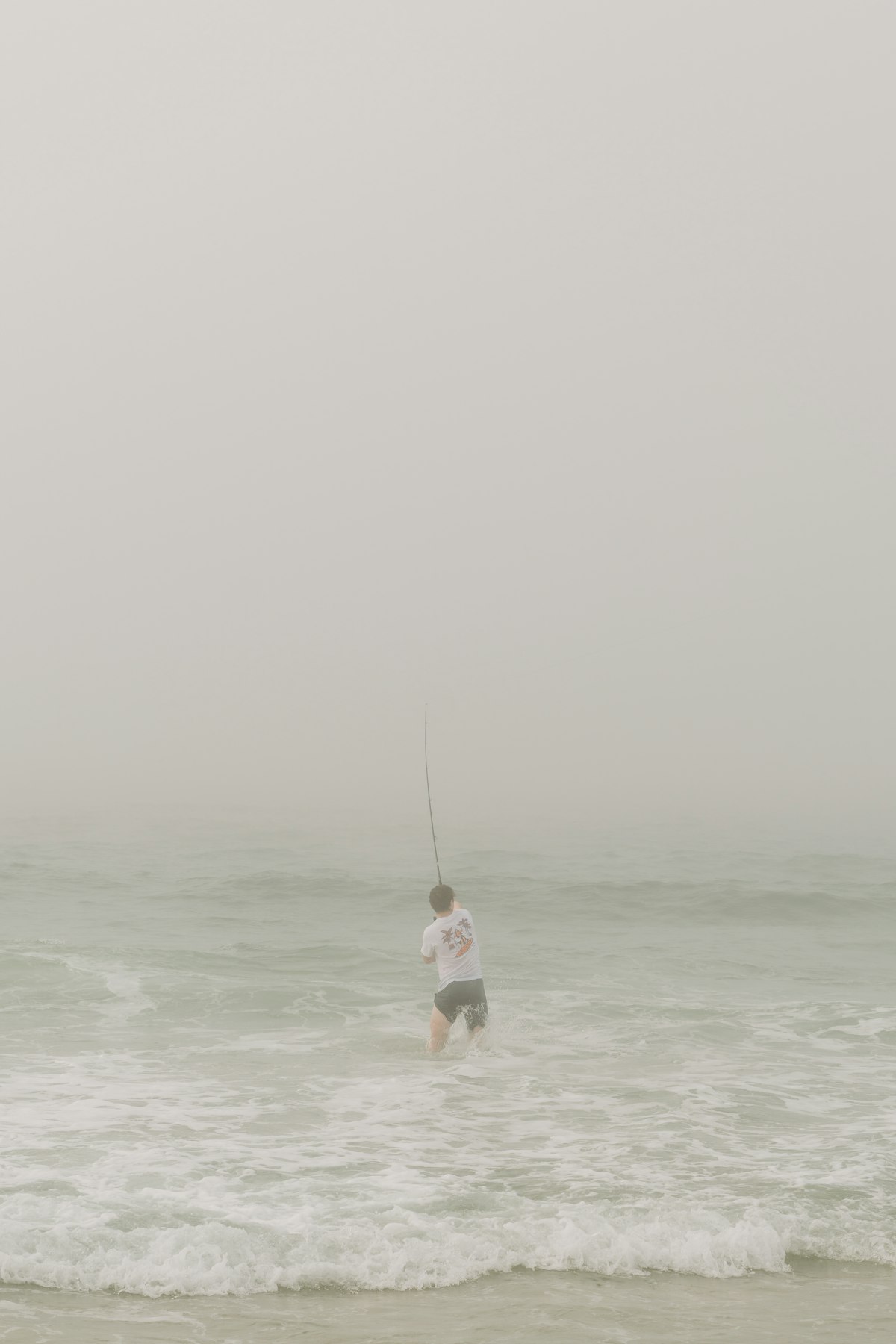

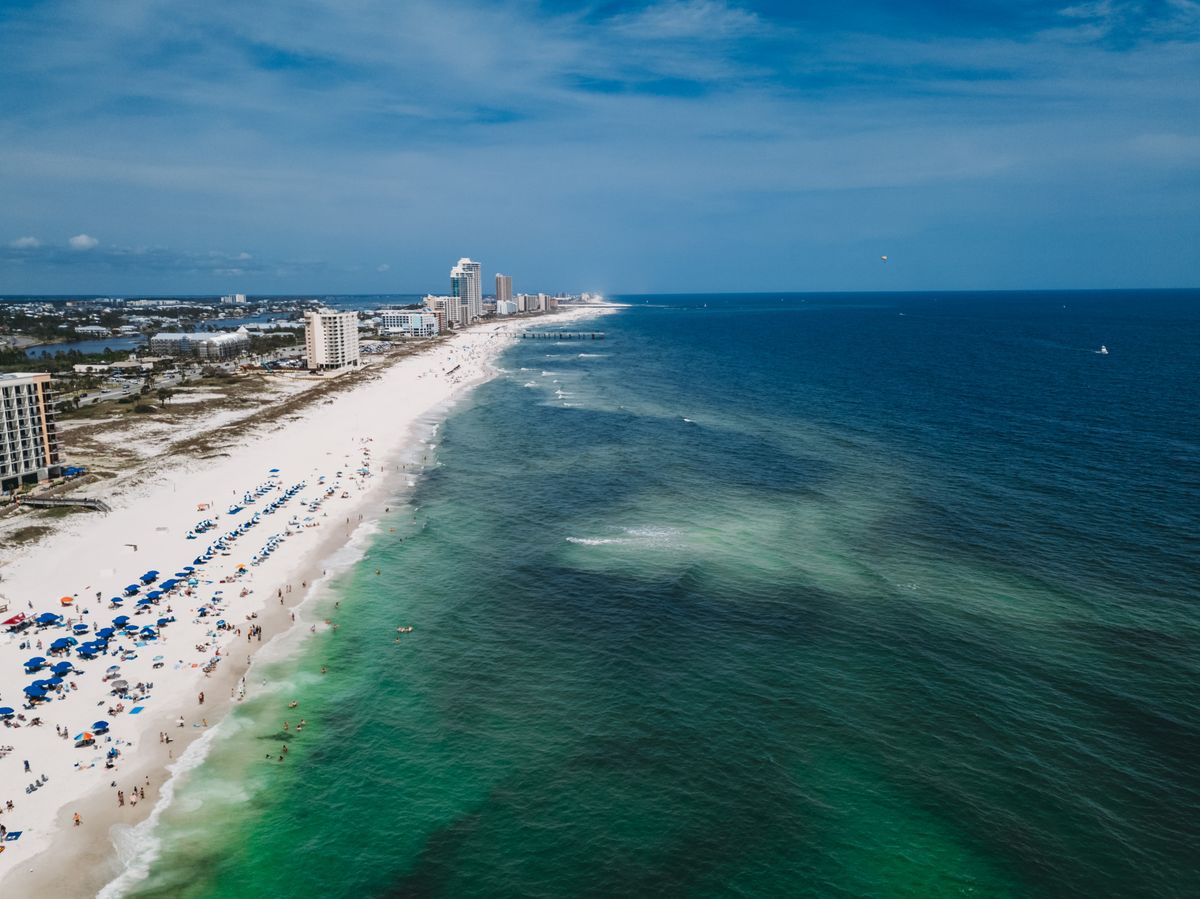
Orange Beach sits on a narrow strip of Alabama's Gulf Coast between the Gulf of Mexico and the back bays of Perdido Bay, Wolf Bay, and Cotton Bayou. Perdido Pass cuts through the middle, connecting the calm inshore waters to the open Gulf and creating a natural funnel that concentrates baitfish and everything that eats them. The result is a fishing town with three completely different fisheries within 20 minutes of each other: offshore bottom fishing and trolling in the Gulf, inshore light-tackle fishing in the bays and passes, and surf fishing from the white sand beaches.
Orange Beach's signature species is red snapper. Alabama manages its own red snapper season (separate from the federal season), and the state's management has been one of the great success stories in Gulf fisheries, the season has grown from a few weekends to months-long open seasons. The artificial reef program off the Alabama coast is the largest in the country, with thousands of permitted reef sites that concentrate snapper, grouper, amberjack, and triggerfish within a few hours' boat ride.
If you have fished neighboring Gulf Shores, Orange Beach is the same ecosystem but with better offshore access, the pass puts you in the Gulf faster than the Fort Morgan side. If you are coming from Destin or Panama City, the species are the same but Alabama's red snapper season is typically longer and more generous.
Offshore: Red Snapper, Grouper, and Amberjack
The Gulf of Mexico offshore from Orange Beach is dotted with natural reefs, artificial reefs, oil platforms, and shipwrecks, all of which hold bottom fish. The Alabama Artificial Reef Program has deployed over 17,000 reef sites, creating a bottom-fishing paradise that extends from 10 miles to 100+ miles offshore.
Red Snapper
Red snapper is the star. Fish average 5 to 15 pounds, with 20-pounders common on deeper reefs and the occasional 30-pound trophy. They hold on structure, natural ledges, artificial reefs, wrecks, and oil platform legs, from 60 to 200 feet.
Season: Alabama's private recreational season typically opens in late May and runs seven days a week through fall or until the state quota is met. The federal for-hire season (charter boats with federal permits) opens June 1 and runs through summer. Check the ADCNR website for current dates, the season structure changes annually.
Technique: Bottom fishing with cut bait. Drop a double-hook chicken rig (two 6/0 to 8/0 circle hooks on dropper loops, 8-ounce bank sinker) baited with cut bonito, squid, or cigar minnows to the bottom over a reef. Red snapper are aggressive, they will hit almost immediately when bait reaches the structure. The challenge is getting them off the bottom before they head back into the rocks.
Gear: A 6'6" to 7-foot heavy conventional rod with a 30-size conventional reel (Penn Squall, Shimano Torium), 50- to 65-pound braided line, and an 80-pound fluorocarbon leader. The heavy gear is not for the snapper, it is for the grouper and amberjack that live on the same reefs and require serious stopping power.
Amberjack
Greater amberjack are the hardest-fighting fish on the reef. They average 20 to 40 pounds, with 60- to 80-pound fish that will take you to school. They hold in the water column above reef structure, typically at 60 to 120 feet.
Technique: Vertical jigging with 4- to 8-ounce butterfly jigs (Shimano Butterfly Flat-Fall, Nomad Design Streaker) in silver, blue, or pink. Drop to the bottom, reel up aggressively with big sweeps of the rod. The bite usually comes 10 to 30 feet off the bottom. When an amberjack hits, get them moving upward immediately, if they turn their head toward the structure, you lose.
Live bait: A live blue runner, hardtail, or goggle-eye on a heavy live-bait rig (80-pound leader, 7/0 circle hook, no weight) free-lined over the reef. The most effective technique for trophy amberjack.
Grouper
Red grouper, gag grouper, and scamp hold on deeper reefs (100 to 200+ feet). Bottom fishing with live pinfish or large cut bait on a heavy knocker rig (egg sinker sliding directly on the leader above the hook). Slow-pitch jigging with 200- to 400-gram jigs also produces. Grouper require heavy tackle, they dive into the reef the instant they are hooked.
Trolling
King mackerel, wahoo, blackfin tuna, and mahi-mahi are caught trolling between reef sites and along the 100-fathom line (50-80 miles out). Skirted ballyhoo, diving plugs (Rapala Magnum), and cedar plugs behind planers at 6-8 knots. King mackerel are the most accessible, they show up in May and stay through November, found as close as 5 miles offshore around the nearshore reefs.
Offshore Fishing for Red Snapper in Orange Beach, Alabama Offshore Fishing Orange Beach, Amberjack, Red Snapper, BonitoInshore: Redfish, Speckled Trout, and Flounder
The back bays, Perdido Bay, Wolf Bay, Cotton Bayou, and Terry Cove, hold redfish, speckled trout, flounder, sheepshead, and black drum year-round. Perdido Pass is the heart of the inshore fishery, with tidal current that pushes baitfish through a narrow channel lined with rock jetties.
Redfish
Slot reds (18 to 26 inches) cruise the grass flats, oyster bars, and dock pilings of the back bays. Bull reds (30 to 45 inches) stack up in Perdido Pass and along the jetties, especially in fall.
Flats technique: A 7-foot medium spinning rod, 3000-size reel, 15-pound braid, 20-pound fluorocarbon leader. Cast a gold spoon (Johnson Silver Minnow 1/4 oz), soft plastic (Gulp! Shrimp in new penny, Z-Man MinnowZ in electric chicken) on a 1/4-ounce jighead, or live shrimp under a popping cork across grass flats and along oyster bars. Sight-fishing on low-tide flats is productive, look for tailing reds with their copper backs out of the water.
Pass technique for bull reds: Heavier gear, medium-heavy rod, 4000 reel, 30-pound braid. Cut mullet or live mullet on a fish-finder rig with a 2-ounce egg sinker, cast into the pass current and let it bounce along the bottom.
Speckled Trout
Specks hold on grass flats, around dock pilings, and along the edges of channels in the back bays. Average 14 to 20 inches with occasional 5-pound gator trout.
Technique: Popping cork with a live shrimp or Gulp! Shrimp suspended 18 to 24 inches below the cork. Pop the cork to attract attention, then let the bait drift naturally. Also effective: MirrOlure MR17 twitchbaits in morning glory or chicken-on-a-chain, worked with a twitch-twitch-pause cadence over grass flats.
Flounder
Flounder lie flat on sandy and muddy bottoms near channel edges, docks, and pass entrances. Average 14 to 18 inches.
Technique: A Gulp! Swimming Mullet (white or chartreuse) on a 1/4-ounce jighead, dragged slowly along the bottom near structure transitions (where sand meets shell or mud meets grass). The strike is subtle, a flounder inhales the bait without moving. Wait an extra second before setting the hook.
The Best Spots for Fishing in Orange Beach ALSurf Fishing: Pompano, Whiting, and Redfish
The white sand beaches of Orange Beach produce excellent surf fishing, particularly for pompano (October through May) and whiting (year-round).
Pompano: The prize of Gulf surf fishing. Average 1 to 3 pounds but pull incredibly hard for their size. A 10-foot surf rod, 5000-size reel, 20-pound braid. Double-drop rig with two size 2 circle hooks, tipped with Fishbites (orange, sand flea flavor) or fresh sand fleas. Cast to the first trough (the deeper water between the beach and the first sandbar). Pompano feed in the troughs, picking up sand fleas, mole crabs, and clams tumbled by the waves.
Whiting: Smaller (10 to 14 inches) but plentiful and excellent eating. Same surf rig as pompano but with smaller hooks (size 4) and fresh shrimp or Fishbites. They hit aggressively and provide constant action.
Surf redfish: Bull reds run the surf in fall (September through November), chasing mullet schools along the beach. Cut mullet on a heavy surf rig cast beyond the bar. When the mullet are running, the redfish are not far behind.
Fishing Opening Day of Red Snapper Season, Orange Beach AlabamaPerdido Pass: The Crossroads
Perdido Pass is where the Gulf meets the bay, and it concentrates fish like nowhere else in Orange Beach. The rock jetties on both sides of the pass, the tidal current flowing through the narrow channel, and the deep water right at the pass entrance create a natural feeding station.
What you catch from the pass: Redfish, snook (increasingly common as water temperatures warm), sheepshead, mangrove snapper, flounder, Spanish mackerel, and cobia (spring). During the outgoing tide, baitfish flush out of the bay and everything in the pass feeds.
Fishing the jetties: Walk out on the rock jetty (careful, rocks are slick) and cast into the current. Live shrimp on a jighead, Gulp! baits, or metal jigs. The outgoing tide is best. The west jetty (Alabama Point) has public walk-on access and parking.
Perdido Pass Bridge: The bridge over the pass is a popular fishing spot. Drop a live shrimp or bait to the bottom on the outgoing tide for sheepshead, flounder, and mangrove snapper around the pilings.
Charter Fishing
Orange Beach has one of the largest charter fleets on the Gulf Coast. Options range from walk-on party boats (head boats) to private charters.
Offshore charters: Half-day (4-6 hours) $150-250 per person on a party boat, or $800-1,200 for a private charter (up to 6). Full-day (8-10 hours) $200-350 per person party boat, $1,200-1,800 private. Deep-drop trips targeting grouper and tilefish at 400+ feet run $2,000-2,500 private.
Inshore charters: $400-600 for a half-day (1-3 anglers). Covers back bays, Perdido Pass, and nearshore. Light tackle, all bait and gear provided. Excellent for families and beginners.
The captain handles all licensing requirements on charter trips.
Fishing License and Regulations
Alabama requires a saltwater fishing license for anyone 16 and older (residents under 65) and all nonresidents 16 and older.
| License Type | Cost |
|---|---|
| Resident annual | $13.60 |
| Nonresident annual | $51.65 |
| Nonresident 7-day trip | $22.30 |
Red snapper: 2 per person per day, 16-inch minimum. Season dates vary, check ADCNR website. Charter boats with federal permits follow federal season dates (typically June-August).
Redfish: 3 per person per day, 16-26 inch slot. One fish over 26 inches allowed per boat per day.
Speckled trout: 6 per day, 15-inch minimum.
Flounder: 5 per day, 14-inch minimum.
Pompano: No size limit, 3 per day.
When to Come
March-April (Spring): Cobia run in the pass and along the beach. Sheepshead spawn around pilings and jetties. Inshore fishing heats up as water warms past 65 degrees. Pompano still in the surf.
May-June (Early Summer): Red snapper season opens. King mackerel arrive offshore. Inshore redfish and trout fishing is excellent. The best all-around fishing period.
July-August (Peak Summer): Red snapper in full swing. Offshore bottom fishing at its peak. Inshore fishing shifts to early morning and late evening as temperatures climb. Tourist season, the beach is crowded but the fish don't care.
September-November (Fall): The fall mullet run brings bull reds to the surf and the pass. Flounder gigging season. Offshore fishing remains strong. October is the best all-around month, fewer crowds, cooler weather, everything is biting.
December-February (Winter): Sheepshead fishing around pilings and jetties (the winter specialty). Inshore trout and redfish continue. Offshore trips weather-dependent. Fewer anglers, excellent sheepshead and trout fishing for those willing to brave the cooler temperatures.
Practical Details
Getting there: Orange Beach is on the Alabama Gulf Coast, about 3 hours south of Birmingham, 4 hours east of New Orleans, and 1 hour east of Mobile. Pensacola International Airport (PNS) is 45 minutes east. Mobile Regional Airport (MOB) is 1.5 hours west.
What to bring: Sunscreen (the Gulf sun is relentless), polarized sunglasses, a hat, rain gear (summer thunderstorms are sudden), and a cooler with ice if you plan to keep fish. For surf fishing, bring sand spikes, a bait bucket, and Fishbites (they do not require refrigeration and are available at every tackle shop on the strip).
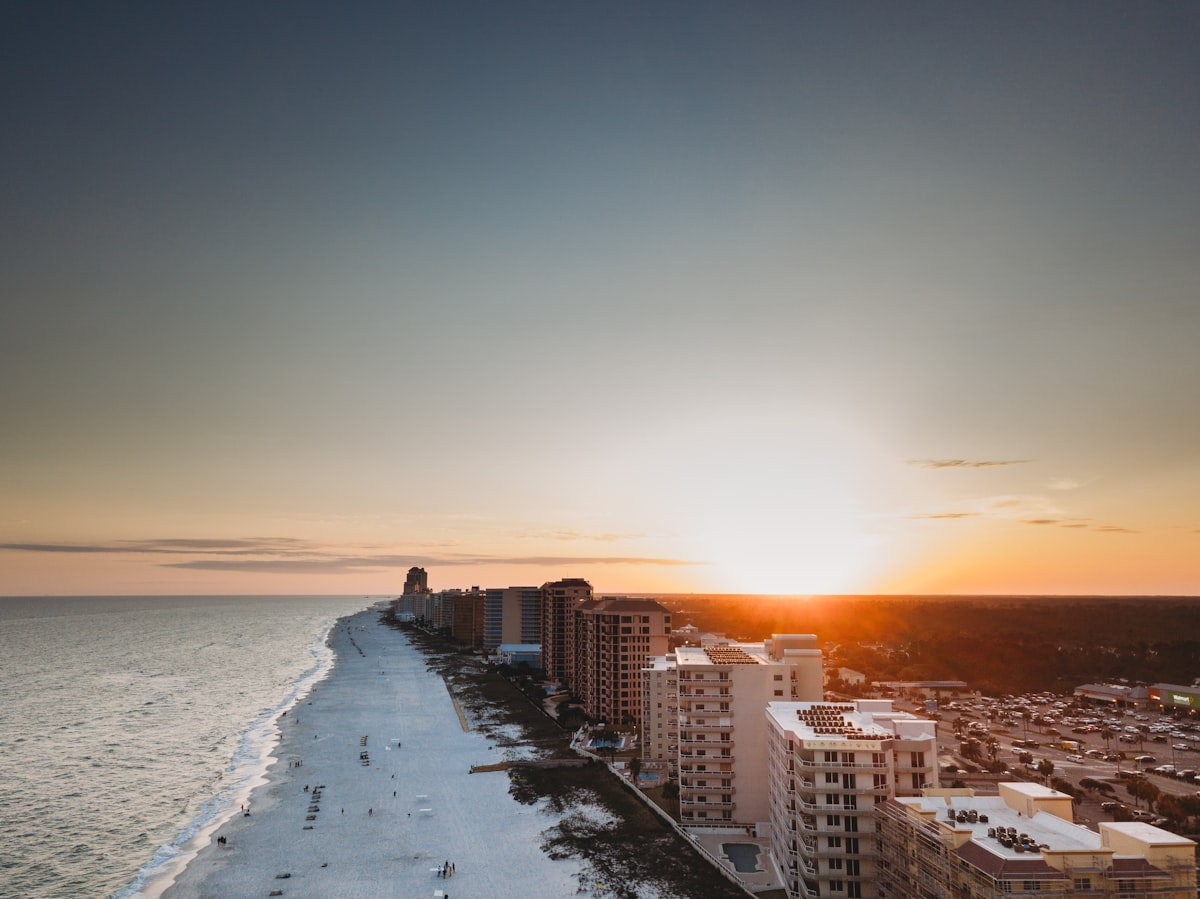
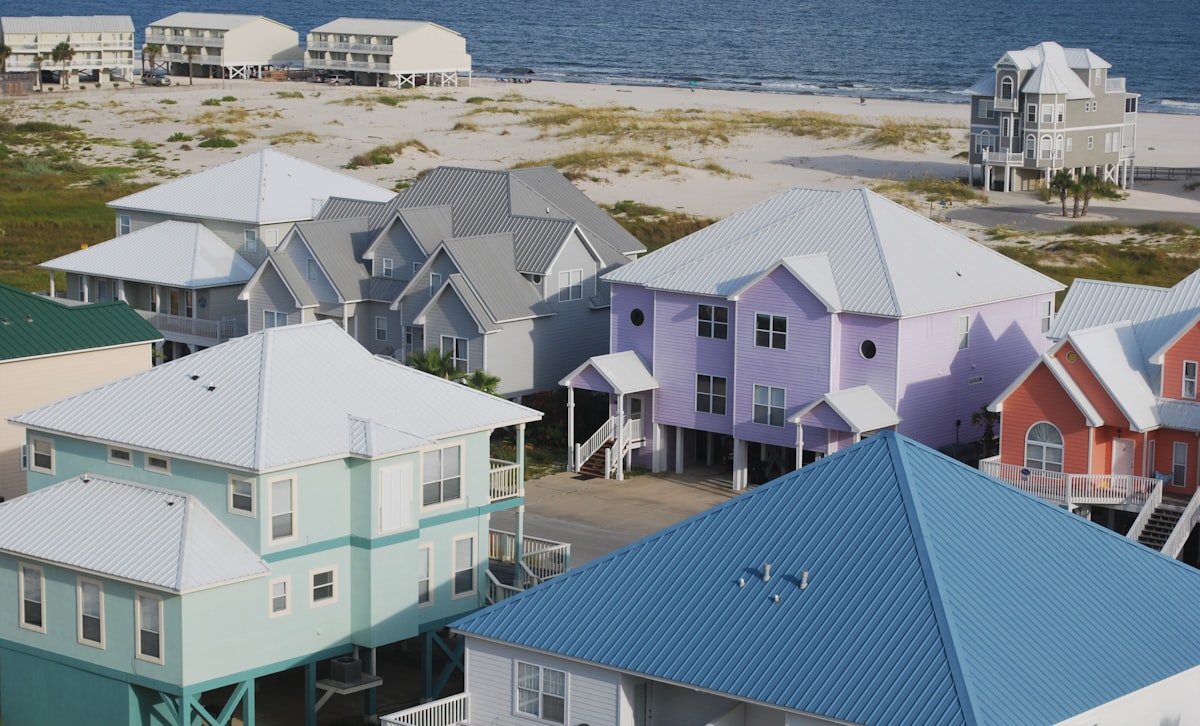
Where to stay: Orange Beach has abundant condos, hotels, and vacation rentals along the beach and Perdido Beach Boulevard. Book early for red snapper season (June-July) and fall. Off-season rates (December-February) are a fraction of summer prices.
Tackle shops: Sam's Bait & Tackle and Gulf Shores Bait & Tackle are the local institutions for tackle, bait, and up-to-date fishing reports.
Deep Sea Fishing in Orange Beach, All You Need to Know