Fish
Fish Fire
Fire Hike
Hike Bird
Bird


The Henry's Fork of the Snake River flows out of Henry's Lake in eastern Idaho, through Island Park and Harriman State Park, and eventually into the main Snake River below the town of St. Anthony. It's been called the most difficult trout stream in America, and while that's debatable, the river's reputation for humbling skilled anglers is not.
What makes the Henry's Fork legendary isn't the size of the fish (though they're large), the beauty of the setting (though it's stunning), or the abundance of hatches (though they're prolific). It's the combination, big, educated fish rising to complex hatches in water so clear and slow that every flaw in your presentation is visible to both the angler and the trout. Trout Unlimited voted the Henry's Fork the number-one trout stream in the country, and the anglers who fish it regularly understand why.
The river has three distinct personalities, and each requires a completely different approach.
The Railroad Ranch, Harriman State Park

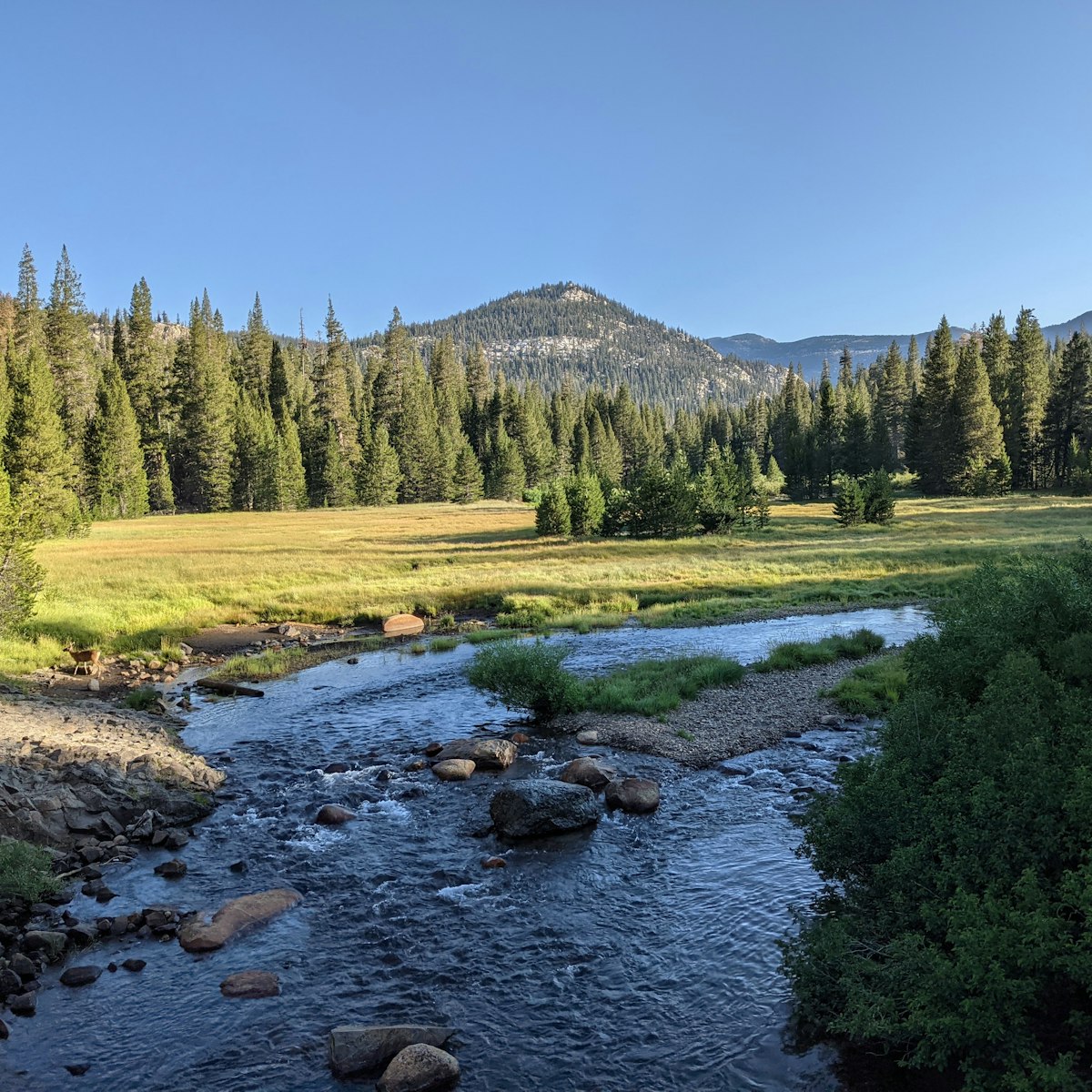
The Railroad Ranch is the section of the Henry's Fork that flows through Harriman State Park, three miles of wide, slow, spring-fed river meandering through an open meadow with the Henrys Lake Mountains rising to the north. This is the water that appears in every Henry's Fork photograph, every magazine article, and every fly angler's imagination.
The river here is 50 to 80 feet wide, two to four feet deep over a weed-bed bottom, and so clear you can count the spots on a trout at 40 feet. Rainbow trout averaging 16 to 20 inches hold in feeding lanes between the weed beds, rising to specific insects with a selectivity that borders on the absurd. A fish eating PMDs will refuse a fly that's one size too large, one shade too dark, or drifting a quarter-inch off the feeding lane.
The technique is upstream dry-fly fishing in its purest form. You spot a rising fish. You study what it's eating, not just the species but the stage (emerger, dun, cripple, spinner). You select a fly, tie it on 6X or 7X fluorocarbon, and wade into position below the fish. The cast has to land the fly upstream of the trout with enough slack to drift drag-free through the feeding lane. One cast. Maybe two. If the fish refuses or spooks, you move on and find another.
This is not easy fishing. The Ranch regularly humbles anglers with 30 years of experience. The fish have seen every fly ever tied, and the flat water amplifies every micro-drag, every heavy footstep, every shadow. But when a 20-inch rainbow eats your fly after you solved the puzzle, identified the hatch, matched the stage, delivered the drift, the satisfaction is unlike anything else in fly fishing.
Access: Harriman State Park is walk-in only, no vehicles past the parking areas. The river is about a mile walk from the main lot. Wading is the only option; no boats are allowed on the Ranch section.
Box Canyon

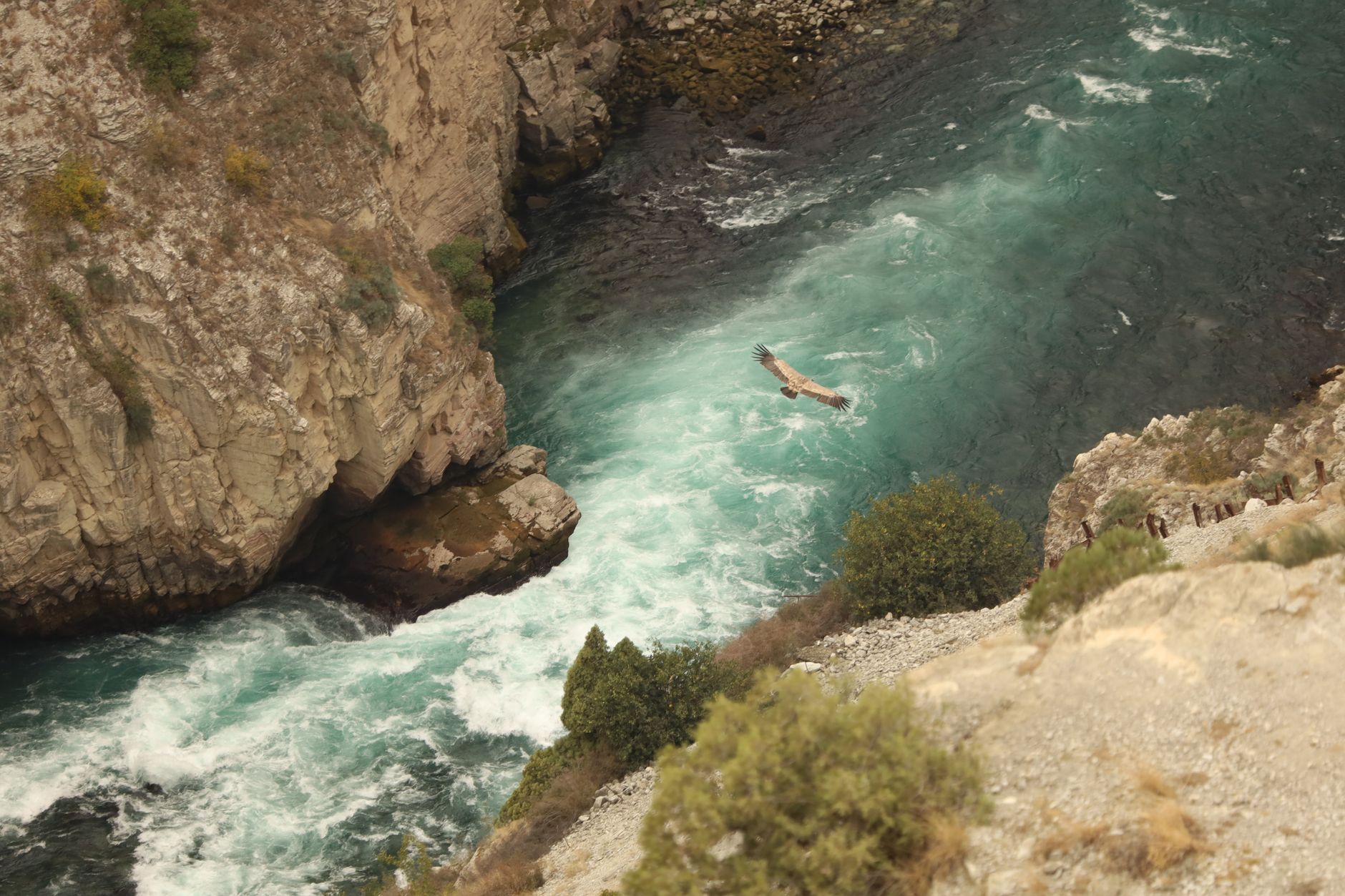
Box Canyon is the section of the Henry's Fork above Harriman State Park, where the river flows through a narrow, steep-walled basalt canyon with powerful current, deep runs, and turbulent riffles. If the Ranch is a chess match, the Box is a bar fight.
The fish here eat aggressively because the water forces them to. The current is too fast for the leisurely inspection that Ranch trout give every fly, a Box Canyon rainbow has a fraction of a second to decide, and the answer is usually yes. The trout average 14 to 18 inches, with fish over 20 in the deeper pools, and they fight hard in the heavy current.
Nymphing is the dominant technique. Heavy nymph rigs, stonefly patterns, Rubber Legs, Pat's Rubber Legs (#4-8), Hare's Ears (#12-16), and Pheasant Tails (#14-18), fished under an indicator or on a tight-line euro rig, bounced along the bottom through the deep runs and pocket water. The Box eats a lot of flies, the basalt rocks chew up tippet and hooks, so bring plenty.
The salmonfly hatch (late May through mid-June) transforms the Box into dry-fly water. Giant stoneflies (#4-6) bring the biggest trout in the canyon to the surface, and the fishing during the peak is as good as nymph fishing gets, except you're fishing on top. Chubby Chernobyls, Sofa Pillows, and Stimulators in the #4-8 range produce violent surface strikes.
Access: Box Canyon is reached by drift boat (guide trip) or by wading from a few steep access trails. The wading is treacherous, strong current over slippery basalt, and a wading staff is essential. This is not water for beginning waders.
Gear for the Box
Rod: 9-foot 5-weight or 6-weight, heavier than the Ranch. You need the backbone to manage heavy nymph rigs and fight fish in fast current.
Leaders: 7.5 to 9 feet, tapered to 3X or 4X. This is not delicate tippet country, the fish aren't as leader-shy as Ranch fish, and the current requires heavier terminal tackle.
Flies: Pat's Rubber Legs (#4-8), Hare's Ear (#12-16), Pheasant Tail (#14-18), Copper John (#14-16), Chubby Chernobyl (#6-10) for the salmonfly hatch.
The Hatch Chart, What Makes This River Legendary

The Henry's Fork's insect life is the engine of the fishery. The hatches are prolific, diverse, and well-timed, they roll through the season in overlapping waves that give anglers something to match from May through October.
- Late May–mid-June: Salmonflies and Golden Stoneflies (#4-8) in Box Canyon. The biggest bugs of the year bring the biggest fish to the surface.
- Mid-June–mid-August: Pale Morning Duns, THE hatch. PMDs (#16-18) are the backbone of Ranch fishing for two months. Emergers and cripples outfish standard duns. The hatch typically starts mid-morning and runs through early afternoon.
- June–July: Green Drakes (#10-12), sporadic but electrifying. When the drakes come off, every fish in the river feeds. The hatch is unpredictable and doesn't happen every day, which makes the days it does happen feel like a gift.
- June–July: Brown Drakes (#10-12), evening emergers that bring up big fish in low light. The spinner fall at dusk can produce the best dry-fly fishing of the day.
- July–September: Callibaetis (#14-16), important on the flat-water sections. The Speckle-wing Quill spinnerfall in the evening is a subtle, technical hatch that rewards precise imitation.
- July–September: Tricos (#20-24), morning spinnerfall on the Ranch. Tiny flies, fine tippet, and rising fish that refuse everything. Bring your best game and your best eyesight.
- July–September: Spotted Sedge Caddis (#14-16), an evening hatch that provides some of the most forgiving dry-fly fishing on the Henry's Fork. The fish eat caddis with less inspection than mayflies.
- August–September: Terrestrials, ants, beetles, and hoppers. The Ranch fish eat ants (#16-20) and beetles (#14-16) all day, and the hopper bite along the grassy banks provides the most aggressive surface fishing of the year.
- September–October: Blue Winged Olives (#18-22), the fall closer. Overcast days produce the best hatches, and the fishing can be outstanding as the season winds down.
The Ranch Fly Box
For a week on the Henry's Fork, build your box around the hatch calendar:
Dry flies: PMD Sparkle Dun (#16-18), PMD Cripple (#16-18), Comparadun (#16-18), Green Drake Paradrake (#10-12), Brown Drake Emerger (#10-12), Callibaetis Spinner (#14-16), Trico Spinner (#20-22), CDC Caddis (#14-16), Parachute Ant (#16-18), Foam Beetle (#14-16), Chubby Chernobyl (#8-10, for hoppers)
Emergers/subsurface: RS2 (#18-22), Barr Emerger (#16-20), Pheasant Tail (#16-20), Hare's Ear (#14-18), Sparkle Pupa (#14-16)
The critical detail: Bring flies in multiple sizes and shades of each pattern. Ranch fish refuse a #16 PMD while eating #18s. The difference between olive, pale olive, and yellow-olive matters here.
Gear for the Ranch
Rod: 9-foot 4-weight. This is the Ranch standard, light enough for delicate presentations, powerful enough for 50-foot casts into the wind. Some anglers fish 3-weights for the most technical work.
Leaders: 12 to 15 feet minimum, tapered to 5X, 6X, or 7X depending on the hatch. Fluorocarbon tippet is essential, the fish can see mono in the clear water. Carry multiple spools.
Line: Weight-forward floating. Light-colored lines are less visible to fish in clear, shallow water.
Waders: The Ranch is wadeable in hip boots most of the season, the water rarely exceeds thigh-deep. But chest waders give you more options for positioning.
The Culture, Island Park and Last Chance

Island Park is not a town in the conventional sense, it's a scatter of lodges, cabins, and businesses along a 30-mile stretch of highway. The community of Last Chance, at the junction where the road to Harriman State Park turns off the highway, is the spiritual center of Henry's Fork fishing.
The anchor operation in Last Chance is a fly shop, guide service, restaurant, and lodge that has been the Henry's Fork's home base for decades. The shop carries the most Henry's Fork-specific fly selection you'll find anywhere, the guides know every weed bed on the Ranch, and the bar serves dinner and draft beer to anglers who just spent eight hours getting refused by 18-inch rainbow trout. The conversations at the bar, about the hatch, the technique that finally worked, the fish that got away, are part of the Henry's Fork experience.
A second essential shop in Last Chance provides daily fishing reports, guide bookings, and a fly selection curated for the river's current conditions.
The premium lodging options along the Henry's Fork offer riverside rooms, guided trips, fine dining, and the kind of quiet intensity that defines the Henry's Fork angling community. These aren't party lodges. They're places where people come to fish seriously, eat well, and go to bed early because the PMD hatch starts at 10 AM and they want to be on the water by 9.
The local fly shops, the Henry's Fork Foundation (a conservation organization), and the guides who work this river are deeply invested in the fishery's health. The catch-and-release ethic is universal, the barbless-hook requirement is respected, and the community takes stewardship seriously.
When to Go
- Late May–mid-June: Salmonfly hatch in Box Canyon, the biggest bugs, the most aggressive fishing
- Mid-June–July: PMD hatch on the Ranch, the premier event, the reason most people come
- July–August: Green Drake possibility, Callibaetis, Tricos, caddis, the most diverse hatches
- September–October: Fall BWOs, terrestrials, brown trout coloring up, the quiet season with excellent fishing