Fish
Fish Fire
Fire Hike
Hike Bird
Bird

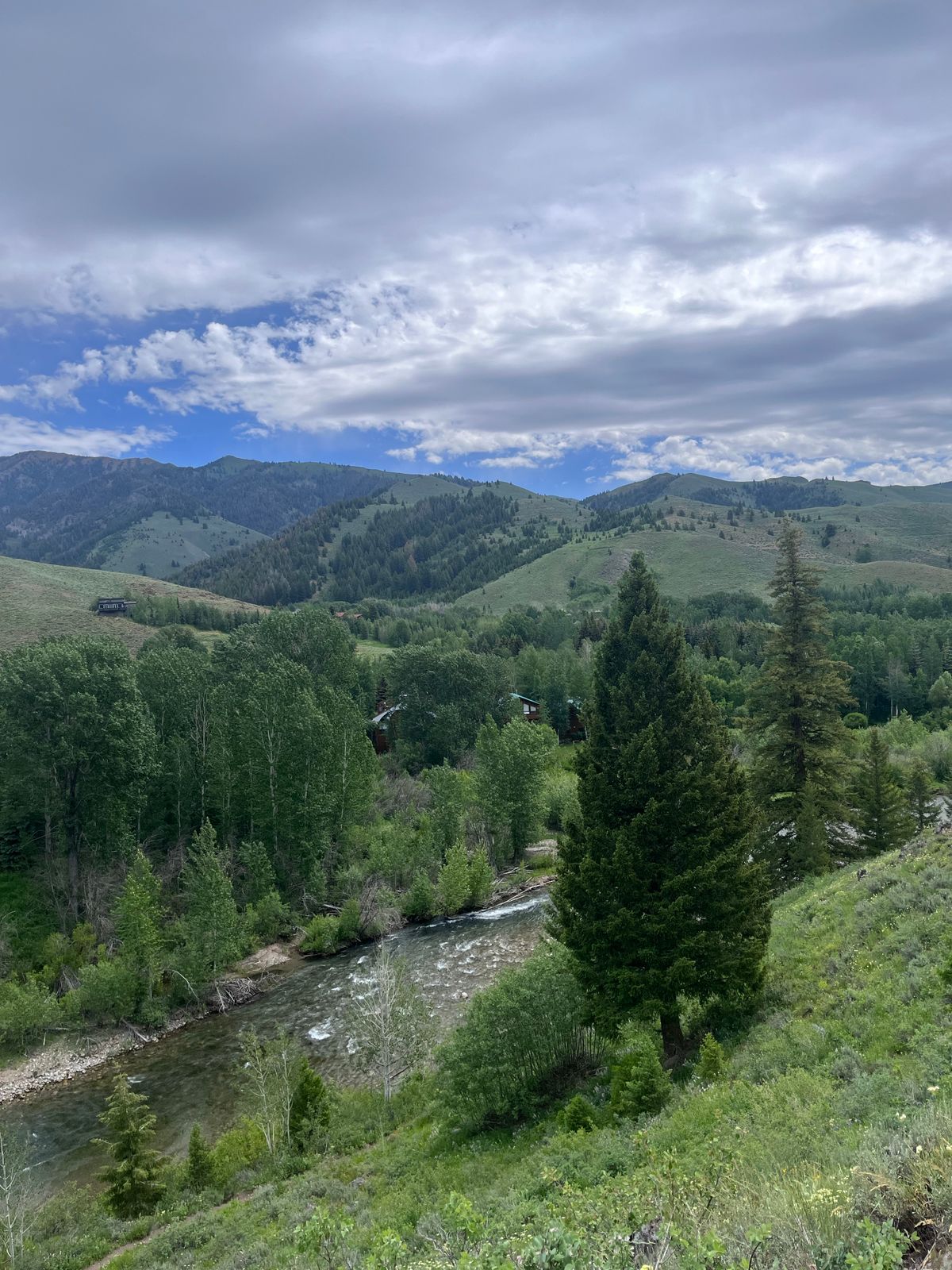

Sun Valley sits in Idaho's Wood River Valley, surrounded by mountains and fed by some of the most productive trout water in the American West. The town of Ketchum is the hub, Ernest Hemingway fished these waters and is buried here, and the fly fishing culture runs as deep as the literary one. Within an hour's drive, you can reach Silver Creek (one of the most famous spring creeks in the world), the Big Wood River (a classic freestone running through town), the South Fork of the Boise River (a blue-ribbon tailwater), and dozens of high mountain lakes holding cutthroat trout in alpine settings.
What makes Sun Valley different from Montana or Colorado is the spring creek fishing. Silver Creek is a flat, gin-clear, spring-fed stream where trout feed on prolific insect hatches in slow currents, and where every cast, every leader configuration, and every fly choice matters. It's the graduate school of fly fishing. If you've spent time on freestone rivers and want to level up your technical skills, Silver Creek is where you go.
For a broader destination overview, see our Sun Valley fishing guide. This guide covers the practical how-to, what gear to rig, what flies to tie on, and how to approach each of Sun Valley's distinct fisheries.
Silver Creek: The Graduate School
Silver Creek emerges from underground springs near Picabo, about 30 miles south of Ketchum, and flows through a flat, marshy valley at a constant 50 to 55 degrees year-round. The Nature Conservancy owns and protects the upper section, the most famous water, and welcomes anglers on a catch-and-release, fly-only basis.
The numbers are staggering: over 5,100 trout per mile, with rainbow and brown trout ranging from 12 to 25 inches. The fish are large, wild, and have seen more flies than almost any trout population in the country. They feed selectively, inspect your fly from inches away in the clear water, and refuse anything that doesn't drift perfectly drag-free.
Why It's Difficult
Silver Creek is slow, flat, and clear, the opposite of pocket water where you can get away with an imperfect drift. There's no current seam to hide your leader in, no turbulence to mask a bad mend. The trout sit in feeding lanes and sip insects off the surface with metronomic rhythm. Your fly must land softly, drift naturally, and match what the fish are actually eating, not approximately, but exactly.
Leaders: 12 to 15 feet, tapered to 6X or 7X fluorocarbon. Standard 9-foot leaders are too short, the fish see the fly line turn over and spook.
Approach: From downstream. Stay low. Wade slowly and quietly, Silver Creek's mud bottom telegraphs vibrations. Every rising fish should be studied before you cast: what insect is it eating? How often does it rise? What's the drift line?
The Hatches
PMDs (June through July): The headline hatch. Pale Morning Duns blanket the water from mid-morning through early afternoon. Sparkle Duns, cripples, and emergers in pale yellow (#16-18) outfish standard dun patterns because Silver Creek trout key on the most vulnerable life stage.
Tricos (August through September): Tiny spinners (#20-24) fall in dense mats on the surface in the early morning. The trout sip them with barely perceptible rises. This is the most technical fishing Silver Creek offers, matching a #22 Trico spinner on 7X to a sipping fish in flat water with no room for error.
Brown Drakes (June): The one hatch where Silver Creek trout abandon caution. Brown Drakes are large mayflies (#10-12) that hatch in the evening, and the trout eat them aggressively. This is the best window for a first-timer to catch a Silver Creek fish on a dry fly, the fish are less selective when the bugs are big.
BWOs (September through October): Blue Winged Olives in #18-20 bring the fall season. Overcast, drizzly days produce the best BWO hatches and the most willing fish.
Gear: A 9-foot 4-weight fly rod is ideal, a 3-weight is even better if you have one. The Orvis Clearwater 4wt or the Winston Pure 3wt are perfect Silver Creek rods. Rio Technical Trout line for the fine-diameter taper. Bring more 6X and 7X tippet than you think you need, you'll break off more than you expect.
Access and etiquette: The Nature Conservancy's Silver Creek Preserve is open to the public free of charge with a valid Idaho fishing license. The preserve maintains several parking areas and trails along the upper creek. Catch-and-release only, barbless hooks, fly fishing only. The lower creek below the preserve boundary is on private land, respect posted boundaries. The preserve limits the number of anglers during peak hatches to protect the experience, arrive early during PMD and Brown Drake season.
What to expect as a beginner: You will probably get skunked on your first trip to Silver Creek. That's normal. The fish are visible, rising consistently, and appear easy, but they refuse fly after fly from even experienced anglers. The creek teaches you to observe before you cast, to match the hatch precisely, and to present your fly without drag. Even a fishless day on Silver Creek makes you a better angler. If you want a realistic shot at catching your first Silver Creek trout, time your visit for the Brown Drake hatch in mid-June, the large flies bring the fish's guard down.
Fly Fishing the Brown Drake Hatch on Silver Creek, Picabo ID Dry Fly Fishing: Silver Creek, Idaho Brown DrakesBig Wood River: The Freestone Through Town
The Big Wood River is Sun Valley's hometown water. It flows right through Ketchum, offering walk-and-wade fly fishing within blocks of restaurants and hotels. The river holds wild rainbow trout averaging 12 to 14 inches, with 18-inch-plus fish in the best runs, and brown trout in the lower sections near Bellevue and Magic Reservoir.
Why Beginners Should Start Here
The Big Wood is more forgiving than Silver Creek. It's a freestone river, riffles, runs, pools, and pocket water with enough current to mask leader shadows and minor drag issues. You can catch fish on a wider range of techniques and with slightly heavier tippet (5X). The fish are wild and wary, but they haven't been educated to Silver Creek levels.
Where to fish: The stretch from Ketchum downstream through Hailey is the most accessible, with numerous bridge and trail access points. The section below Bellevue toward Magic Reservoir holds the largest browns but requires a longer walk or vehicle shuttle.
Techniques: Dry-dropper rigs work all summer, a size 14 Elk Hair Caddis or Stimulator on top with a Pheasant Tail or Copper John nymph trailing 18 inches below. During summer, hopper-dropper rigs (foam hopper pattern with a small nymph) produce aggressive strikes in the faster water.
Hatches: BWOs in spring and fall, caddis from June through August, PMDs in June and July, and the September Mahogany Dun hatch, one of the best fall hatches on any Idaho river.
Gear: A 9-foot 5-weight fly rod, the standard western trout setup. For spin fishing, a 7-foot ultralight with small Panther Martin or Blue Fox spinners catches rainbows in the faster pocket water.
Hemingway connection: Ernest Hemingway spent his last years in Ketchum, and the Big Wood River was his home water. He fished it regularly, and the river's character, clear, accessible, surrounded by mountains, hasn't changed much since his time. His grave is at the Ketchum Cemetery, a short walk from fishable water. The literary history adds a layer to the experience that few fishing destinations can match.
Wading tips: The Big Wood's cobble bottom is slippery, felt soles or studded rubber boots are strongly recommended. The river is wadeable in most sections during summer flows, but spring runoff (May through mid-June) makes it too high and fast for safe wading. Check flows at waterdata.usgs.gov before heading out. During runoff, switch to Silver Creek (which doesn't experience runoff since it's spring-fed) or fish the smaller tributaries.
Fishing the Big Wood River, Ketchum IdahoSouth Fork of the Boise River: The Tailwater
The South Fork of the Boise below Anderson Ranch Dam is a blue-ribbon tailwater about an hour and a half south of Sun Valley. The dam-controlled flows create stable conditions that support huge rainbow trout, fish in the 14- to 20-inch range are standard, with occasional 24-inch fish in the canyon section. Bull trout (catch-and-release only) also inhabit the deeper pools.
Technique: Nymphing is the primary approach. The South Fork has strong, even currents that carry insects through long drift lanes, making it ideal for indicator nymphing with a two-nymph rig. Pat's Rubber Legs (#8), Pheasant Tail (#16-18), and Copper John (#14-16) cover most situations. Stonefly hatches in June bring some dry-fly opportunities.
Regulations: Artificial lures and flies only, single barbless hooks. Bull trout are always catch-and-release. The canyon section requires a hike or float, most anglers fish with a guide in a drift boat.
Guided float trips: $500 to $700 for a full day for two anglers. The guide provides the drift boat, rods, flies, and lunch. This is the best way to experience the South Fork as a visitor, the water is big and reading it takes local knowledge.
South Fork of the Boise River: Winter FishingHigh Mountain Lakes
The mountains surrounding Sun Valley hold dozens of alpine lakes and high-country streams that provide a completely different fishing experience, backcountry cutthroat trout in pristine settings, accessed by hiking trails. The Sawtooth Wilderness, White Cloud Mountains, and Pioneer Mountains all have fishable alpine lakes within day-hike or backpacking range.
What to expect: Small cutthroat and brook trout (6 to 14 inches) in crystal-clear water at 7,000 to 9,000 feet. The fish are not large, but they're wild, they're beautiful, and the setting is spectacular. A lightweight 3- or 4-weight fly rod with a selection of small dry flies (Adams, Elk Hair Caddis, Royal Wulff in #12-16) covers most alpine situations. Or bring an ultralight spinning rod with small spinners and PowerBait for the stocked lakes.
Season: July through September, many alpine lakes are frozen or snowbound until July. Mosquitoes can be fierce in early July; bring bug spray.
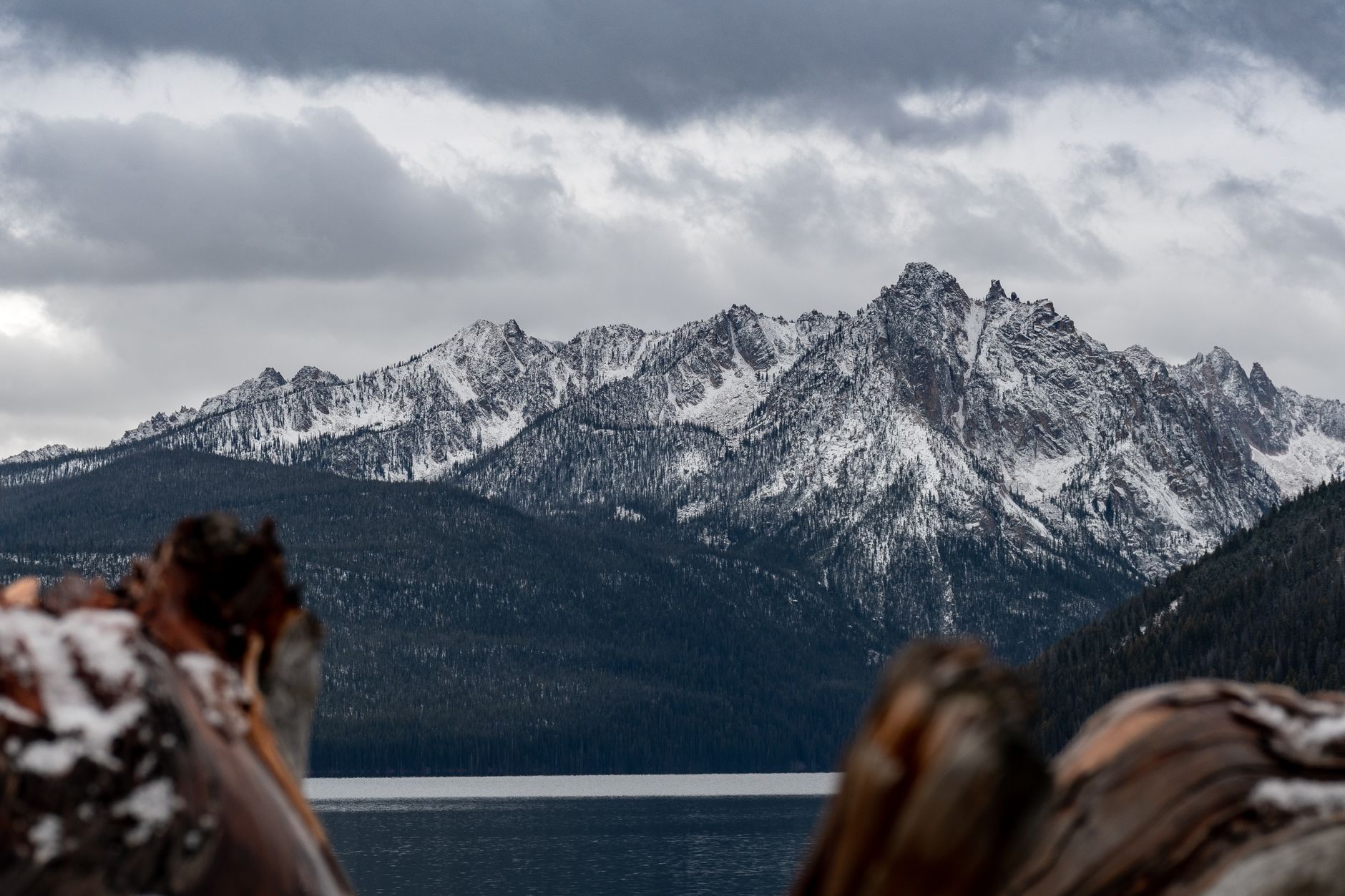
Recommended lakes: Redfish Lake near Stanley (1.5 hours north) is the most accessible and holds kokanee salmon, bull trout, and rainbow trout. Alturas Lake and Petit Lake in the Sawtooth Valley offer shoreline fishing with mountain views. For backcountry cutthroat, the trails into the White Cloud and Pioneer Mountains lead to lakes that see only a handful of anglers per season, the fish are small but eager, and the solitude is the real reward.
Idaho Trout Heaven, Sun ValleyGear for Beginners
Silver Creek: A 9-foot 3- or 4-weight fly rod, Orvis Clearwater 4wt, Winston Pure 3wt. Rio Technical Trout line. Leaders 12-15 feet, 6X and 7X fluorocarbon tippet. This is not a place for heavy tackle.
Big Wood River: A 9-foot 5-weight, Echo Base Kit, Orvis Clearwater 5wt, Sage Foundation 5wt. Standard 9-foot leaders tapered to 5X. Simms Freestone wading boots for the cobble bottom.
South Fork Boise: Same 5-weight as the Big Wood. Waders are essential, the water is cold year-round from the dam release.
Essential flies for a Sun Valley trip: Sparkle Dun PMD #16-18, Elk Hair Caddis #14-16, Pheasant Tail #16-20, Copper John #14-16, Pat's Rubber Legs #8, Adams #14-18, BWO Emerger #18-20, Trico Spinner #20-24, Brown Drake #10-12, and a handful of Woolly Buggers in olive and black #6-10.
Fishing License
Idaho requires a fishing license for anyone 14 or older. Non-residents pay $112.75 annually or $25.75 for a one-day license. A three-day license is $56.75, a good value for a weekend trip. Buy online at idfg.idaho.gov or at any sporting goods store. No additional trout stamp is needed, the standard license covers all species.