Fish
Fish Fire
Fire Hike
Hike Bird
Bird

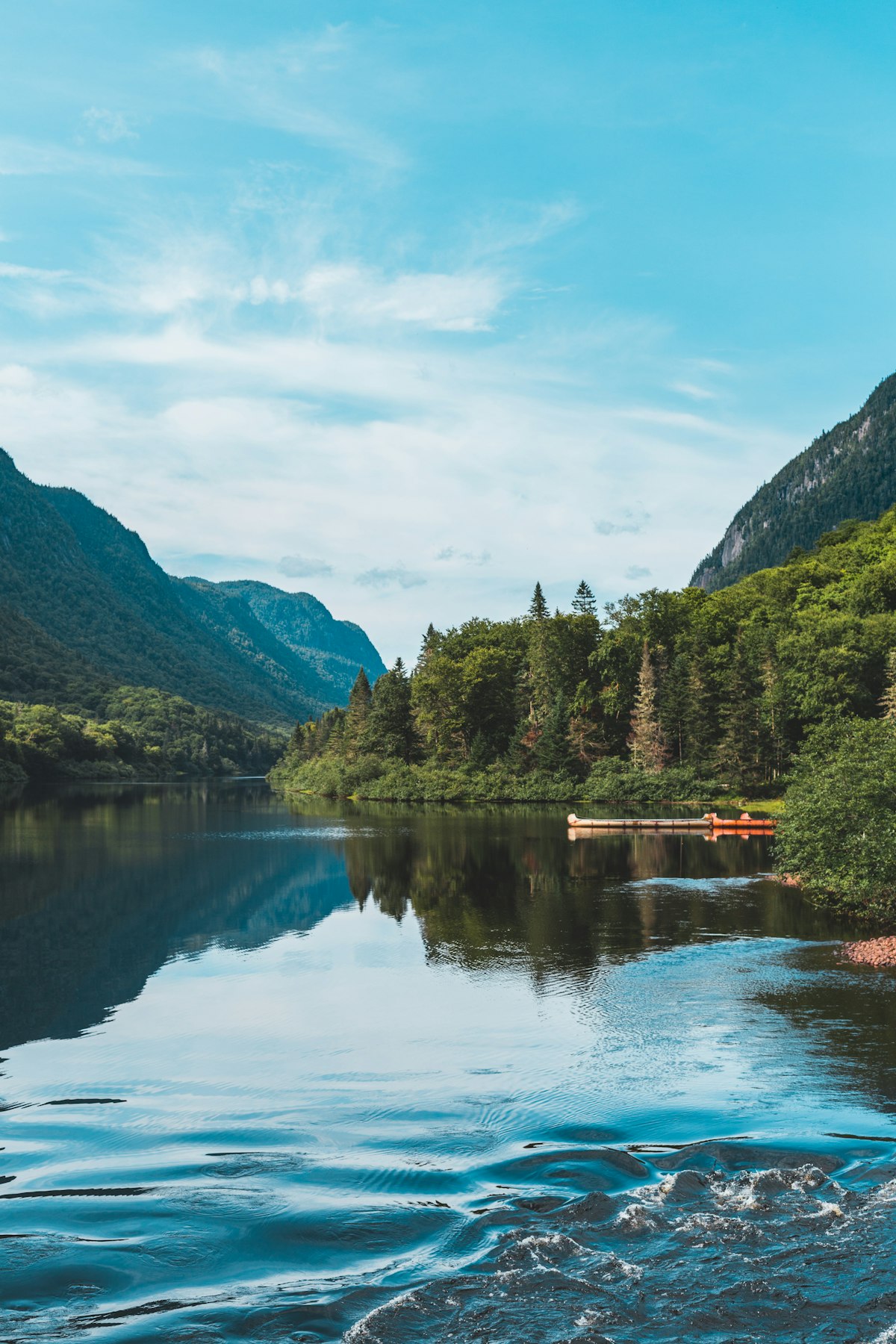

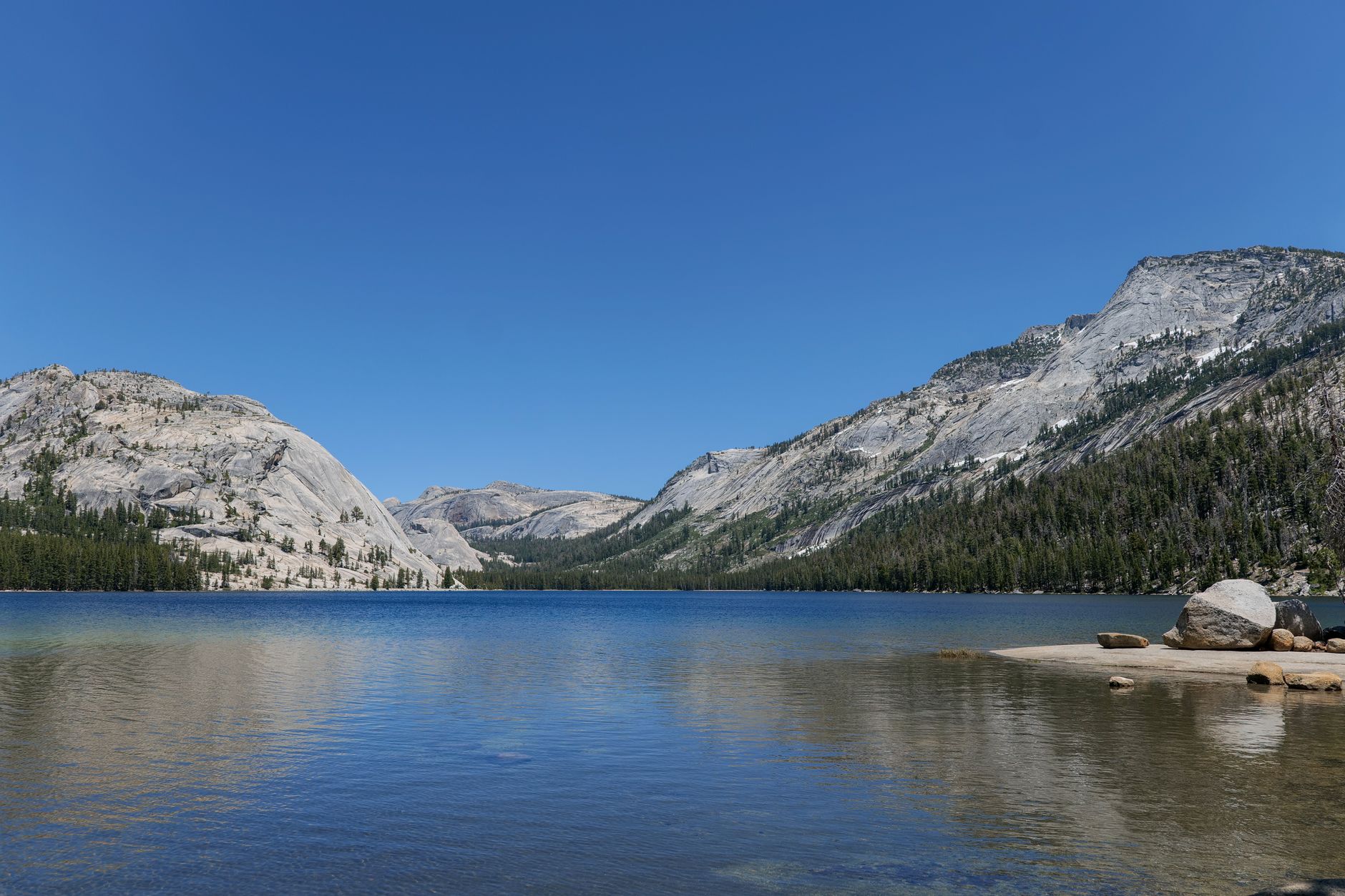
Lake Tahoe sits at 6,225 feet in the Sierra Nevada, straddling the California-Nevada border. It's the second-deepest lake in the United States (1,645 feet at its maximum), and the clarity of the water, you can see objects 70 feet below the surface, is legendary. The lake covers 191 square miles and holds fish that thrive in its cold, deep, ultra-clear water.
The fishing here is defined by depth. The lake's fish live at specific strata, mackinaw lake trout hold deep, rainbow and brown trout cruise the nearshore structure, and kokanee salmon school at intermediate depths along the thermocline. Understanding which species lives at which depth, and how the seasons shift those patterns, is the key to fishing Tahoe.
Mackinaw Lake Trout, The Deep-Water Predators
Mackinaw (lake trout) are Tahoe's most popular gamefish and the species most charter boats target. They hold along the bottom in 60 to 200 feet of water during the warmer months, moving shallower (30 to 80 feet) in early spring and late fall when surface temperatures drop.
The fish average 16 to 25 inches, with mackinaw over 30 inches caught every season and occasional fish exceeding 20 pounds. They're predators that eat smaller fish, primarily crawdads and Lahontan redside shiners, and they respond to trolled spoons, minnow imitators, and jigged tube jigs.
Trolling with downriggers is the primary technique, running lures at specific depths along the bottom contour, targeting the rocky shelves, drop-offs, and underwater structure where mackinaw hold. You watch the electronics, adjust the depth, and keep the boat over the productive structure. When a mackinaw hits, a heavy pull, not a screaming run, the fight is a deep-water tug-of-war against a fish that uses the lake's depth as leverage.
Jigging from an anchored or slowly drifting boat over known structure is the alternative, dropping tube jigs, spoons, or swimbaits to the bottom and working them vertically. Jigging is more hands-on than trolling and can produce larger fish that hold tight to specific structure.
Best mackinaw season: Year-round, but spring (April through June) and fall (September through November) bring fish shallower and into more accessible depths.
Kokanee Salmon, The Summer Troll
Kokanee are landlocked sockeye salmon that Tahoe has held since they were introduced in the 1940s. They school in the open water at intermediate depths (40 to 80 feet), feeding on zooplankton along the thermocline.
Kokanee trolling is a specialized technique, flashers (dodgers) with small lures or hoochies run behind downriggers at precise depths and slow speeds (1.2 to 1.8 mph). The fish are sensitive to speed, lure color, and depth, small adjustments make the difference between a limit and a blank.
The kokanee season peaks July through September, with the fish running 14 to 18 inches and averaging one to three pounds. In fall (late September through October), the kokanee turn brilliant red and push into Taylor Creek on Tahoe's west shore for their spawning run, one of the great wildlife spectacles in the Sierra. Fishing is open through September 30 during the run.
Rainbow and Brown Trout, The Nearshore Game
Rainbow trout cruise the nearshore water and around creek mouths, especially in spring and fall when the surface temperature is in their preferred range. They average 14 to 18 inches, with fish over 20 inches caught near the inlets and along the rocky shoreline.
Brown trout are the lurkers, holding in deeper nearshore structure, around rocky points, and near creek mouths. They're less numerous than rainbows but tend to be larger, and the occasional brown over 24 inches gives the nearshore fishery a trophy component.
Trolling near the surface (10 to 30 feet) with spoons and stickbaits along the shoreline targets both species. Shore fishing from the rocks and piers, especially near creek mouths in spring, produces rainbows for anglers without boats.
The Truckee River, Below the Dam
The Truckee River flows out of Lake Tahoe through Tahoe City and downstream 120 miles to Pyramid Lake in Nevada. The upper Truckee through the town of Truckee holds wild brown and rainbow trout in a classic freestone setting, pocket water, riffles, and runs through a canyon of pines and granite.
The Truckee fishes best from June through October after spring runoff clears. Brown trout are the primary target, the river holds some genuinely large browns that eat streamers and nymphs in the deeper pools. The upper river is wadeable and accessible from multiple access points along Highway 89 and I-80.
Fly fishing on the Truckee is excellent, the river's hatches (PMDs, caddis, stoneflies, BWOs) bring fish to the surface, and the pocket-water structure rewards accurate casting and good drift management.
Emerald Bay and Other Lake Spots
Emerald Bay on Tahoe's west shore is the most scenic fishing spot on the lake, a deep, cliff-walled inlet that holds mackinaw, rainbow, and brown trout against a backdrop that belongs on a postcard. The clear water and rocky structure make it a favorite for trolling and jigging.
Zephyr Cove on the east shore is a popular charter departure point with productive mackinaw water nearby. Cave Rock and Sand Harbor offer shore-fishing access.
When to Go
- April–June: Mackinaw moving shallow, spring rainbows at creek mouths, Truckee River opening
- July–September: Peak kokanee trolling, mackinaw consistent deep, the busiest charter season
- September–October: Kokanee spawning run at Taylor Creek, fall mackinaw moving shallow, Truckee River browns
- November–March: Winter mackinaw jigging (the lake doesn't freeze), Truckee River fishing in snow