Seward Fishing: Resurrection Bay, Kenai Fjords, and the Silver Salmon Capital of the Kenai Peninsula
← All field notes

Seward · Alaska

Seward Fishing: Resurrection Bay, Kenai Fjords, and the Silver Salmon Capital of the Kenai Peninsula

Seward sits at the head of Resurrection Bay, a deep, glacier-carved fjord on the Kenai Peninsula. The bay funnels silver salmon in numbers that rival any port in Alaska, and the Kenai Fjords beyond hold halibut and rockfish in genuinely wild water.

Colin Van Dyke

Colin Van Dyke

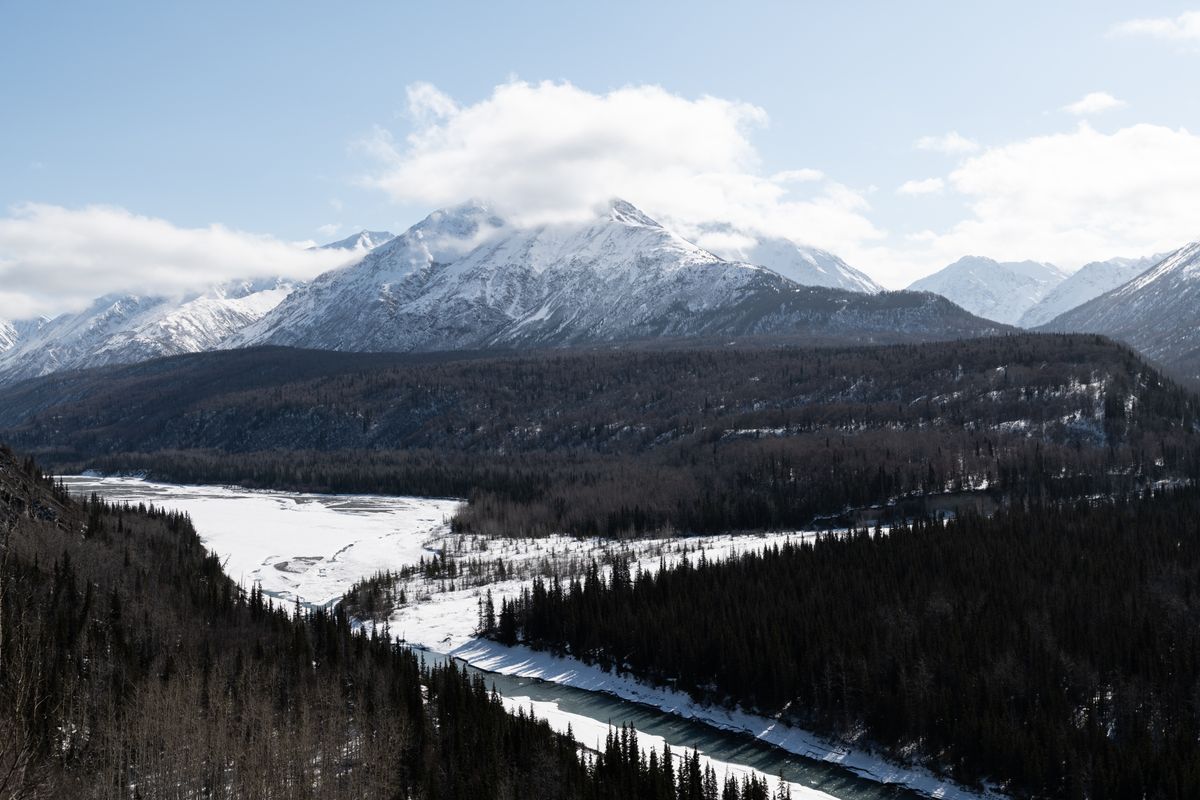
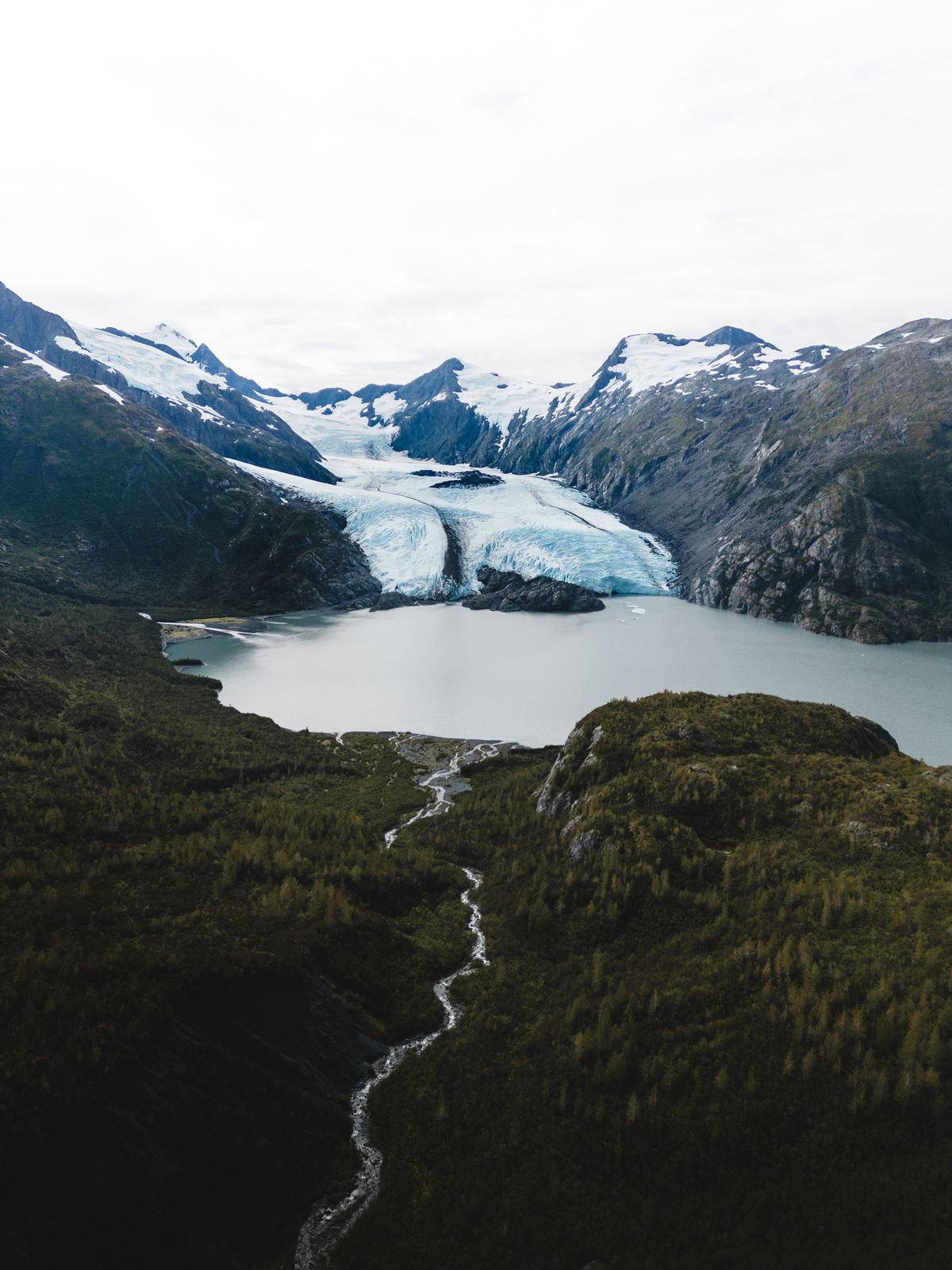
Seward sits at the head of Resurrection Bay, a deep, narrow fjord carved by glaciers on the eastern shore of the Kenai Peninsula. The town is the gateway to Kenai Fjords National Park, a landscape of tidewater glaciers, rocky coastline, and ice-blue water that's as visually dramatic as any fishing destination in Alaska.

The fishing here is built on three layers: Resurrection Bay itself, which concentrates silver salmon in enormous numbers every summer; the nearshore reefs and rocky structure that hold halibut, lingcod, and rockfish; and the remote bays and passages of Kenai Fjords National Park, where the fishing is wilder and the scenery is world-class.

Silver Salmon, The Bay Fills Up

Seward has one of the best silver salmon (coho) fisheries on the entire Kenai Peninsula, and the run timing makes it the centerpiece of the season. Silvers begin entering Resurrection Bay in early July, building through the month and peaking in late July through early August. By mid-run, the bay holds dense schools of fish staging before they push into the rivers and streams to spawn.

The fish average 8 to 12 pounds, with occasional silvers pushing 15. They're caught by trolling herring and hoochies at shallow to mid-depths (10 to 40 feet) in the bay, and on good days the action is nonstop, double hookups, fish after fish, with silvers jumping and running alongside the boat.

What makes Seward's silver run special is the concentration. Resurrection Bay is narrow and deep (over 900 feet in places), which funnels the salmon into a smaller area than the open coast. Charter boats don't have to run far to find fish, the productive water starts within minutes of the harbor.

The Silver Salmon Derby, held every August, is Seward's biggest fishing event, a multi-day tournament that draws hundreds of anglers and awards prizes for the heaviest fish. It's a community event as much as a fishing tournament, and the weigh-ins at the harbor are a daily spectacle.

Halibut, The Deep Bottom

Pacific halibut hold on the gravel and sand bottom of Resurrection Bay and the surrounding offshore grounds. The fishing is available from May through September, with the peak in June and July when the largest fish are most active.

Halibut in Seward's waters range from 20 to 100 pounds as standard fare, with fish over 150 caught every season. The technique is bottom fishing in 100 to 300 feet of water, dropping heavy jigs or herring rigs to the floor and working them until a halibut settles on. The fight is a deep-water tug-of-war, halibut use their flat bodies as brakes against the current, and bringing a big one up from 200 feet takes time and arm strength.

Combo trips, half the day trolling for silver salmon, half the day anchored for halibut, are the most popular charter format and put clients on two very different species in the same outing.

Rockfish, Lingcod, and the Reefs

The rocky reefs and pinnacles in Resurrection Bay and along the Kenai Fjords coastline hold rockfish in extraordinary diversity, yelloweye, black, quillback, copper, and several other species. They're caught as bycatch on halibut trips and as targeted species on dedicated reef trips.

Lingcod hold on the same rocky structure, ambushing prey with a violence that makes the hookup feel like snagging the bottom, until the bottom starts moving. Fish of 20 to 40 pounds are standard, and the fight against the rocky structure keeps the angler honest.

Pacific cod round out the bottom-fishing menu, less glamorous but plentiful and excellent eating.

Kenai Fjords, The Wild Water

Beyond Resurrection Bay, Kenai Fjords National Park stretches southwest along the coast, a landscape of tidewater glaciers, sea stacks, and remote bays that's accessible only by boat. Longer fishing trips run into the park's waters for halibut, rockfish, and lingcod in a setting that's as wild as Alaska gets without a bush plane.

Aialik Bay, the most popular fjord in the park, offers halibut fishing against a backdrop of glacier-calving ice and hauled-out harbor seals. Montague Island (further offshore) provides remote halibut and rockfish grounds with minimal boat traffic.

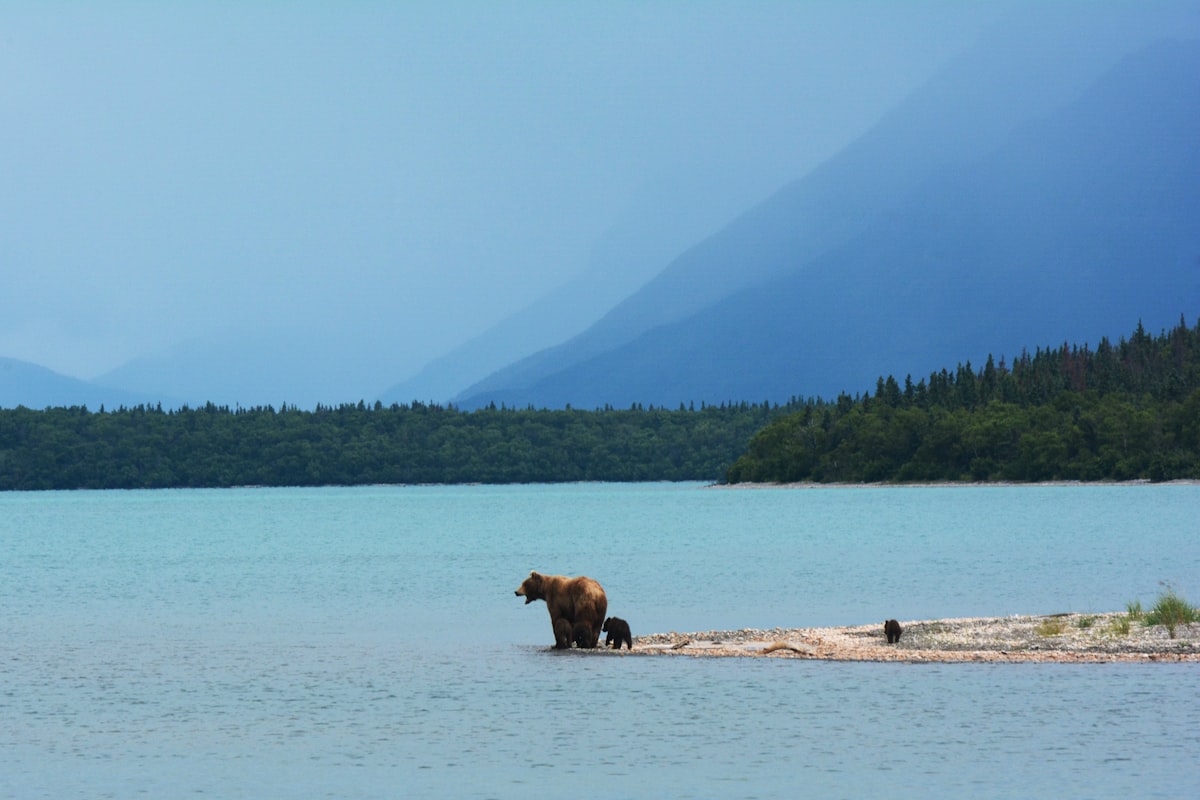
The wildlife in the fjords is part of the experience: humpback whales, orcas, Steller sea lions, puffins, sea otters, and the occasional brown bear on the shore. Several charter operators offer combination fishing and glacier-viewing trips.

Freshwater, The Rivers

Seward's surrounding rivers and streams add a freshwater component. The Resurrection River and Fourth of July Creek receive runs of silver salmon, pink salmon, and Dolly Varden char. Bank fishing at Bear Lake and the upper creek systems provides accessible freshwater fishing for anglers who want to stay on land.

When to Go

  • May–June: Early halibut, king salmon possible (check regulations), the season opens
  • July: Silver salmon arrive, halibut consistent, full charter season begins
  • August: Peak silvers, the Silver Salmon Derby, best numbers, fastest action
  • September: Late silvers in the rivers, halibut still producing, fall colors, fewer crowds
Recommended gear

  • Okuma SST Salmon Rod 9'6" MH

    Entry level, Resurrection Bay silvers and salmon rivers

  • Shimano Stradic FL 4000

    Premium, smooth drag for strong Kenai Fjords silvers

  • Penn Battle III 4000 Combo

    Mid-tier, rockfish, lingcod, and salmon versatility

  • Penn Squall II 25 Level Wind

    Mid-tier, halibut and rockfish bottom fishing

  • Blue Fox Vibrax #5 Chrome/Chartreuse

    Silver salmon spinner, deadly on Seward-area rivers

  • Pixee Spoon 7/8oz Gold

    The classic Alaska salmon spoon

  • Berkley Gulp Grub 5-inch Chartreuse

    Tipped on a jig for rockfish and lingcod

Frequently asked

Do you need a fishing license in Seward, Alaska?

Yes, Alaska requires a sport fishing license; non-residents buy 1-day ($25), 3-day ($45), 7-day ($70), or annual (~$145) licenses online or at the Seward harbor, plus a king salmon stamp for kings. On most charters you buy your own license.

How much does a Seward fishing charter cost?

A full day of guided salmon or halibut fishing out of Seward's Resurrection Bay typically runs about $300 to $425 per person on a six-pack charter, with gear, bait, and cleaning included. Combo and long-range trips cost more, and the August silver run is the busiest stretch.

When is silver salmon season in Seward?

Silvers enter Resurrection Bay in early July and peak late July through early August. The narrow bay concentrates the fish, making the action fast. The Silver Salmon Derby in August is Seward's biggest fishing event, drawing hundreds of anglers.

Can you fish in Kenai Fjords National Park?

Yes, longer charter trips run into the park's remote bays for halibut, rockfish, and lingcod against a backdrop of tidewater glaciers. Aialik Bay is the most popular destination. Combination fishing and glacier-viewing trips are available.

What is a combo trip in Seward?

The most popular charter format, half the day trolling for silver salmon, half the day anchored for halibut. You experience two completely different fisheries in one outing. Full-day trips (8-10 hours) allow time for both.

How big do halibut get in Seward?

Halibut of 20 to 100 pounds are standard, with fish over 150 caught every season. They hold on the bottom in 100 to 300 feet of water. The fight is a deep-water tug-of-war, halibut use their flat bodies as brakes and bringing a big one up from depth is a workout.

What is the Silver Salmon Derby?

A multi-day tournament held every August in Seward, awarding prizes for the heaviest silver salmon. It's a community event with daily weigh-ins at the harbor. The derby draws hundreds of anglers and books out months in advance.

More Alaska field notes

Birding Anchorage: 1,550 Feet of Boardwalk and a Bird That Flies to Antarctica

Anchorage, AK

Birding Anchorage: 1,550 Feet of Boardwalk and a Bird That Flies to Antarctica

Potter Marsh sits between a highway and the Chugach Mountains, holds at least 130 species, and may be the most accessible wildlife viewing in Alaska. Anchorage is an excellent birding city, with a short and intense season and a set of hazards no other American city has.

Fly Fishing Wrangell-St. Elias National Park: Thirteen Million Acres, Two Roads, and Rivers That Have Never Seen a Fly

McCarthy, AK

Fly Fishing Wrangell-St. Elias National Park: Thirteen Million Acres, Two Roads, and Rivers That Have Never Seen a Fly

Wrangell-St. Elias is the largest national park in America, six times the size of Yellowstone, bigger than Switzerland, and served by exactly two dirt roads. The fishing here ranges from roadside grayling on the Nabesna to fly-out wilderness rivers that have never been named on a map. This is Alaska fishing at the ragged edge of accessibility.

Fly Fishing Lake Clark National Park: Bush Planes, Leopard Rainbows, and the Rivers Nobody Else Is On

Port Alsworth, AK

Fly Fishing Lake Clark National Park: Bush Planes, Leopard Rainbows, and the Rivers Nobody Else Is On

Lake Clark National Park is Alaska's fly-out fishing frontier, four million acres of wilderness where bush planes deliver you to rivers holding 20-inch wild rainbow trout, all five Pacific salmon species, and not another angler in sight. This is the trip that ruins you for all other fishing.

Fly Fishing Kobuk Valley National Park: Sheefish, Arctic Sand Dunes, and the River at the Edge of the World

Kotzebue, AK

Fly Fishing Kobuk Valley National Park: Sheefish, Arctic Sand Dunes, and the River at the Edge of the World

Kobuk Valley National Park has no roads, no trails, and no facilities. What it has is the Kobuk River, 347 miles of arctic water holding sheefish that fight like tarpon and exist almost nowhere else in North America, plus 25 square miles of sand dunes above the Arctic Circle. Here is how to fly fish the most surreal landscape in the national park system.

Fly Fishing Kenai Fjords National Park: Exit Creek Silvers, Resurrection Bay Charters, and the Kenai River Next Door

Seward, AK

Fly Fishing Kenai Fjords National Park: Exit Creek Silvers, Resurrection Bay Charters, and the Kenai River Next Door

Kenai Fjords is 600,000 acres of glaciers, icefields, and rocky coast, not exactly a trout stream. But the gateway town of Seward is one of Alaska's great fishing ports, Exit Creek holds a legitimate silver salmon run, and the world-famous Kenai River is a 90-minute drive away. Here's how to fish a glacier park that's really about the town at its doorstep.

Fly Fishing Katmai National Park: 30-Inch Rainbow Trout, Million-Fish Salmon Runs, and Bears at Your Feet

King Salmon, AK

Fly Fishing Katmai National Park: 30-Inch Rainbow Trout, Million-Fish Salmon Runs, and Bears at Your Feet

Katmai National Park is the place where rainbow trout grow to 30 inches on a diet of salmon eggs, where a million sockeye salmon run up the Brooks River past brown bears fishing alongside you, and where the fishing is so good it feels like a nature documentary you accidentally walked into.