Fish
Fish Fire
Fire Hike
Hike Bird
Bird

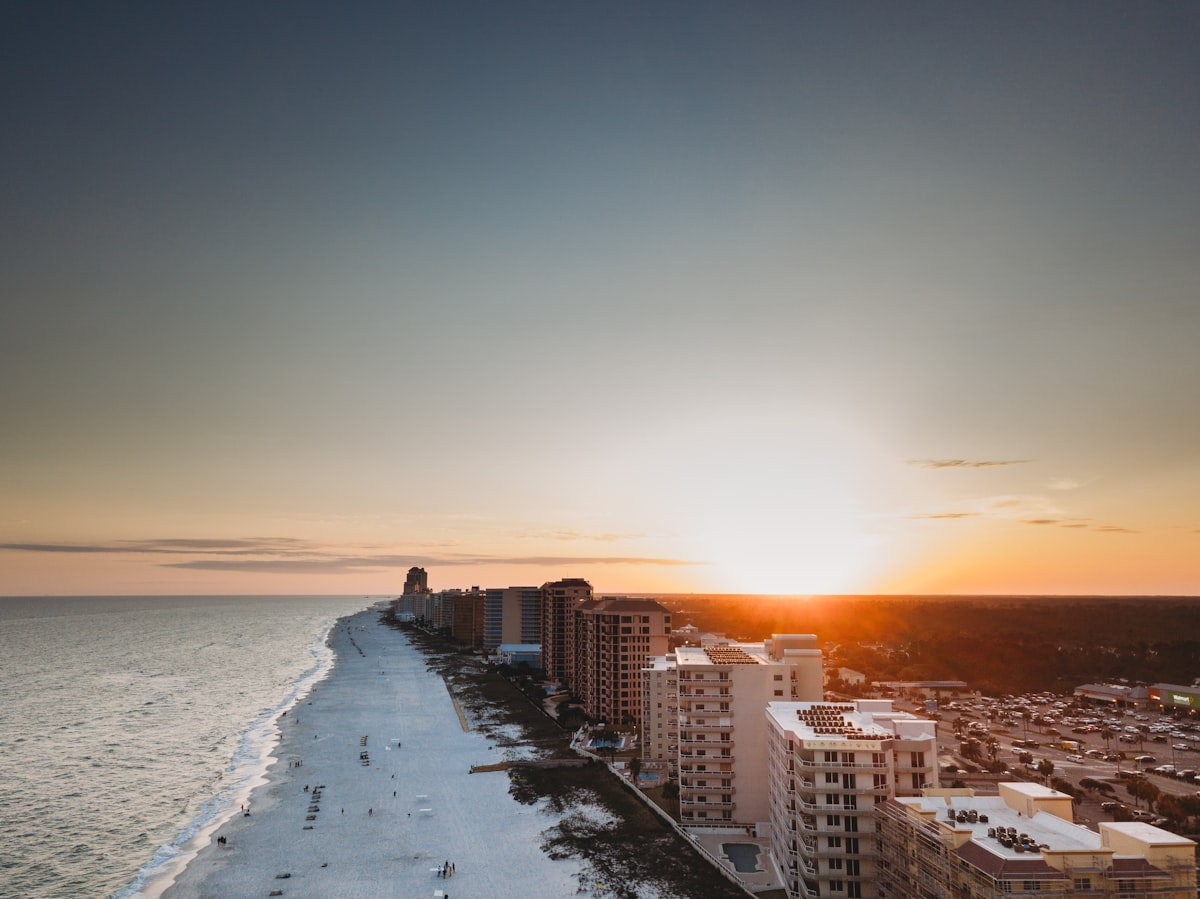

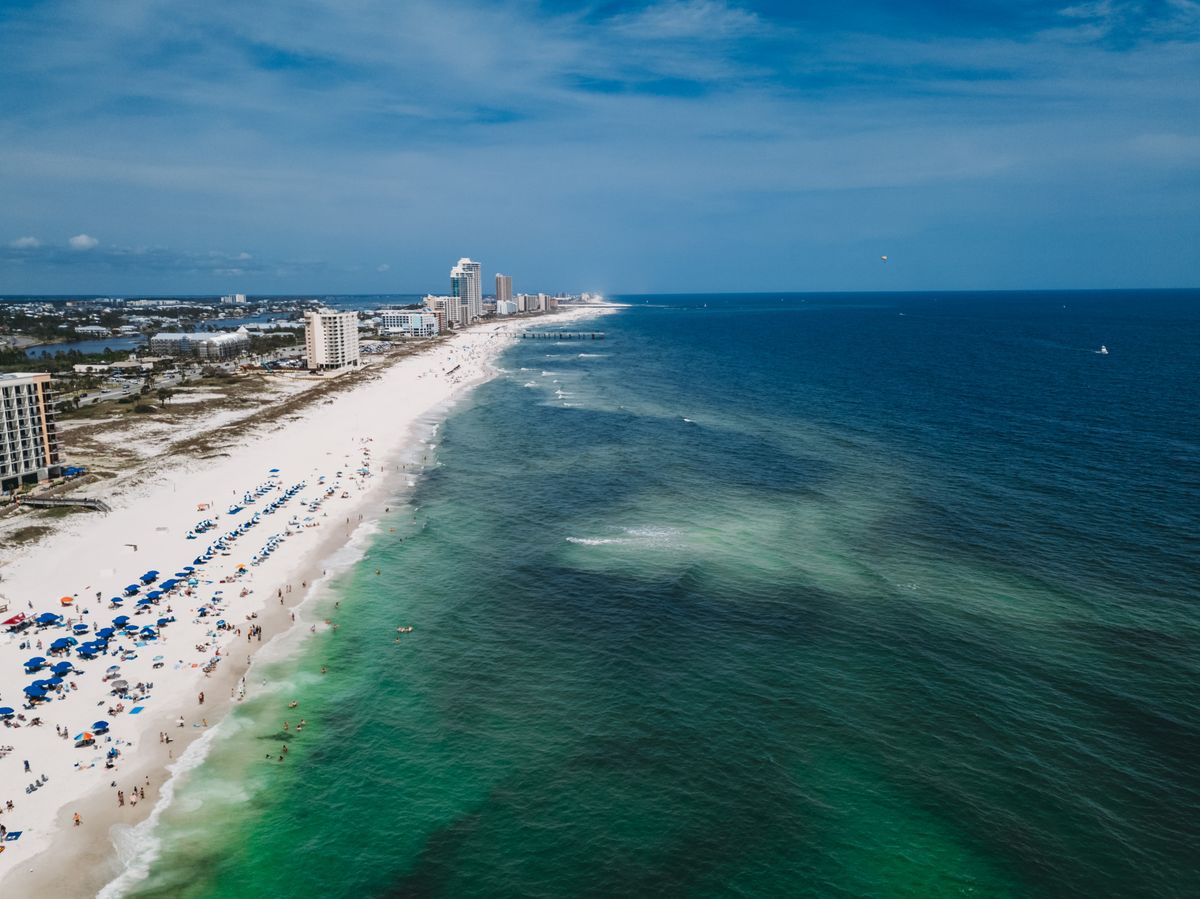
Orange Beach sits on the Alabama coast just east of Gulf Shores, separated from Perdido Key by Perdido Pass, the narrow cut that connects the back bays to the Gulf of Mexico. The town runs one of the largest charter fishing fleets on the entire Gulf Coast, with boats ranging from 24-foot bay boats to 65-foot sportfishers stacked in the marinas along the Intracoastal Waterway.
The fleet is the story. Orange Beach has invested in charter fishing the way other towns invest in golf courses or water parks, and the result is an infrastructure, marinas, fuel docks, fish-cleaning stations, tackle shops, designed to put anglers on the water efficiently. Perdido Pass puts any boat in the Gulf within minutes, and the back bays are right out the back door.
The Fleet, How It Works
The Orange Beach charter fleet operates primarily from three marinas along the Intracoastal: San Roc Cay, Sportsman Marina, and Zeke's Marina. Walk the docks in the afternoon and you'll see the boats returning, offshore rigs with fish boxes of red snapper and mahi-mahi, bay boats with coolers of trout and reds, and shark boats with photos of eight-foot blacktips.
Offshore boats (headboats, six-packs, and private charters) run red snapper, grouper, amberjack, and pelagics on half-day to full-day trips. The fleet accesses the same 17,000-plus artificial reefs that make the Alabama offshore fishery among the best in the Gulf.
Inshore boats (bay boats and flats skiffs) fish the back bays, Perdido Pass, and the ICW for redfish, speckled trout, flounder, and sheepshead.
Specialty boats run shark trips, cobia sight-fishing, tarpon charters, and deep-drop bottom fishing for tilefish and snowy grouper.
The fleet is large enough that you can usually find a boat even during peak summer season, though the best captains tend to book up well in advance.
Perdido Pass, The Choke Point
Perdido Pass is the narrow channel between Orange Beach and Perdido Key, and it's one of the most productive fishing spots on the Alabama coast. The pass concentrates tidal current, which concentrates bait, which concentrates everything that eats bait.
Bull redfish stack in the pass during fall (September through November), and the sight of a 40-inch red crashing bait in the jetty wash is an annual Orange Beach tradition. Cobia cruise through the pass from March through May, often visible on the surface, sight-casting from the jetties or a boat positioned in the pass is the spring highlight.
Tarpon roll through Perdido Pass in summer, following the tide-driven bait. Spanish mackerel run the pass from spring through fall. Sheepshead hold against the jetty rocks year-round.
The pass jetties are walkable, you don't need a boat to fish some of the best water in Orange Beach.
Offshore, The Reef System
Like neighboring Gulf Shores, Orange Beach benefits from Alabama's massive artificial reef program. The offshore reefs hold red snapper (during federal season, typically June through August), gag grouper, scamp, amberjack, triggerfish, vermillion snapper, and mingo.
Beyond the reefs, longer runs target king mackerel along the nearshore edges, mahi-mahi under debris in the blue water, and yellowfin tuna and wahoo at the deep platforms 60 to 100-plus miles out.
The offshore fishing is the same quality as Gulf Shores, they share the same reef system, but Orange Beach's larger fleet provides more options and more availability.
The Back Bays, Wolf Bay, Cotton Bayou, and Perdido Bay
Behind the beach, the sheltered bay systems hold year-round inshore fishing.
Wolf Bay and Cotton Bayou are the local favorites, shallow, protected water with grass flats, oyster bars, and dock structure holding redfish, speckled trout, and flounder. The fall inshore bite, October and November, is outstanding as cooling water pushes bait into the bays and predators feed aggressively.
Perdido Bay stretches north along the Florida border, fed by the Perdido River. The upper bay holds fresher water and largemouth bass in addition to the saltwater species, a combination trip is possible for anglers who want variety.
When to Go
- March–May: Cobia in Perdido Pass, Spanish mackerel, inshore warming up, early offshore
- June–August: Red snapper season, the peak, full fleet running, mahi-mahi and grouper
- September–November: Bull reds in the pass, fall inshore slam, king mackerel, the best overall
- December–February: Sheepshead on the jetties, deep-hole trout, offshore bottom fishing