Ocean City Fishing: The White Marlin Capital and the Canyons That Made It Famous
← All field notes

Ocean City · Maryland

Ocean City Fishing: The White Marlin Capital and the Canyons That Made It Famous

Ocean City earned its White Marlin Capital nickname in 1939, and the offshore canyons that created that reputation still produce marlin, tuna, and swordfish alongside a back-bay flounder fishery that locals guard like a secret.

Colin Van Dyke

Colin Van Dyke

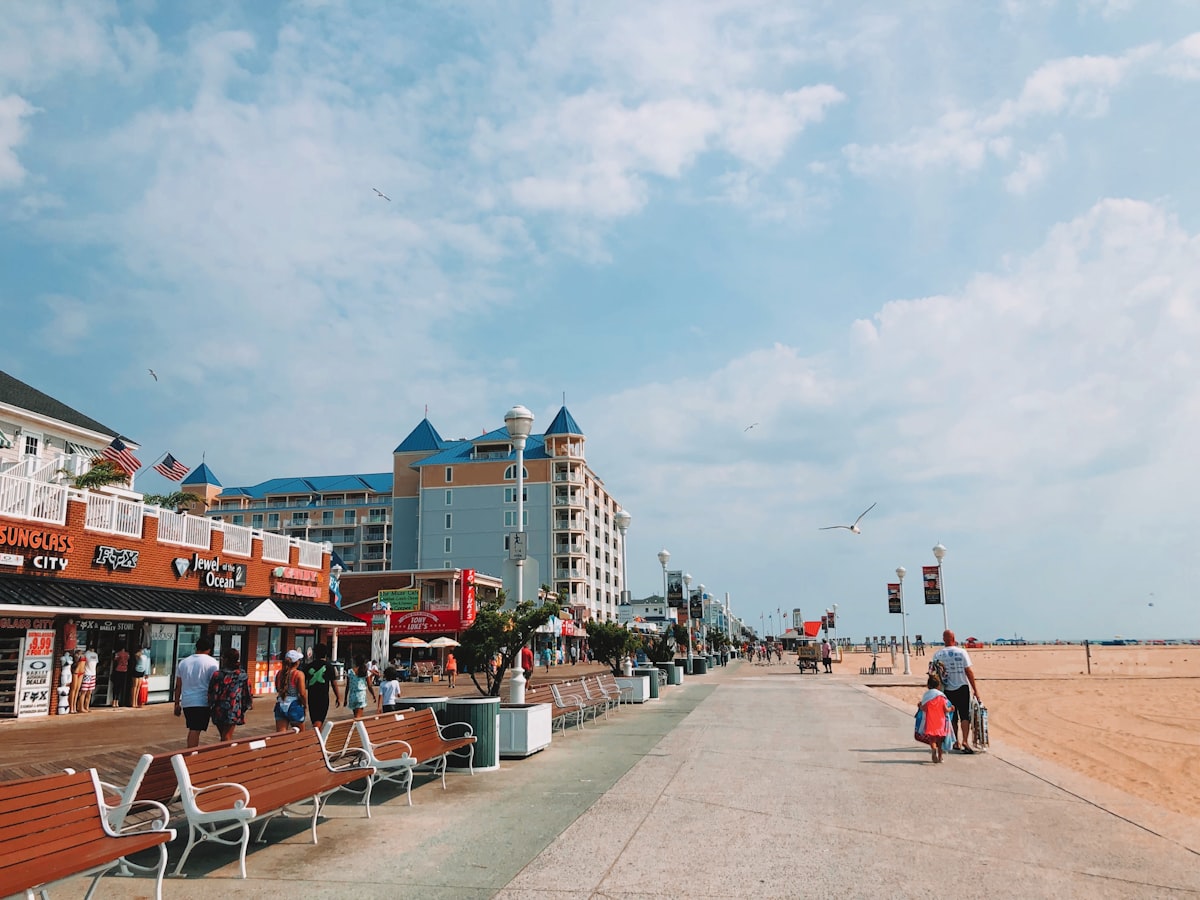
Ocean City, Maryland sits on a barrier island between the Atlantic Ocean and the Isle of Wight and Assawoman Bays. The town has called itself the White Marlin Capital of the World since 1939, when 171 white marlin were boated in a single day from the offshore waters, a catch rate that established the reputation and launched a tournament scene that continues today.

The offshore canyons, Baltimore, Poor Man's, Washington, Norfolk, lie 50 to 80 miles southeast, and they hold white marlin, blue marlin, yellowfin tuna, bigeye tuna, swordfish, and wahoo in a seasonal rotation that keeps the charter fleet running from May through November. But Ocean City isn't just an offshore town. The back bays hold a flounder, striper, and sea bass fishery that's productive, accessible, and often overlooked by visitors focused on the marlin fleet.

The Canyons, Marlin, Tuna, and the Tournament Scene

The submarine canyons off Ocean City are cuts in the continental shelf where deep water pushes close to the edge, creating upwellings of nutrient-rich water that feeds the entire food chain. The result is a concentration of blue-water species at distances that are long but reachable on a single-day charter.

White marlin are the signature species. They show up in June and the bite builds through summer, peaking in August, which is when the White Marlin Open, one of the largest and richest billfish tournaments in the world, runs out of Ocean City. The tournament regularly pays out millions in prize money, and the weigh-ins at Harbour Island draw thousands of spectators.

White marlin are caught by trolling ballyhoo, squid, and artificial spreads along the canyon edges and temperature breaks. They're catch-and-release in most situations, and the sight of a white marlin lighting up behind the spread, blue and purple bars flashing on its body, is the defining image of Ocean City offshore fishing.

Blue marlin are less common but present from June through September. Fish over 500 pounds have been caught in the canyons off Ocean City.

Yellowfin tuna stack along the canyon edges from late spring through fall. The tuna bite can be outstanding, chunking at the edge of the canyon, dropping live bait into the color change, and hooking fish that run 30 to 80 pounds. Bigeye tuna are the deep-water prize, caught on nighttime trips or deep-drop techniques.

Swordfish have become a growing fishery, daytime deep-drop swordfishing in 1,000 to 1,500 feet of water produces broadbills that most anglers have never caught. It's specialized work, but the Ocean City fleet is experienced at it.

The Back Bays, Flounder Country

The Isle of Wight Bay and Assawoman Bay sit behind the barrier island, connected to the ocean through the Ocean City Inlet. These shallow, protected bays hold a flounder fishery that rivals anywhere on the mid-Atlantic coast.

Flounder (summer flounder/fluke) are the back-bay headliner. They lie on the sandy and muddy bottom along channel edges, near bridge pilings, and around the inlet jetties, ambushing bait that drifts past. Drifting with bucktail jigs tipped with minnow, squid, or Gulp strips is the standard technique. Doormat flounder, fish over seven pounds, are caught in the back bays every season.

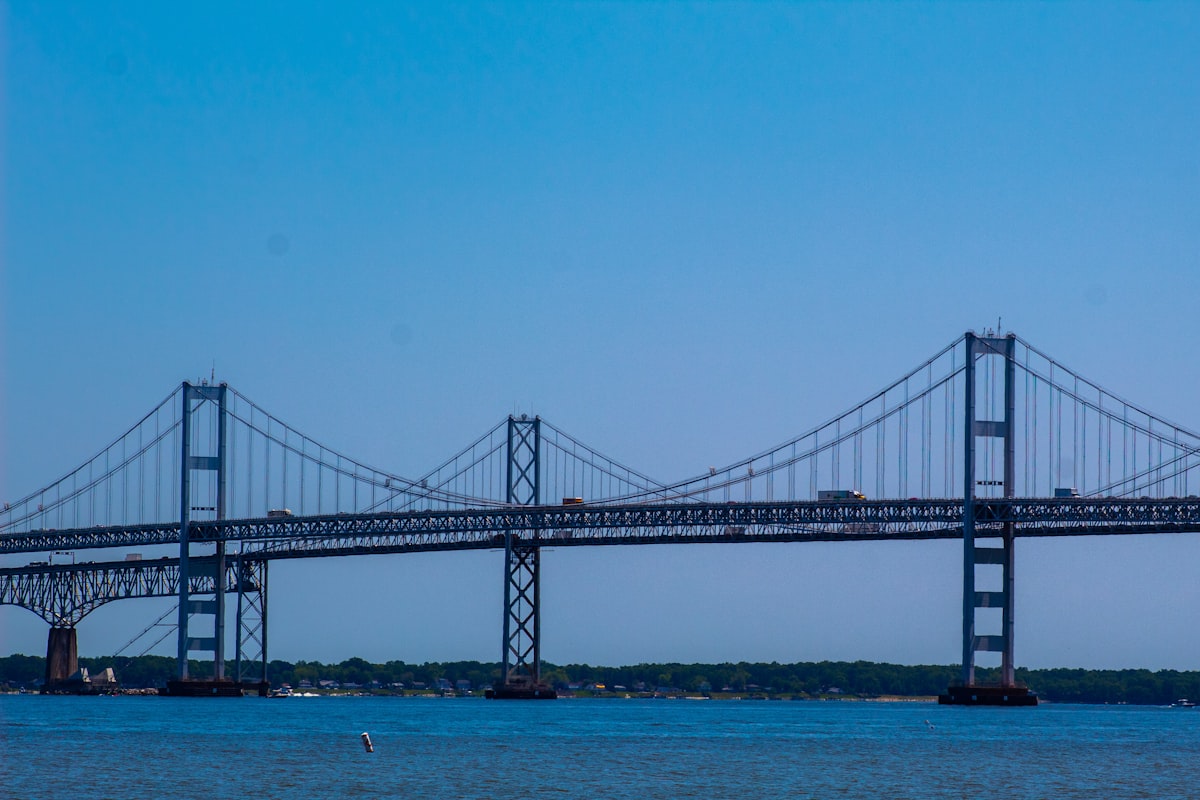
Striped bass (rockfish) run the bays and surf from spring through early winter. The fall striper run brings big fish through the inlet, and casting to them from the jetties or the Route 50 bridge is a local tradition.

Sheepshead, tautog (blackfish), black sea bass, and bluefish round out the inshore and nearshore options, with each species peaking in its own season.

Pier and Surf Fishing

Ocean City's beach and the inlet jetties provide shore-based access. Kingfish (whiting), spot, croaker, and bluefish are caught from the beach. The inlet jetties produce stripers, flounder, sheepshead, and tautog, the rock structure concentrates fish in a narrow area.

When to Go

  • May–June: Flounder in the bays, tuna starting offshore, tautog on the wrecks
  • July–August: Peak white marlin and tuna, tournament season, the offshore main event
  • September–October: Fall striper run, flounder still strong, tuna and wahoo offshore
  • November–February: Winter stripers, tautog on the wrecks, sea bass on the reefs
Recommended gear

  • Penn Battle III 5000 Combo

    Mid-tier, Ocean City surf, inlet, and offshore

  • Penn Pursuit IV 4000 Combo

    Entry level, pier and bay fishing

  • Shimano Saragosa SW 6000

    Premium, white marlin trolling and tuna chunking

  • Gotcha Plug Silver

    Cast off the OC pier for bluefish and mackerel

  • Berkley Gulp Swimming Mullet 4-inch

    Flounder in the inlet and back bays

  • Spro Prime Bucktail 2oz White

    Flounder drifting in the OC inlet

Frequently asked

Do you need a fishing license in Ocean City, Maryland?

On a charter or licensed head boat, the boat's license covers everyone. Fishing on your own from the surf, inlet, or a private boat, non-residents need a Maryland fishing license (a short-term Chesapeake/Atlantic option is available) through the Maryland DNR. The surf and some piers may fall under the angler registry.

How much does an Ocean City fishing charter cost?

Inshore and bay trips for flounder and rockfish typically run about $500 to $800 for a half to full day. Ocean City's signature offshore canyon runs for white and blue marlin, tuna, and mahi are full-day, big-boat trips that range from about $2,000 to $3,500. Head boats are the budget option at roughly $60 to $120 per person.

Why is Ocean City called the White Marlin Capital?

In 1939, 171 white marlin were boated in a single day from Ocean City's offshore waters, establishing the reputation. The White Marlin Open, held every August, is one of the largest and richest billfish tournaments in the world, regularly paying out millions in prize money.

When is the best offshore fishing in Ocean City?

July and August are peak for white marlin and yellowfin tuna, tournament season. The canyons (50-80 miles out) produce marlin, tuna, wahoo, and swordfish from May through November. August is the single best month for the full offshore species roster.

What is flounder fishing like in Ocean City?

The back bays, Isle of Wight and Assawoman, hold one of the best flounder fisheries on the mid-Atlantic coast. Fish hold along channel edges and bridge pilings. Drifting with bucktail jigs produces doormat flounder over seven pounds every season. It's accessible and productive.

How far are the canyons from Ocean City?

The submarine canyons (Baltimore, Poor Man's, Washington, Norfolk) lie 50 to 80 miles offshore. Full-day canyon trips leave before dawn and return by evening. The run is long but the fishing is world-class for marlin, tuna, swordfish, and wahoo.

What is the White Marlin Open?

The White Marlin Open is an annual billfish tournament held in August out of Ocean City. It's one of the richest fishing tournaments in the world, with millions in prize money. The weigh-ins at Harbour Island are a major spectator event. Hundreds of boats compete over five days.

More Maryland field notes

The Size Limit Changes in the Middle of the Season

Annapolis, MD

The Size Limit Changes in the Middle of the Season

Maryland raises the minimum blue crab size from five inches to five and a quarter in mid-July. Nothing about the crabs changes on that date. What changes is that the year class has had time to grow, and the state raises the bar to let it.

How to Fish Ocean City, MD: A Beginner's Guide to the Inlet, Piers, Head Boats, and the Canyons

Ocean City, MD

How to Fish Ocean City, MD: A Beginner's Guide to the Inlet, Piers, Head Boats, and the Canyons

Everything a first-timer needs to fish Ocean City, Maryland, the inlet jetties for stripers and flounder, pier fishing for croaker, head boats for sea bass and flounder, surf fishing, and offshore canyon trips for tuna and marlin. Gear, rigs, and practical tips.

How to Fish Chesapeake Bay: A Beginner's Guide to Rockfish, Blue Catfish, Crabbing, and the Bay's Best Techniques

Chesapeake Bay, MD

How to Fish Chesapeake Bay: A Beginner's Guide to Rockfish, Blue Catfish, Crabbing, and the Bay's Best Techniques

Everything a first-timer needs to fish Chesapeake Bay, trolling umbrella rigs for rockfish, chumming and live-lining, blue catfish on cut shad, pier fishing, crabbing, charter options, and practical details for visiting anglers in Maryland and Virginia.

How to Fish Annapolis, Maryland: A First-Timer's Guide to Rockfish, Perch, and Blue Crabs

Annapolis, MD

How to Fish Annapolis, Maryland: A First-Timer's Guide to Rockfish, Perch, and Blue Crabs

What a beginner needs to fish Annapolis and the Chesapeake Bay, the Maryland license and rockfish rules, light-tackle jigging the Bay Bridge, trolling the main stem, bottom fishing for perch and spot, catching blue crabs, and the gear and bait that actually work on the Bay.

Annapolis Fishing: Rockfish, Bridge Pilings, and the Chesapeake Bay Playbook

Annapolis, MD

Annapolis Fishing: Rockfish, Bridge Pilings, and the Chesapeake Bay Playbook

Annapolis sits where the Severn River meets the Chesapeake Bay, the largest estuary in the country. The fishing revolves around structure: bridges, channel edges, oyster bars, and the Bay Bridge.

How to Fish the Chesapeake Bay: A Beginner's Guide to Rockfish, the Bay's Species, and Blue Crabs

Chesapeake Bay, MD

How to Fish the Chesapeake Bay: A Beginner's Guide to Rockfish, the Bay's Species, and Blue Crabs

The Chesapeake is the largest estuary in the U.S. and the striped bass nursery of the East Coast. Here's the whole-bay guide, Maryland to Virginia, to rockfish, the Bay's deep cast of species, blue crabs, prime spots, and the seasons.