Kona Fishing: The Grander Capital of the World and Why the Marlin Come Here
← All field notes

Kona · Hawaii

Kona Fishing: The Grander Capital of the World and Why the Marlin Come Here

Kona has produced more 1,000-pound blue marlin than any other fishery on Earth, and the deep water starts 10 minutes from the harbor. Here's what makes this coast unlike anywhere else.

Colin Van Dyke

Colin Van Dyke

The Kona Coast of Hawaii's Big Island is the most famous marlin fishery in the world, and it earned that reputation with a single, almost absurd fact: more blue marlin over 1,000 pounds, called "granders", have been weighed at Honokohau Harbor than at any other port on the planet. Granders have been caught here in every single month of the year. No other fishery comes close.

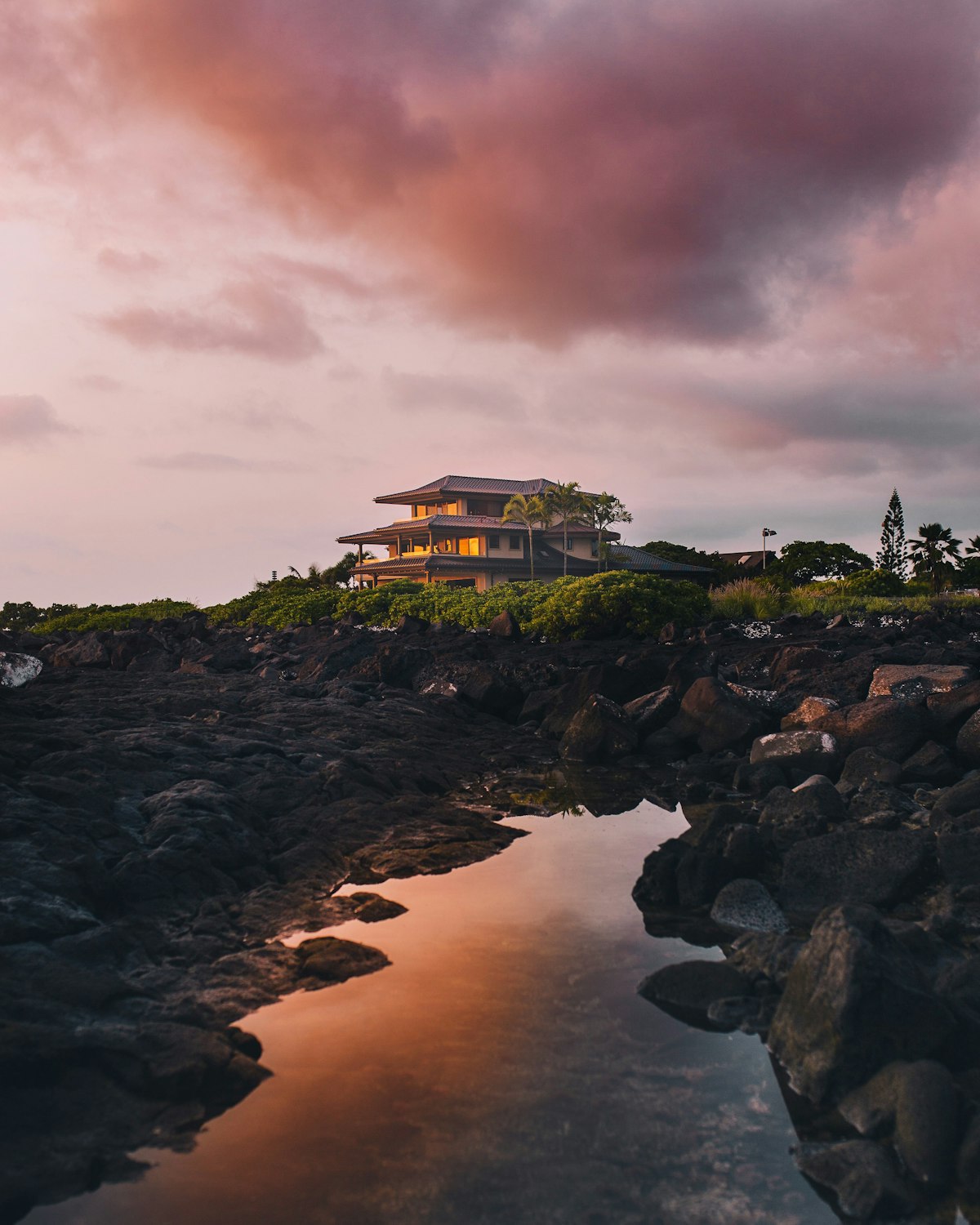
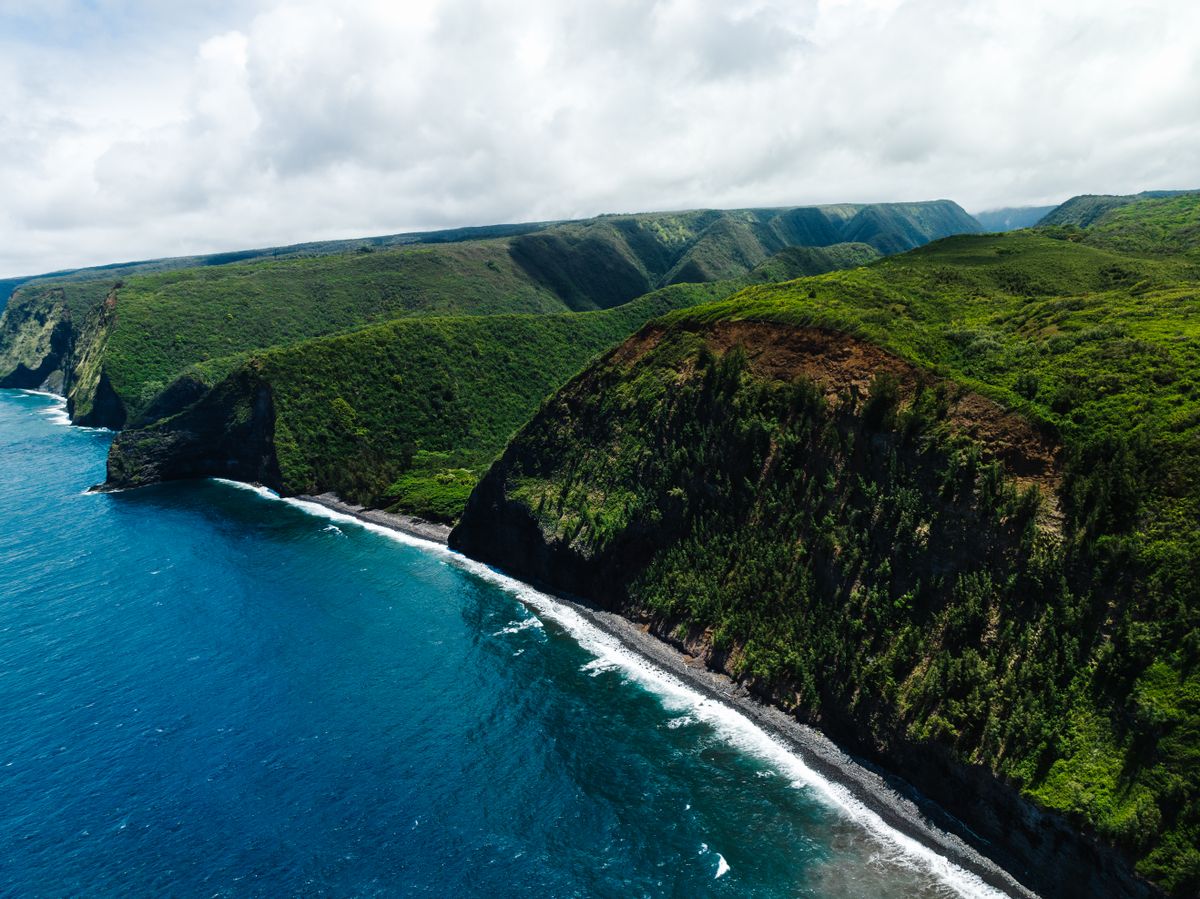
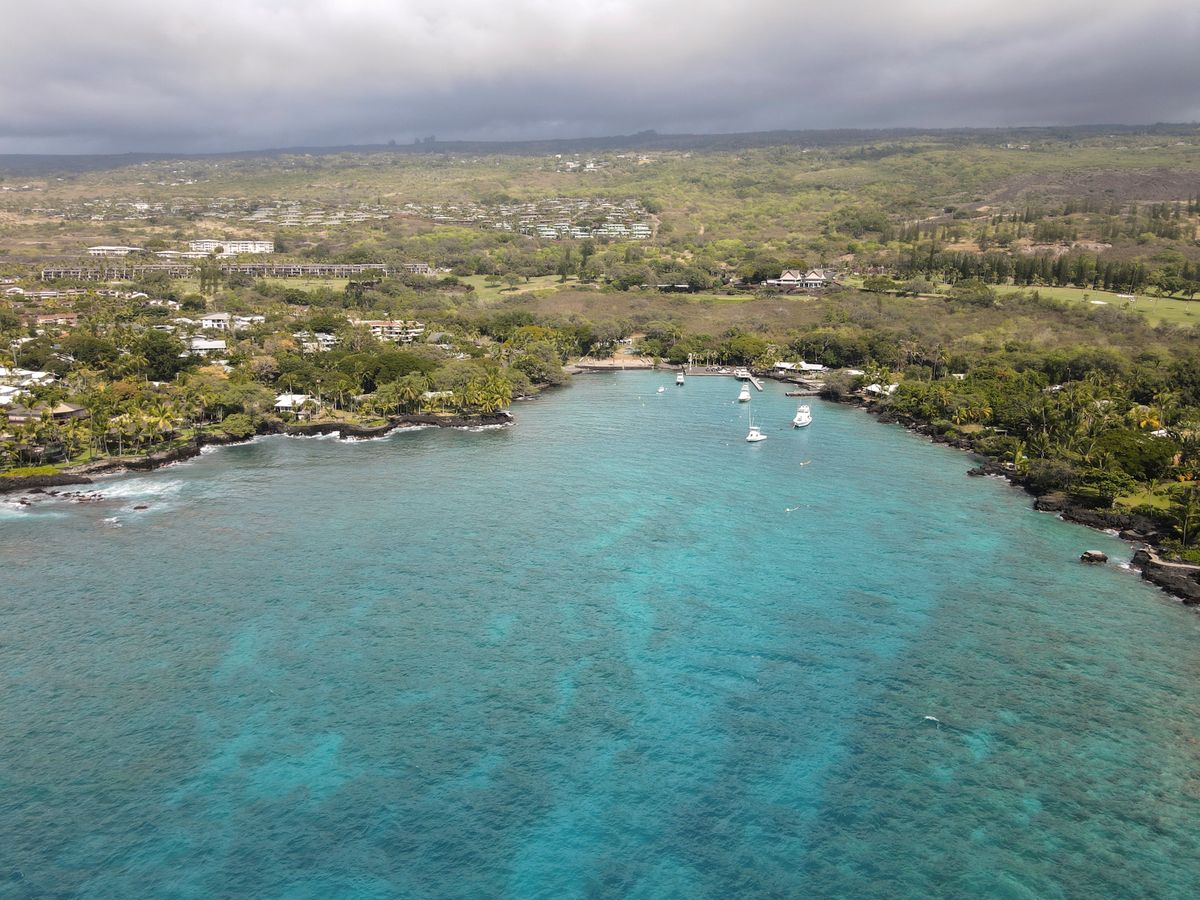
The reason is geology. The Big Island's western coast drops from volcanic cliffs into water thousands of feet deep within a quarter mile of shore. The 100-fathom line, 600 feet deep, is a 10-minute run from either Honokohau Harbor or Keauhou Bay. That means charter boats spend almost no time running to productive water, and the fish that live in that deep water are right there, all the time.

The island itself blocks the northeast trade winds, creating the calm, glassy conditions that Kona is famous for. While the rest of Hawaii can be windy and rough, the Kona Coast sits in a wind shadow that makes fishing comfortable year-round.

Blue Marlin, The Main Event

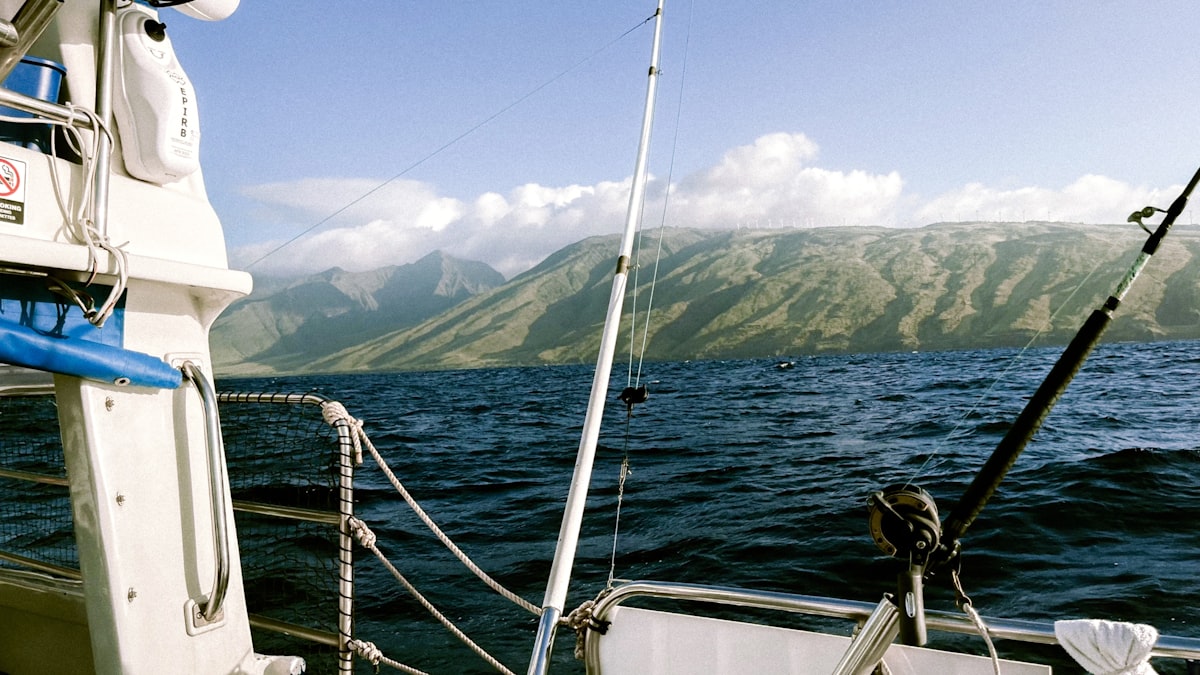
Blue marlin are present off Kona every month of the year. The peak runs June through September, when warm water and abundant bait concentrate the largest fish, but there is no month when a grander isn't possible. The fleet trolls the ledge, the drop-off where the shallow shelf plunges into deep water, pulling five lures at eight knots, scanning for marlin cruising the temperature breaks and current edges.

The standard Kona technique is lure trolling, large, skirted artificial lures run at various distances behind the boat. When a marlin rises on a lure, the moment is electric: a 500-pound fish materializing behind the boat, lit up in neon blue, slashing at the spread. The hookup, the initial run, and the first jump, a fish the size of a horse launching clear of the water, is why people travel from around the world to fish here.

Some captains also fish live bait, catching 'opelu (mackerel scad) first, then slow-trolling or drifting them on light tackle for marlin, tuna, and mahi-mahi. Live-bait fishing produces more bites but the fish tend to be smaller. It's an excellent technique for anglers who want constant action rather than waiting for the one big bite.

Striped marlin are the winter species, smaller than blues (100 to 200 pounds) but more acrobatic and more willing to eat. December through March is their peak. Shortbill spearfish are a Kona specialty, a smaller billfish (40 to 60 pounds) that's relatively rare elsewhere but common here.

Yellowfin Tuna, Ahi

Yellowfin tuna (called ahi in Hawaiian) are the second pillar of Kona fishing. They show up in May and the bite builds through summer, peaking July through September. Fish of 100 to 200 pounds are caught every season, and ahi in the 50- to 80-pound range are standard fare during the peak.

The tuna hold along the same ledge that the marlin patrol, and they're often caught on the same trolling spread. When a school of ahi is located, the action can be fast, multiple hookups, screaming reels, and long fights on heavy tackle.

Mahi-Mahi and Ono

Mahi-mahi (dorado) peak in the winter months, December through April, when they stack under floating debris and weed lines. They're the most colorful fish in the ocean, they hit aggressively, they jump repeatedly, and they taste outstanding. A mahi trip is the most fun-per-dollar option on the Kona charter fleet.

Ono (wahoo) are the speedsters, the fastest fish in the ocean, capable of runs that strip line faster than you can think. April through July is the peak. They're caught on the troll, often on high-speed lures, and every ono hookup starts with a screaming drag and ends with excellent sashimi.

Shore and Small-Boat Fishing

Kona also offers fishing from shore and small boats for anglers who aren't chartering offshore.

Ulua (giant trevally) are the premier shore target, powerful, aggressive fish that patrol the rocky shoreline and can exceed 100 pounds. Ulua fishing from the lava rock at night, using heavy tackle and large baits, is a Hawaiian cultural tradition as much as a sport.

Papio (juvenile trevally), menpachi (soldierfish), and moi (threadfin) are caught from the rocks and beaches using lighter tackle and are prized for eating.

When to Go

Kona fishes year-round with no dead season, the water temperature barely fluctuates:

  • January–March: Striped marlin peak, mahi-mahi, spearfish, the "winter" bite
  • April–June: Ono season, blue marlin building, ahi starting to show
  • July–September: Peak blue marlin and ahi, the main event, tournament season
  • October–December: Transition, blues still around, striped marlin starting, mahi building
Recommended gear

  • Penn Slammer IV 6500

    Premium, shore ulua and offshore pelagics

  • Penn Battle III 5000 Combo

    Mid-tier, shore papio and light offshore

  • Halco Roosta Popper 195mm

    Surface plug for GT/ulua from the lava rocks

  • Berkley Gulp Shrimp 3-inch Natural

    Shore reef fishing, goatfish and papio

  • Owner Mutu Light Circle 8/0

    Heavy ulua hook for live bait at night

Frequently asked

Do you need a license to fish Kona?

No, Hawaii does not require a recreational saltwater fishing license, so no permit is needed to fish from a charter, the shore, or a pier. Some species and methods carry size and seasonal rules, so check current state regulations.

What fish can you catch in Kona?

Kona is famous for blue marlin (including 1,000-pound 'granders'), along with striped and black marlin, ahi (yellowfin tuna), mahi-mahi, ono (wahoo), and spearfish. Deep-drop bottom fishing adds snappers and other reef species. The deep water close to shore is what makes it world-class.

Why is Kona the best place to catch marlin?

Kona has produced more 1,000-pound blue marlin (granders) than any other port in the world, in every month of the year. The Big Island's volcanic coast drops into deep water within a quarter mile of shore, and the island blocks trade winds, creating calm fishing conditions year-round.

What is a grander marlin?

A grander is a blue marlin weighing 1,000 pounds or more. Kona is the only fishery where granders have been caught in every calendar month. The world record was a 1,805-pound blue caught in Kona waters. Most charter boats practice catch-and-release for marlin under tournament rules.

When is the best time to fish Kona?

July through September is peak for blue marlin and yellowfin tuna. But Kona fishes year-round, striped marlin and mahi-mahi peak in winter, ono in spring, and blue marlin are always possible. Water temperatures stay consistent, so there's no true off-season.

How far offshore do Kona charters go?

Not far at all, the 100-fathom line (600 feet deep) is a 10-minute run from Honokohau Harbor. Most fishing happens within one to three miles of shore along the volcanic ledge. This is one of the shortest runs to productive blue water of any fishery in the world.

How much does a Kona fishing charter cost?

Half-day charters (4 hours) run $600-800, three-quarter-day (6 hours) $800-1,000, and full-day (8 hours) $1,000-1,500 depending on the boat. Private charters cost more than shared trips. Rods, tackle, lures, and ice are included. Tips for the captain and mate are customary.

More Hawaii field notes

Urban Fishing in Honolulu: Trevally off Waikiki, Reef Fish at Ala Moana, and Peacock Bass in the Reservoirs

Honolulu, HI

Urban Fishing in Honolulu: Trevally off Waikiki, Reef Fish at Ala Moana, and Peacock Bass in the Reservoirs

Honolulu sits on the south shore of Oahu with reef flats, harbor piers, and beach parks holding papio (trevally), bonefish, goatfish, and reef species year-round. Freshwater reservoirs add peacock bass and largemouth. Residents fish saltwater without a licence. This is tropical urban fishing.

Fly Fishing Hawaii Volcanoes National Park: Trevally, Lava Shelves, and Casting on the Edge of Creation

Volcano, HI

Fly Fishing Hawaii Volcanoes National Park: Trevally, Lava Shelves, and Casting on the Edge of Creation

Hawaii Volcanoes National Park puts you on the youngest coastline on earth, black lava rock still warm from Kilauea, crashing Pacific surf, and predatory trevally hunting the reef shelves at dawn. Here is the volcanic coast, the fly box, and the most primal shore fishing in the national park system.

How to Fish Oahu: Shore Whipping, Bonefish Flats, and Blue Water

Oahu, HI

How to Fish Oahu: Shore Whipping, Bonefish Flats, and Blue Water

Everything a first-timer needs to fish O'ahu, the three shore techniques that catch papio and ulua, where to fish each coast, world-class bonefish flats, and how to get out on the blue water off Waikiki.

How to Fish Maui: A Beginner's Guide to Shore Fishing, Reef Species, and Pacific Blue Water

Maui, HI

How to Fish Maui: A Beginner's Guide to Shore Fishing, Reef Species, and Pacific Blue Water

Everything a first-timer needs to fish Maui, whipping for papio from shore, dunking for ulua, reef bottom fishing, bonefish on the flats, and offshore charters for mahi-mahi and marlin. Hawaiian species names, gear, rigs, and local etiquette.

How to Fish Kona, Hawaii: A Beginner's Guide to Blue Marlin, Yellowfin Tuna, and the Big Island's Deep-Water Fishery

Kona, HI

How to Fish Kona, Hawaii: A Beginner's Guide to Blue Marlin, Yellowfin Tuna, and the Big Island's Deep-Water Fishery

Everything a first-timer needs to fish Kona, blue marlin trolling a quarter-mile from shore, yellowfin tuna and mahi mahi, nearshore ono, shore fishing for ulua and bonefish, charter options, and practical details for visiting anglers on the Big Island.

How to Fish Kauai, Hawaii: A First-Timer's Guide to Offshore Big Game and Shore Fishing

Kauai, HI

How to Fish Kauai, Hawaii: A First-Timer's Guide to Offshore Big Game and Shore Fishing

What a beginner needs to fish Kauai, the (free) Hawaii saltwater rules, offshore charters for marlin, mahi, ahi, and ono in the deep water close to shore, shore fishing for ulua, papio, and oio, the public piers, freshwater bass at Wailua Reservoir, and the gear and tactics that work on the Garden Isle.