Fish
Fish Fire
Fire Hike
Hike Bird
Bird

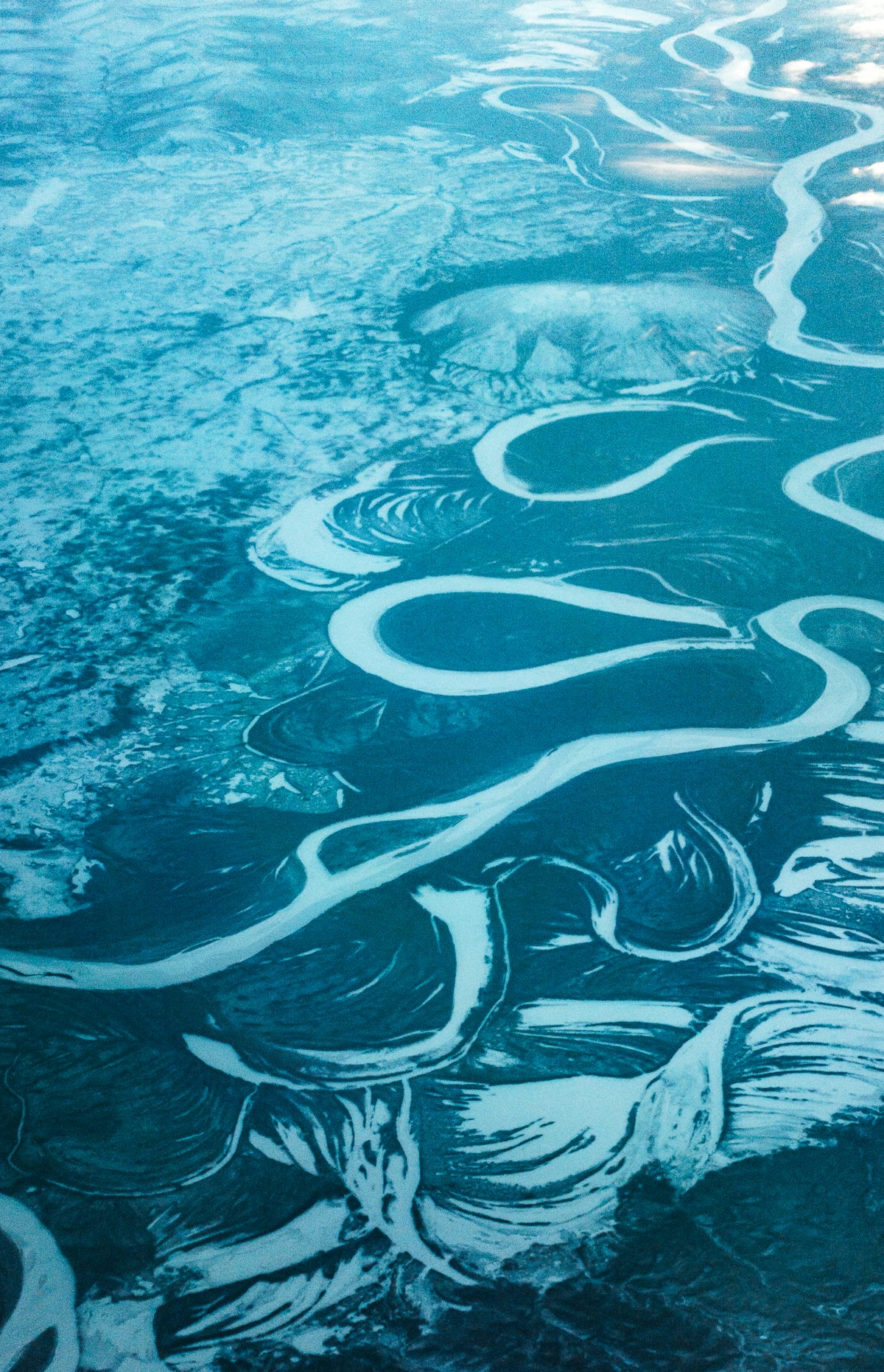

Kodiak Island sits in the Gulf of Alaska, 250 miles south of Anchorage and accessible only by air or the Alaska Marine Highway ferry. It's the second-largest island in the United States (after Hawaii's Big Island), and it's one of the wildest fishing destinations in Alaska, which is saying something in a state defined by wildness.
The island is famous for two things: the Kodiak brown bear (the largest land predator on Earth, with an estimated population of 3,500 on the island) and the fishing. The two are connected, the same salmon runs that draw bears to the rivers draw anglers, and fishing on Kodiak means sharing the water with animals that outweigh you by a factor of five. That coexistence is part of the experience, not an obstacle to it.
The Road System, Accessible Fishing
Kodiak's road system extends roughly 100 miles from the town of Kodiak, connecting to several productive rivers, bays, and shoreline access points. This is the most accessible fishing on the island, no bush plane required.
The Buskin River is the closest productive water to town, receiving strong runs of silver salmon from late July through September and pink salmon in July and August. The river is small, wadeable, and gets significant pressure during the peak runs, but the fish are plentiful enough to absorb it. A spinning rod with a spinner or spoon, or a fly rod swinging a streamer, produces fish.
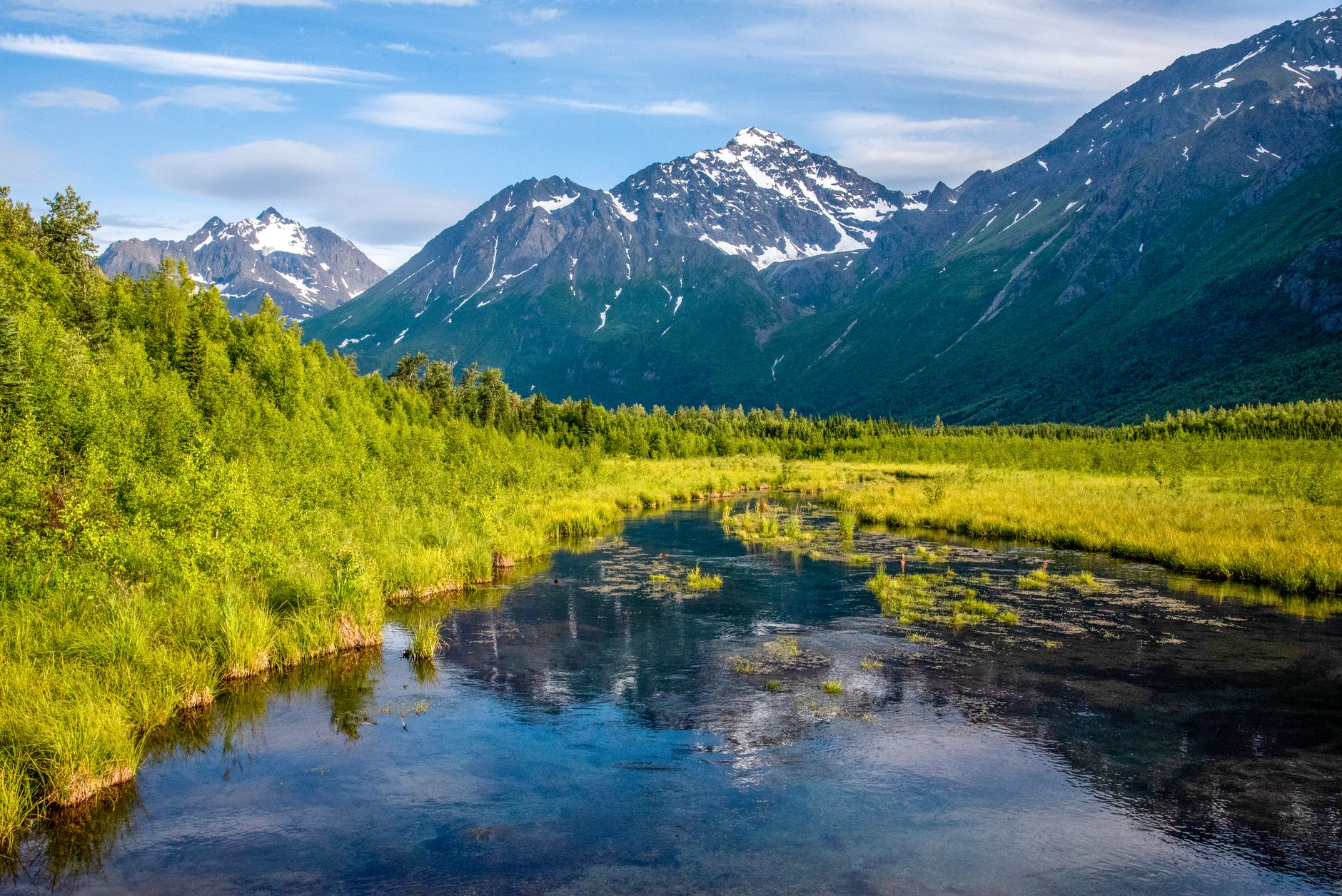
The Pasagshak River, an hour south of town on the road system, receives excellent silver salmon and pink salmon runs with less pressure than the Buskin. The river flows through a scenic valley with mountains rising on both sides, and brown bears are commonly seen fishing the same pools.
The American River and Olds River are road-accessible streams with silver and pink salmon runs that provide additional options when the Buskin is crowded.
Road-system king salmon are available by boat in Chiniak Bay and around Cape Chiniak from May through July. Trolling near the shore targets kings that average 20 to 35 pounds as they migrate along the coastline.
Saltwater, Chiniak Bay and Beyond
The saltwater fishing around Kodiak is outstanding and underutilized relative to ports like Seward, Homer, and Sitka. The island's complex coastline, bays, channels, reefs, and offshore banks, holds halibut, king salmon, silver salmon, lingcod, rockfish, and Pacific cod in water that sees far less charter traffic than the Kenai Peninsula or Southeast Alaska.
Halibut are the saltwater foundation. The nearshore reefs and sandy bottoms in Chiniak Bay, Ugak Bay, and Marmot Bay hold halibut from May through October, with fish averaging 30 to 80 pounds and regular catches over 100. The remoteness of some fishing grounds means the halibut see fewer boats and are less wary than fish in more heavily fished areas.
King salmon troll through the nearshore waters from May through July. Silver salmon stage in the bays from July through September before entering the rivers. Lingcod and rockfish hold on the rocky reef structure year-round and provide bonus catches on halibut trips.
The Bush, Remote River Fishing
Beyond the road system, Kodiak's interior and southern coast are roadless wilderness, accessible only by floatplane or boat. The remote rivers and streams that drain the island's mountains hold salmon runs that, in some cases, have never been commercially fished and see only a handful of anglers per season.
Fly-out fishing trips from Kodiak town take anglers to remote rivers for silver salmon, pink salmon, sockeye salmon, and Dolly Varden char in water where the fish have literally never seen a lure. The combination of wilderness setting, bear viewing, and unpressured fish makes fly-out trips the premium Kodiak experience, and one of the most memorable fishing experiences in Alaska.
Multi-day lodge trips provide access to the best remote water with comfortable accommodation. Several lodges operate on the island, running daily fly-outs to different rivers based on run timing and conditions.
The Bears
Fishing on Kodiak means fishing with bears. The island's 3,500 brown bears are the largest in the world, males can exceed 1,500 pounds, and they fish the same rivers during the salmon runs. Bear encounters are not unusual; they're expected.
The bears are generally tolerant of humans who behave predictably and give them space. Guides carry bear spray and know the protocols. The experience of catching a silver salmon in a small river while a 1,000-pound bear fishes the pool upstream is a uniquely Kodiak experience, primal, humbling, and unforgettable.
When to Go
- May–June: King salmon in the saltwater, halibut season opens, early-season solitude
- July–August: Silver and pink salmon flooding the rivers, peak fly-out trips, bear viewing at its best
- September: Late silvers, Dolly Varden feeding on salmon eggs, halibut still producing, fall colors
- October: Season winding down, halibut in sheltered bays, the island quiets