Fish
Fish Fire
Fire Hike
Hike Bird
Bird

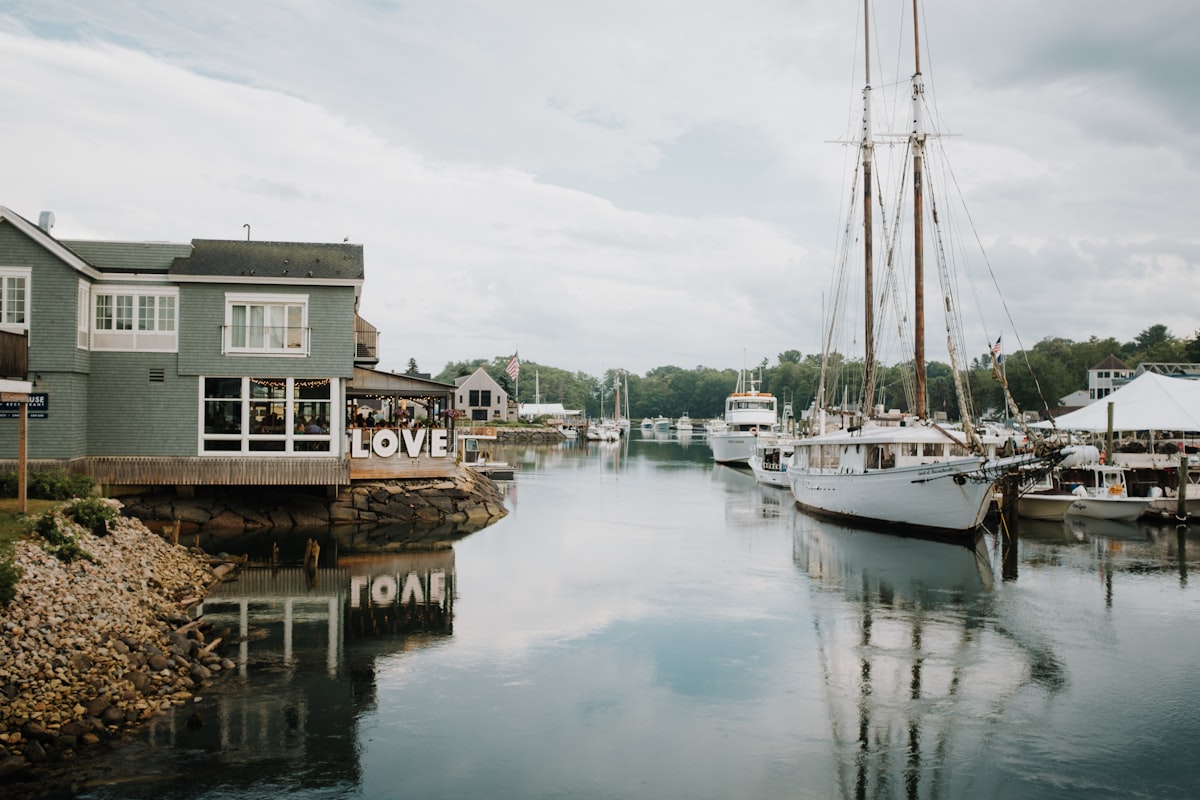

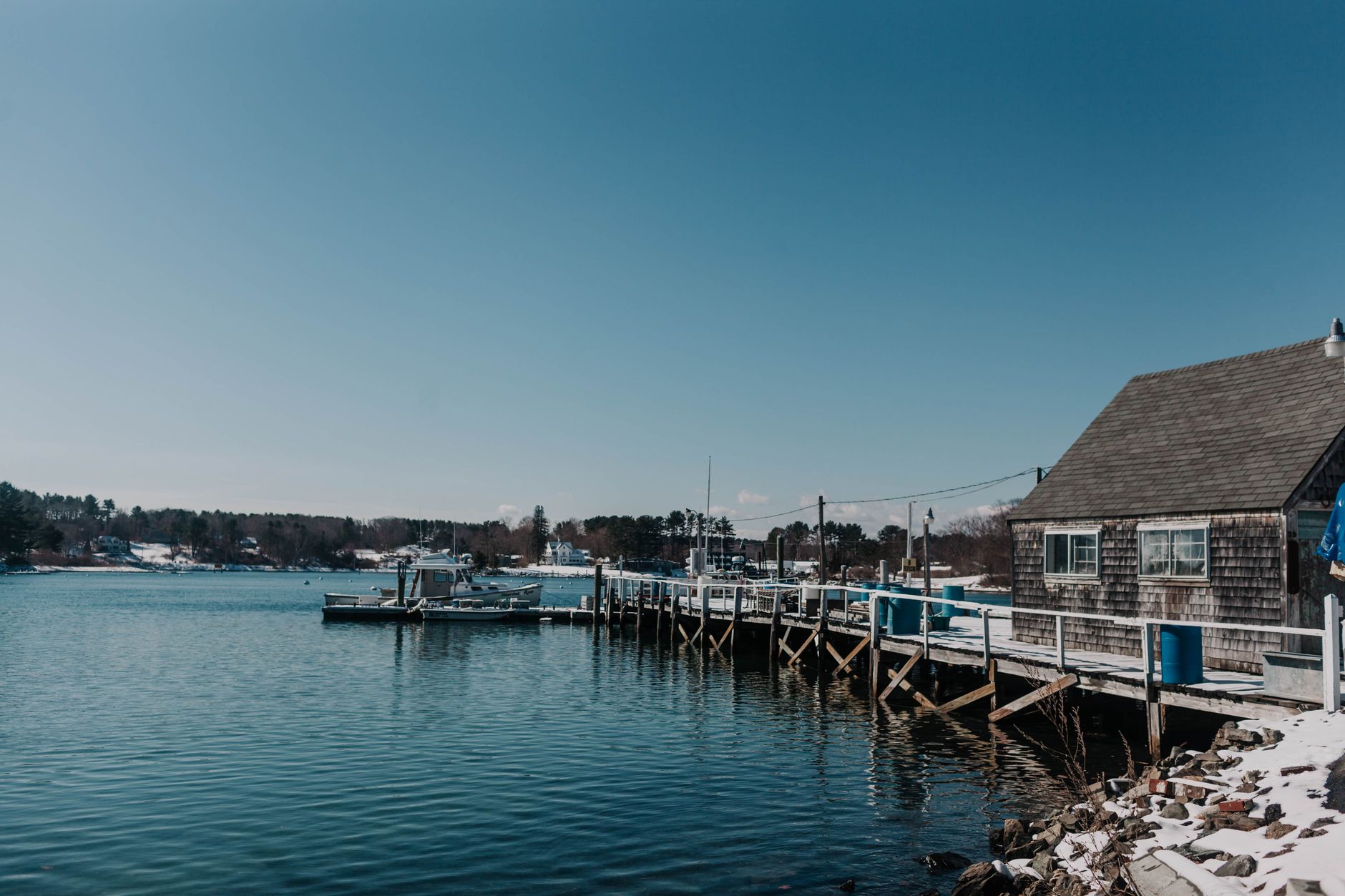
Kennebunkport sits on the southern Maine coast where the Kennebunk River meets the Atlantic through a narrow harbor. The town is famous for its summer tourism, its presidential connections, and its postcard-perfect waterfront, but the fishing is what keeps the working boats running from May through October.
Maine's coast is different from the rest of New England. The water is colder, the bottom is rockier, and the species mix includes cold-water fish, cod, pollock, mackerel, alongside the migrating stripers and bluefish that push north from the mid-Atlantic every spring. The result is a fishery with a distinct character: less tropical diversity than the Cape and Islands, but a ruggedness and productivity that rewards anglers who adjust to the conditions.
The Kennebunk River, Stripers in the Estuary
The Kennebunk River is a small tidal estuary that winds through the marshes and under the bridge into the harbor. From June through September, it holds striped bass that have migrated north from their Chesapeake Bay spawning grounds.
The river is intimate water, narrow enough to cast across in places, with marsh grass banks, rock ledges, and bridge pilings creating structure where stripers hold on the tide. Fishing the Kennebunk River means reading the current, positioning your boat (or wading position) to intercept fish moving with the tide, and casting to the structure.
Live mackerel and eels are the standard baits. Topwater plugs work at dawn and dusk when the surface erupts. Fly fishing with clouser minnows and deceiver patterns produces in the calmer sections. The river holds fish from schoolies (18 to 24 inches) up to 40-inch-plus fish in peak season.
Cape Porpoise, The Working Harbor
Cape Porpoise is the small fishing harbor just east of Kennebunkport, and it's the launch point for most charters. The harbor sits between the mainland and Goat Island (with its photogenic lighthouse), and the surrounding coastline of rocky headlands, coves, and islands creates excellent nearshore fishing.
Striped bass hold along the rocky shoreline, feeding in the wash zone where waves push bait against the granite. Bluefish chase bait through the harbor entrance. Mackerel, Atlantic mackerel, the smaller, schooling variety, fill the harbor in summer and provide bait for larger species as well as fun light-tackle fishing on their own.
Pollock hold on the deeper rocky structure around the offshore ledges and islands. They're aggressive fish that hit hard from the deep, underrated as gamefish and excellent eating.
Offshore, Bluefin Tuna and Groundfish
The offshore waters within reach of Kennebunkport hold bluefin tuna on the same grounds that the Gloucester fleet fishes, Jeffreys Ledge and the surrounding banks.
School bluefin (20 to 80 pounds) are the charter target, and the fishing can be outstanding from July through October when tuna are feeding on the nearshore banks. The run from Cape Porpoise to productive tuna water is 20 to 40 miles, making full-day trips the standard.
Cod, haddock, and pollock hold on the offshore bottom, the same species that have sustained Maine's fishing economy for centuries. Half-day bottom-fishing trips to the nearshore ledges produce a mix of groundfish that's both productive and educational.
Sharks, blue, mako, and porbeagle, are caught offshore from June through September on dedicated shark trips.
The Rocky Shore, A Different Kind of Surf Fishing
Maine's shore fishing doesn't look like the sandy-beach casting of the mid-Atlantic. The shoreline is granite, ledges, boulders, and tide pools that drop into deep water quickly. This means fish hold closer to shore than on sand beaches, and the casting is from rocks rather than sand.
Striped bass feed in the wash zone, ambushing bait that gets tumbled in the surge around the rocks. Mackerel school close to shore. Pollock hold in the deeper cuts between rock ledges. Shore fishing in Maine requires sure footing, non-slip footwear, and awareness of the tide, getting caught on a ledge at high tide is a real hazard.
When to Go
- June: Stripers arrive in the river, mackerel fill the harbor, the season begins
- July–August: Peak striper fishing, bluefin tuna offshore, bluefish, mackerel, full summer season
- September–October: Fall striper run, late-season tuna, the best overall window
- November–May: The coast is largely shut down for recreational fishing, Maine's season is compressed