Fish
Fish Fire
Fire Hike
Hike Bird
Bird

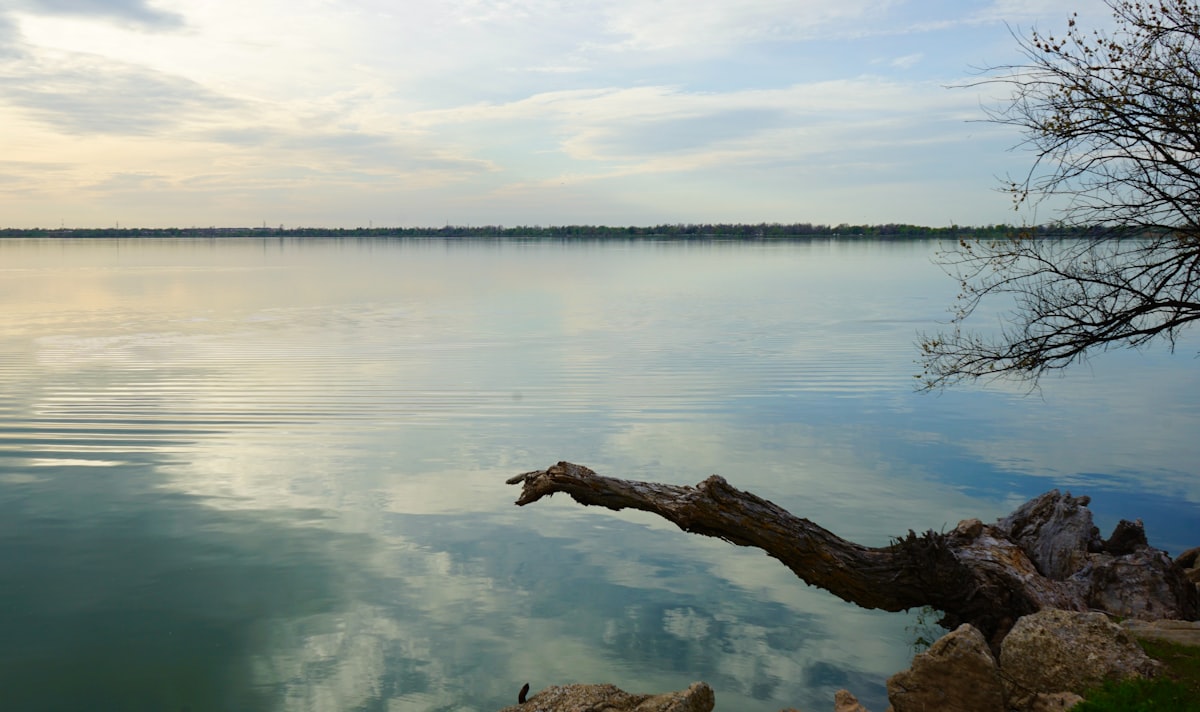

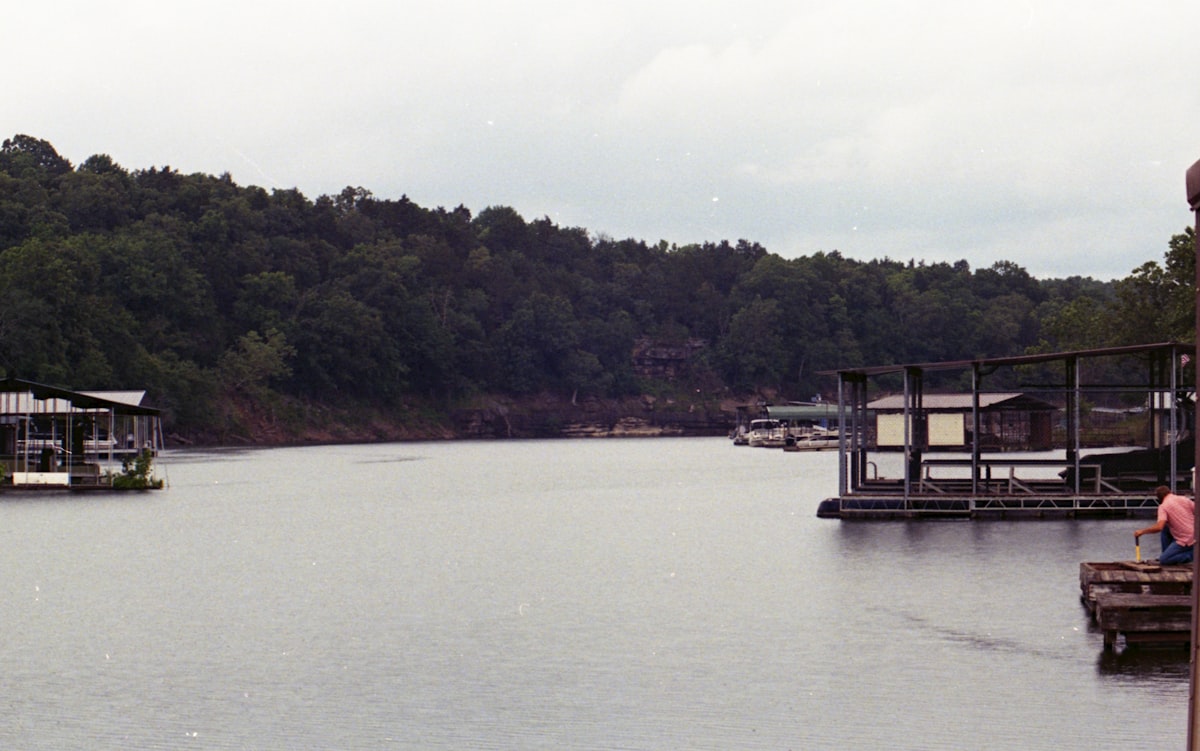
Grand Lake of the Cherokees sits in northeast Oklahoma where the Neosho River and Spring River converge, creating a 46,500-acre reservoir with over 1,300 miles of shoreline. It's one of Oklahoma's most popular fishing lakes, and the fishery has three distinct identities: a tournament-caliber bass lake, a crappie destination that borders on cultural obsession, and the only place on Earth where you can reliably catch a paddlefish, a prehistoric, plankton-eating giant that looks like nothing else swimming in freshwater.
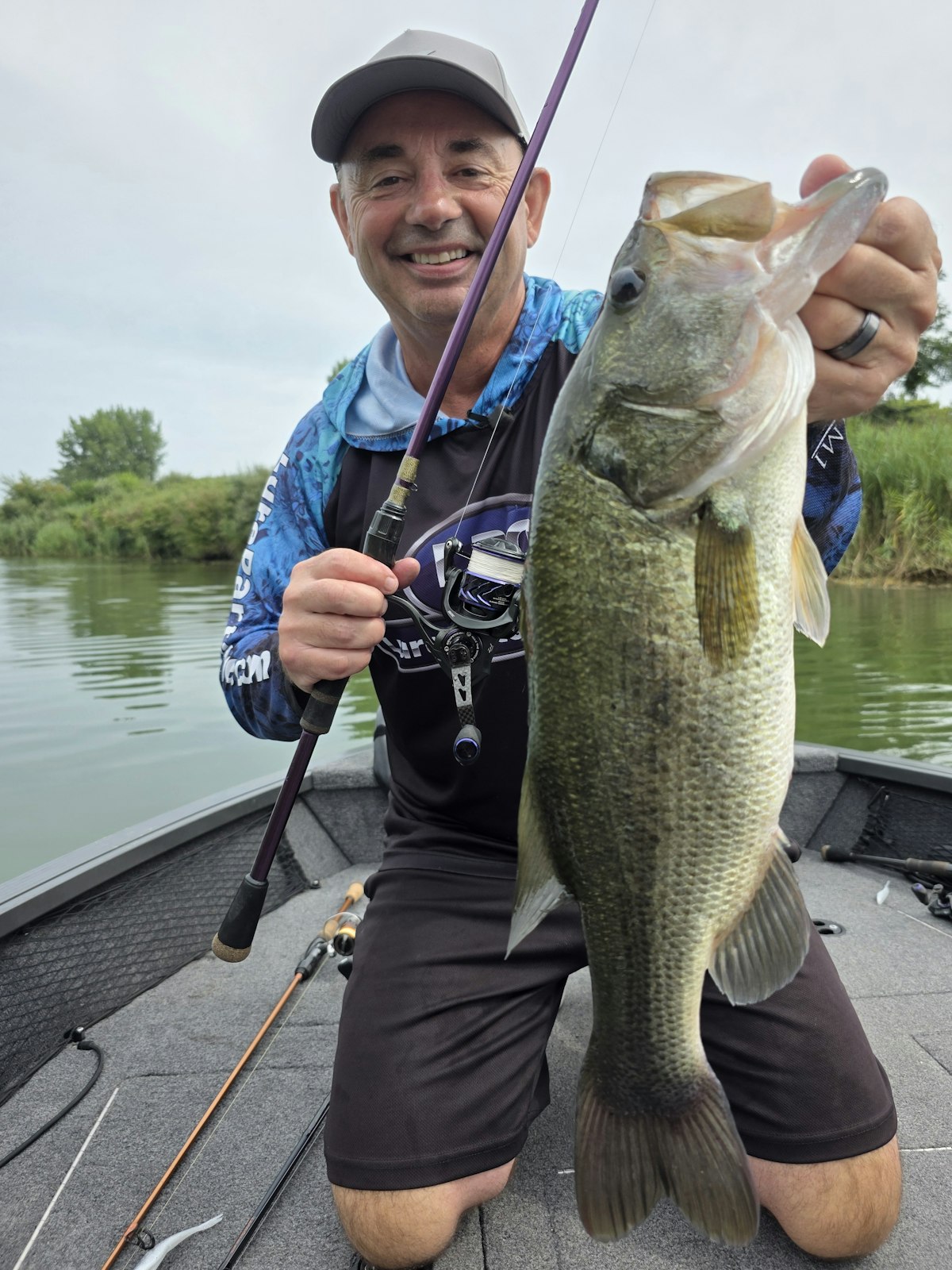
Largemouth Bass, The Tournament Lake
Grand Lake hosts major bass tournaments, FLW and Bassmaster events have been held here, and the fishery produces the kind of bags that keep the professional circuit coming back. The lake's mix of clear and stained water, extensive dock and brush-pile structure, and healthy shad population creates diverse bass habitat.
Largemouth bass hold around docks, brush piles, rocky points, and creek-channel transitions throughout the lake. Fish of three to five pounds are standard tournament fare, with fish over seven pounds caught on the right days. The Drowning Creek area on the southwest side and Duck Creek on the west side are perennial producers.
Spring (March through May) is the best bass season. The spawn brings fish shallow into the docks, brush, and gravel banks where sight-fishing and flipping techniques dominate. Fall scatters bass across the creek arms as they chase shad, and the topwater and crankbait bite heats up.
Spotted bass and smallmouth bass add variety on the deeper main-lake structure. Smallmouth hold on the steeper rock banks and bluffs, and they fight harder than largemouth in Grand Lake's clear, deep water.
Crappie, The Local Obsession
Crappie fishing at Grand Lake isn't just a hobby, it's a way of life. The lake holds both white and black crappie in dense populations around brush piles, standing timber, docks, and channel breaks. The local knowledge of brush-pile locations is passed down through generations, and the dedicated crappie anglers know every productive brush pile on the lake.
Spring (March through May) is crappie season. The fish move shallow to spawn, stacking in the brush-filled coves and along the creek channels. Small jigs (1/32 to 1/16 ounce) in chartreuse, white, or pink tipped with minnows are the standard. Limits of 10- to 14-inch slabs come quickly when you find the right brush pile.
Fall and winter push crappie deeper, 15 to 25 feet over the channel-adjacent brush piles. Vertical jigging with small spoons or hair jigs below a slip bobber produces consistent fish through the cold months. Night fishing under lights on the docks is a Grand Lake tradition that produces crappie year-round.
Paddlefish, The Prehistoric Giant
Grand Lake holds the largest population of paddlefish (spoonbill) in the world. These ancient, filter-feeding fish, with their distinctive paddle-shaped snouts and shark-like bodies, grow to 50, 80, even 100-plus pounds in Grand Lake's nutrient-rich water.
Paddlefish don't bite lures or bait, they eat plankton. The fishing technique is snagging: casting heavy weighted treble hooks into known paddlefish holding areas and jerking them through the water column until you hook a fish. It sounds crude, but connecting with a 60-pound paddlefish on heavy tackle is a full-body workout.
The snagging season runs primarily in winter and spring (typically December through March), when paddlefish concentrate in the upper lake and the river channels near Twin Bridges State Park. During the spawning run, fish stack in the rivers, and the fishing can be fast, multiple hookups per session for anglers in the right spots.
Oklahoma manages the paddlefish fishery carefully, check current regulations for season dates, bag limits, and required tags.
White Bass, The Spring Run
Every spring, white bass run up the Neosho River and Spring River to spawn. The run peaks in March and April, and the bank fishing along the rivers is fast action, cast a small crankbait or rooster tail into the current and catch fish after fish. White bass school heavily, and when you find a pod, limits come quickly.
When to Go
- March–May: Bass spawn, crappie spawn, white bass run, paddlefish snagging, the most action
- June–August: Summer bass on brush and docks, crappie at night, catfish feeding
- September–November: Fall bass chasing shad, crappie schooling deep, paddlefish season approaching
- December–February: Paddlefish snagging season, deep crappie, winter bass on jerkbaits