Durango Fishing: Gold Medal Water on the Animas, the San Juan Tailwater, and the Last Free-Flowing River in Colorado
← All field notes

Durango · Colorado

Durango Fishing: Gold Medal Water on the Animas, the San Juan Tailwater, and the Last Free-Flowing River in Colorado

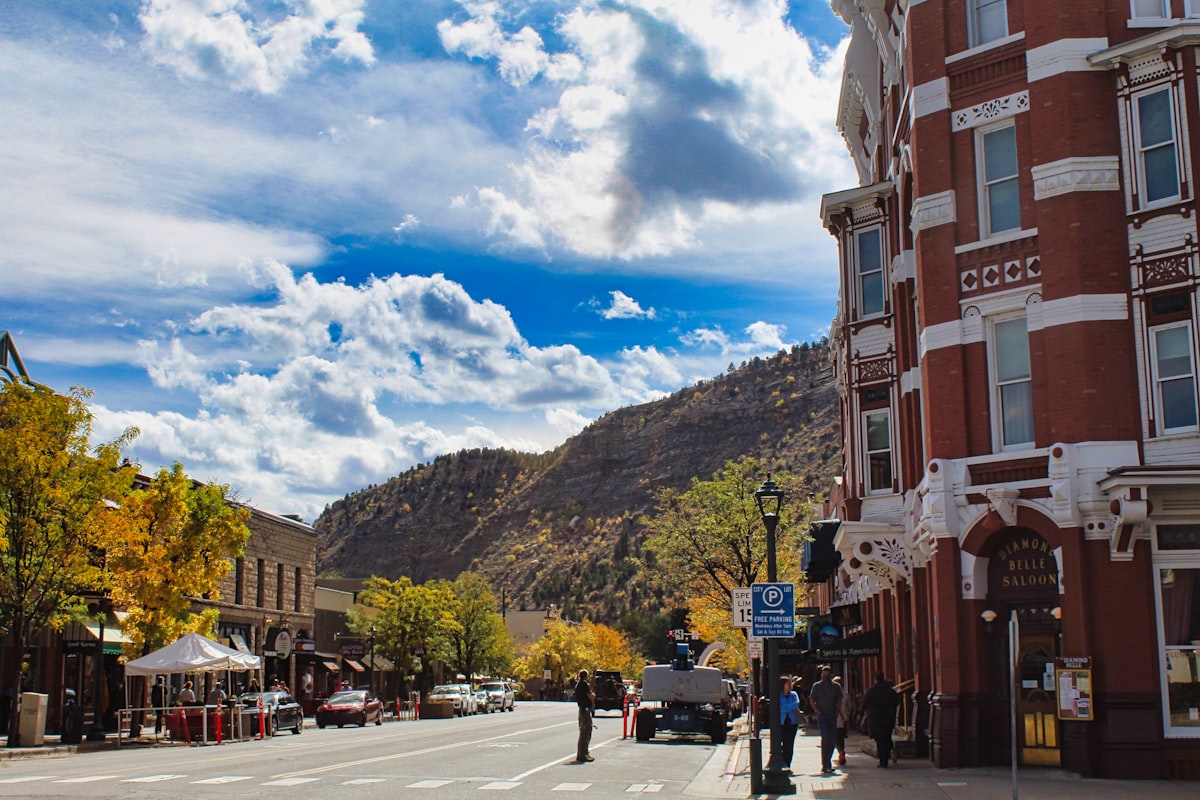
Durango sits where the Animas River, one of the last free-flowing rivers in Colorado and the state's newest Gold Medal Water, meets the historic mining town that Ernest Hemingway once fished. The San Juan River's world-class tailwater is an hour south.

Colin Van Dyke

Colin Van Dyke

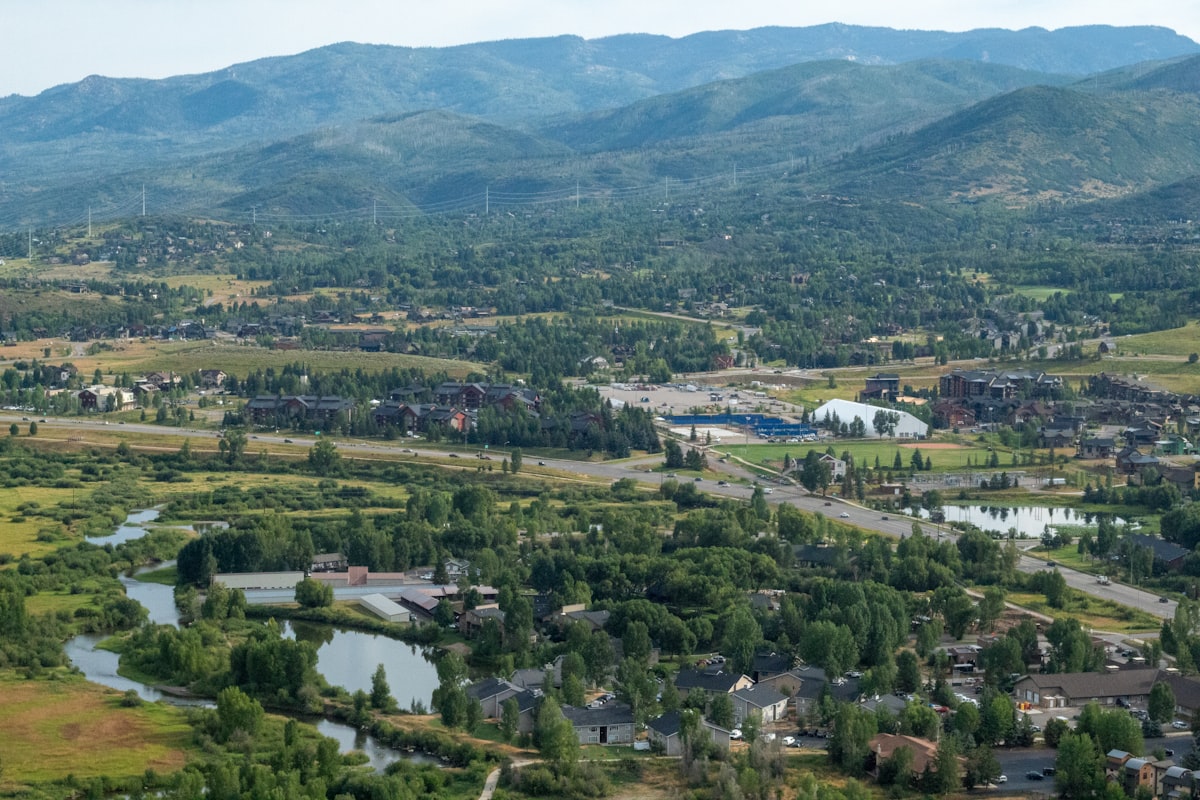
Durango sits in the Animas River valley in the San Juan Mountains of southwestern Colorado, a former mining town turned college town turned outdoor recreation hub. The Animas River flows through the center of it, one of the last free-flowing (undammed) rivers in the state of Colorado, and the section through and below Durango earned Gold Medal Water designation, meaning it sustains at least 60 pounds of trout per acre with a significant percentage of fish over 14 inches.

An hour south, the San Juan River below Navajo Dam in New Mexico is one of the finest tailwater trout fisheries in the world, over 15,000 fish per mile in the quality water, with rainbows and browns that average 16 to 20 inches and grow as large as any tailwater trout in the West.

Between the Animas and the San Juan, Durango offers two world-class fisheries with opposite characters, a wild freestone and a managed tailwater, within an easy drive of each other.

The Animas River, Gold Medal Freestone

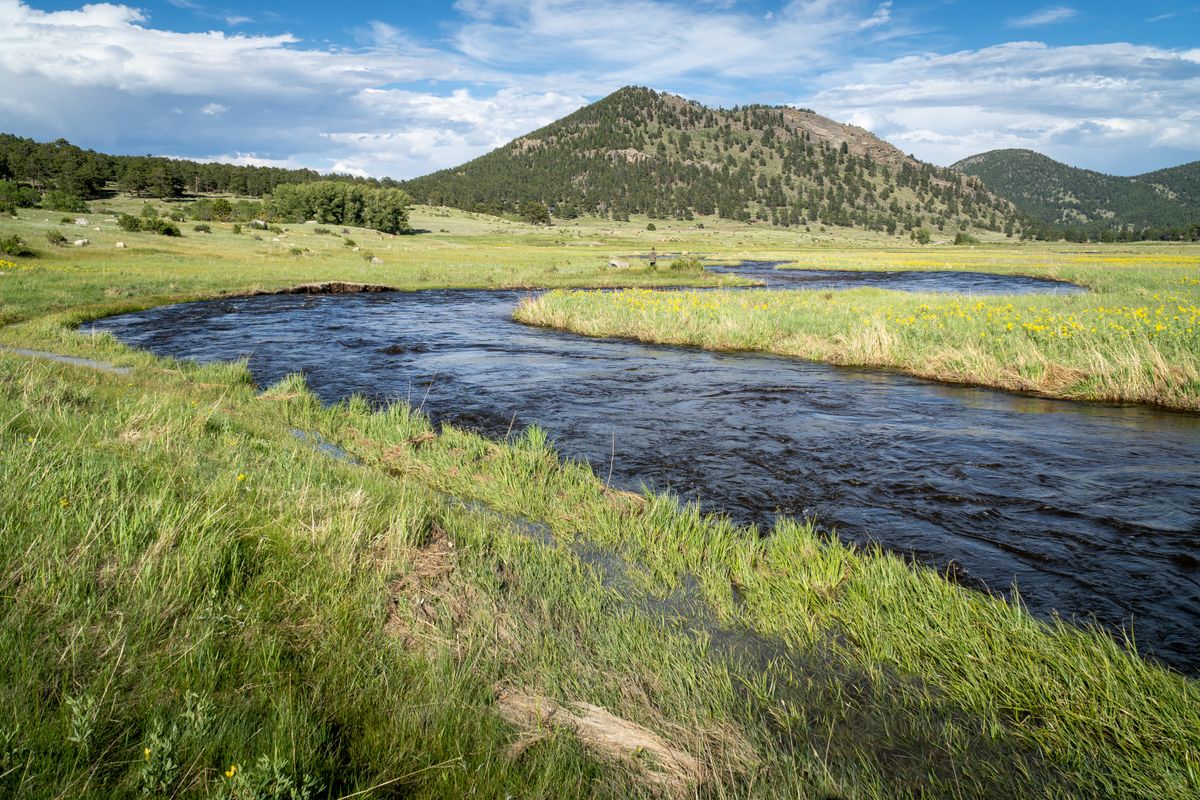
The Animas River is Durango's home water and one of the most significant trout streams in Colorado. The river flows from the high mountains above Silverton (10,000+ feet) through a dramatic canyon into the Durango valley, and the section from Trimble Lane downstream through town and beyond is designated Gold Medal Water.

What makes the Animas special is its undammed status. Unlike most Gold Medal waters in Colorado (which are tailwaters below dams), the Animas rises and falls with the weather, high and muddy during spring runoff, clear and wadeable in summer and fall. The trout in the Animas are adapted to these natural rhythms, and the fishing reflects the river's wild character.

Rainbow trout, brown trout, and cuttbow hybrids are the primary species. The Gold Medal section holds fish averaging 14 to 18 inches, with browns over 20 inches in the deeper pools and undercut banks. The river is wadeable in most sections during normal flows, and the through-town stretch is accessible on foot, you can fish the Animas on a downtown lunch break, casting to rising trout with the Durango & Silverton Narrow Gauge Railroad rolling past on the opposite bank.

The hatches drive the dry-fly fishing: Blue Winged Olives in spring and fall, Pale Morning Duns through summer, caddis from May through September, and golden stoneflies in June and July. The stonefly hatch is the most dramatic event, large insects bringing big trout to the surface in the faster water.

Fall (September through November) is the local favorite. The browns move through the system on their pre-spawn migration, the crowds thin after Labor Day, and the cottonwoods and aspens turn the valley gold. Streamer fishing for big browns in the deeper runs during the fall migration produces the largest fish of the year.

The San Juan River, World-Class Tailwater

The San Juan River below Navajo Dam in New Mexico, roughly 60 miles south of Durango, is one of the top tailwater fisheries in the world. The cold, nutrient-rich discharge from the dam creates conditions that support an extraordinary density of trout, the quality water section (the first 3.5 miles below the dam) holds over 15,000 trout per mile, with fish averaging 16 to 20 inches.

Rainbow trout are the dominant species in the quality water, fat, healthy fish feeding on the San Juan's prolific midge and baetis populations. The river also holds brown trout that tend to run larger, holding in the deeper pools and along the cut banks.

The San Juan is a technical fishery. The fish see a lot of flies (it's a popular destination), and success requires matching the hatch precisely, small midges (#20-26) on fine tippet (6X-7X), presented with a dead drift through the feeding lanes. The river's flat, slow water amplifies every flaw in the presentation, which makes it both frustrating for beginners and deeply rewarding for skilled anglers.

The San Juan fishes 365 days a year. The tailwater flows keep water temperatures stable regardless of season, and winter fishing, December through February, produces some of the best catch rates of the year, with fewer anglers and consistent midge activity. Many Durango guides consider winter the best time to fish the San Juan.

Vallecito Reservoir and Lemon Reservoir

In the mountains northeast of Durango, Vallecito Reservoir and Lemon Reservoir offer stillwater fishing for trout and kokanee salmon in scenic mountain settings. Both are stocked regularly and provide accessible lake fishing for visitors who want a less technical experience than the rivers.

Kokanee salmon at Vallecito provide excellent trolling action in summer, and the fall kokanee run into the Los Pinos River (Vallecito's inlet) creates a spectacle similar to Pacific salmon returning upstream.

High-Country Streams

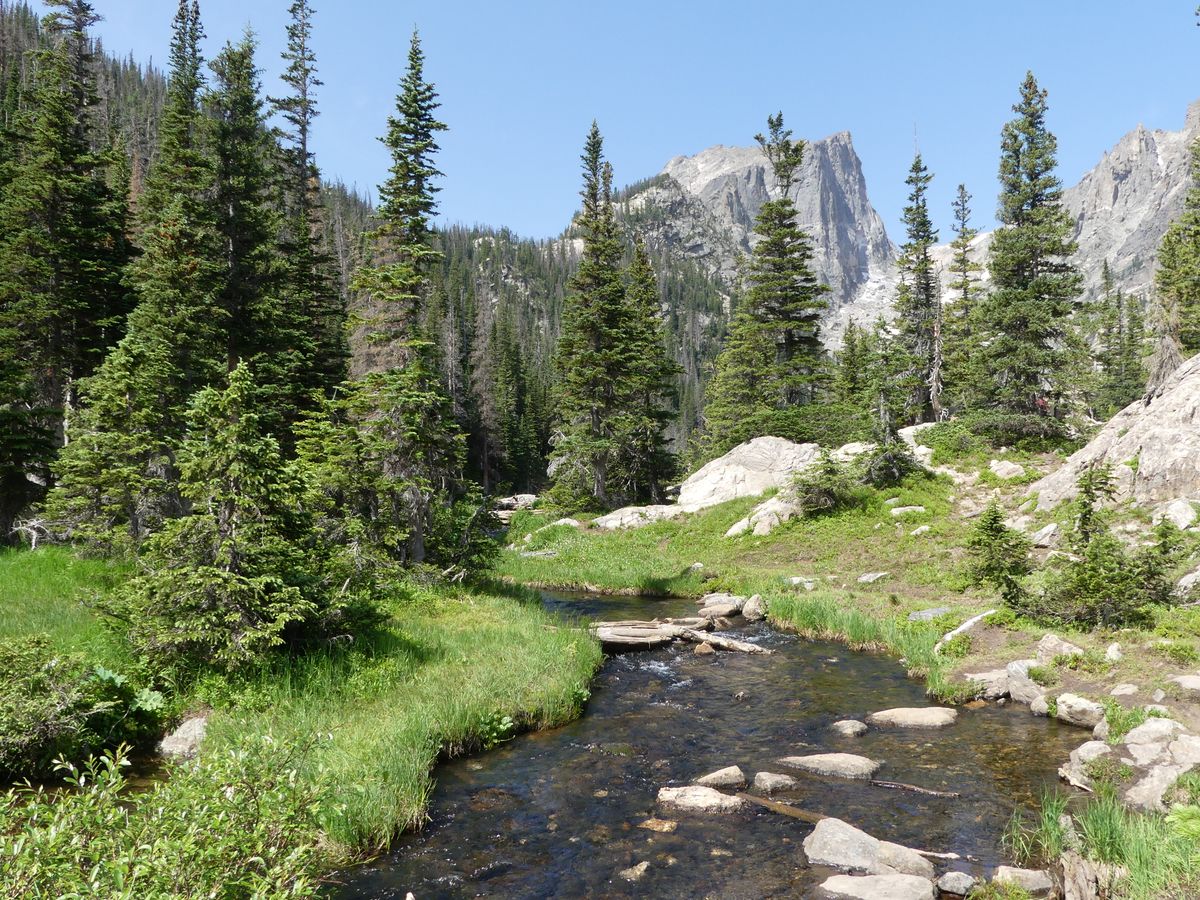
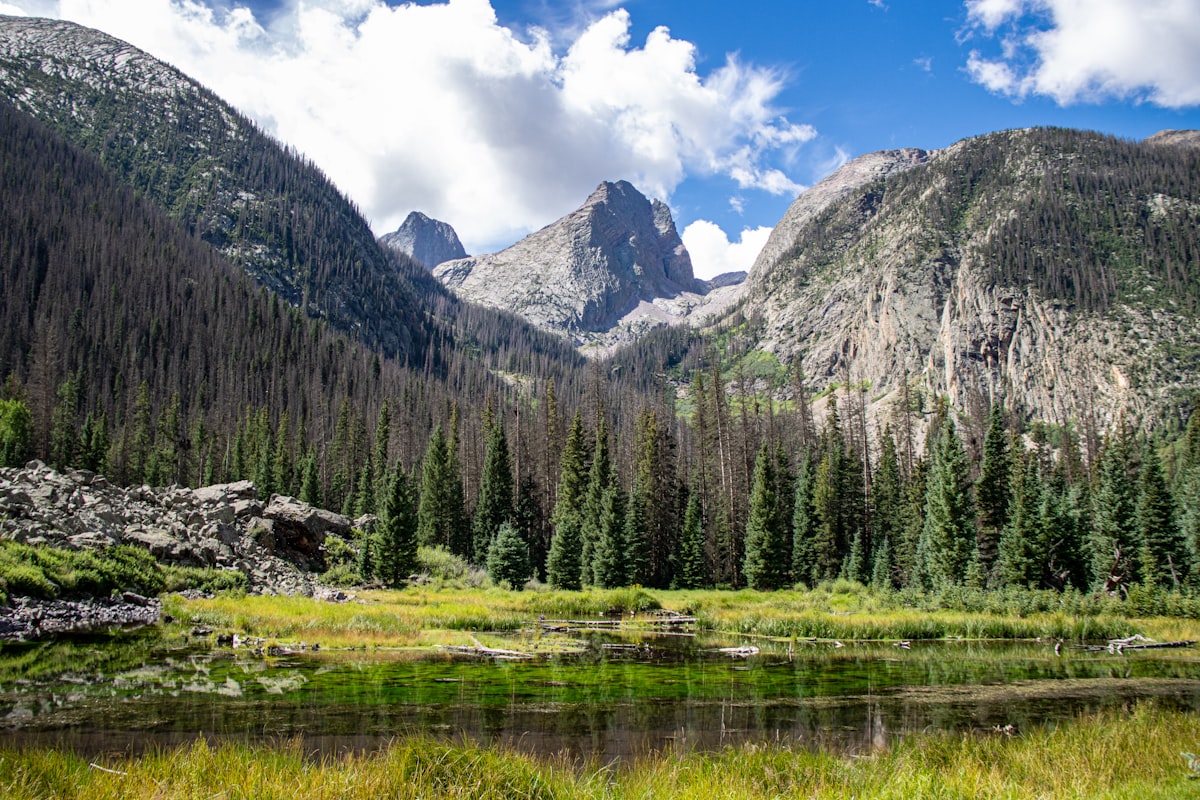
The San Juan Mountains surrounding Durango hold dozens of small, high-altitude streams that carry cutthroat trout, brook trout, and occasionally brown trout in wild, unpressured settings. These are hike-in fisheries, small water, small fish, big scenery, and the solitude is the main draw. The fish are willing (they see few anglers) and the setting, above 10,000 feet in the alpine meadows and spruce forests, is as good as Colorado gets.

When to Go

  • April–May: San Juan tailwater fishing well, Animas pre-runoff, early-season opportunities
  • June–July: Animas clears after runoff, stonefly and caddis hatches, high-country streams open
  • August–September: Peak dry-fly season on the Animas, San Juan consistent, hopper season, the prime window
  • October–November: Fall browns on the Animas, San Juan midge fishing, aspens turning, the locals' choice
  • December–March: Winter San Juan, the best catch rates of the year with the fewest anglers

Recommended gear

  • Orvis Clearwater Fly Rod Outfit 9' 5wt

    Mid-tier, Animas River Gold Medal water

  • Sage Foundation Outfit 5wt

    Premium, American-made, the Durango guide's choice

  • Echo Base Fly Rod Kit 9' 5wt

    Entry level, good for Animas walk-and-wade

  • Rio InTouch Nymph Line

    Thin, sensitive line for San Juan River indicator nymphing

  • Umpqua San Juan River Fly Selection

    San Juan Worm, Annelid, RS2, midges, the must-haves

  • Simms Tributary Wading Boots

    Entry level, good traction on Animas River cobble

  • Scientific Anglers Absolute Trout 5X Tippet

    Standard tippet for Animas dry-fly fishing

Frequently asked

Do you need a license to fish near Durango?

Yes, Colorado requires a fishing license, available as a 1-day, 5-day, or annual permit for non-residents through Colorado Parks & Wildlife or at Durango shops. The San Juan tailwater across the New Mexico line needs a New Mexico license instead.

How much does a guided trip near Durango cost?

A full-day guided trip near Durango, wading the Animas in town or floating it, or a day trip to the San Juan tailwater, typically runs about $450 to $600 for one or two anglers, including gear and flies.

What is the Animas River?

The Animas is one of the last free-flowing (undammed) rivers in Colorado, flowing through downtown Durango. The Gold Medal Water section holds rainbow and brown trout averaging 14 to 18 inches, with bigger browns in the deeper pools. You can fish it on a lunch break from downtown.

How good is the San Juan River tailwater?

The San Juan below Navajo Dam holds over 15,000 trout per mile in the quality water, among the highest densities in the world. Rainbow and brown trout average 16 to 20 inches. It fishes 365 days a year, and winter often produces the best catch rates with the fewest anglers.

When is the best time to fish Durango?

August and September are the prime window, peak dry-fly fishing on the Animas, San Juan consistent, and hopper season in full swing. October brings fall browns and aspen colors. Winter (December through March) is the best for San Juan midge fishing with fewer crowds.

Is the San Juan River technical?

Yes, the fish see a lot of flies on heavily-fished water. Success requires small midges (#20-26), fine tippet (6X-7X), and precise dead-drift presentations. The flat, slow water amplifies every flaw. It's rewarding for skilled anglers but can be humbling for beginners.

How far is the San Juan River from Durango?

About 60 miles south, roughly one hour by car. The river is in New Mexico, below Navajo Dam. Most Durango guides drive clients to the San Juan for full-day trips. You'll need a New Mexico fishing license (available online or at the river).

More Colorado field notes

Urban Fishing in Denver: Trout in the South Platte, Carp on the Fly, and the Grand Slam in the Shadow of the Rockies

Denver, CO

Urban Fishing in Denver: Trout in the South Platte, Carp on the Fly, and the Grand Slam in the Shadow of the Rockies

The South Platte River flows through the heart of Denver holding trout, carp, smallmouth bass, walleye, and catfish, all within a mile of downtown. The urban South Platte Grand Slam (trout, carp, bass, catfish in one day) is a real thing. Add stocked city park lakes and 26 miles of river trail, and Denver is a fly fisher's urban paradise.

Fly Fishing Rocky Mountain National Park: Greenback Cutthroat, Alpine Lakes, and Colorado's State Fish Coming Home

Estes Park, CO

Fly Fishing Rocky Mountain National Park: Greenback Cutthroat, Alpine Lakes, and Colorado's State Fish Coming Home

Rocky Mountain National Park holds 150+ lakes and hundreds of miles of streams at the top of the Continental Divide, and a decades-long effort to bring Colorado's native greenback cutthroat trout back from the edge of extinction. Here's every water, every hatch, and the conservation story that makes fishing here an act of hope.

Fly Fishing Great Sand Dunes National Park: Native Cutthroat, Backcountry Creeks, and the Most Surreal Landscape in Colorado

Mosca, CO

Fly Fishing Great Sand Dunes National Park: Native Cutthroat, Backcountry Creeks, and the Most Surreal Landscape in Colorado

Great Sand Dunes holds 750-foot dunes beneath 14,000-foot peaks, and behind that spectacle, Sand Creek carries native Rio Grande cutthroat trout in one of Colorado's most important restoration waters. Here is the backcountry creek, the famous surge-flow beach, the Conejos River nearby, and the fly box for southern Colorado's most unexpected fishery.

Fly Fishing Black Canyon of the Gunnison: Gold Medal Trout in America's Most Dramatic Canyon

Montrose, CO

Fly Fishing Black Canyon of the Gunnison: Gold Medal Trout in America's Most Dramatic Canyon

Black Canyon of the Gunnison holds Colorado's wildest Gold Medal trout water, 8,000 trout per mile in the Gunnison River, 2,000 feet below sheer canyon walls so dark they gave the canyon its name. The access is brutal. The salmonfly hatch is legendary. And the browns and rainbows are the biggest in the state.

How to Fish Steamboat Springs, Colorado: The Yampa, a Tailwater, and Mountain Lakes

Steamboat Springs, CO

How to Fish Steamboat Springs, Colorado: The Yampa, a Tailwater, and Mountain Lakes

Everything a beginner needs to fish Steamboat Springs, the Yampa River through town, the world-class Stagecoach tailwater, the Elk River, and the valley lakes with their trout, arctic grayling, and pike.

How to Fish Pagosa Springs, Colorado: Rivers, Reservoirs, and High-Country Trout

Pagosa Springs, CO

How to Fish Pagosa Springs, Colorado: Rivers, Reservoirs, and High-Country Trout

Everything a beginner needs to fish Pagosa Springs, the three tiers of water (rivers, reservoirs, and wilderness lakes), what to catch in each, how to time the snowmelt runoff, and the gear that works.