Fish
Fish Fire
Fire Hike
Hike Bird
Bird

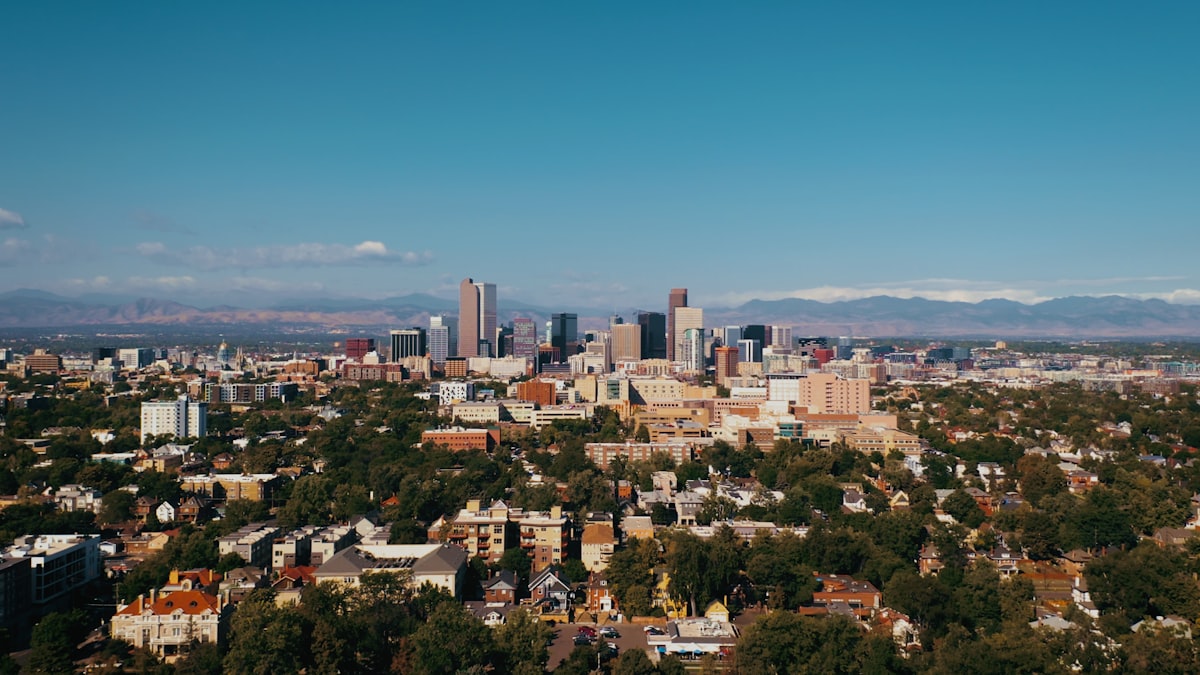
Denver is not a fishing town in the way that coastal cities are, but it should be. Within 90 minutes of downtown, you can reach half a dozen Gold Medal trout streams, two of the most famous tailwater fisheries in the West, reservoirs holding 20-pound northern pike, and alpine lakes above 10,000 feet that freeze solid six months a year and hold wild cutthroat trout the rest of the time.
Colorado Parks and Wildlife designates Gold Medal water as sustaining at least 60 pounds of trout per acre, with a significant percentage of fish over 14 inches. Denver has more Gold Medal water within day-trip range than any other major US city.
The Tailwaters, Technical Trout Fishing
Cheesman Canyon
Cheesman Canyon is the crown jewel, a three-mile stretch of the South Platte River about an hour southwest of Denver that holds some of the most educated trout in Colorado. The canyon is catch-and-release, flies and lures only, and the fish have seen every pattern in every fly box.
The trout here are large for a river this size, 14 to 20 inches, with occasional fish over 22, and they feed on prolific hatches of midges, Blue Winged Olives, caddis, and Pale Morning Duns. The fishing is technical: long leaders (9 to 12 feet), fine tippet (6X or 7X), and small flies (#20 to #26). You're reading the water, spotting fish, and making one clean cast to a feeding trout. Sloppy presentations get ignored.
Cheesman fishes year-round as a tailwater, the stable, cold flows from Cheesman Dam keep the water fishable even in January. The best windows are the midge hatches in February and March and the caddis emergence in June.
Eleven Mile Canyon
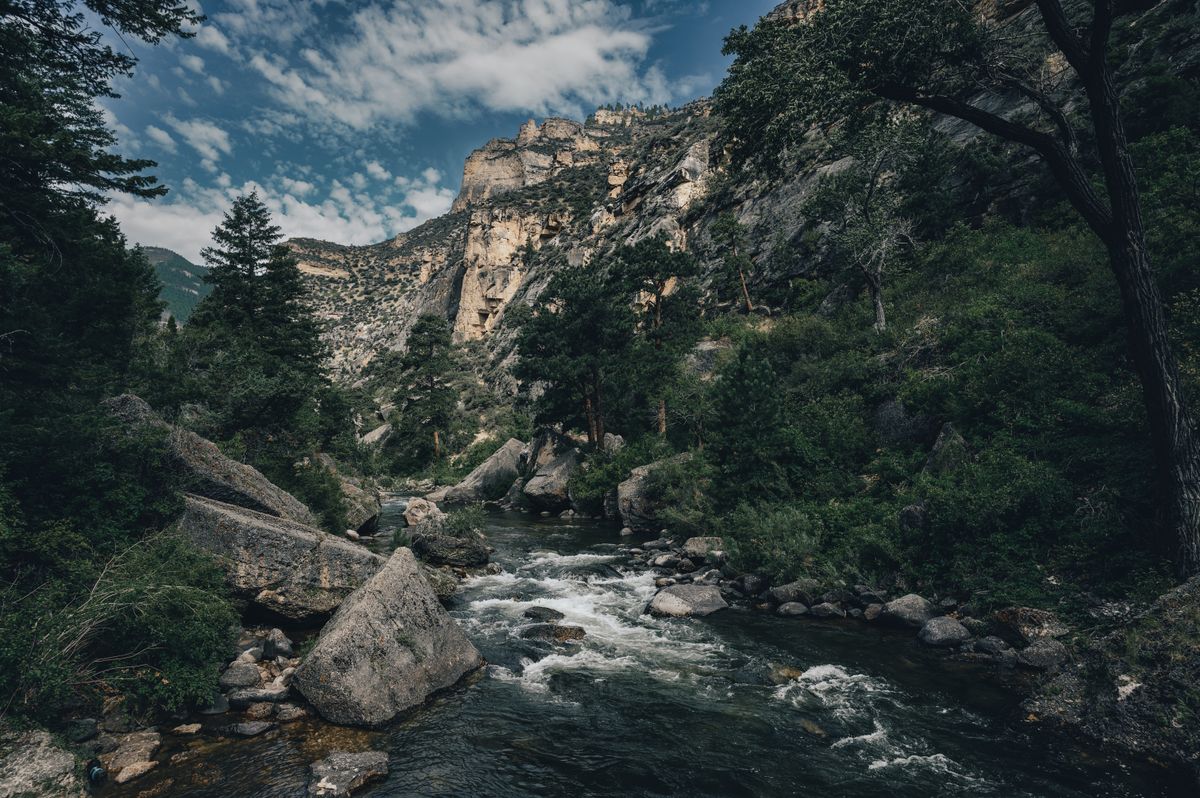
Below Eleven Mile Dam, the South Platte runs through a narrow canyon with over 3,500 trout per mile in the catch-and-release section. The water is smaller and more intimate than Cheesman, pocket water, plunge pools, and short runs between boulders. Rainbow and brown trout dominate, and the fish are smaller on average but more willing to eat. It's a great fishery for anglers building their technical skills before tackling Cheesman.
The Dream Stream
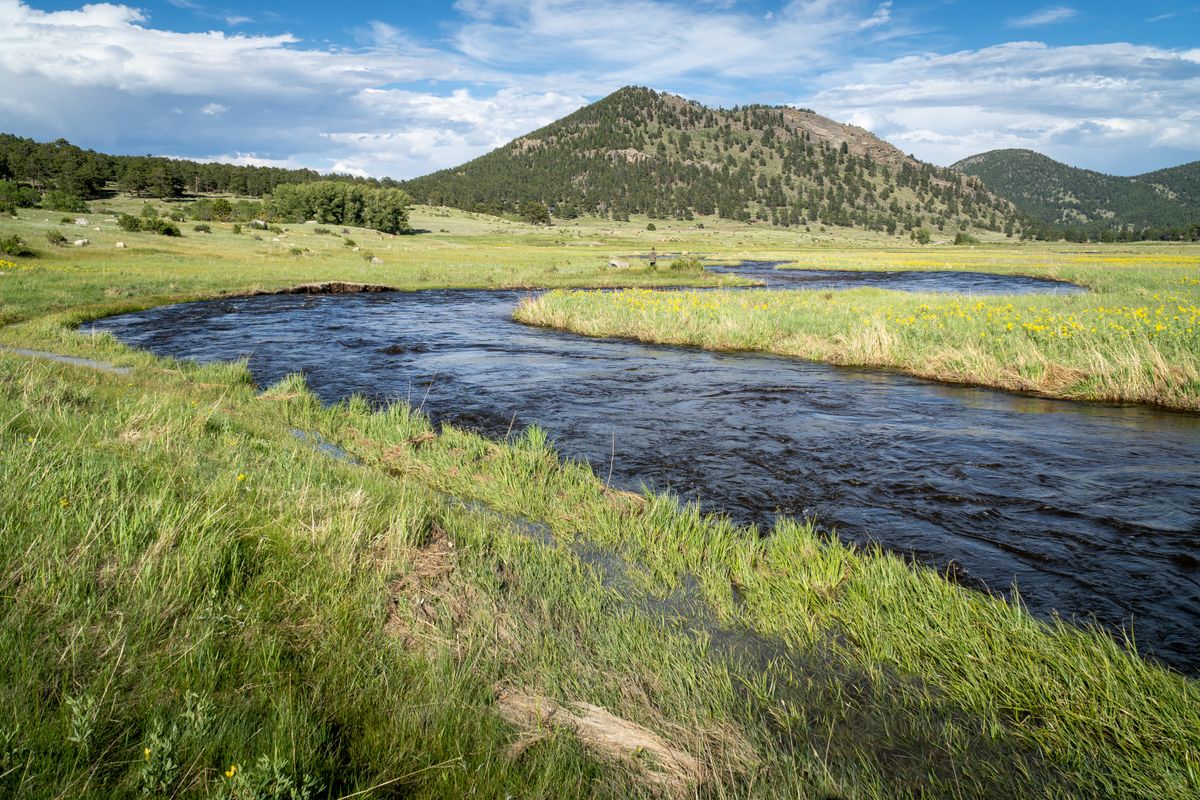
The Dream Stream is the short stretch of South Platte between Spinney Mountain Reservoir and Eleven Mile Reservoir, about four miles of meadow water flowing through South Park at 8,600 feet. It's Gold Medal water with a different character: slow, flat, and clear, with big fish that migrate out of the reservoirs to feed and spawn.
Trophy rainbow, cutbow, and brown trout in the 16- to 22-inch range cruise the Dream Stream, especially during the fall brown trout run (October) and the spring rainbow spawn (April). Kokanee salmon stack in the river during their fall spawning run, September through October, and the big browns follow them for the eggs. Sight-fishing to a 22-inch brown eating kokanee eggs in a crystal-clear meadow stream is a uniquely Colorado experience.
The Freestone Rivers
The Blue River
The Blue River below Dillon Reservoir, about 70 miles west of Denver, is a Gold Medal tailwater that's been quietly producing trophy trout for decades. The section through Silverthorne is accessible and productive, with rainbow and brown trout in the 14- to 18-inch range and consistent hatches from spring through fall.
Clear Creek
Clear Creek runs right through the western suburbs, Golden, Idaho Springs, Georgetown, and holds wild brown and rainbow trout in a freestone setting. It's not Gold Medal water, but it's free, public, and five minutes from the highway. Good pocket-water nymphing and dry-fly fishing in summer and fall.
The Reservoirs
The reservoirs within day-trip range of Denver add species that the rivers can't offer.
Eleven Mile Reservoir holds rainbow trout, brown trout, kokanee salmon, northern pike, and carp. The pike fishery has grown significantly, fish over 30 inches are caught regularly, and 40-inch fish are possible.
Spinney Mountain Reservoir is a trophy trout factory, the average fish is larger than most rivers produce, and the cutbow and rainbow trout grow fat on the reservoir's rich insect life and kokanee. It's open limited months (May through November) and has strict regulations.
Strontia Springs Reservoir and Chatfield Reservoir offer more accessible options closer to the city for anglers who want to fish without the mountain drive.
When to Go
- February–March: Midge hatches in Cheesman Canyon, technical dry-fly fishing on sunny days
- May–June: Runoff clears, Blue River and freestone rivers come into form, Dream Stream rainbow spawn
- July–September: Peak season everywhere, hatches on the tailwaters, reservoirs producing, alpine lakes open
- October–November: Fall brown trout run on the Dream Stream, kokanee spawn, the best trophy window