Fish
Fish Fire
Fire Hike
Hike Bird
Bird

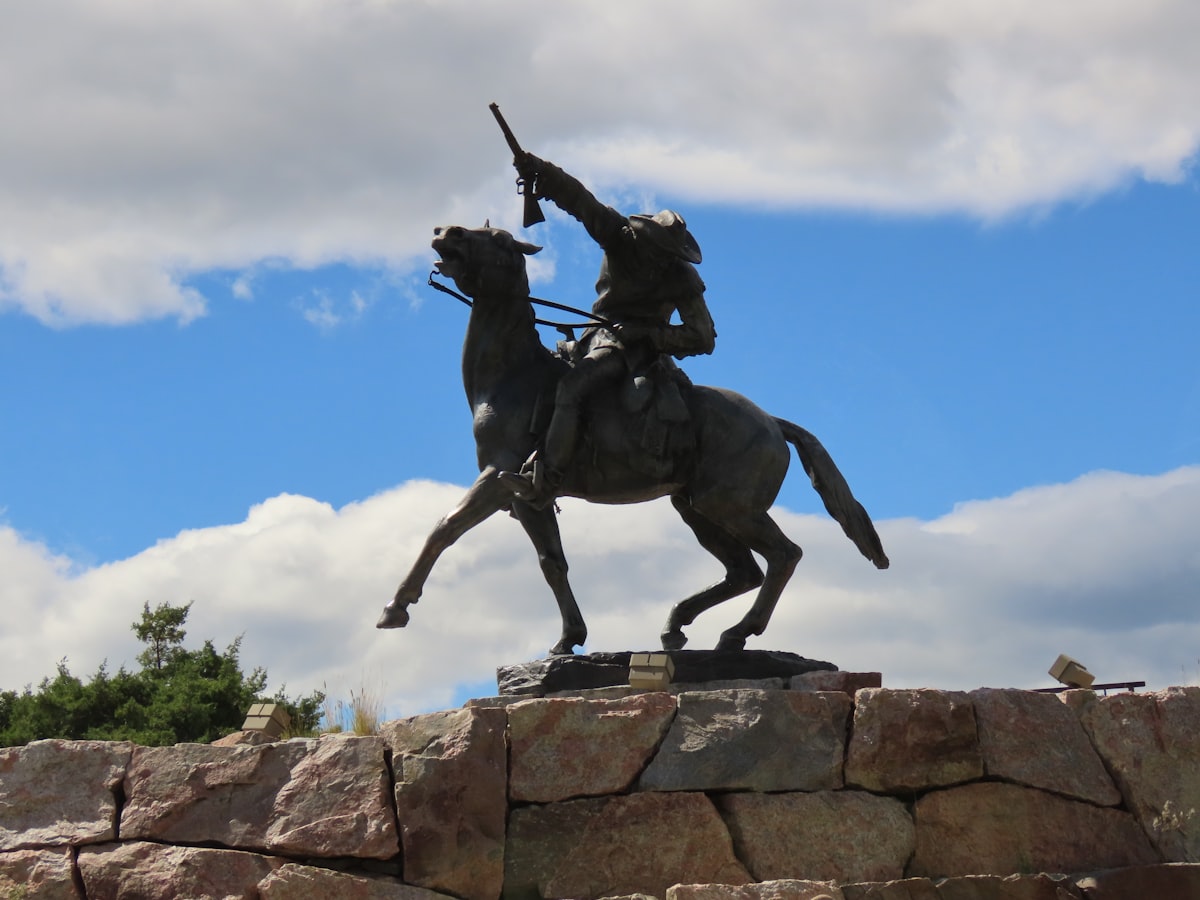

Cody, Wyoming sits in the Bighorn Basin at the confluence of the North Fork and South Fork of the Shoshone River, 50 miles east of the Yellowstone National Park east entrance. The town was founded by Buffalo Bill Cody and still feels like the Old West, but the fly fishing is pure modern-day destination water.
What makes Cody exceptional for fishing isn't one river, it's three, each with a completely different character. The North Fork Shoshone is a pristine freestone flowing out of the Absaroka Wilderness with native Yellowstone cutthroat. The Clark's Fork of the Yellowstone drains the Beartooth Plateau through a remote canyon holding rainbows, browns, cutthroats, and even grayling. And the Lower Shoshone below Buffalo Bill Dam is a warm-spring-fed tailwater that stays fishable 365 days a year, one of the only year-round trout rivers in the Rocky Mountains.
Add in proximity to Yellowstone's legendary waters, Yellowstone Lake, the Lamar River, Slough Creek, the Yellowstone River itself, and Cody becomes a base camp for some of the most diverse trout fishing in the American West.
The North Fork Shoshone, Wilderness Freestone
The North Fork Shoshone flows southeast out of Yellowstone National Park through the Shoshone National Forest, a stretch rated among the top 10 fly-fishing rivers in the northern Rockies. The river runs through a canyon of volcanic rock and old-growth forest, with wildlife, bald eagles, moose, bighorn sheep, bears, visible from the boat on most float trips.
Yellowstone cutthroat trout are the primary species, native fish in native water, with the golden flanks and red slash that define the species. Rainbow trout, cuttbow hybrids, and brown trout round out the catch. Fish average 14 to 18 inches, with 20-inch fish caught regularly on the right day.
The North Fork is both a wade and float fishery. Float trips cover 6 to 10 miles of river per day and access water that's impossible to reach on foot, undercut banks, log jams, and braided side channels that hold the best fish. Wade fishing works well in the lower canyon sections where the river widens and the riffles and runs are accessible from the bank.
Best season: Mid-June through mid-August, after spring runoff clears. The salmonfly hatch in late June is the early-season highlight. Hopper fishing takes over in August and runs into September, big dry flies producing aggressive strikes from cutthroat that eat with abandon.
The Clark's Fork of the Yellowstone, The Remote Water
The Clark's Fork drains the Beartooth Plateau, a vast alpine landscape above 10,000 feet, and flows through a canyon that's one of the most remote and spectacular fisheries in Wyoming. The river holds a remarkable diversity of species: rainbow trout, brown trout, Yellowstone cutthroat, Snake River cutthroat, cuttbow hybrids, mountain whitefish, and, in the upper reaches, arctic grayling, one of the rarest freshwater fish in the lower 48.
The Clark's Fork has three distinct sections, each fishing differently. The upper river near Cooke City is small, cold, and holds cutthroat and grayling in pocket water and plunge pools. The middle section flows through a box canyon with larger rainbows and browns in the deeper runs. The lower section near the Wyoming border opens up into riffles and runs that are excellent for wade fishing.
Float trips on the Clark's Fork are for adventurous anglers, the canyon is remote, the access is limited, and the scenery is wild. But the reward is fishing water that sees very few other anglers, with trout that haven't learned to be suspicious.
Best season: July through September, after the snowmelt from the Beartooth clears.
The Lower Shoshone, The Year-Round Tailwater
Below Buffalo Bill Dam, the Shoshone River flows through the town of Cody and continues east into the Bighorn Basin. What makes this stretch unique is the warm springs that trickle into the river below the dam, keeping the water temperature fishable even in the dead of winter, when every other river in the region is frozen or too cold to fish productively.
The Lower Shoshone holds rainbow trout and brown trout in the 12- to 18-inch range, with bigger fish around the deeper pools and bridge pilings. The winter fishery, December through March, is the unique draw. While the rest of Wyoming's rivers are locked up, Cody guides run trips on the Lower Shoshone for trout that are feeding on midges in open water. It's not high-volume fishing, but it's fishing when nothing else is available, and the solitude of a snowy Wyoming river with rising trout is something you don't forget.
Summer on the Lower Shoshone is productive but less distinctive, the other rivers are all fishing well and draw more attention. Fall (September through October) is excellent, with brown trout moving through on their pre-spawn migration.
Yellowstone National Park, The Day-Trip Waters
Cody's proximity to Yellowstone puts world-famous park waters within day-trip range:
Yellowstone Lake holds native Yellowstone cutthroat trout, the largest inland cutthroat population in the world. The June hatch, when cutthroat stack at the tributaries, is one of the great wildlife-and-fishing spectacles in the national parks.
The Lamar River and Slough Creek in Yellowstone's northeast corner hold wild cutthroat in a backcountry setting that looks like it did 200 years ago, bison on the meadow, wolves on the ridgeline, and rising trout in the riffle.
The Yellowstone River inside the park, above the Grand Canyon, is catch-and-release for native cutthroat, and the fish eat dry flies with a confidence that makes every cast feel like a gift.
When to Go
- Mid-June through July: North Fork clears, salmonfly hatch, the season opens on all rivers
- August–September: Peak hopper season, Clark's Fork at its best, the finest dry-fly fishing of the year
- October: Fall brown trout migration on the Lower Shoshone, Yellowstone Park waters closing
- December–March: Winter fishing on the Lower Shoshone, the unique year-round option