Annapolis Fishing: Rockfish, Bridge Pilings, and the Chesapeake Bay Playbook
← All field notes

Annapolis · Maryland

Annapolis Fishing: Rockfish, Bridge Pilings, and the Chesapeake Bay Playbook

Annapolis sits where the Severn River meets the Chesapeake Bay, the largest estuary in the country. The fishing revolves around structure: bridges, channel edges, oyster bars, and the Bay Bridge.

Colin Van Dyke

Colin Van Dyke

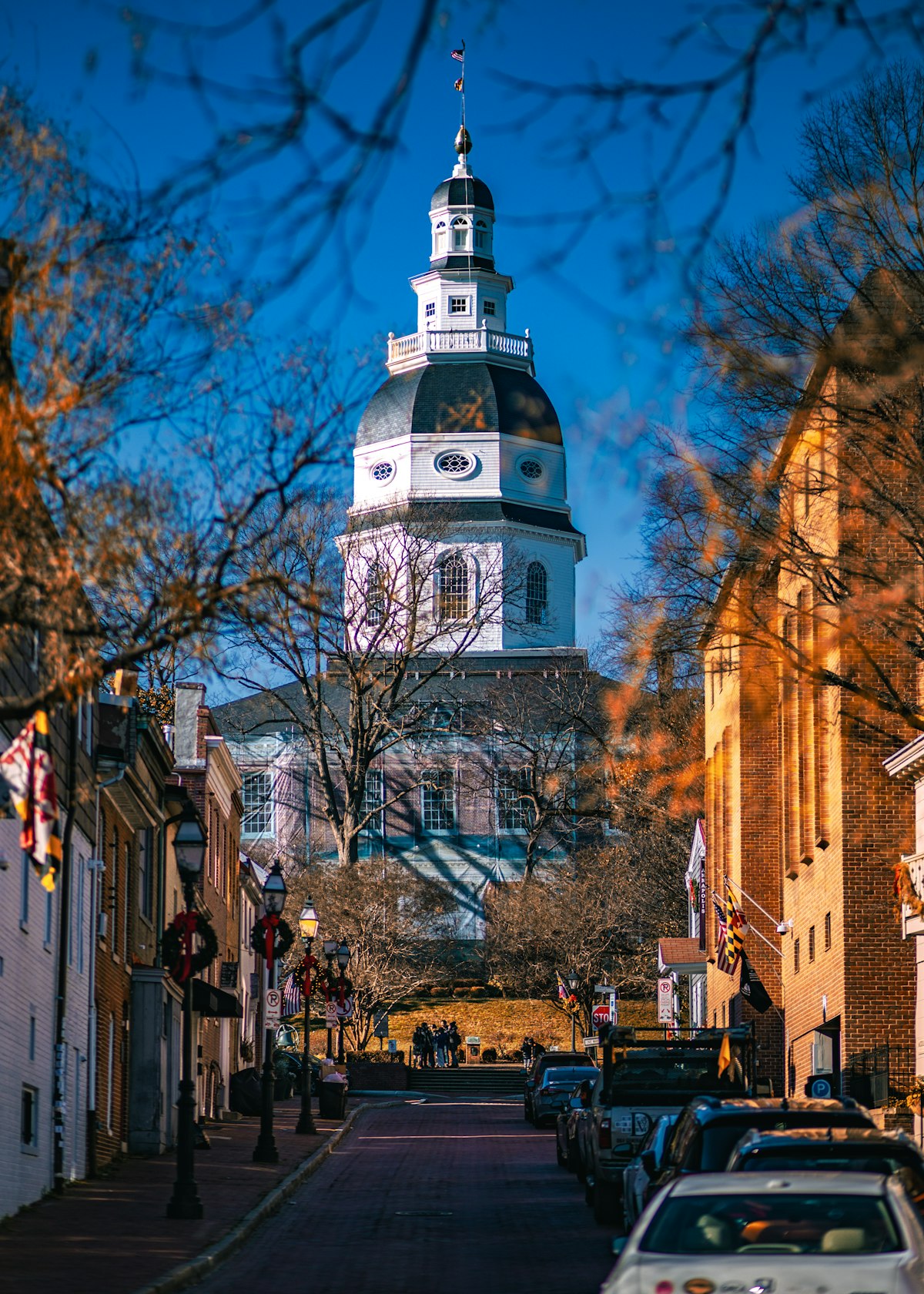
Annapolis is the sailing capital of the United States, but the fishing is what keeps the working boats running. The city sits where the Severn River empties into the Chesapeake Bay, the largest estuary in the country, stretching 200 miles from the Susquehanna River to the Atlantic Ocean. The Bay is shallow, averaging just 21 feet deep, and that shallow water over a complex bottom of channels, oyster bars, and bridge structure creates a fishery that rewards anglers who understand where the fish hold.

In Maryland, striped bass are called rockfish, and they're the species that defines the Chesapeake. But the Bay holds far more than rockfish, and the fishing calendar rotates through species as the seasons change.

New to the Chesapeake? Our beginner's guide to fishing the Chesapeake Bay covers rockfish rigs, trolling, and how to read the structure. For more Maryland water, see Ocean City.

The Bay Bridge, The Big Structure

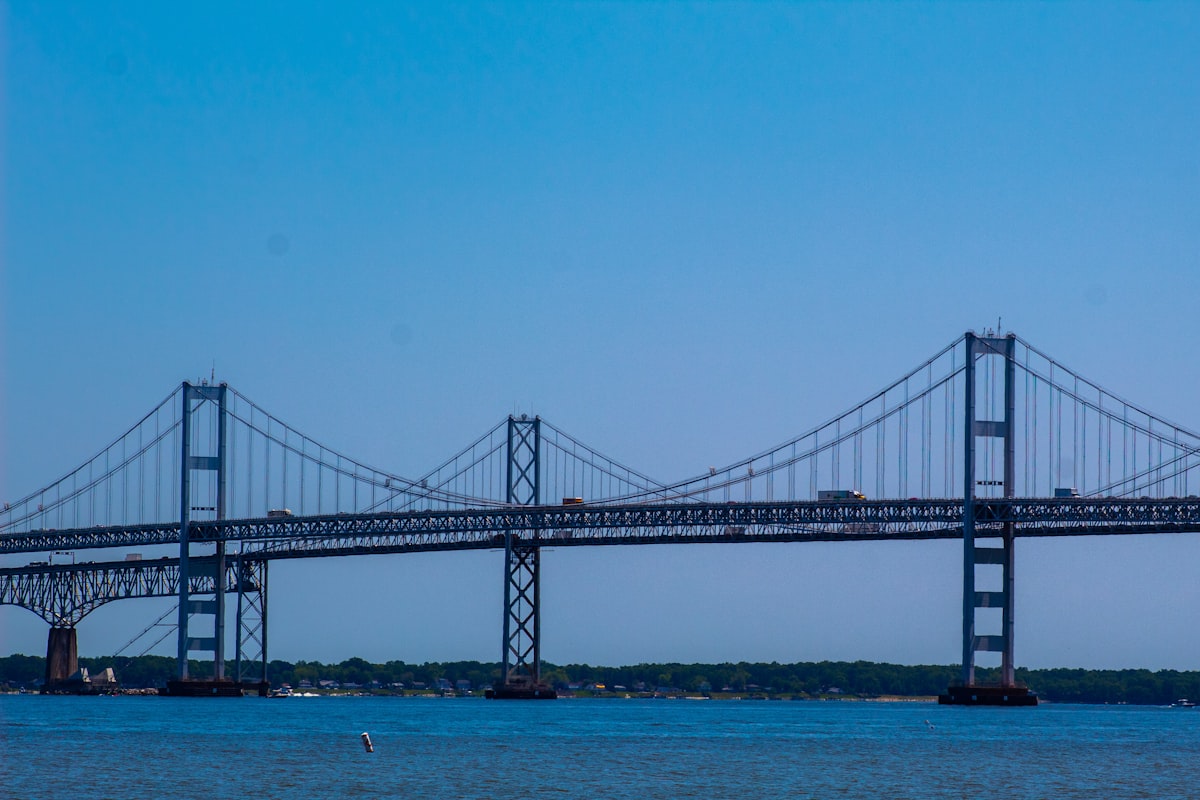
The Chesapeake Bay Bridge is a 4.3-mile twin-span crossing just north of Annapolis, and it's the most productive fishing structure in the Bay. The bridge pilings create an artificial reef system that holds baitfish, which holds predators.

Rockfish (striped bass) relate to the pilings year-round. Trolling around the bridge in 25 to 50 feet of water, pulling umbrella rigs, parachutes, and bucktails near the pilings, produces trophy-class rockfish from spring through early winter. Fish over 40 inches are caught at the bridge every season, and the structure holds so many fish that the bridge area alone supports a significant charter fleet.

Bluefish stack around the bridge from July through November, slashing through schools of baitfish in the rip lines created by the pilings. They hit everything, lures, bait, trolling spreads, and their aggressive, toothy strikes make for fast action.

Light-tackle jigging around the pilings targets both species in a more hands-on style, dropping metal jigs or soft plastics to the bottom and working them up through the water column. When the fish are on the bridge, the jigging bite can be nonstop.

The Severn River and Local Structure

The Severn River flows right through Annapolis, and its channel edges, docks, and bridge pilings hold rockfish, white perch, and catfish. Fishing the Severn is a kayak or small-boat game, you're working the shoreline structure, casting to docks and fallen trees, and targeting fish that live in the river year-round.

White perch are the Chesapeake's underrated species, they school heavily, eat aggressively, and taste excellent. They're catchable year-round in the Severn and South Rivers, especially in the deeper holes during winter.

The Route 50 bridge pilings in the Severn hold rockfish that local anglers know about but visitors don't. Light-tackle casting to the pilings at dawn and dusk produces fish without the crowds of the Bay Bridge.

Fishing from Shore, No Boat Required

You don't need a boat to fish the Chesapeake at Annapolis. Sandy Point State Park, on the western foot of the Bay Bridge, is the most productive shore spot in the upper Bay, a sandy beach and jetty within casting range of the bridge's deep water. Rockfish, bluefish, white perch, and the occasional cobia all come within reach of an angler on the sand, and the fall run turns the beach into a lineup of surf rods at dawn.

The rig is simple: a fish-finder rig with cut bunker or bloodworm for rockfish and perch, or a metal jig cast and retrieved when blues are blitzing on top. Spring and fall are prime, migratory fish move past Sandy Point on their way up and down the Bay, and the shore angler intercepts them at the choke point the bridge creates.

Closer to town, the public bulkheads and piers around Annapolis Harbor, the Severn, and the South River add white perch and catfish action year-round. For families and first-timers, the City Dock area and the parks along Spa Creek are easy, productive places to drop a line.

The Open Bay, Trolling and Live-Lining

Beyond the bridge, the open Chesapeake holds rockfish, bluefish, and Spanish mackerel on the Bay's shoals, lumps, and channel edges. Trolling is the primary technique for covering water, pulling spreads of lures behind the boat at 3 to 6 knots to locate schools of fish.

Live-lining is the Chesapeake specialty. You catch live spot, croaker, or eels, hook them through the nose or lip, and drift them behind the boat along structure or over known rockfish holding areas. The technique takes patience, you're waiting for a rockfish to find the bait and eat, but the hookups are real, and the fish tend to be larger than what trolling produces.

Cobia are the summer bonus. They migrate into the lower Chesapeake Bay from June through September, cruising near buoys, channel markers, and rays. Sight-casting to a 40-pound cobia cruising the surface, spotting the brown shape, making the cast, watching the fish turn and eat, is the most exciting fishing in the Bay.

The Oyster Bars, Winter Rockfish

Maryland's oyster bars are underwater reefs of shell that hold rockfish through the winter months. When the water cools in November, rockfish that have been roaming the open Bay settle onto the oyster bars, where the structure provides food and current breaks.

Winter rockfish fishing over the bars is a light-tackle jigging game, anchoring over a known bar, dropping soft plastics or bucktails to the bottom, and working them slowly. The fish are sluggish in cold water but still eat, and the winter bite produces some of the biggest rockfish of the year.

When to Go

  • April–May: Spring trophy rockfish season, big migratory fish returning to the Bay
  • June–August: Cobia sight-fishing, bluefish, Spanish mackerel, consistent rockfish
  • September–November: Fall rockfish, the fastest bite of the year, bluefish stacking at the bridge
  • December–February: Winter jigging on the oyster bars, cold but rewarding for trophy rockfish
Recommended gear

  • Penn Battle III 4000 Combo

    Mid-tier, Chesapeake Bay rockfish and bluefish

  • Shimano Stradic FL 4000

    Premium, casting jerkbaits around Bay Bridge pilings

  • Penn Pursuit IV 3000 Combo

    Entry level, bay and river fishing

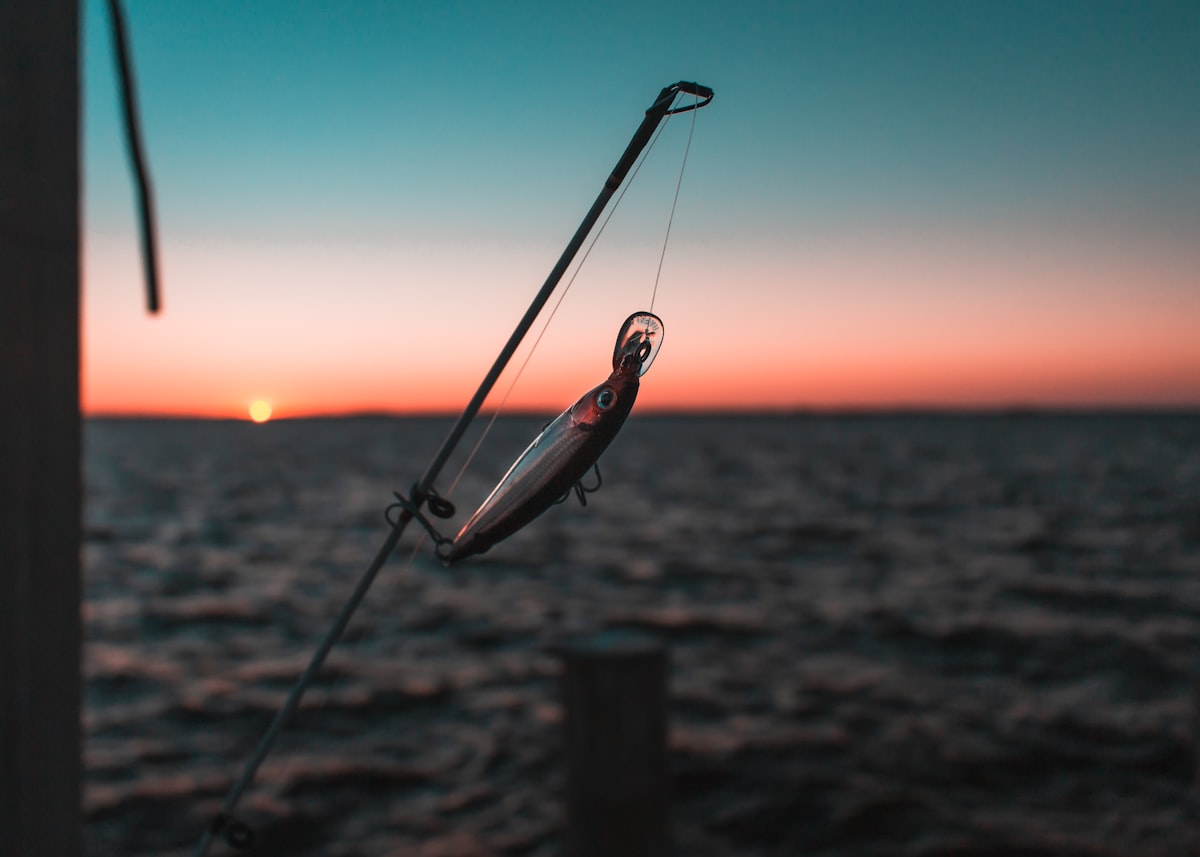
  • Rapala X-Rap Saltwater 10

    Jerkbait for rockfish around Annapolis structure

  • Storm WildEye Swim Shad 5-inch

    Umbrella rig trailer for trolling rockfish

  • Gamakatsu Octopus Circle 5/0

    Live-lining spot for big rockfish

Frequently asked

What is a rockfish in Chesapeake Bay?

Rockfish is the local Maryland name for striped bass, the signature species of the Chesapeake. They relate to the Bay Bridge pilings, channel edges, and oyster bars year-round, and trophy fish over 40 inches are caught every season, especially during the spring trophy run and the fast fall bite.

Can you fish near Annapolis without a boat?

Yes. Sandy Point State Park, at the western foot of the Bay Bridge, is the most productive shore spot in the upper Bay, its beach and jetty reach rockfish, bluefish, white perch, and the occasional cobia. The public bulkheads and piers around Annapolis Harbor, the Severn, and the South River add white perch and catfish close to town.

How much does a Chesapeake Bay fishing charter cost near Annapolis?

A typical 6-hour Chesapeake charter out of the Annapolis area runs about $600 to $900 for up to four to six anglers, with full days and larger parties higher. Trolling trips that target trophy rockfish around the Bay Bridge and open Bay usually include rods, tackle, and bait, and the captain's license covers the whole group.

Do you need a fishing license to fish the Chesapeake near Annapolis?

Maryland requires a Chesapeake Bay sport fishing license to fish the tidal Bay on your own. If you fish aboard a licensed charter, the boat's license covers everyone, so you don't need your own. Maryland also runs a few license-free fishing days each year, typically in summer.

When is the best rockfish fishing near Annapolis?

Spring (April–May) brings trophy migratory rockfish returning to the Bay. Fall (September–November) offers the fastest bite as fish feed aggressively. Winter jigging on oyster bars produces some of the biggest fish of the year. Rockfish are available year-round in the Chesapeake.

What is live-lining in the Chesapeake Bay?

Live-lining means catching live baitfish, spot, croaker, or eels, and drifting them behind the boat along structure. It's the Chesapeake specialty for targeting larger rockfish. The technique requires patience but produces bigger fish than trolling on average.

Can you catch cobia in the Chesapeake Bay?

Yes, cobia migrate into the lower and middle Chesapeake from June through September. They cruise near buoys, channel markers, and rays, and sight-casting to them is the most exciting fishing in the Bay. Fish commonly reach 30 to 50 pounds.

Is the Chesapeake Bay Bridge good for fishing?

The 4.3-mile Bay Bridge is the most productive fishing structure in the Chesapeake. The pilings hold rockfish, bluefish, and baitfish year-round. Trolling and light-tackle jigging around the bridge produces trophy stripers and fast bluefish action.

More Maryland field notes

The Size Limit Changes in the Middle of the Season

Annapolis, MD

The Size Limit Changes in the Middle of the Season

Maryland raises the minimum blue crab size from five inches to five and a quarter in mid-July. Nothing about the crabs changes on that date. What changes is that the year class has had time to grow, and the state raises the bar to let it.

How to Fish Ocean City, MD: A Beginner's Guide to the Inlet, Piers, Head Boats, and the Canyons

Ocean City, MD

How to Fish Ocean City, MD: A Beginner's Guide to the Inlet, Piers, Head Boats, and the Canyons

Everything a first-timer needs to fish Ocean City, Maryland, the inlet jetties for stripers and flounder, pier fishing for croaker, head boats for sea bass and flounder, surf fishing, and offshore canyon trips for tuna and marlin. Gear, rigs, and practical tips.

How to Fish Chesapeake Bay: A Beginner's Guide to Rockfish, Blue Catfish, Crabbing, and the Bay's Best Techniques

Chesapeake Bay, MD

How to Fish Chesapeake Bay: A Beginner's Guide to Rockfish, Blue Catfish, Crabbing, and the Bay's Best Techniques

Everything a first-timer needs to fish Chesapeake Bay, trolling umbrella rigs for rockfish, chumming and live-lining, blue catfish on cut shad, pier fishing, crabbing, charter options, and practical details for visiting anglers in Maryland and Virginia.

How to Fish Annapolis, Maryland: A First-Timer's Guide to Rockfish, Perch, and Blue Crabs

Annapolis, MD

How to Fish Annapolis, Maryland: A First-Timer's Guide to Rockfish, Perch, and Blue Crabs

What a beginner needs to fish Annapolis and the Chesapeake Bay, the Maryland license and rockfish rules, light-tackle jigging the Bay Bridge, trolling the main stem, bottom fishing for perch and spot, catching blue crabs, and the gear and bait that actually work on the Bay.

Ocean City Fishing: The White Marlin Capital and the Canyons That Made It Famous

Ocean City, MD

Ocean City Fishing: The White Marlin Capital and the Canyons That Made It Famous

Ocean City earned its White Marlin Capital nickname in 1939, and the offshore canyons that created that reputation still produce marlin, tuna, and swordfish alongside a back-bay flounder fishery that locals guard like a secret.

How to Fish the Chesapeake Bay: A Beginner's Guide to Rockfish, the Bay's Species, and Blue Crabs

Chesapeake Bay, MD

How to Fish the Chesapeake Bay: A Beginner's Guide to Rockfish, the Bay's Species, and Blue Crabs

The Chesapeake is the largest estuary in the U.S. and the striped bass nursery of the East Coast. Here's the whole-bay guide, Maryland to Virginia, to rockfish, the Bay's deep cast of species, blue crabs, prime spots, and the seasons.