
How to Read a Wildfire Smoke Map
← All field notes

Wildfire Basics

How to Read a Wildfire Smoke Map

Those gray blobs over your town aren't random. Here's how to read them — and where they'll drift.

Colin Van Dyke

Colin Van Dyke

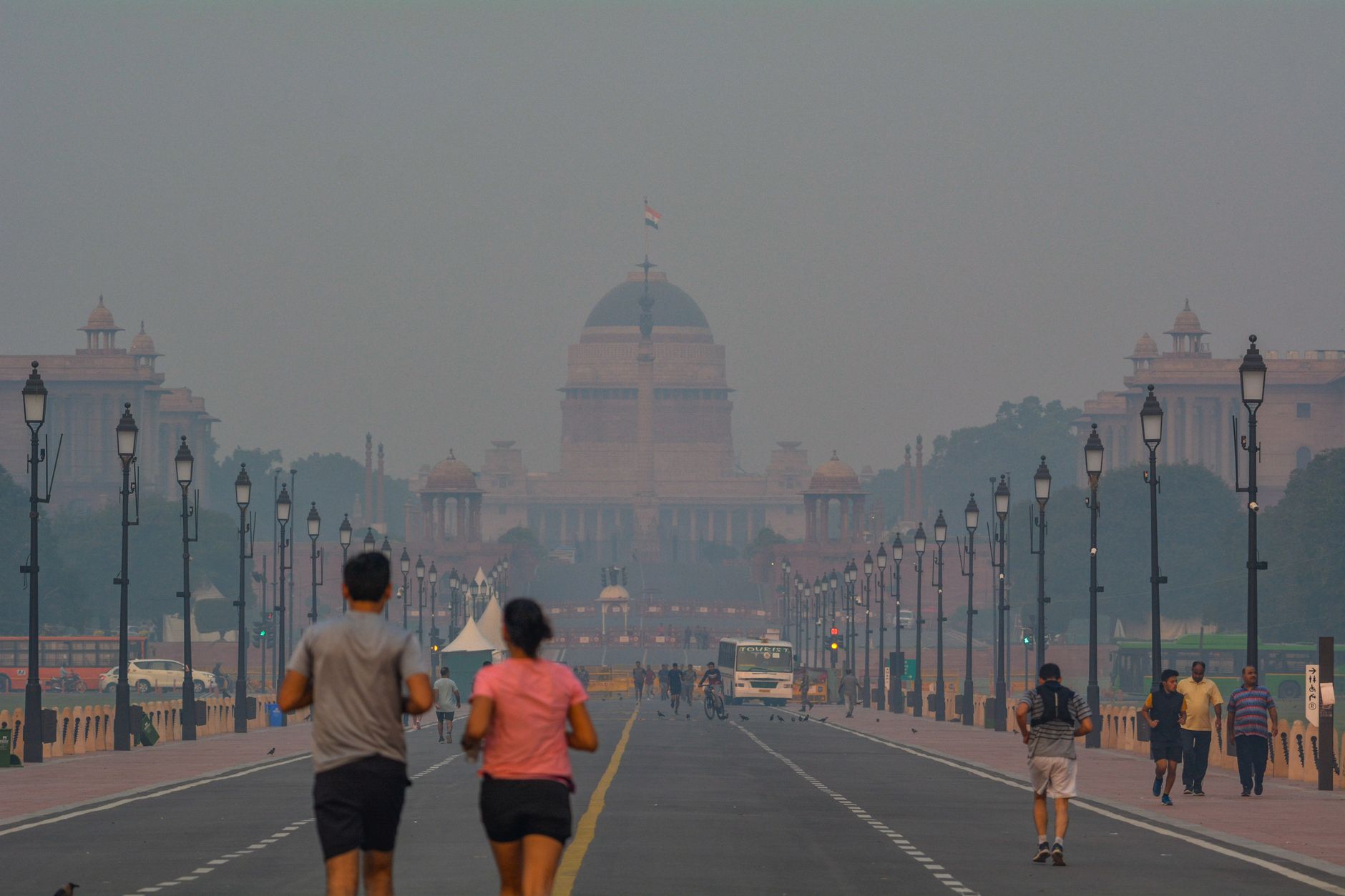
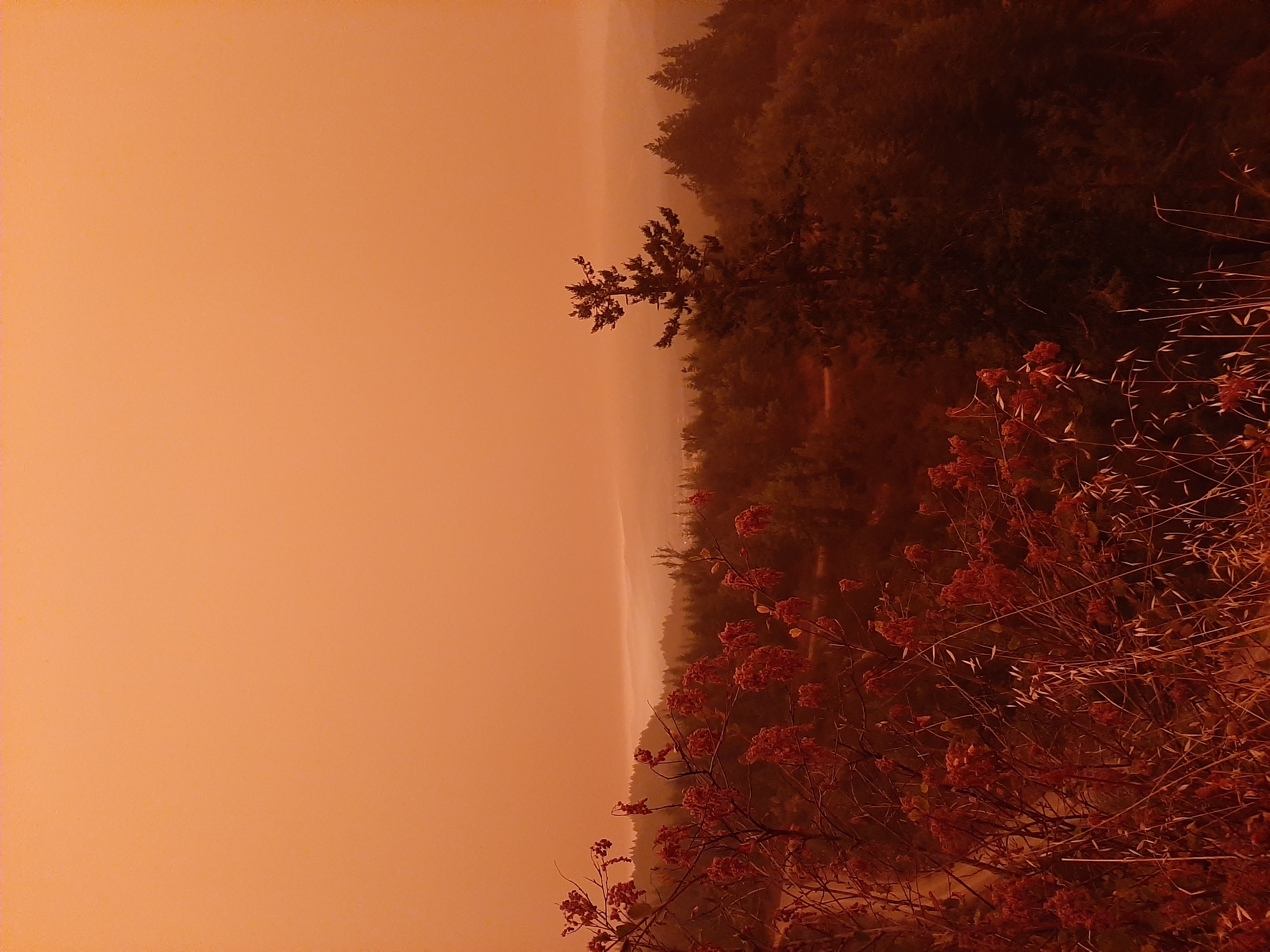
When wildfire season hits, a smoke map is the first thing people check — but most maps just show a gray smear and leave you guessing. Understanding what those plumes represent, and how they move, turns a vague worry into a real answer about the air you're about to breathe.

Where smoke maps come from

The plumes on most U.S. smoke maps come from NOAA's Hazard Mapping System (HMS) — analysts trace the visible smoke in satellite imagery each day and classify it by density. It's a snapshot of where smoke is right now, aloft and at the surface combined. Separately, models like NOAA's HRRR-Smoke forecast where near-surface smoke (the kind you breathe) will be over the next day.

Light, medium, heavy — what the shades mean

Smoke is usually drawn in three densities. Light smoke is often high overhead — hazy sun, but the air near the ground may still be fine. Medium and heavy smoke are thicker columns; heavy smoke overhead frequently means degraded air at the surface too. Density is about how much smoke the satellite sees in the column, so always pair it with a ground-level air-quality reading (AQI) before deciding how bad the air actually is where you stand.

Wind tells you where it's going

Smoke travels with the wind, so the single most useful thing on a smoke map is the wind. Wind is reported by the direction it comes FROM — a "north wind" pushes smoke southward. If a fire sits upwind of you and the wind holds, expect the plume to reach you; a wind shift is what clears it. That's why a forecast (where the smoke will be) matters as much as the current picture.

Turning the map into a decision

  • Is smoke over me now, and is it light (overhead) or heavy (likely at ground level)?
  • What's the current air quality (AQI) at the nearest monitor?
  • Which way is the wind blowing — is a fire upwind of me?
  • Does the forecast show the plume arriving, thickening, or clearing in the next 24 hours?

Guidepole Fire puts these together on one map — current smoke, live air quality, the wind, and a next-24-hour smoke forecast — so you can see not just where the smoke is, but where it's headed and when it should clear.
Related

Related field notes

Red Flag Warning: What It Means and What It Does Not

Wildfire Basics

Red Flag Warning: What It Means and What It Does Not

A Red Flag Warning is a National Weather Service product about weather, not about fire. It does not mean a fire is burning. It means that if one starts, conditions favor it spreading fast, and it usually arrives alongside a set of restrictions and, increasingly, a power shutoff.

N95s and Wildfire Smoke: The Fit Matters More Than the Filter

Wildfire Basics

N95s and Wildfire Smoke: The Fit Matters More Than the Filter

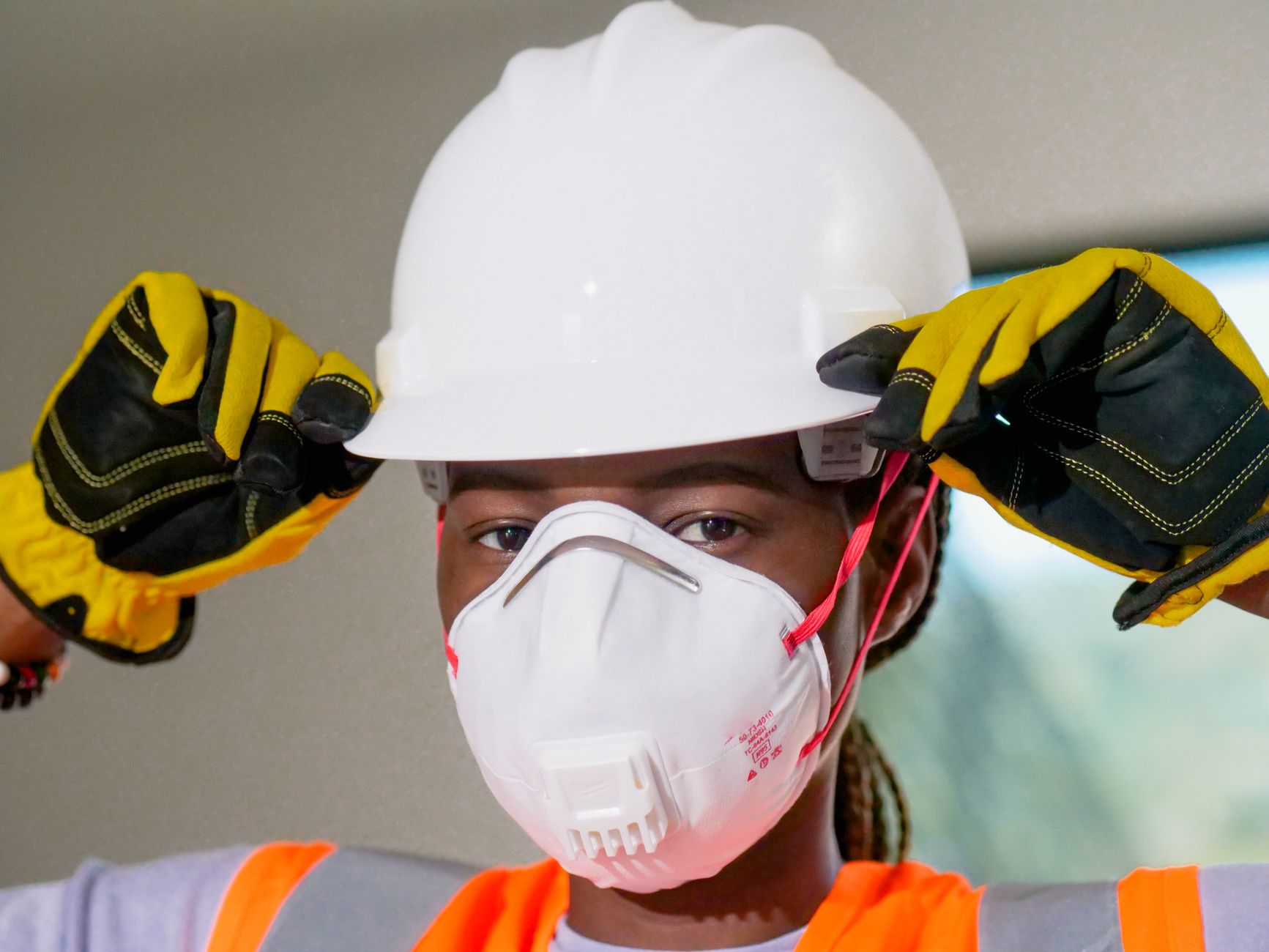
A properly fitted N95 filters the fine particles in wildfire smoke very effectively. A cloth mask does essentially nothing, a surgical mask does very little, and an N95 worn loosely does considerably less than the label suggests. Here is what works, what does not, and why.

Exercising in Wildfire Smoke: The Number That Should Change Your Plan

Wildfire Basics

Exercising in Wildfire Smoke: The Number That Should Change Your Plan

Exercise multiplies how much air you move through your lungs, sends it deeper, and bypasses the filtering your nose would otherwise do. That turns a moderate smoke day into a meaningful exposure. Here is how to read the AQI for activity, and where the real thresholds sit.

Level 1, Level 2, Level 3: What Wildfire Evacuation Notices Actually Mean

Wildfire Basics

Level 1, Level 2, Level 3: What Wildfire Evacuation Notices Actually Mean

Two different evacuation systems are in use across the western United States, they use different words for the same thing, and in an emergency people frequently do not know which one their county uses. Here is what each level means and what you should already have done by the time you hear it.

Building a Clean Air Room: The Cheapest Thing That Actually Works

Wildfire Basics

Building a Clean Air Room: The Cheapest Thing That Actually Works

When smoke settles over a region for a week, the most protective thing available to most people is one room in the house with genuinely clean air. It costs less than a hundred dollars to build, it works, and almost nobody does it before they need it.

When Will the Smoke Clear? How Smoke Forecasts Work

Wildfire Basics

When Will the Smoke Clear? How Smoke Forecasts Work

The honest answer is "it depends on the wind" — but you can see it coming. Here's how.