Fish
Fish Fire
Fire Hike
Hike Bird
Bird



Cape Breton Island packs an astonishing range of fishing into one rugged corner of Nova Scotia. Here you can swing a fly for wild Atlantic salmon on the world-famous Margaree River in the morning, jig for mackerel off a village wharf with your kids in the afternoon, and, if you're chasing the fish of a lifetime, hook a 1,000-pound giant bluefin tuna in the richest concentration of them on Earth. Wrap it all in the cliffs and highlands of the Cabot Trail and the "inland sea" of the Bras d'Or Lake, and you have one of the most complete and beautiful fishing destinations in Atlantic Canada. This guide sorts out the licenses, the species, and the waters so a first-timer knows exactly where to begin.
For the wider picture, the island, the outfitters, and trip planning, read our complete Cape Breton fishing guide. For more Maritime fishing, see how to fish the Miramichi.
First: The Licenses (Freshwater vs. Tidal vs. Park)
Cape Breton's licensing is genuinely confusing, so get it straight:
- Freshwater fishing, trout and Atlantic salmon in the rivers and lakes, requires a Nova Scotia provincial angling licence (from the Department of Natural Resources and Renewables). Atlantic salmon additionally requires a separate salmon licence and tags, and salmon fishing is tightly regulated and largely catch-and-release.
- Tidal (saltwater) fishing, mackerel, striped bass, cod, flounder, and giant bluefin tuna, falls under federal DFO management and generally requires no provincial licence, but you must follow DFO seasons, gear rules, and bag limits, which change yearly. Striped bass in particular has specific retention windows and closures.
- The Bras d'Or Lake is tidal (federal) water, so no provincial licence is needed there, but DFO rules still apply.
- Fishing inside Cape Breton Highlands National Park requires a separate Parks Canada fishing permit.
Because the rules shift every season, check the current Nova Scotia Anglers' Handbook and the DFO Maritimes/Gulf regulations before you keep anything.
What You'll Catch
Cape Breton's variety is its signature:
- Atlantic salmon, the legendary, hard-fighting silver of the Margaree, catch-and-release and fly-only.
- Brook (speckled) trout, the beautiful wild native of the island's rivers and backcountry ponds.
- Brown and rainbow trout, established in the Bras d'Or system and various lakes.
- Striped bass, a booming, rod-bending sport fishery in the estuaries and the inland sea.
- Atlantic mackerel, the fast, easy, family-friendly wharf fish of summer.
- Cod, the historic groundfish, catchable in seasonal DFO recreational openings.
- Giant bluefin tuna, the 600-to-1,000-pound bucket-list beast, fished catch-and-release by charter.
The Margaree River: Atlantic Salmon Royalty
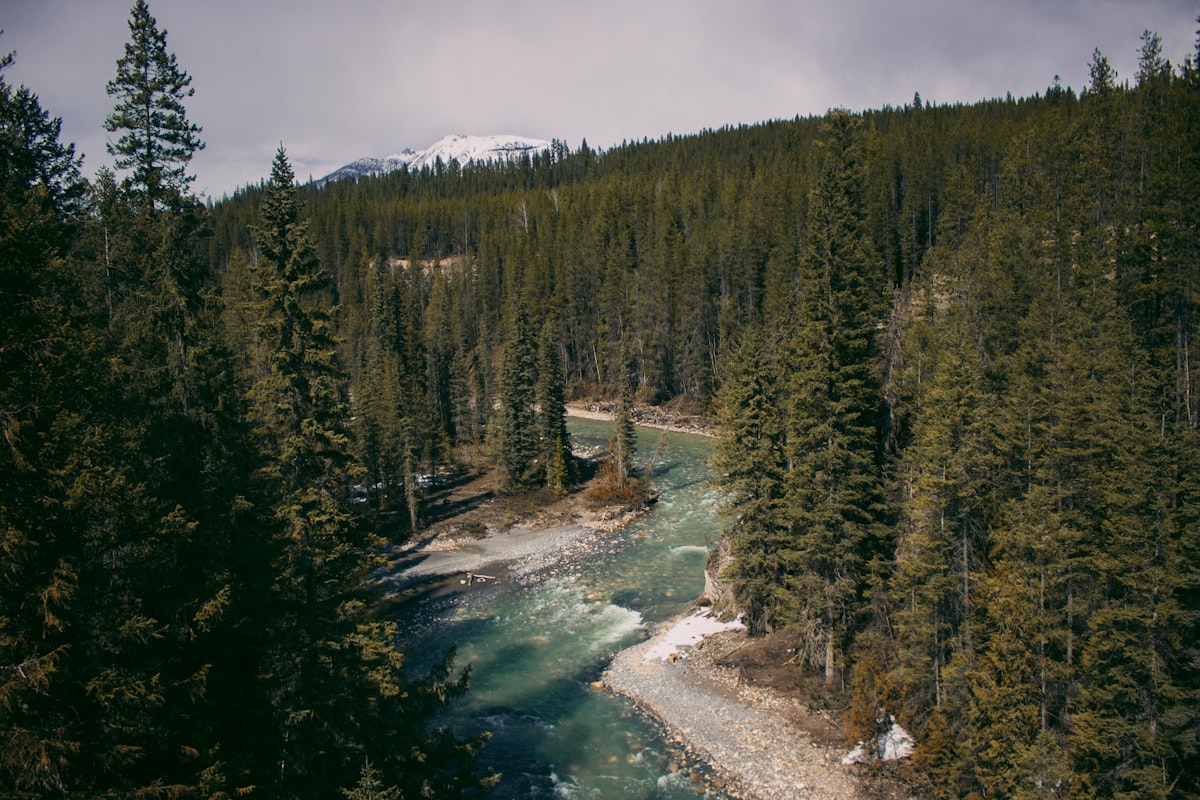
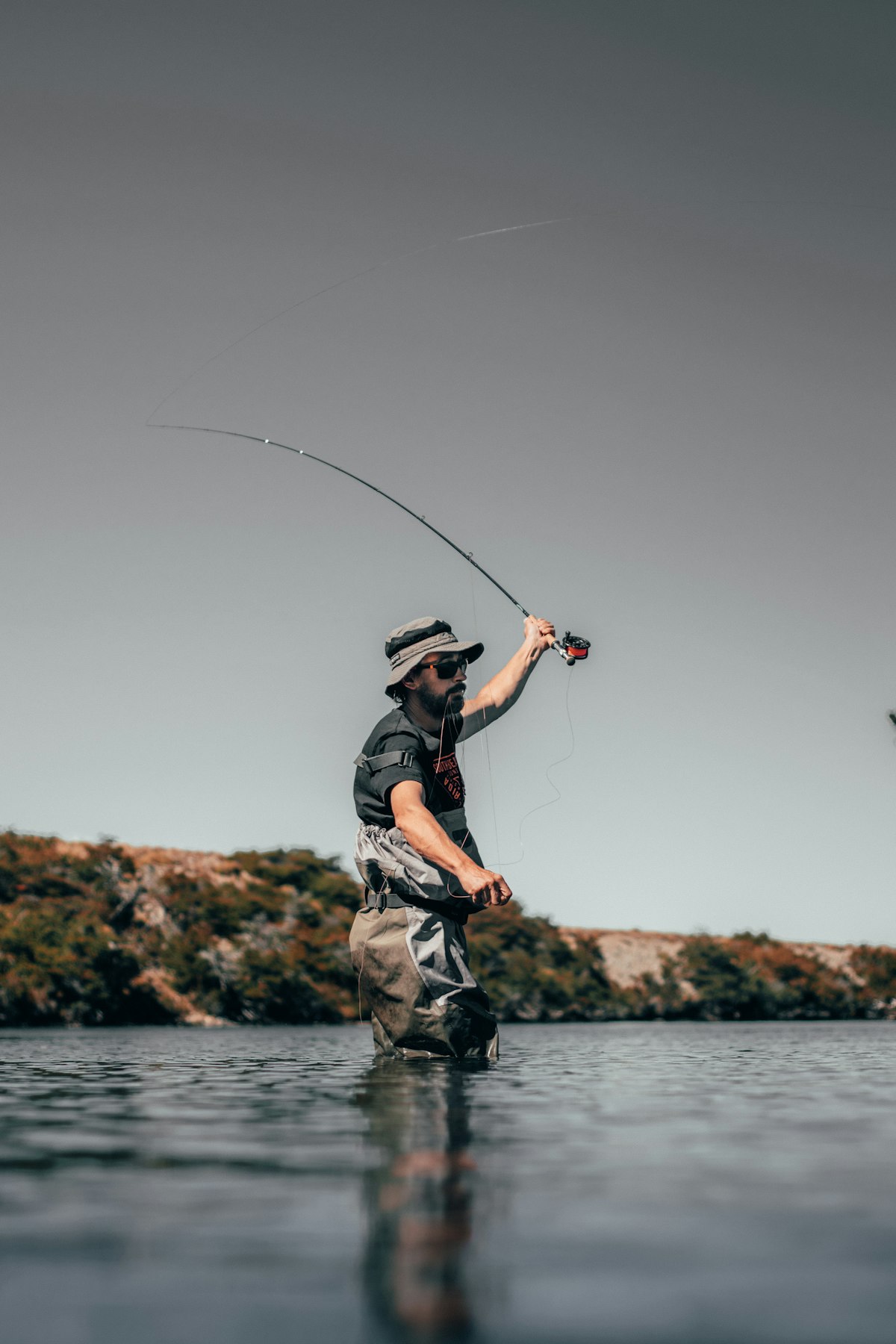
The Margaree River in Inverness County is the crown jewel, one of the most storied Atlantic salmon rivers in North America, drawing fly anglers from around the world. It's fly-fishing only, open roughly June 1 to October 31, and runs almost entirely on a catch-and-release ethic that has kept its wild salmon returning for generations. The technique is classic Atlantic salmon: a wet fly swung on a floating or sink-tip line across and down through the named pools, covering the water methodically and letting the fly hang in the current where a salmon may take. These fish don't feed in freshwater, so a take is a mystery and a thrill, often a sudden, heavy pull as a chrome fish grabs the swinging fly.
The Margaree also holds excellent brook trout, brown trout, and, increasingly, striped bass in its lower reaches. If you're new to salmon fishing, hire a local guide: the etiquette of the pools (rotating through, giving other anglers room), the reading of salmon lies, and the two-handed casting are all far easier learned from someone who fishes the river.
Wondrous Margaree River | Cape Breton Nova ScotiaBrook Trout: Wild Speckled Trout
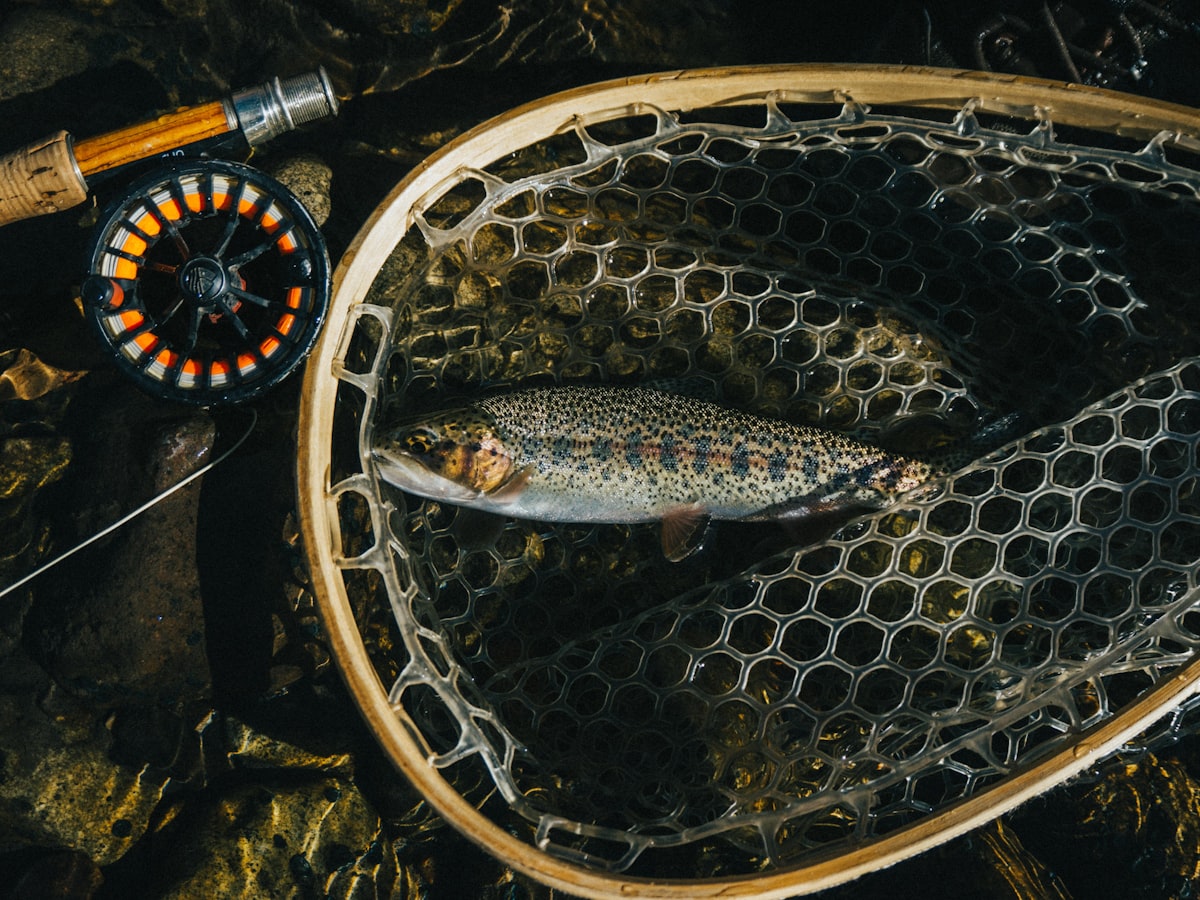
For a gentler, more forgiving day, Cape Breton's brook trout are a joy. Wild "specks" thrive in the island's cold rivers, streams, and backcountry ponds, including the highland waters of the national park, and they're eager, gorgeous, and perfect for a beginner. The season generally runs from mid-April through September, with spring and early summer the prime windows before the water warms. Fish small dry flies (an Elk Hair Caddis or a Royal Wulff) or wet flies and nymphs on a light rod, or drift a worm or a small spinner if you're spin fishing. A hike into a remote pond with a couple of flies and the chance at a wild brookie is one of the quiet pleasures of the island.
The Bras d'Or Lake: Cape Breton's Inland Sea
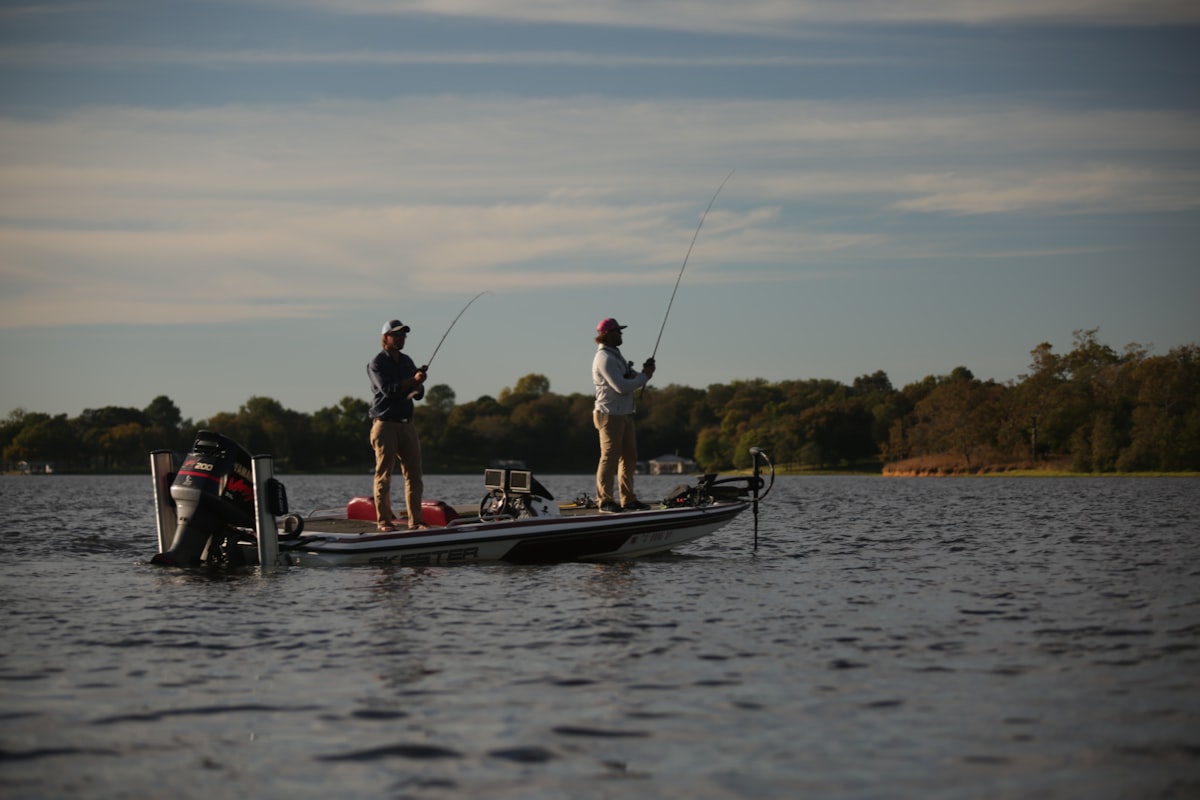
At the heart of the island lies the Bras d'Or Lake, a vast, brackish inland sea connected to the ocean, a UNESCO Biosphere Reserve and a fishery unto itself. Because it's tidal (federal) water, you can fish it without a provincial licence (DFO rules still apply), which makes it wonderfully accessible. Its warm, sheltered arms hold a remarkable mix: striped bass, brown and rainbow trout, mackerel, cod, flounder, smelt, and more. Fish it from a small boat, a kayak, or the many government wharves that dot its shores, using light spinning gear. The Bras d'Or is the ideal place for a visitor to sample several species in calm, scenic water, and to catch dinner without any paperwork.
Striped Bass: The Booming Sport Fishery
Striped bass have surged in Cape Breton's tidal waters, and they've become one of the island's most exciting light-tackle targets. Look for them in the estuaries, river mouths, and the warm arms of the Bras d'Or, especially where bait is stacked on a moving tide. Throw soft-plastic paddle tails, swimbaits, spoons, and topwater plugs, or fish cut mackerel on the bottom; at dawn and dusk a surface blowup from a striper is heart-stopping. Because Nova Scotia's striped bass are managed carefully (with retention rules that vary), many anglers fish for them catch-and-release, check the current DFO striped bass regulations for what you may keep.
Mackerel Off the Wharf: The Family Fishery
If you want guaranteed action and smiles, take the kids mackerel fishing. Every summer, schools of fast, hard-pulling Atlantic mackerel pour into the harbours and along the coast, and anglers line the government wharves and boardwalks catching them on light spinning gear rigged with a string of feathers or a Sabiki rig. Cast out, retrieve with a few quick pumps, and when the school is thick you'll hook two or three at once. No licence is needed, the gear is cheap, and fresh mackerel are excellent smoked or grilled the day you catch them. They also make superb bait, a strip or chunk of fresh mackerel is exactly what the striped bass and the giant bluefin tuna are hunting, so a morning filling a bucket with mackerel often sets up the rest of your fishing. It's the easiest, most joyful fishing on the island and the perfect introduction for a first-timer.
Giant Bluefin Tuna: The Fish of a Lifetime
Here's the headline for the serious angler: the waters off Cape Breton, around the Gulf of St. Lawrence and the north and east coasts, host the densest concentration of giant Atlantic bluefin tuna on the planet. These are not the tuna of a grocery store; they are 600- to 1,000-pound apex predators, and hooking one is a full-body battle that can last hours. The recreational fishery is run through licensed charter operators on a strictly regulated, largely catch-and-release, tag-and-release basis, typically in late summer and fall when the giants move in to gorge on mackerel and herring. You'll fight the fish from a fighting chair on heavy stand-up gear while the crew coaches you, then watch a half-ton tuna revived and released beside the boat. It is one of the great experiences in all of angling, and Cape Breton is the place to do it.
Cod and the Groundfish
Cod, the fish that built Atlantic Canada, can still be caught recreationally during specific DFO-announced seasonal openings (often a short summer or fall "food fishery" window). When it's open, jigging cod over structure with a heavy jig or bait is simple, productive, and deeply traditional. Pollock, haddock, and flounder round out the groundfish you may tangle with. Always confirm the current recreational groundfish dates and limits with DFO before heading out, these openings are short and strictly managed.
When to Go
- Spring (April–June): Brook trout open in mid-April and fish well through early summer; Atlantic salmon season opens June 1 on the Margaree; striped bass move into the estuaries as the water warms.
- Summer (July–August): Peak all-around, mackerel flood the wharves, striped bass fishing is hot in the Bras d'Or, brook trout in the cool highlands, and salmon fishing continues.
- Fall (September–October): Prime Atlantic salmon on the Margaree, excellent striped bass, and the arrival of the giant bluefin tuna, the marquee season for a bucket-list charter. Cod openings often fall here too.
- Winter: Fishing largely closes down; smelt fishing through the ice is a local tradition on some waters.
Gear: What to Bring
- Atlantic salmon: A 9- or 10-foot 7- or 8-weight single-hand fly rod (or a light two-hander/switch rod) with a floating line and sink-tips, plus classic wet flies (Blue Charm, Green Highlander, Undertaker) and a good reel with a strong drag.
- Brook trout: A 8- to 9-foot 4- or 5-weight fly rod, or a light spinning rod, with small dries, nymphs, and spinners.
- Striped bass and mackerel: A 7-foot medium spinning rod with a 3000–4000 reel and 15- to 20-pound braid handles both, add soft-plastic swimbaits and topwater for stripers and a Sabiki/feather rig for mackerel.
- Giant tuna: Provided by the charter, heavy stand-up gear you couldn't (and shouldn't) bring yourself.
- Clothing: The Maritime coast is cool and changeable; pack waterproof layers, a warm hat, and polarized sunglasses, and bring waders for the salmon rivers.
More Than Fishing: The Cabot Trail
Part of what makes a Cape Breton fishing trip special is the setting. The island is wrapped by the Cabot Trail, one of the most scenic drives in the world, winding along clifftop coastline and through the highlands of Cape Breton Highlands National Park. Many of the best fishing spots sit right off it: the Margaree Valley, the wharves of the Bras d'Or, and the fishing villages of the northern coast. Between sessions on the water you can hike to ocean overlooks, watch for whales, pilot whales, and bald eagles, soak up the island's Gaelic and Acadian culture and live fiddle music, and eat your fill of fresh lobster and snow crab. It's a place where the drive between fishing spots is half the reason to come, which makes Cape Breton a rare destination that keeps non-anglers as happy as the anglers. Build in time to simply drive the Trail, camera and rod both within reach.
A First-Timer's Best Bet
If it's your first trip and you want to keep it simple, here's a plan that works. Come in late summer or early fall, when the most fisheries overlap. Start with the easy win: a morning of mackerel off a Bras d'Or or coastal wharf, which requires no licence and almost guarantees fish and smiles, especially with kids. Add a striped bass session in the estuaries at dawn or dusk with light spinning gear. If you're drawn to fly fishing, book a guided day on the Margaree to learn the Atlantic-salmon swing (even a blank day on that river is a beautiful education), or a gentler brook-trout outing to build confidence. And if the giant bluefin are running and it's on your bucket list, splurge on a catch-and-release tuna charter for a once-in-a-lifetime battle. Sort your licences before you go, provincial for freshwater, none for tidal, salmon licence and tags for the Margaree, and let local guides shortcut the learning curve. That mix gives a first-timer the full sweep of Cape Breton, from a kid's first mackerel to the fish of a lifetime.
A Word on Conservation
Cape Breton's fisheries carry deep history and real fragility, and the ethic here runs strong. Treat wild Atlantic salmon as the treasure they are, fish barbless, keep them wet, land them quickly, and release them with care; the Margaree's future depends on it. Follow the striped bass retention rules and the short cod openings to the letter, and honor the catch-and-release framework that protects the giant bluefin. Don't move fish or bait between waters, clean your gear to stop the spread of invasives and disease, and pack out every scrap of line and trash from the rivers and wharves. Fish Cape Breton with respect and it will keep offering the rare, world-class range that makes it special.