Fish
Fish Fire
Fire Hike
Hike Bird
Bird

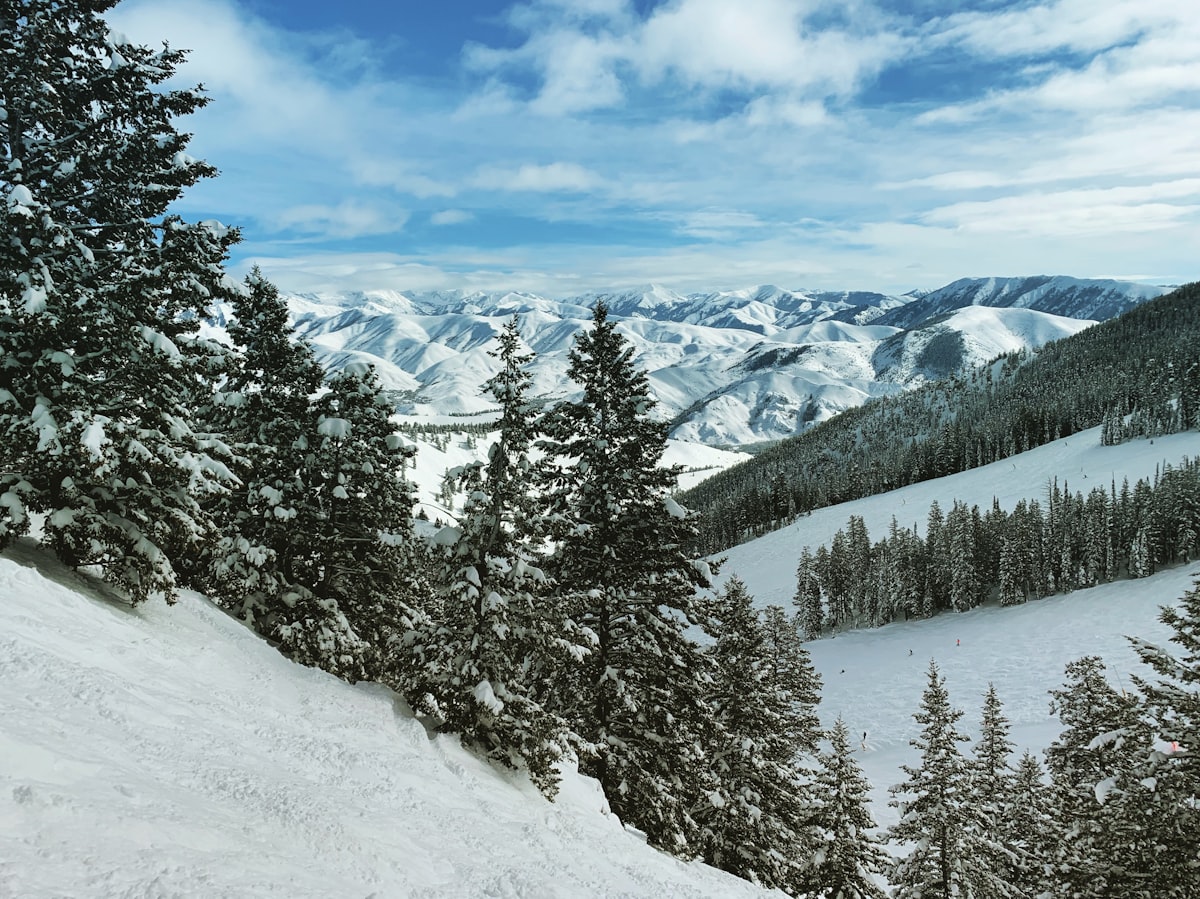

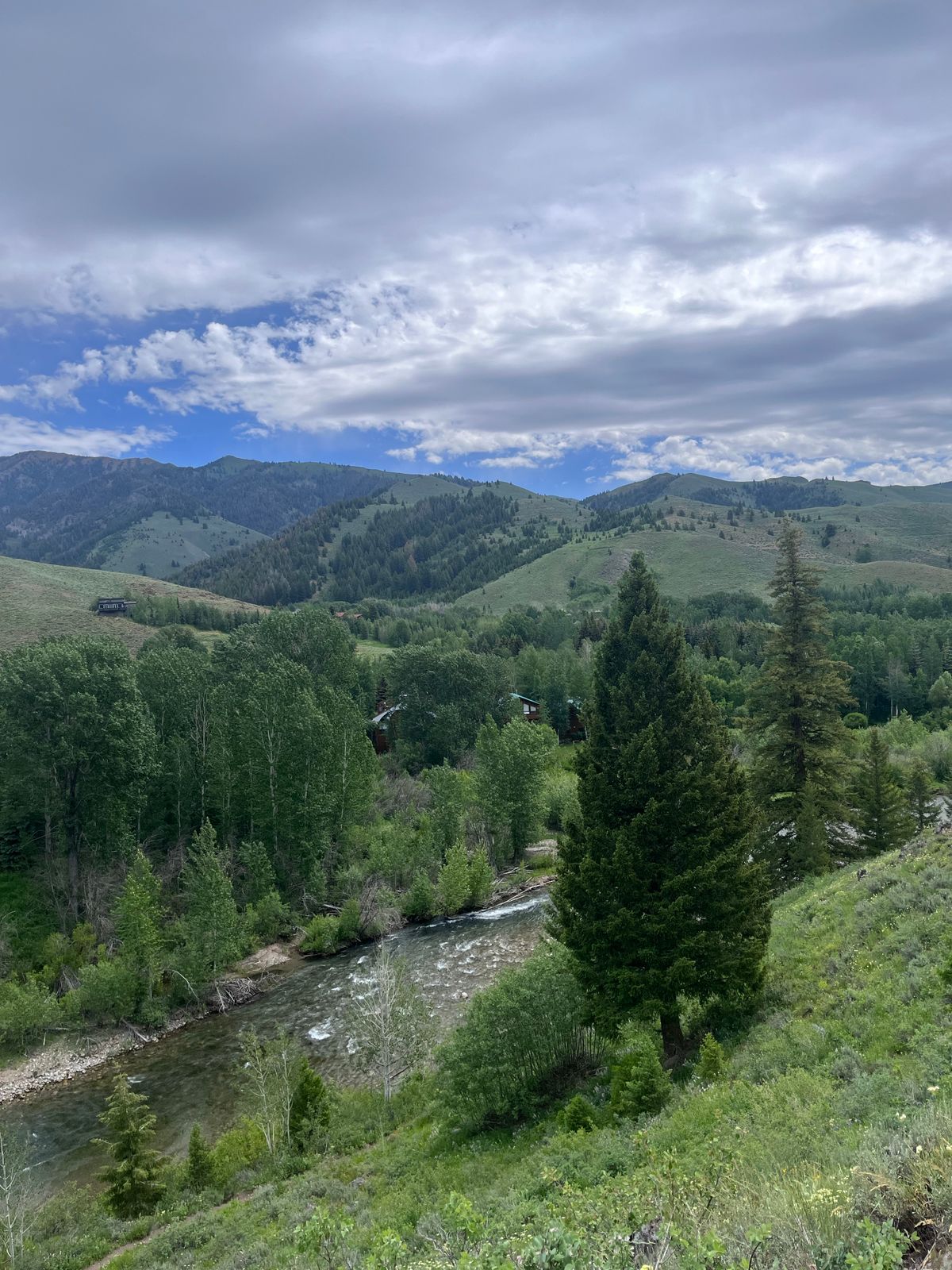
Sun Valley sits in the Wood River Valley of central Idaho, flanked by the Pioneer Mountains and the Smoky Mountains, with the Big Wood River flowing through the center of it. The town is famous for skiing, but the fishing, particularly on Silver Creek, has drawn fly anglers since Ernest Hemingway fished here in the 1930s and 40s.
What makes Sun Valley's fishing exceptional is the combination of a legendary spring creek, a productive freestone river, and a world-class tailwater all within a short drive. The three waters are as different from each other as trout fishing can be, and together they offer the full spectrum of fly-fishing challenge, from the technical demands of Silver Creek's flat water to the pocket-water fishing of the Big Wood to the heavy-nymphing tailwater game on the South Fork of the Boise.
Silver Creek, The Spring Creek That Changed Fly Fishing
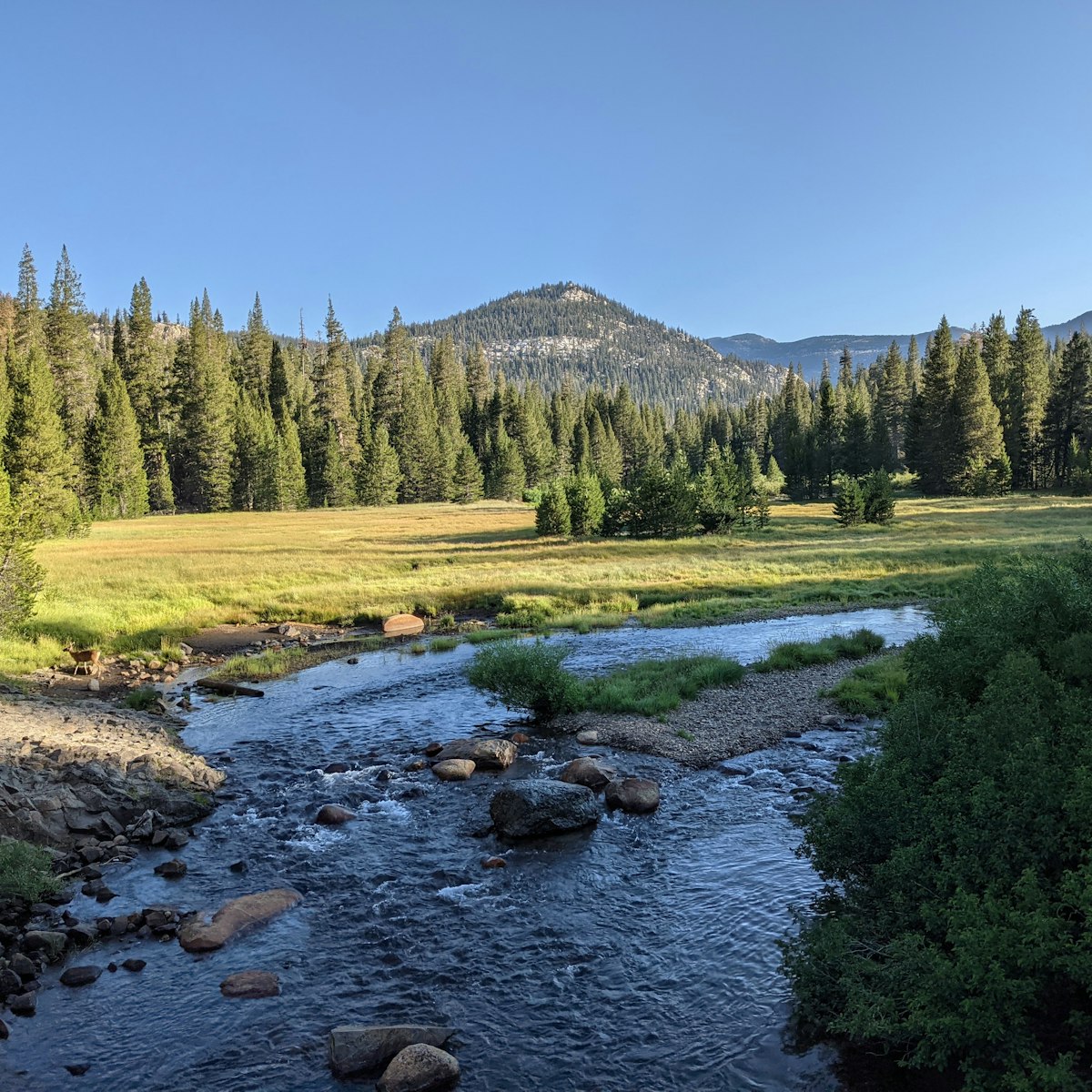
Silver Creek is a spring-fed stream south of Sun Valley that flows through a Nature Conservancy preserve, and it occupies a place in fly-fishing history alongside the Letort, the Henry's Fork, and the chalk streams of England. The creek's gin-clear water, prolific hatches, and educated trout helped drive the development of modern dry-fly techniques in America, the small flies, the long leaders, the precise presentations that define technical trout fishing were refined on this water.
The creek holds rainbow and brown trout that average 14 to 18 inches, with fish over 20 inches available, particularly the big browns that hold under the cut banks and in the deeper bends. The fish are selective: they feed on specific insects in specific stages of the hatch, and they refuse anything that doesn't match in size, shape, and drift. A drag-free presentation with a #18 PMD to a rising trout that's already refused six other flies, that's Silver Creek.
The hatches are the engine. Pale Morning Duns (PMDs) are the headline hatch (June through July), bringing trout to the surface in predictable feeding lanes. Trico spinneralls blanket the water in August mornings, tiny flies (#20-24) that challenge eyesight and tippet. Blue Winged Olives in spring and fall close the season.
Silver Creek is managed as catch-and-release with barbless hooks, and the Nature Conservancy sections have specific access points and rules. The fishing pressure is moderate, enough to keep the fish educated, not enough to deplete them.
Big Wood River, The Freestone
The Big Wood River flows through Ketchum and Sun Valley, running from the mountains to the north through the valley floor and eventually into Magic Reservoir. It's the local river, the one that Sun Valley guides grew up fishing and the one that offers the most accessible angling.
The Big Wood holds rainbow trout as the primary species, averaging 12 to 14 inches, with an emerging brown trout population that has been growing in recent years, including some surprisingly large fish for a river this size. The brown trout have added a trophy component to a river that was previously known more for numbers than size.
The fishing is classic freestone, pocket water, riffles, runs, and pools that you wade and read, casting dry flies and nymphs to the likely holding spots. The river fishes well from late May through October, with the best dry-fly fishing in July and August. Hopper-dropper rigs, a foam grasshopper on top with a small nymph trailing below, are the summer workhorse.
The Big Wood runs right through town, which means you can fish before breakfast, walk back for coffee, and fish again in the evening. That accessibility, combined with the scenic valley setting, makes it the go-to water for visiting anglers who want to fish without a long drive.
South Fork of the Boise, The Tailwater
An hour south of Sun Valley, the South Fork of the Boise River below Anderson Ranch Dam is a blue-ribbon tailwater that holds some of the largest trout in Idaho. The cold, stable flows from the dam create a year-round fishery with rainbow and brown trout that average 16 to 20 inches, and trophy fish over 24 inches caught every season.
The South Fork is bigger water than Silver Creek or the Big Wood, wider, deeper, and more powerful. Float trips in drift boats are the standard, covering 8 to 12 miles of river per day. The technique is heavier than Silver Creek's delicate dry-fly work, big nymph rigs, streamers, and indicator setups that get flies deep in the fast, cold water.
Blue Winged Olives hatch on the South Fork as early as February, making it one of the earliest fishable rivers in Idaho. The stonefly hatch in June brings fish to the surface, and the fall streamer fishing (September through November) produces the largest fish of the year, big browns that chase sculpin patterns through the deeper runs.
The South Fork is less famous than Silver Creek, which works in the angler's favor, less pressure, more fish per rod hour, and a genuine wild-trout experience on water that could hold its own against any tailwater in the West.
The Salmon River, Steelhead
For anglers who want something beyond trout, the Salmon River, the River of No Return, flows through central Idaho and hosts runs of steelhead in spring (March through May) and fall (October through November). The Salmon is big, remote, and wild, and hooking a 10-pound steelhead that's migrated 900 miles from the Pacific Ocean is a category of fishing that transcends the trout experience.
The upper Salmon near Stanley (90 minutes from Sun Valley) is the most accessible section. Spring steelhead peak in April. The fish are chrome-bright, powerful, and rare enough that each one feels earned.
When to Go
- June–July: Silver Creek PMD hatch, Big Wood coming into form, South Fork fishing well, the prime window
- August: Trico hatch on Silver Creek, hopper season on the Big Wood, peak summer
- September–October: Fall BWOs on Silver Creek, streamer season on the South Fork, fall colors, the locals' favorite
- February–April: South Fork BWO hatch (earliest fishing in Idaho), spring steelhead on the Salmon