Fish
Fish Fire
Fire Hike
Hike Bird
Bird

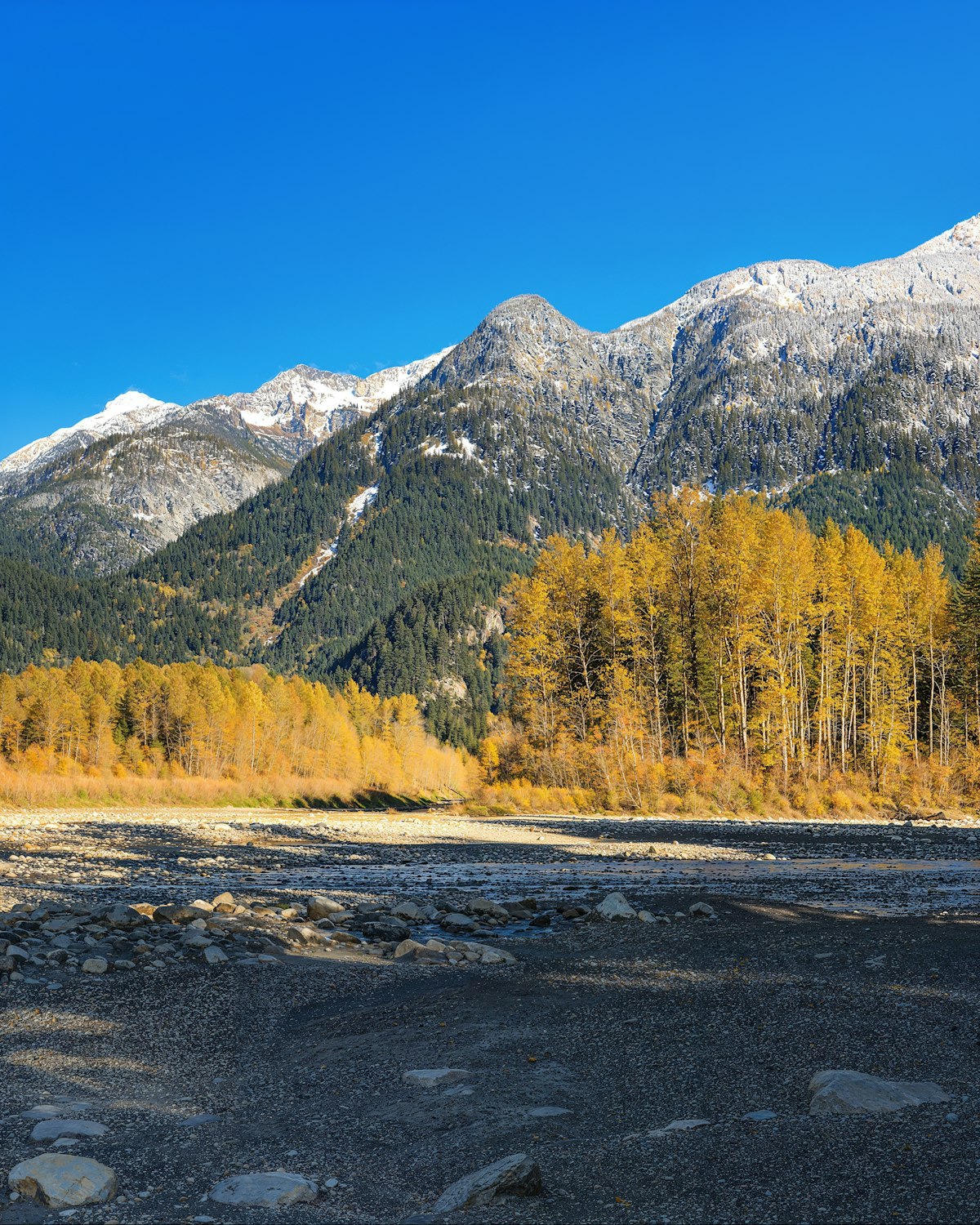

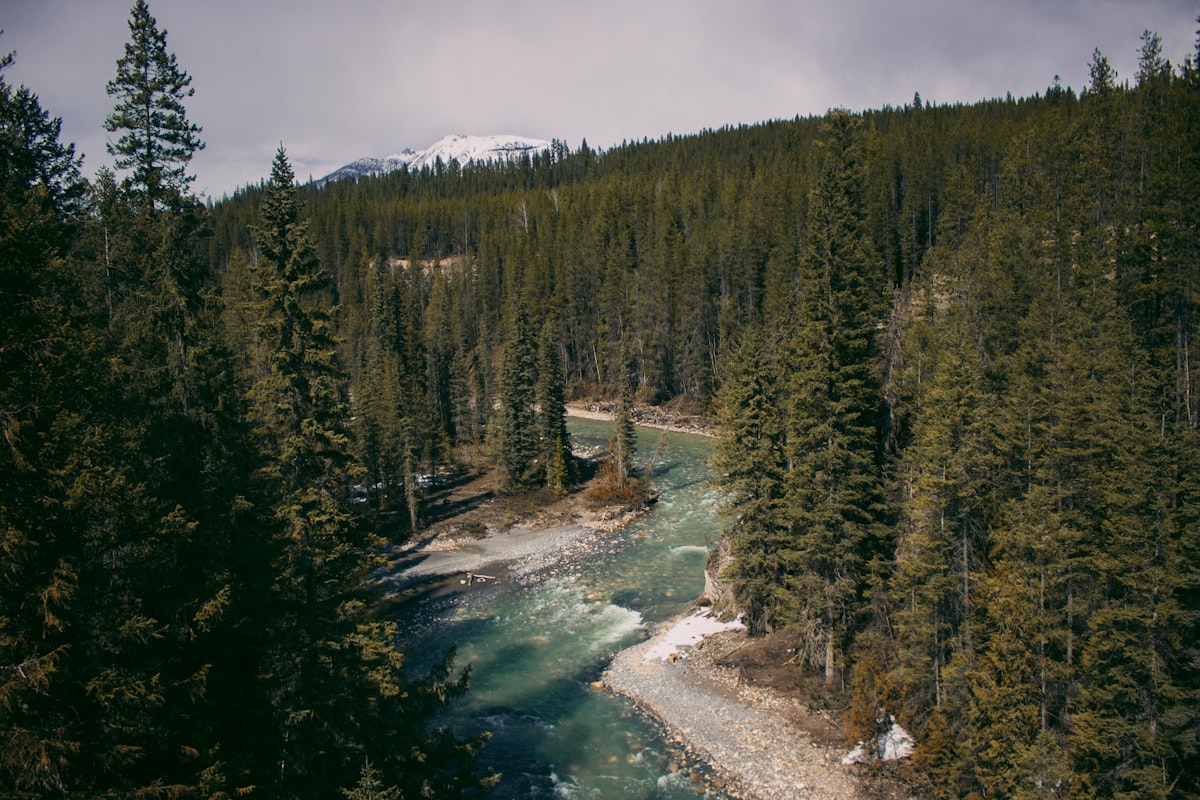
The Skeena is not the prettiest river in British Columbia. It is big, often silty, and runs through a valley that gets more rain than most people can tolerate. The town of Terrace, the gateway to the system, is a working-class community of 12,000 built on logging, aluminum smelting, and the river. There are no boutique hotels. The restaurants are functional. The airport is small.
None of that matters, because the Skeena River system is the last great wild steelhead watershed on the planet.
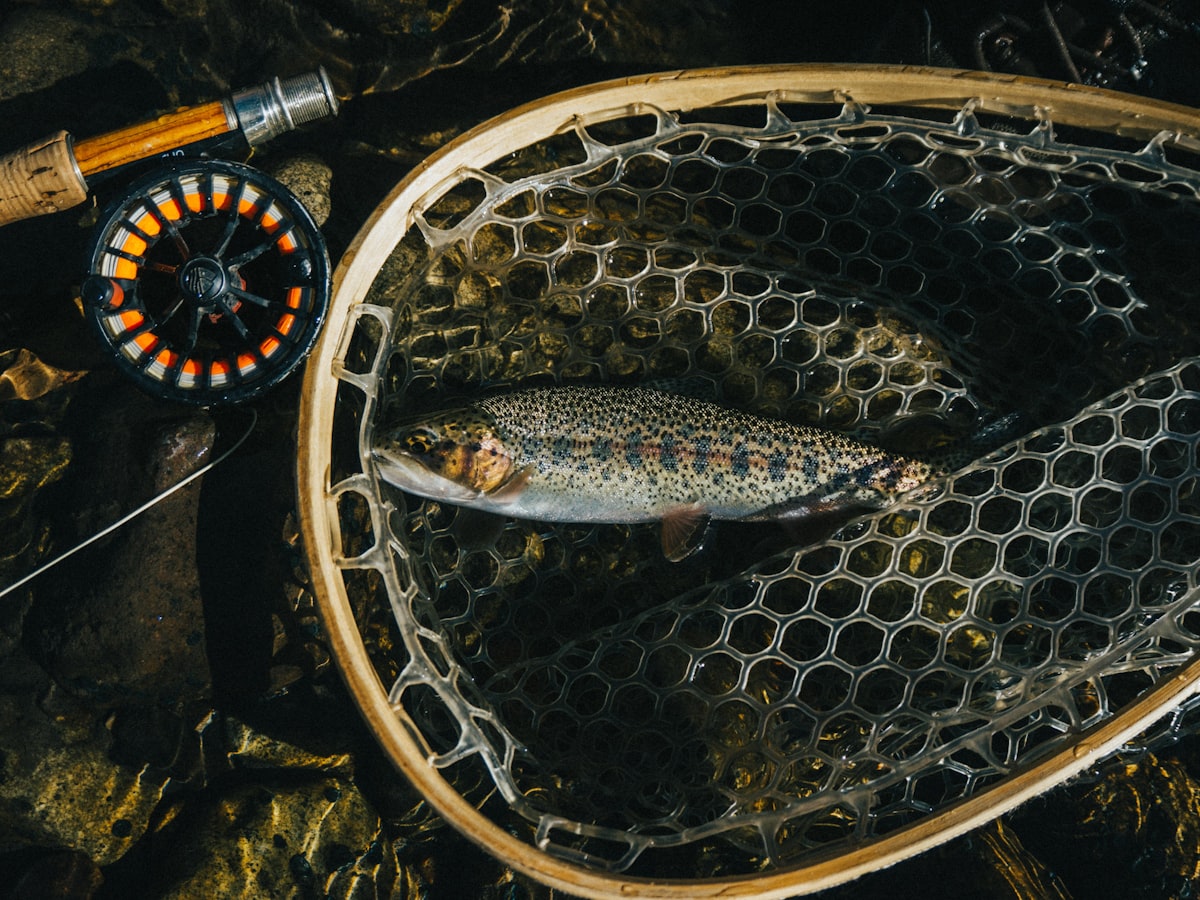
Every summer and fall, wild steelhead, the ocean-going form of rainbow trout, built for power and endurance by years in the open Pacific, return to the Skeena and its tributaries in numbers that no other river system can match. These are not hatchery fish. They are wild, large (averaging 10 to 15 pounds, with fish over 20 pounds common and occasional giants exceeding 30), and they have been doing this for thousands of years without human intervention.
The Skeena also carries all five Pacific salmon species, chinook, coho, sockeye, pink, and chum, in runs that are among the largest in British Columbia. The chinook run has produced fish over 90 pounds. The sockeye run sustains commercial fisheries. The coho pour into the tributaries by the thousands in September.
If you have fished for steelhead anywhere else, the Olympic Peninsula, the Great Lakes tributaries, the Deschutes, the Skeena will recalibrate your expectations. This is where the fish are biggest, wildest, and most abundant. And the system is still largely intact.
The Rivers
The Skeena itself is a massive river, too big and too powerful to wade in most places. Most steelhead fishing happens on the tributaries, which drain into the Skeena near Terrace.
Kalum River: The most accessible tributary. It flows through the outskirts of Terrace and is wadeable in most conditions. The Kalum produces good numbers of steelhead from August through October, with fish averaging 10 to 15 pounds. Spring steelhead (March-May) are also available, larger on average but in smaller numbers. The Kalum is where many visiting anglers get their first Skeena steelhead.
Copper River: A larger tributary that enters the Skeena east of Terrace. Known for producing some of the biggest steelhead in the system, fish over 20 pounds are a realistic possibility. The Copper is more remote, with limited road access to the lower river and jet boat access to the upper reaches. September and October are prime.
Zymoetz River (Copper's tributary): Known locally as the Copper (confusingly, the name is used for both), the Zymoetz holds steelhead and coho in its canyon sections. Fly fishing access is limited to specific runs, but the fish quality is exceptional.
Kitimat River: South of Terrace, draining into the Douglas Channel at Kitimat. Chinook, coho, and steelhead. The Kitimat produces large chinook, fish over 50 pounds are caught here, and good numbers of coho in September. Steelhead from August through November.
Lakelse River: A short, powerful river draining Lakelse Lake south of Terrace. Known for large coho (some of the biggest in the Skeena system) and steelhead. Limited access but high-quality fish.
The main Skeena: Fishable from boats, particularly for chinook in July and August. The main river is too big to wade effectively, but jet boat guides work the gravel bars, back channels, and tributary mouths where salmon and steelhead hold.
Terrace 2024, Chasing Steelhead on the SkeenaWhat You Are Fishing For
Steelhead are the primary draw. Summer-run steelhead enter the Skeena from late June through November, with August through October the peak months. These are wild fish, no hatchery steelhead are stocked in the Skeena system. They average 10 to 15 pounds, with fish over 20 pounds caught regularly on the tributaries. The fight of a Skeena steelhead, a fresh-from-the-ocean fish in cold, fast water, is in a class of its own.
Chinook salmon run the Skeena from June through August. The Skeena chinook run is one of the largest in BC, and the fish are enormous, averaging 25 to 40 pounds with fish over 60 pounds possible. The Skeena has produced chinook exceeding 90 pounds historically.
Coho salmon arrive in September and October, pouring into the tributaries. Coho average 8 to 12 pounds and are aggressive, they hit flies and lures readily. The coho fishing on the Kalum, Lakelse, and Kitimat rivers in September is world-class and often overlooked by anglers focused on steelhead.
Sockeye salmon run in July and August in enormous numbers. Recreational retention depends on run strength and DFO regulations.
Pink salmon (odd years: 2025, 2027) arrive in August in massive runs. They are not selective and provide nonstop action on light tackle. Great for kids and first-timers.
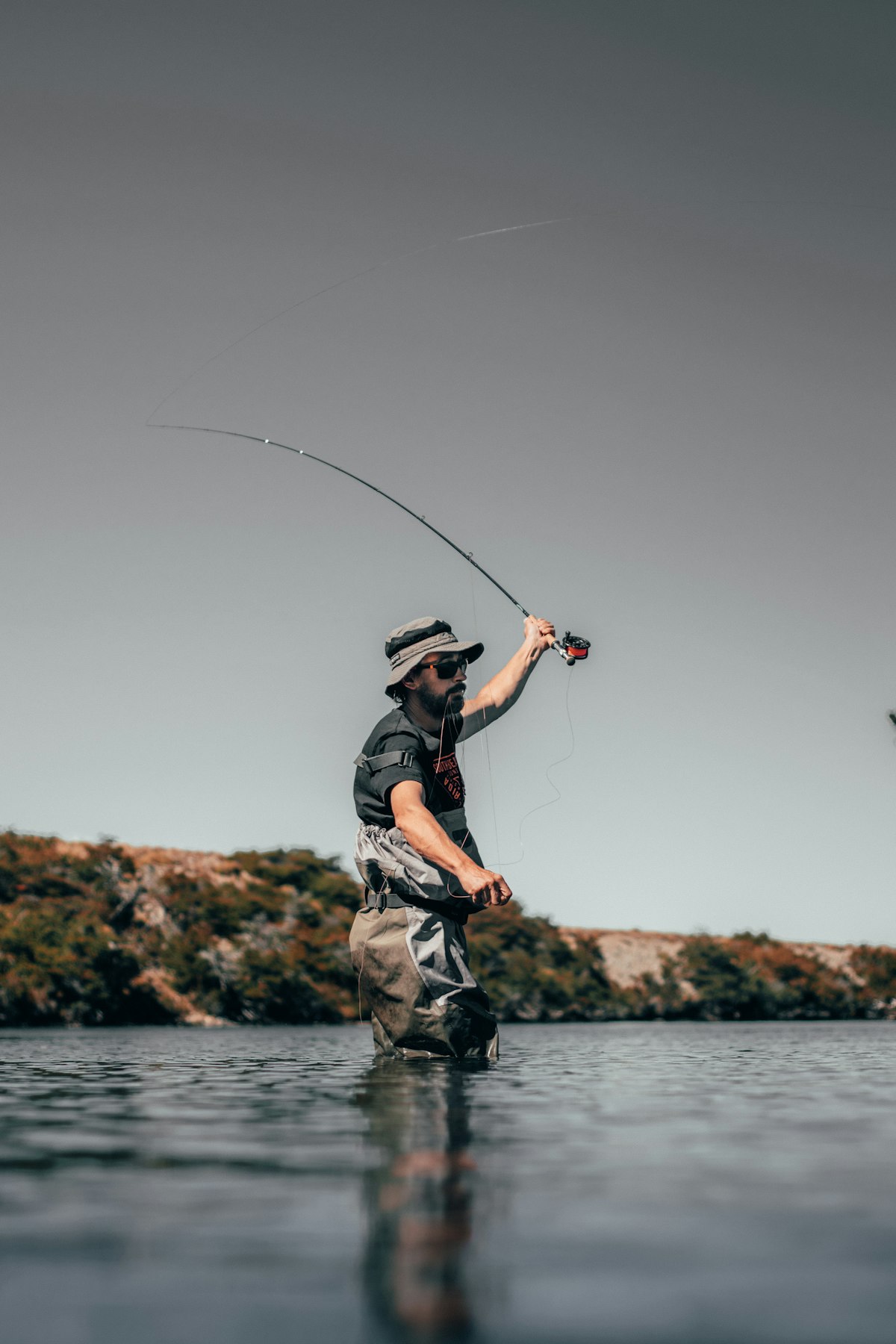
For detailed techniques, fly patterns, and Spey casting setups, see our Fly Fishing the Skeena River guide.
The Mighty Skeena, Spring Steelhead at Its BestWhen to Plan Your Trip
March through May (Spring Steelhead): The spring steelhead run is smaller but produces the largest fish of the year, chrome-bright fish fresh from the ocean, averaging 12 to 18 pounds. The rivers are often high and cold, and the fishing requires patience and heavy gear. Snow on the banks is normal. This is a committed angler's season.
June and July (Chinook): The big kings push into the Skeena. This is primarily a boat fishery on the main river, targeting chinook at tributary mouths and gravel bars. Water levels are typically high from snowmelt. Some early steelhead begin showing.
August (Transition): Sockeye and pink salmon (odd years) are running. Early steelhead are arriving on the tributaries. The fishing transitions from salmon-focused to steelhead-focused as the month progresses. Water levels drop and clear, improving tributary fishing.
September and October (Peak Steelhead + Coho): The prime months. Steelhead numbers peak on the tributaries. Coho flood in simultaneously. The Kalum, Copper, and Kitimat rivers are all fishing well. Weather is cool, daytime highs of 8-14°C (46-57°F), but the fishing is at its absolute best. This is when the lodges are fully booked and the guides are on the water every day.
November (Late Season): Late steelhead and chum salmon. Rain and cold are constant. The tributaries can blow out after heavy rain. Dedicated anglers fish through it, the steelhead that are still in the system are aggressive and relatively unpressured.
Summer Steelhead, Skeena River FishingLodges and Guided Options
The Skeena region has a well-established lodge and guide infrastructure built around steelhead fishing.
Full-service lodges, Kalum River Lodge, Wild Rivers Lodge, Skeena Wilderness Lodge, offer all-inclusive packages: accommodation, meals, guided fishing (one guide per 1-2 anglers), and equipment. Packages typically run CAD $2,800 to $5,500 per person for 3 to 6 nights. These lodges are booked months in advance for September and October.
Walk-and-wade guides: Independent guides offer day trips on the Kalum and other wadeable tributaries. A full day with a guide runs CAD $500 to $800 for 1-2 anglers. This is the most flexible option, you stay in Terrace and fish with a guide each day.
Jet boat guides: For the main Skeena and less accessible tributaries like the Copper, jet boat guides run clients upriver to productive runs and gravel bars. Full-day jet boat trips run CAD $600 to $1,000 for 1-2 anglers.
DIY fishing: The Kalum River is publicly accessible and wadeable. You can fish without a guide, but local knowledge matters enormously, where steelhead hold changes with water level, temperature, and run timing. If you DIY, plan to spend time learning the water before you start catching fish.
Getting There
By air: Air Canada, WestJet, and Pacific Coastal Airlines fly into Northwest Regional Airport (YXT) in Terrace from Vancouver (2 hours). Car rental available at the airport.
By car: Terrace is approximately 16 hours by road from Vancouver via Highway 16 (the Yellowhead Highway) through Prince George. This is a beautiful but very long drive through northern BC interior. Most anglers fly.
From the US: Fly to Vancouver, connect to Terrace. Or drive from Seattle to Vancouver and fly, the Seattle-to-Terrace road route is 20+ hours and not practical for a fishing trip.
Accommodation in Terrace: If not staying at a lodge, Terrace has motels, hotels, and vacation rentals. The town is functional, not luxurious. Book ahead for September and October, the steelhead season fills the town with anglers from around the world.
Weather and What to Bring
Terrace is wet. The town receives over 1,300 mm (51 inches) of precipitation annually, and September, peak steelhead season, averages 166 mm (6.5 inches) of rain. This is not Seattle drizzle. This is northern BC coastal rain, heavy, persistent, and cold. You will fish in the rain. Your guide will fish in the rain. The steelhead do not care about the rain.
What you need: Quality rain gear is the most important equipment you pack. Waders with a wading jacket or rain shell that keeps you dry from the waist up. Wading boots with felt soles or rubber studs, the river cobble is slippery. Fleece or wool mid-layers that stay warm when damp. Neoprene gloves for cold mornings. A waterproof bag for your phone and wallet. Leave the cotton at home.
Temperatures: September and October daytime highs range from 8 to 16°C (46 to 61°F). Mornings can be near freezing by late October. The water temperature drops through the fall, which slows the steelhead's metabolism but does not stop them from taking flies, you just need to fish slower and deeper as the water cools.
Daylight: At latitude 54°N, Terrace gets reasonable daylight in September (13 hours) but shortens quickly through October. By late October, you are fishing from about 8 AM to 5 PM. Spring steelhead anglers in March deal with shorter days but lengthening daylight.
Bears: Black bears and grizzly bears are present along the Skeena tributaries, particularly during salmon runs. This is not a theoretical concern. You will likely see bears, especially on the Kitimat and Lakelse rivers. Carry bear spray, make noise when moving through brush, and follow your guide's instructions. Guides who fish these rivers daily know the bears and the bears know them.
Fishing Licence and Regulations
You need a BC freshwater angling licence for the tributaries and a DFO tidal waters licence if fishing the lower Skeena or estuaries. Non-Canadian residents: approximately $80 CAD for an 8-day freshwater licence or $55 for a 1-day licence. Purchase online at the BC government Fish & Wildlife website.
Steelhead regulations are strict: All wild steelhead in the Skeena system are catch-and-release only. Barbless hooks mandatory. Single barbless hooks only on most classified waters. The Skeena tributaries are classified waters, meaning some require a classified waters licence surcharge and may have rod-day limits. Check current BC regulations before you fish, the rules are detailed and vary by tributary.
Classified waters: The Kalum, Copper, Zymoetz, and other prime tributaries are designated "classified waters" under BC regulations. Non-resident anglers must fish with a licensed guide on classified waters, or obtain a classified waters licence. This is enforced.
Fly Fishing the Skeena River for SalmonWhy It Matters
The Skeena is not just a good fishing destination. It is one of the last intact wild salmon and steelhead systems in the world. The fish are not supplemented by hatcheries. The habitat is not dammed. The tributaries still run through old-growth forest that has not been clearcut (mostly). The system functions the way Pacific salmon rivers functioned before industrial development reshaped every other major river on the coast.
This matters because the fishing quality you experience on the Skeena is a direct result of a river system that still works. The wild steelhead that grab your fly in the Kalum are the product of thousands of years of natural selection, adapted to this specific river, this specific current, this specific gravel. They cannot be replaced by hatchery programs.
Conservation awareness is part of the culture here. Guides practice careful catch-and-release. Barbless hooks and quick handling are standard. The anglers who return to the Skeena year after year understand that they are participating in something that exists almost nowhere else, and they act accordingly.
The Skeena's conservation status is not guaranteed. Commercial fishing pressure at the river mouth, habitat development from mining and pipeline projects, and climate-driven changes in ocean survival rates are all real threats. The fishing you experience today is the product of decades of advocacy by guides, lodges, First Nations, and conservation organizations who have fought to keep this system intact. Supporting catch-and-release steelhead fishing on the Skeena, by fishing responsibly, hiring local guides, and spending money in the Terrace economy, is one of the ways that sport fishing contributes to the argument for keeping these rivers wild.
Fly Fishing for Steelhead on the Skeena River, BC