Fish
Fish Fire
Fire Hike
Hike Bird
Bird


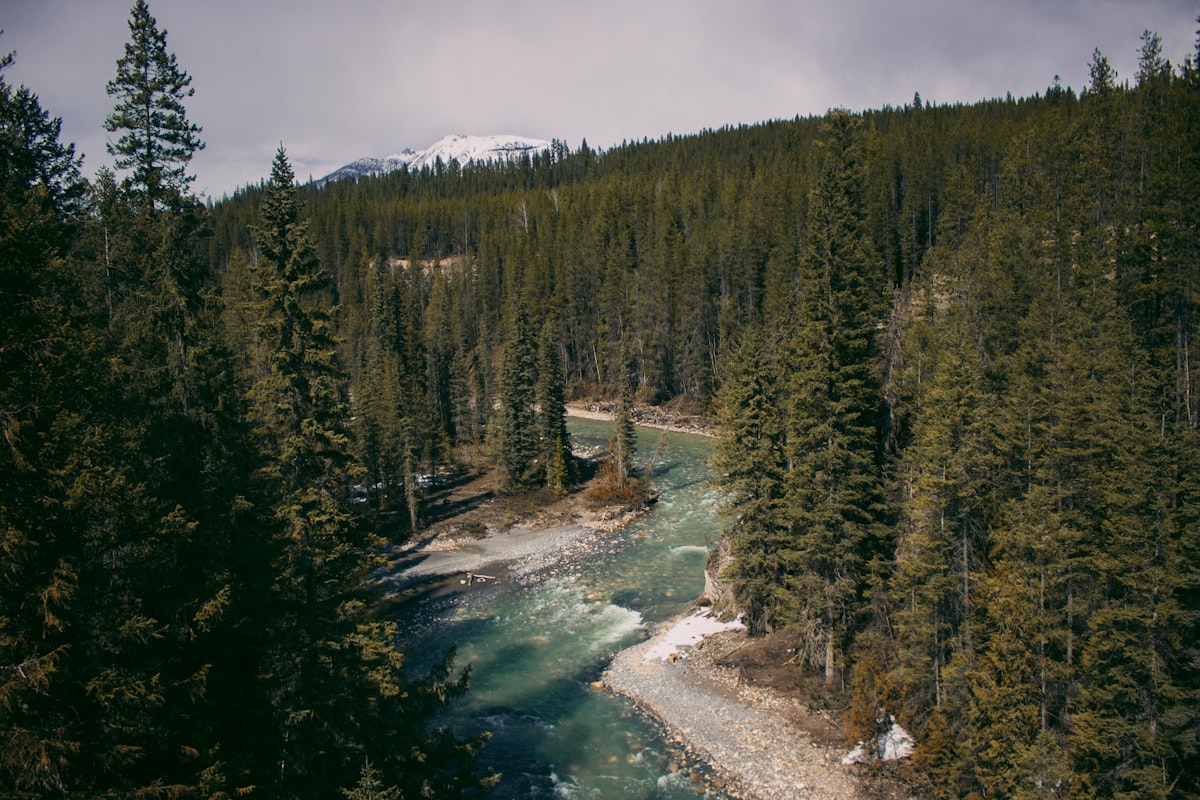
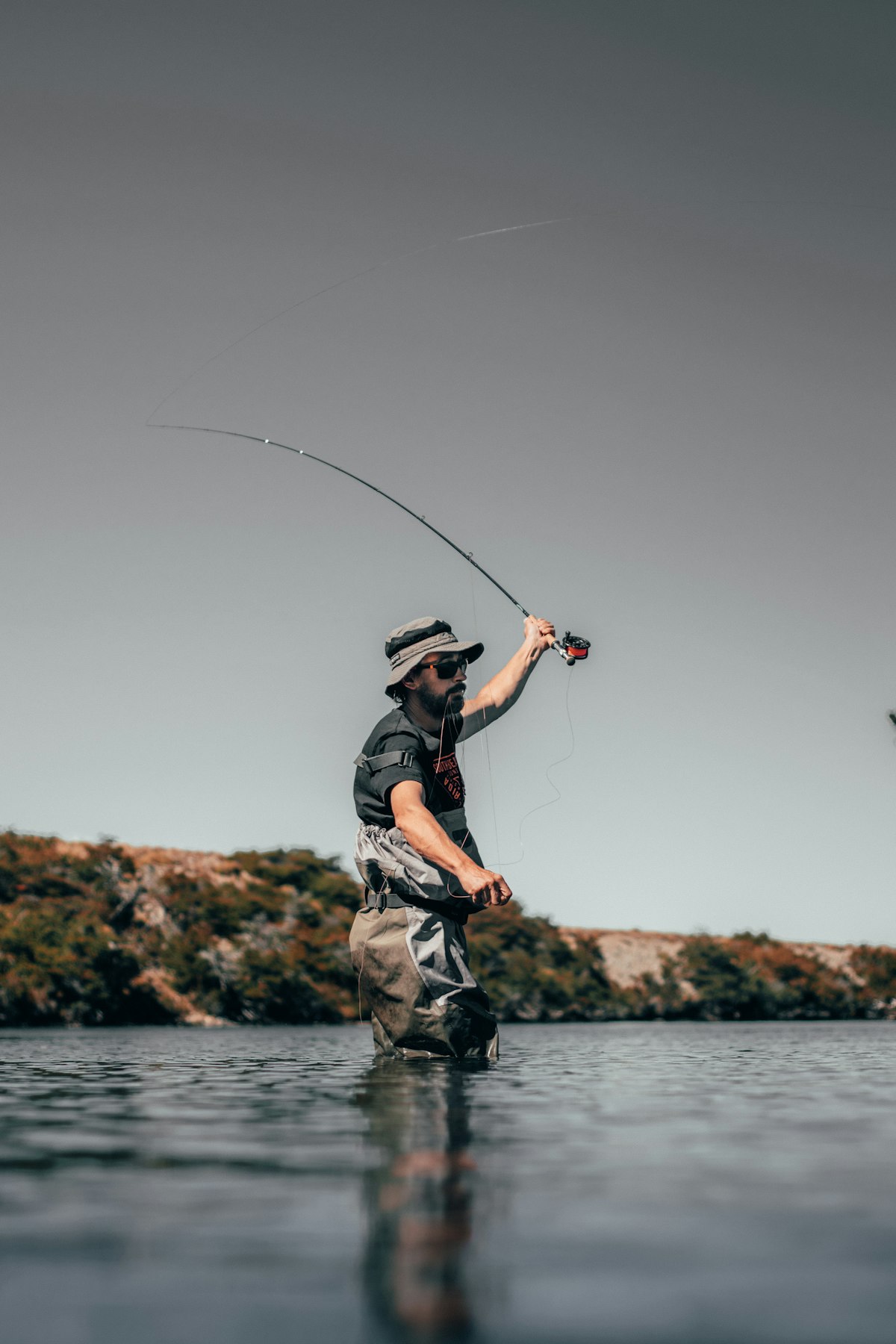
The Skeena River near Terrace, British Columbia is where modern steelhead fly fishing lives. The two-handed Spey rod, the swung fly, the downstream presentation that lets a wet fly sweep across the current and into the face of a holding steelhead, these techniques were refined on rivers like the Skeena's tributaries, and this is still where they work best.
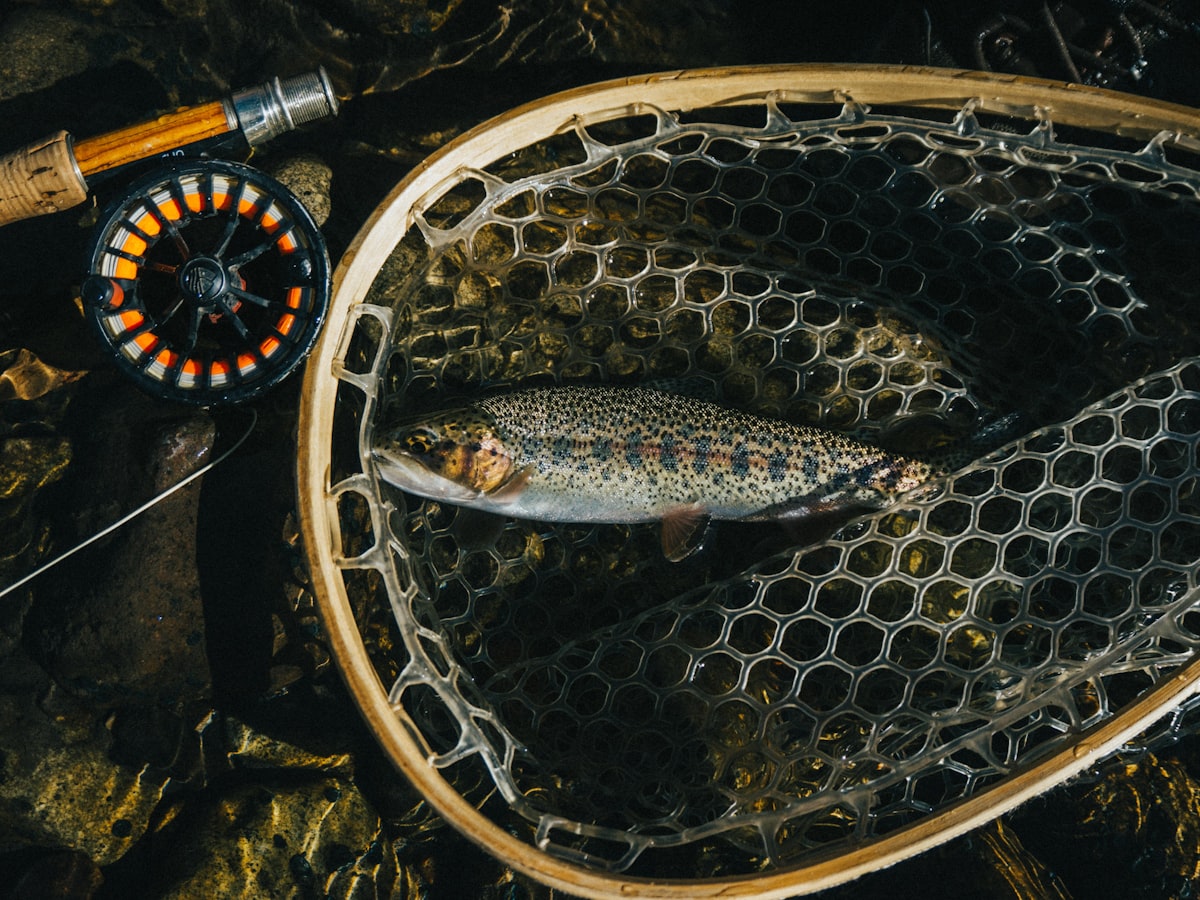
The reason is the fish. The Skeena system holds the largest remaining runs of wild summer steelhead in the world. These are not hatchery fish. They are wild, ocean-run rainbow trout that have spent 1 to 3 years in the Pacific, grown to 10 to 20 pounds, and returned to the exact tributary where they were born. They are powerful, unpredictable, and they will eat a swung fly with a violence that makes you understand why people travel thousands of miles to stand in cold water and cast for hours between takes.
For trip planning, lodges, seasons, and getting to Terrace, see our Fishing the Skeena River destination guide. This article covers the fly fishing, Spey casting, fly patterns, rigging, and the techniques that catch steelhead on the swing.
The Swing: How Steelhead Fly Fishing Works
Swinging a fly for steelhead is fundamentally different from trout fishing. You are not matching a hatch. You are not dead-drifting a nymph. You are presenting a fly, usually a large, mobile pattern, broadside to a steelhead holding in current, and letting the river sweep it across the fish's field of vision at a speed and depth that triggers an aggressive response.
The mechanics: stand at the top of a run, cast across and slightly downstream at a 45-degree angle, mend the line to control the speed of the swing, and let the current carry the fly in an arc across the river until it hangs directly below you. Take two steps downstream. Cast again. Repeat. This is called "swinging through a run," and it is the rhythmic, meditative, occasionally explosive heart of steelhead fly fishing.
When a steelhead takes a swung fly, the line tightens with sudden, heavy authority. The fish has turned on the fly, grabbed it, and is now heading back to its holding lie, or downstream into the backing. The take is the moment. Everything else, the casting, the wading, the hours between fish, exists to create the conditions for that take.
On the Skeena tributaries, a good day might produce 1 to 3 steelhead brought to hand. A great day might produce 5. Many days produce zero. This is not high-catch-rate fishing. It is fishing where one fish can justify the entire trip.
BC Steelhead Fly Fishing, Skeena River British ColumbiaSpey Casting: The Tool for the Job
The Skeena tributaries, Kalum, Copper, Zymoetz, are wide enough that single-hand casting is inefficient and exhausting over a full day. Two-handed Spey rods, 12'6" to 14' in length, are the standard tool. They allow you to cast 60 to 90 feet of line with minimal backcast space (important when the river is bordered by forest), and they do it with a fluid, energy-efficient motion that you can sustain for 8 hours.
Spey Casting Styles
Skagit casting: The dominant style on the Skeena. A short, heavy shooting head (typically 20 to 28 feet) loads the rod quickly with minimal line outside the tip, allowing you to cast heavy sink tips and large flies. The Skagit style was developed on Pacific Northwest steelhead rivers specifically for this purpose, delivering weighted flies to depth with a short, powerful stroke. If you are new to Spey casting, learn Skagit first.
Scandi casting: A longer, lighter head (28 to 40 feet) that casts with more finesse and less effort. Better suited to floating lines and smaller flies fished near the surface. Scandi works well on the Skeena in low, clear water conditions when steelhead are responding to smaller presentations. Less effective with heavy sink tips.
Key casts: The double Spey (upstream wind), the snap-T or circle cast (downstream wind), and the single Spey (for quick repositioning). A competent Skeena steelheader needs at least two of these in their repertoire to handle wind from both directions.
Spey Rod Setup
| Component | Specification |
|---|---|
| Rod | 13' to 13'6", 7-weight (summer) or 8-weight (fall/high water) |
| Reel | Large arbor, 200+ yards backing, sealed drag |
| Skagit head | 450-525 grain (matched to rod grain window) |
| Sink tips | 10' tips in T-8, T-11, T-14 (Type 3, 6, 8 sink rates) |
| Running line | 0.032" to 0.035" monofilament or coated running line |
| Leader | 3-4 feet of 12-15 lb fluorocarbon (no tippet, direct to fly) |
The sink tip is the critical variable. In low, clear water: floating line or light sink tip (T-8). In normal flows: T-11. In high, fast, or cold water: T-14. The goal is to get the fly down to where the steelhead are holding, typically 2 to 6 feet off the bottom, without snagging every cast.
Seeking Nirvana, Skeena Spey Steelhead Fly FishingFlies That Work
Steelhead flies on the Skeena range from traditional feathered wet flies to modern intruder-style articulated patterns. The common thread is movement, the best steelhead flies have materials that breathe, pulse, and swim in the current.
Proven Skeena Patterns
Intruder: The modern standard. An articulated fly (hook at the rear, shank at the front) dressed with marabou, ostrich herl, rubber legs, and flash. Sizes 2 to 3 inches long. The articulated design gives the fly a lifelike swimming action in the current. Black/blue, pink/orange, and olive/black are the go-to colour combos on the Skeena.
String Leech: A simple, deadly pattern. Bunny strip or marabou on a long-shank hook, often weighted. Purple, black, and pink are the standards. Fished on a sink tip through deep runs.
Egg-Sucking Leech: Black or purple chenille body with a fluorescent egg head (hot pink, chartreuse, or flame orange). The contrast between the dark body and bright head triggers aggressive takes.
General Practitioner (GP): A traditional prawn-imitation fly that has been catching Skeena steelhead for decades. Orange and hot orange versions are the standard. Fished on a floating line or light sink tip in low water.
Popsicle: A simple tube fly or shank fly in bright colours, pink over white, orange over pink. Effective when steelhead are aggressive and willing to move for a fly.
Dolly Llama: Articulated streamer with long rabbit strip wings. Originally designed for trout but effective for steelhead in the 3 to 4 inch size. White/chartreuse and black/purple are productive.
Fly Selection Strategy
High, coloured water: Large flies (3-4 inches), dark colours (black, purple), heavy sink tips. The fish cannot see far, so the fly needs to be big and close.
Normal flows: Medium flies (2-3 inches), moderate colours (pink/orange, blue/black), T-11 sink tips. The standard presentation for most Skeena steelhead fishing.
Low, clear water: Smaller flies (1.5-2 inches), natural colours (olive, brown, sparse patterns), floating line or light sink tip. Steelhead in clear water are spooky and will reject flies that look unnatural.
Guided Steelhead Spey Fly Fishing, Skeena River Terrace BCReading Steelhead Water
Steelhead hold in specific types of water, and learning to read it is the difference between casting all day and casting where fish actually are.
Tailouts: The smooth, even-depth water at the downstream end of a pool, where the current accelerates before dropping into the next riffle. Steelhead love tailouts because the current is consistent, the depth is comfortable (3-6 feet), and they can see approaching predators. Start every new run by fishing the tailout first.
Bucket water: The deepest, slowest part of a pool. Steelhead rest here, particularly in the middle of the day or when water temperatures are high. Heavy sink tips and slow swings are required to reach fish in bucket water.
Seams: The edges where fast current meets slow water, along boulders, at the margin of the main flow, behind gravel bars. Steelhead hold on the slow side of the seam, facing upstream, where they can rest in the slack water and dart into the current to intercept food.
Riffles and runs: Faster, shallower water (2-4 feet) with a broken surface. Steelhead move into riffles to feed, particularly in the morning and evening. Fish these sections with a lighter sink tip and a slightly faster swing.
Wading Safety
The Skeena tributaries are not gentle wading water. The cobble is round and slippery, the current is strong, and the water temperature is cold enough to be dangerous if you fall in. A few principles:
Use a wading staff. The cobble shifts underfoot and the current wants to push you downstream. A collapsible wading staff (Simms, Fishpond, or a hiking pole) provides a third point of contact that prevents falls.
Wade with the current, not against it. Face quartering downstream, not directly into the current. Move one foot at a time, feeling for solid footing before shifting your weight. Never cross your feet.
Know your depth. Thigh-deep is the practical maximum for most Skeena tributaries. Waist-deep wading in fast current is dangerous. If the water is pushing hard against your legs, you are too deep. Back out and find a different casting position.
Wading boots matter. Felt soles provide the best grip on Skeena River cobble. Rubber-soled boots with tungsten studs are the alternative. Do not wade these rivers in boots without aggressive traction, a fall in cold, fast water is a serious safety event.
Wear a wading belt. Always cinch your wading belt tight. If you fall, the belt slows water from filling your waders and gives you time to recover. An inflatable wading belt (Simms, Patagonia) adds a layer of buoyancy.
Salmon on the Fly
While steelhead are the headline, the Skeena's salmon runs offer excellent fly fishing opportunities.
Chinook on the fly: The main Skeena and lower tributaries hold chinook from June through August. Chinook on the fly requires heavier gear, a 9-weight single-hand rod or a heavy Spey rod, sinking lines, and large streamers (Intruders, Popsicles, leeches in sizes 2/0 to 4/0). Strip or swing through deep slots where chinook hold. A 30-pound chinook on a fly rod is a fight that redefines what freshwater tackle can handle.
Coho on the fly: September coho in the tributaries are extremely fly-friendly. They hit aggressively, jump repeatedly, and are catchable on a 7 or 8-weight single-hand rod. Egg-Sucking Leeches, pink Woolly Buggers, and Coho Flies (pink/white or chartreuse) in sizes 2-6, swung or stripped through tributary pools. Coho fishing on the Kalum in September is some of the best value fly fishing on the coast, high catch rates, aggressive fish, and stunning fall colours.
Pink salmon (odd years): Pinks flood the tributaries in August. They hit small pink flies on light tackle (5-weight) and provide nonstop action. Not glamorous, but fun, especially for anglers new to Pacific salmon or for kids.
Catch-and-Release Best Practices
Every Skeena steelhead you catch is a wild fish that must be released unharmed. Proper handling is non-negotiable.
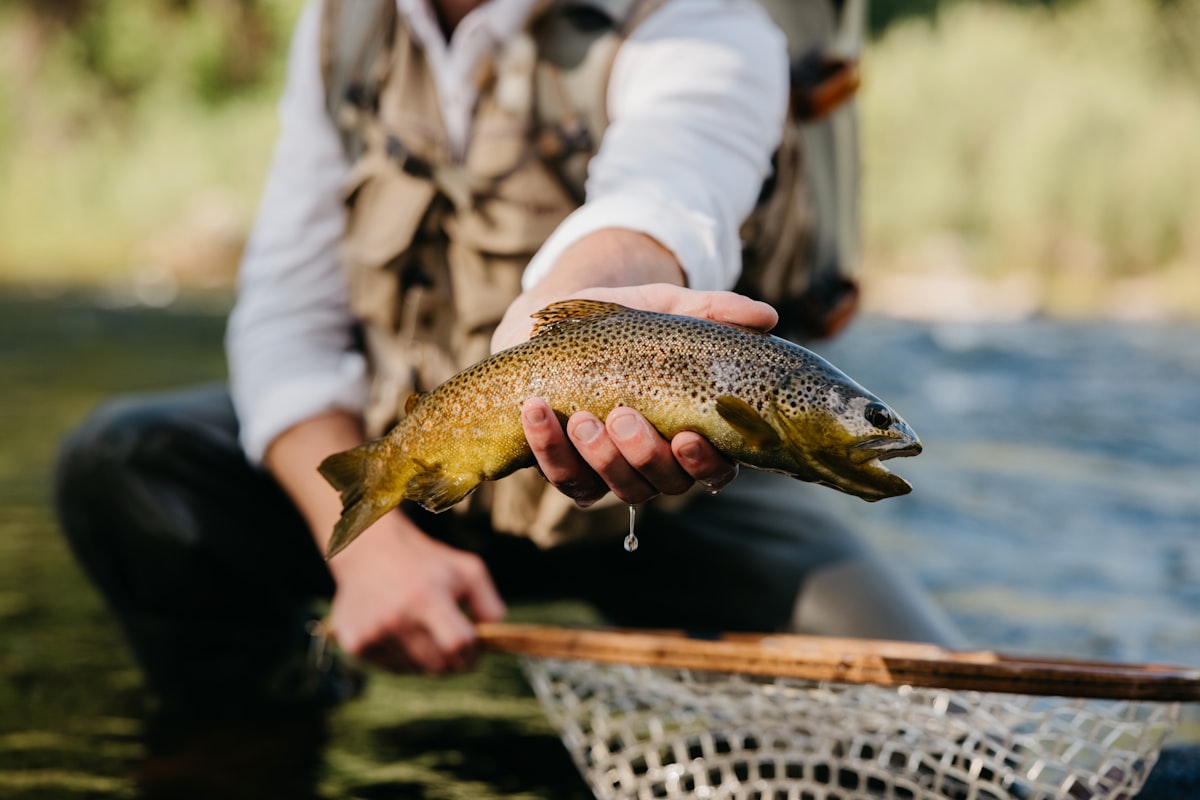
Keep the fish in the water. Do not lift a steelhead out of the water for photos. Cradle it at the surface, keep its body submerged, and take photos from above with the fish in the water. A steelhead held out of the water for 30 seconds suffers measurable stress; longer than that and you risk post-release mortality.
Use barbless hooks. Mandatory by regulation and essential for quick, low-damage release. Barbless hooks slip out with a gentle twist, no pliers, no tearing, no prolonged handling.
Fight efficiently. Do not play a steelhead to exhaustion on tackle that is too light. The heavy Spey leaders and strong tippets used on the Skeena are not for sport, they are for landing fish quickly. A fish fought for 20 minutes on too-light gear is a fish that may not survive release.
Revive before release. Hold the fish facing upstream in moderate current. Support its belly with one hand and its tail with the other. When the fish kicks strongly and pulls away from your grip, it is ready to go. If it rolls or drifts sideways, continue reviving.
Regulations
All wild steelhead in the Skeena system are catch-and-release only. Barbless, single hooks mandatory. No bait on most tributaries. The Kalum, Copper, Zymoetz, and other prime tributaries are classified waters, non-resident anglers must fish with a licensed guide or obtain a classified waters licence.
BC freshwater angling licence required. Non-residents: approximately $80 CAD for an 8-day licence. Classified waters surcharge applies on designated rivers. Check current BC regulations before your trip, the rules are detailed and vary by river, by section, and by season.
Swinging for Steelhead, Fishing the Upper Skeena