Fish
Fish Fire
Fire Hike
Hike Bird
Bird

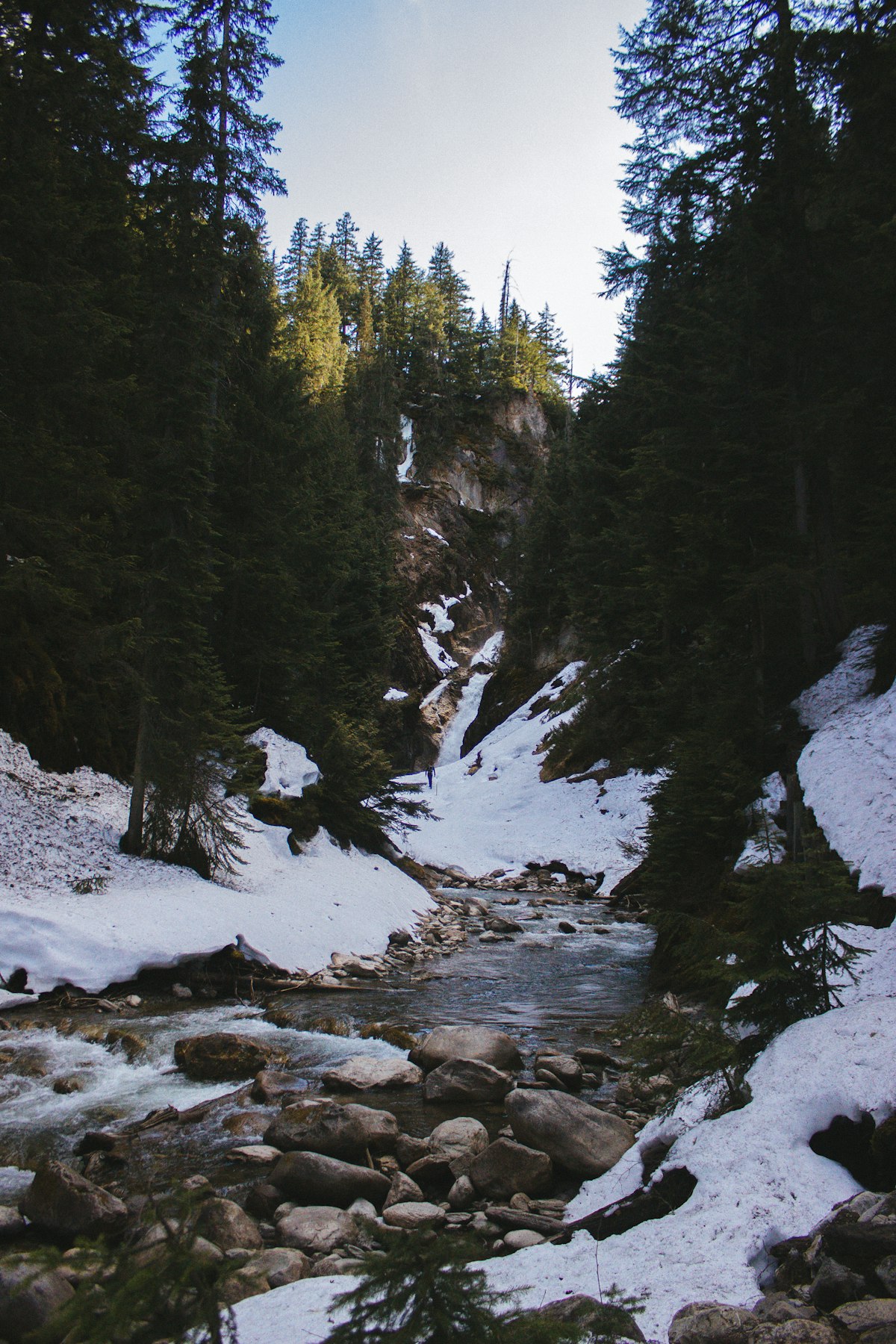

The Ram River is not the kind of destination you stumble into. There are no signs on the highway. No fly shops in the nearest town. No cell service in the canyon. Getting to the fishable water requires driving forestry roads, some of them rough enough to test your vehicle's clearance, and then hiking into a river canyon that feels like it belongs in a different century. The nearest town with services, Rocky Mountain House, is a livestock auction and rodeo community 80 kilometres from the river.
This is exactly why the Ram River holds what it holds: native westslope cutthroat trout in numbers and sizes that reflect a river that has not been loved to death by easy access. The cutthroat average 12 to 16 inches, with fish over 18 inches available in the canyon pools. Bull trout, Alberta's largest native char, share the river, with fish of 3 to 8 pounds lurking in the deepest holes. Both species are wild and native. Neither is stocked.
The Ram is a bucket-list fishery for Alberta anglers, the kind of river that rewards the effort of getting there with fishing that the Bow and Crowsnest cannot match in terms of wildness and solitude. If you want trout fishing in a genuine backcountry setting without chartering a bush plane, the Ram River is where you go.
The River
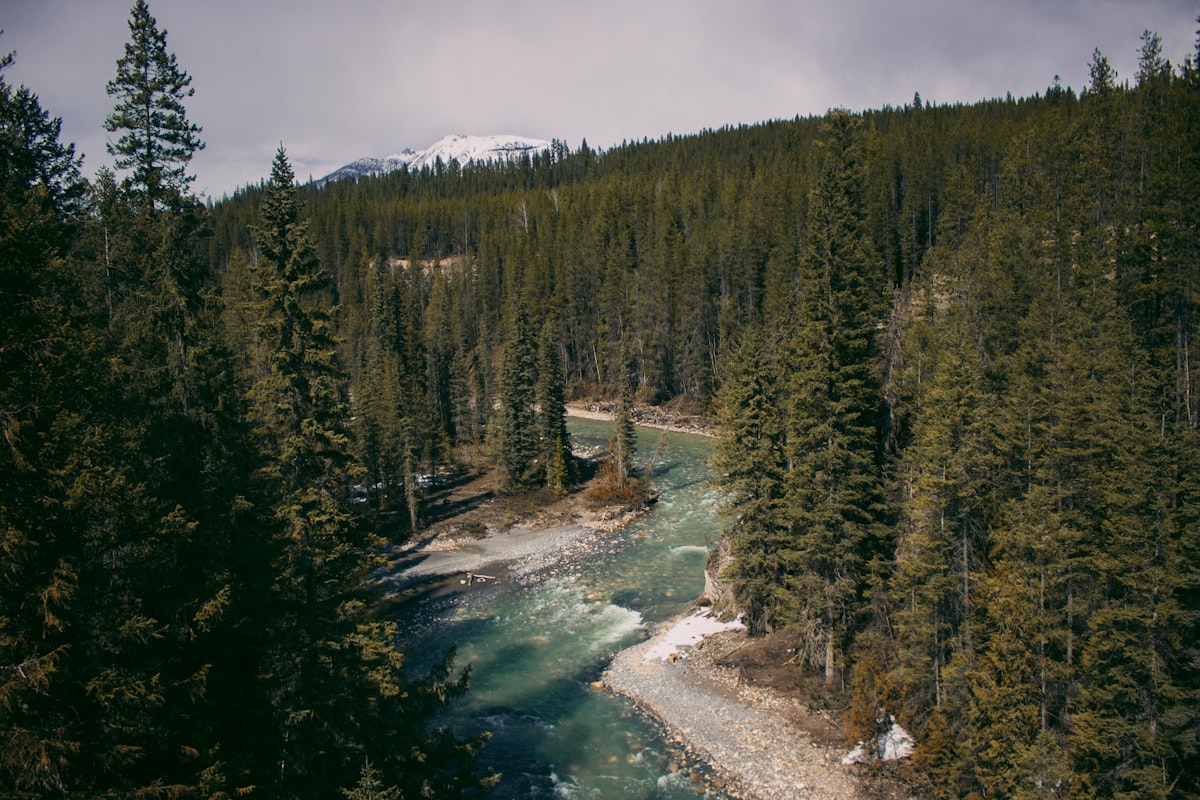
The Ram River system drains the eastern slopes of the Rocky Mountains west of Rocky Mountain House. The river has two main branches and a mainstem, each with a different character.
North Ram River: The premier fishery. A canyon river with deep turquoise pools separated by boulder-strewn rapids. The canyon walls are limestone and shale, rising 50 to 100 metres above the water. The North Ram holds the best cutthroat fishing, the pools are deep, the water is clear, and the fish are large by east-slope standards. Access requires a forestry road to a trailhead, then a hike of 2 to 8 kilometres depending on the section. The best pools are the farthest from the trailhead.
South Ram River: More remote than the North Ram. Some sections are accessible only by helicopter or multi-day backpacking trips. The South Ram holds cutthroat and bull trout in pristine habitat, old-growth spruce, grizzly bear territory, and no trails in some sections. This is wilderness fishing in every sense. Guided helicopter trips are available from select outfitters.
Mainstem Ram River: Below the confluence of the North and South Ram. Wider and slower than the canyon sections, with more accessible water along the forestry road. Rainbow trout appear in the mainstem alongside cutthroat and bull trout. The fishing is good but less dramatic than the canyon sections upstream.
Sight-Fishing Fall Cutthroat Trout on Alberta's Ram RiverWhat You Are Fishing For
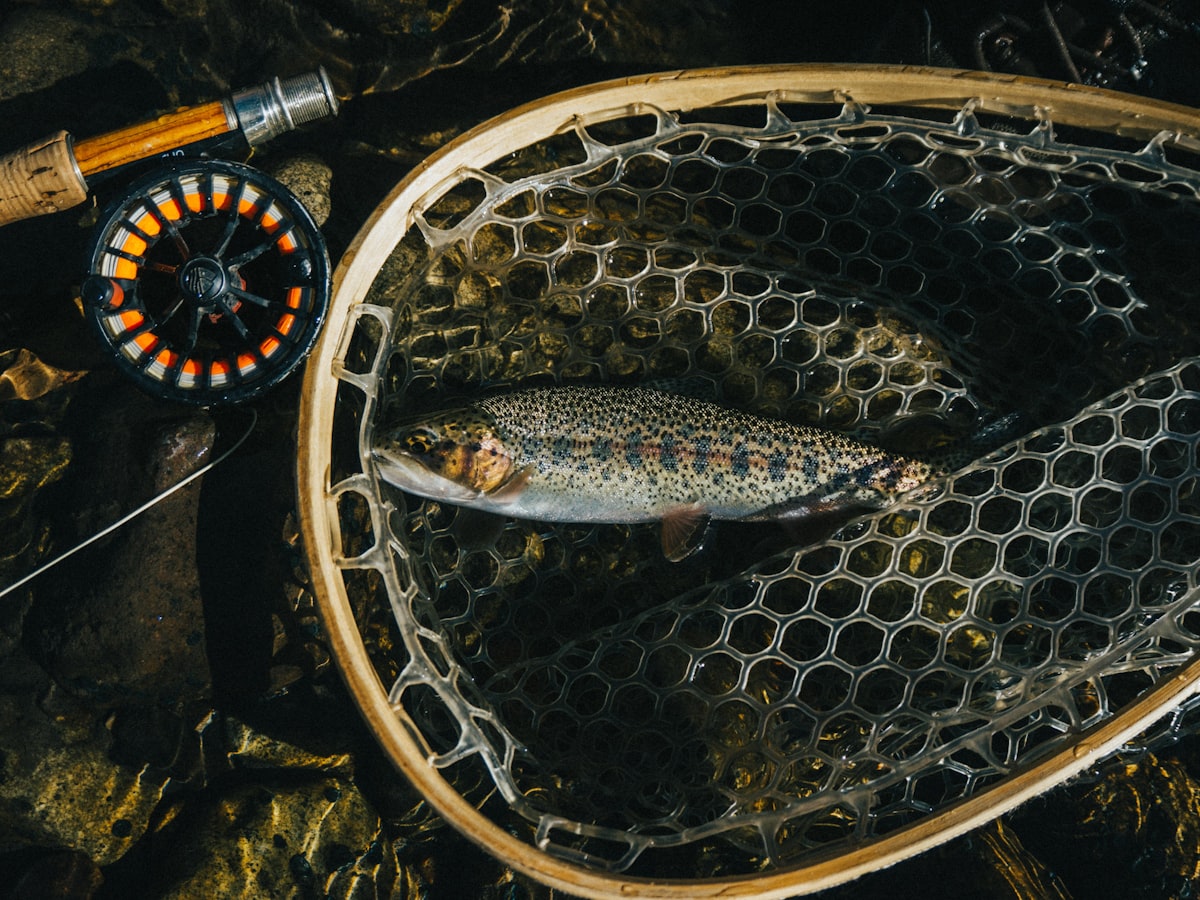
Westslope cutthroat trout are the star species. Alberta's native trout, golden flanks, black spots, and the red-orange slash under the jaw that gives them their name. Cutthroat on the Ram average 12 to 16 inches, with fish over 18 inches in the deepest canyon pools. They rise readily to dry flies, fight well on light tackle, and are strikingly beautiful against the turquoise water. Cutthroat are catch-and-release only on the Ram, zero retention.
Bull trout are the apex predator. A species of char (not technically a trout) that grows to 8 pounds or more in the Ram system. Bull trout hold in the deepest pools and ambush smaller fish, including cutthroat, from behind boulders and log jams. They eat large streamers and are caught incidentally while targeting cutthroat. Bull trout are strictly catch-and-release, zero retention, must be released immediately. They are a species of special concern in Alberta.
Rainbow trout are present in the mainstem and lower reaches. They are not native to the Ram (they were historically stocked) but have naturalized. Rainbows average 12 to 15 inches and are caught on the same flies and techniques as cutthroat.
For detailed fly patterns and techniques, see our Fly Fishing the Ram River guide.
Fly Fishing Alberta's Ram River Canyon for Cutthroat TroutWhen to Go
Mid-July through early September is the fishing season. The Ram is a mountain river that runs high and cold with snowmelt from May through mid-July. By mid-July, flows drop to fishable levels and the water clears to its characteristic turquoise. The best fishing is August, water levels are stable, the weather is warm, and the cutthroat are actively feeding on stoneflies, caddis, hoppers, and green drakes.
September brings fall colours and pre-spawn bull trout aggression. The cutthroat remain active but the days are shorter and the weather becomes unpredictable. Snow is possible at any time after mid-September. Early September is excellent; late September is a gamble.
The rest of the year: The Ram is effectively unfishable from October through June. Winter closes the forestry roads. Spring runoff makes the river a muddy torrent. The window is short, plan accordingly.
Getting There
Base: Rocky Mountain House, Alberta. A small town (population 7,000) approximately 80 km east of the Ram River canyon. Hotels, gas, groceries, and a few restaurants. This is ranch and rodeo country, not a tourism hub.
From Calgary: 3 hours northwest via Highway 2 and Highway 11 (the David Thompson Highway). The drive through the foothills is beautiful but services are sparse west of Rocky Mountain House.
Forestry roads: From Rocky Mountain House, forestry roads (gravel, maintained but rough in places) lead west into the Ram River drainage. A truck or SUV with decent clearance is recommended. Some trailheads require 4WD after rain. Check road conditions before you go, Alberta forestry road conditions are posted online.
Hiking: The best canyon fishing requires hiking 2 to 8 km from the trailhead. The trails are not paved paths, they are rough, sometimes steep, and cross the river in places. Bring wading boots you can hike in, and expect to get your feet wet. The hike is half the adventure and the reason the fishing stays good.
Guided trips: A handful of outfitters offer guided Ram River trips, some drive-in walk-and-wade, some helicopter-access to the South Ram. Guided trips run CAD $600 to $1,500 per day depending on access method. A guide knows which pools are holding fish and handles the logistics of the backcountry access.
Fly Fishing Alberta's Ram River Canyon, Locating Canyon CutthroatWhat to Bring
Vehicle: Truck or SUV with clearance for forestry roads. Do not attempt in a low sedan after rain.
Hiking gear: Sturdy boots (wading boots work for both hiking and fishing), a daypack with water, food, rain gear, and bear spray. The Ram is grizzly bear country, bear encounters are not hypothetical.
Fishing gear: A 9' 4-weight fly rod handles everything on the Ram. Floating line, 5X tippet, and a small box of dry flies, nymphs, and a few streamers. See our fly fishing guide for detailed patterns.
Safety essentials: Bear spray (carried on your belt, not in your pack). A first aid kit. A satellite communicator (Garmin inReach or similar), there is no cell service in the Ram River canyon. Tell someone your plan and expected return time.
Weather layers: Mountain weather changes fast. Bring a waterproof shell, fleece mid-layer, and sun protection even on warm days. Mornings in the canyon can be 5°C (41°F) in August while afternoons reach 25°C (77°F).
Fishing Licence and Regulations
Alberta fishing licence required. Non-residents: approximately CAD $90/year or $30 for 5 days. The Ram River has strict regulations:
Cutthroat trout: Catch-and-release only. Zero retention. Single barbless hooks only. Bait prohibited.
Bull trout: Catch-and-release only. Zero retention. Must be released immediately, do not hold for photos longer than a few seconds. Bull trout are a species of special concern and their protection is taken seriously.
Rainbow trout: Limited retention allowed on some sections (check current regulations). Most anglers practise voluntary catch-and-release.
High Country Green Drakes, North Ram River AlbertaCamping and Multi-Day Trips
The Ram River is ideal for a multi-day backcountry fishing trip. Random camping (Crown land camping) is permitted throughout the forestry lands surrounding the river, no reservations required, no fees. Choose a campsite 100 metres from the river, hang your food from a tree (bear country), and fish a different section of canyon each day.
What to pack for an overnight: Tent, sleeping bag rated to -5°C (September nights get cold), camp stove and food (no fires during fire bans, which are common in summer), water filter or purification tablets, and all the fishing gear you need for the duration. There are no supply points in the canyon.
Day trip vs overnight: A day trip covers one or two pools and requires the hike in and out in a single day. An overnight lets you fish the morning and evening rises, the most productive times, without rushing back to the trailhead. Two nights gives you a full day of unhurried canyon fishing plus the luxury of exploring side channels and tributary creeks that hold cutthroat.
Leave no trace: The Ram's backcountry status depends on anglers and campers leaving no evidence of their visit. Pack out all garbage (including fishing line and leader scraps). Use existing fire rings if fires are permitted. Bury human waste 200 metres from the river. The Ram is not managed as a park, there are no rangers, no garbage cans, and no one to clean up after you.
Nearby Fishing Options
If you are making the drive to Rocky Mountain House, the Ram River is not the only fishery in the area.
Clearwater River: East of the Ram, accessible via forestry road. Holds cutthroat, rainbow, and bull trout in a smaller, less canyon-bound setting. Easier wading than the Ram's canyon sections. A good option if the Ram is running high or you want a mellower day.
North Saskatchewan River: The major river system that the Ram feeds into. Large water with rainbow trout, brown trout, and mountain whitefish. Wade fishing and drift boat options. The stretch between Abraham Lake and Rocky Mountain House has good trout fishing and easier access than the Ram.
Abraham Lake: A reservoir on the North Saskatchewan River with bull trout and whitefish. Known for its winter ice bubbles (frozen methane) that attract photographers from around the world. Fishing is secondary to the scenery, but bull trout to 10 pounds are caught here.
Panther River and Red Deer River headwaters: Further south in Kananaskis Country. Similar native cutthroat fisheries in mountain canyon settings. These rivers offer alternatives when the Ram is crowded (which is rare) or when you want to explore the broader east-slopes system.
Why the Ram Matters
The Ram River is one of the last strongholds of native westslope cutthroat trout in Alberta. The species has been eliminated from most of its historical range by habitat loss, hybridization with stocked rainbow trout, and competition from non-native species. The Ram's remoteness, its lack of easy access, is what has protected it.
Fishing the Ram responsibly means handling fish quickly, using barbless hooks, keeping fish in the water, and packing out everything you carry in. The trails and campsites in the Ram drainage should look the same after your visit as before. This is not a resource that can absorb carelessness. The fishing quality you experience is a direct result of the anglers who came before you and treated the river with respect.
Ram River Cutthroat, Beauty Cutthroat