Fishing Panama City Beach: Jetties, Grass Flats, and 50 Miles of Artificial Reef
← All field notes

Panama City · Florida

Fishing Panama City Beach: Jetties, Grass Flats, and 50 Miles of Artificial Reef

Panama City Beach sits where St. Andrew Bay meets the Gulf of Mexico, with jetty fishing, sight-casting on grass flats, and one of the largest artificial reef systems in the country right offshore.

Colin Van Dyke

Colin Van Dyke

Panama City Beach sits on the Florida Panhandle where St. Andrew Bay empties into the Gulf of Mexico through a narrow pass flanked by granite jetties. The fishing here works on three levels: the inshore flats and marshes behind the barrier islands, the jetties and passes at the confluence, and the offshore artificial reef system that stretches for miles along the Gulf bottom.

The artificial reef program is what sets Panama City apart from other Panhandle towns. The waters offshore hold one of the largest deployments of artificial reef material in the country, hundreds of structures including decommissioned ships, concrete rubble, and purpose-built reef modules. That much structure means that much habitat, and the result is a bottom-fishing fishery that produces year-round.

The Jetties, Where Everything Funnels

The East and West jetties guard the entrance to St. Andrew Bay. The West Jetty is accessible from St. Andrews State Park; the East Jetty sits on Shell Island, reachable only by boat.

The granite rocks create current breaks, eddies, and structure that stack fish in tight quarters. Redfish and sheepshead hold along the rocks year-round, eating barnacles, crabs, and shrimp. Flounder stage along the sandy bottom adjacent to the jetty during their fall migration. Spanish mackerel run past in spring and fall, and king mackerel patrol the deeper water near the jetty tips.

In fall, bull redfish over 30 inches push into the pass to spawn. They stack along the jetty rocks and in the channel itself, and the fight of a 40-inch red in strong tidal current against the jetty structure is one of the best experiences in Panhandle fishing.

The jetties fish best on moving tides, incoming pushes bait into the bay, outgoing flushes it out, and either direction concentrates predators at the choke point.

The Grass Flats, Sight Fishing the Back Side

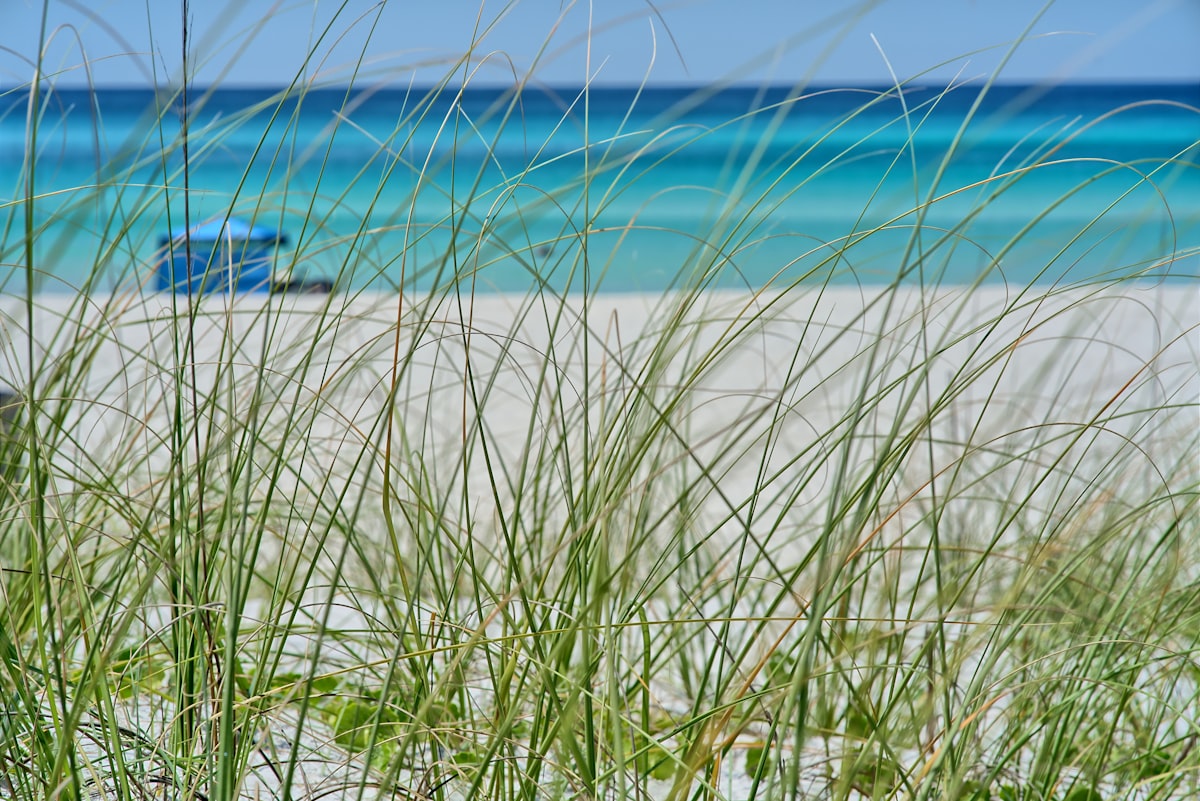
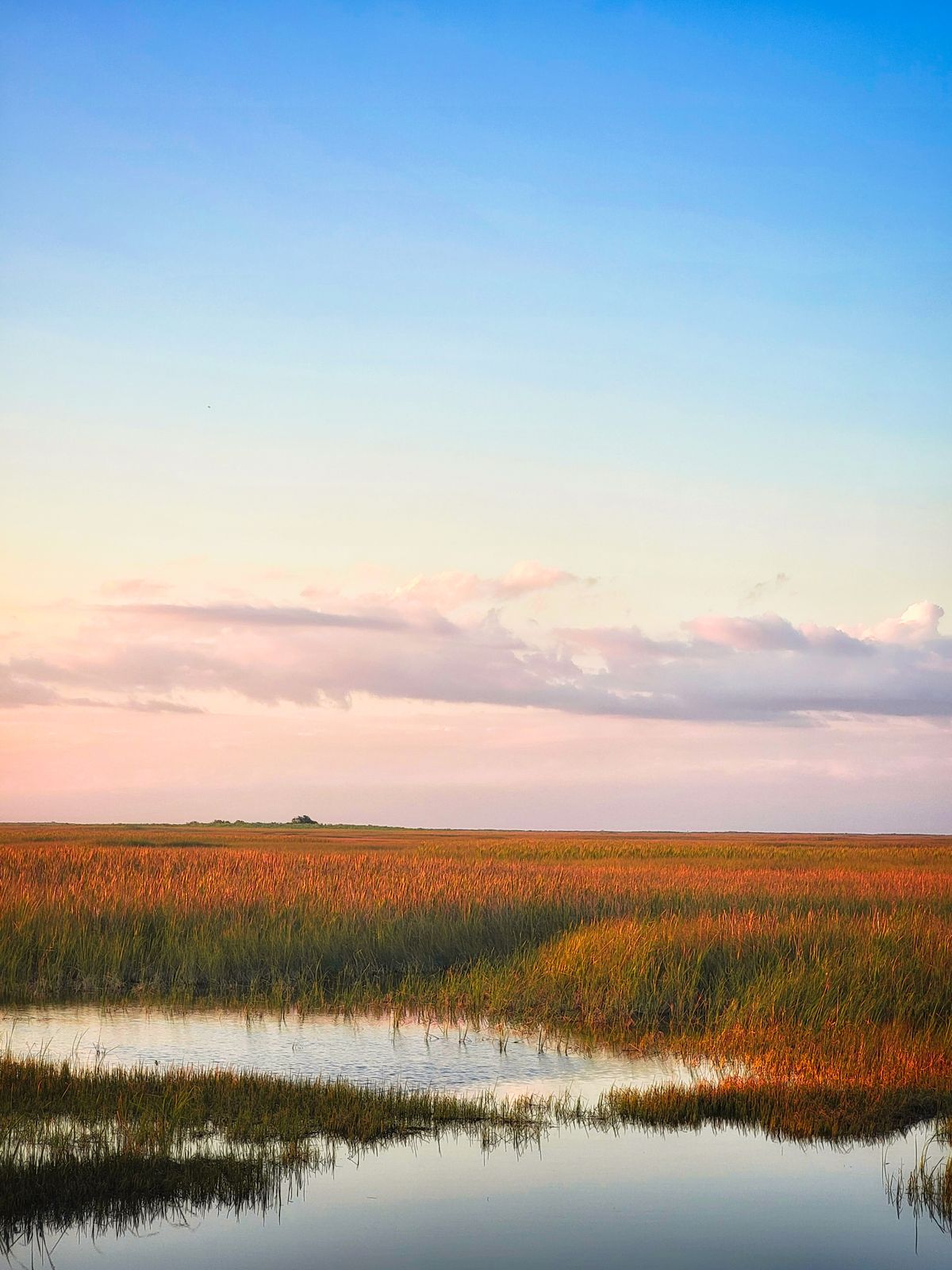
Behind the barrier islands, the back side of St. Andrews State Park, the edges of Shell Island, and the flats of Grand Lagoon, broad, wadeable grass flats stretch for acres. This is some of the best sight fishing for redfish in the entire Northern Gulf.

The flats are shallow, one to three feet at low tide, with healthy turtle grass beds over white sand. Redfish push onto the flats on incoming tides to feed, tailing as they root for crabs. On calm, clear mornings, you can see the copper-backed fish 50 yards away, pushing wakes through the grass. You pole a skiff or wade quietly, casting a gold spoon or a soft-plastic jig ahead of the moving fish.

Speckled trout sit over the sand potholes scattered through the grass. Drifting and casting soft plastics, topwater plugs, or live shrimp under a popping cork produces consistent action. The trout here run a good average size, and fish over four pounds aren't uncommon.

Flounder hug the sandy edges and channel transitions, lying flat on the bottom and ambushing bait. A slow-bounced jig along the bottom is the go-to technique. They're not flashy fighters, but they're excellent eating and a reliable part of the inshore mix.

The Artificial Reefs, The Structure Bonanza

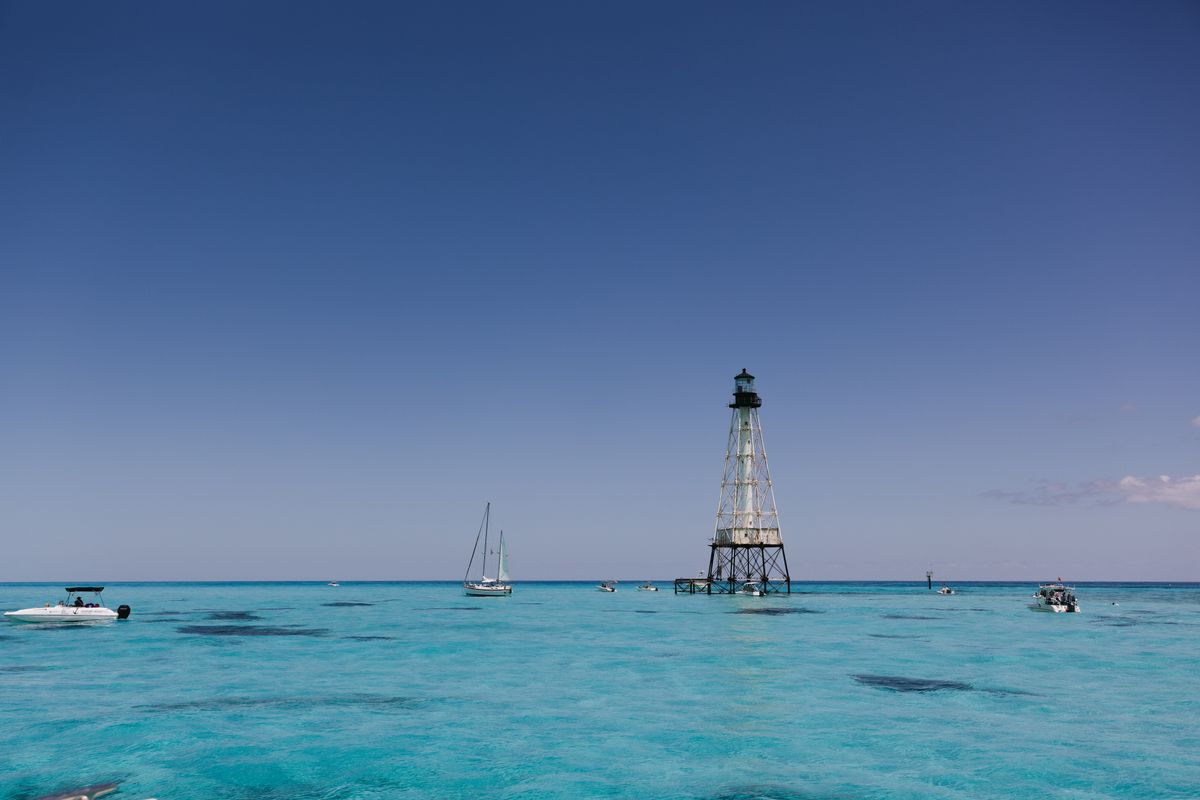
Panama City's offshore bottom is dotted with artificial reef deployments from just a few miles out to 30-plus miles into the Gulf. These structures, sunken barges, concrete culverts, decommissioned military equipment, and purpose-built reef balls, have created an underwater ecosystem that holds enormous populations of reef fish.

Red snapper are the star of the artificial reef system during federal season. The structures hold big fish, 10- to 20-pounders are common, and the density of reef material means boats don't have to compete for the same spots. Even during the short federal season, the sheer number of deployments means you can run to the lesser-known spots and find fish without fighting the crowds.

Gag grouper open in July and hold around the reef structures through November. They sit in the structure and pull hard on heavy tackle, losing a big gag to the rocks is part of the game. Amberjack circle the taller structure, triggerfish hold in clouds, and vermillion snapper fill in every gap in the action.

Beyond the artificial reefs, natural limestone ledges in 100 to 200 feet of water add scamp grouper, mingo snapper, and mangrove snapper to the offshore menu.

Offshore, Pelagics and Deep Drops

Longer runs south into the Gulf reach the blue-water edges where trolling and deep-drop fishing take over. Mahi-mahi run under weed lines and debris from late spring through fall. King mackerel patrol the reef edges and temperature breaks. Cobia migrate through in spring, cruising the surface and stacking around buoys and rays.

Tarpon are a seasonal bonus, schools roll through the pass and along the beaches from May through August, and dedicated anglers chase them with live bait on the beachfront. It's not a daily occurrence, but when the tarpon show, Panama City produces fish in the 100-pound class.

When to Go

  • Spring (March–May): Cobia migration, Spanish mackerel on the jetties, trout and reds on the flats
  • Summer (June–August): Red snapper season, gag grouper, tarpon on the beaches, mahi-mahi offshore
  • Fall (September–November): Bull reds in the pass, flounder run, king mackerel, excellent all-around
  • Winter (December–February): Sheepshead on the jetties, black drum in the bay, deep-drop bottom fishing
Recommended gear

  • Penn Fierce IV 4000 Combo

    Entry level, jetty fishing and nearshore bottom rigs

  • Penn Battle III 3000 Combo

    Mid-tier, bay sight-casting on St. Andrews grass flats

  • Shimano Stradic FL 4000

    Premium, casting distance off the jetty, drag for cobia

  • DOA CAL Jerk Bait 5.5-inch Pearl

    Walk it over PCB's grass flats for trout and reds

  • Gotcha Plug Silver/Red Head

    Cast off the jetties for Spanish mackerel and ladyfish

  • Berkley Gulp Shrimp 3-inch Molting

    On a jighead along the jetty rocks for sheepshead and flounder

  • Ugly Stik Tiger Elite Boat Rod

    Entry level, tough enough for PCB's offshore artificial reefs

  • Diamond Jig 6oz Chrome

    Classic bottom-fishing jig for snapper over artificial reefs

Frequently asked

Do you need a fishing license in Panama City Beach?

On a charter or licensed pier (like the County Pier), you're covered. Fishing on your own from shore or a private boat, non-residents need a Florida saltwater license, a 3-day is about $17, at GoOutdoorsFlorida.com. Federal reef-fish rules apply offshore, which charters handle.

How much does a Panama City Beach fishing charter cost?

Inshore and bay trips for redfish and trout typically run about $400 to $600 for a half day. Offshore bottom-fishing trips for snapper and grouper run roughly $700 to $1,200, and full-day or long-range trolling trips run higher. Party boats are the budget option at about $60 to $110 per person.

What makes Panama City Beach fishing unique?

Panama City Beach sits above one of the largest artificial reef deployments in the country, hundreds of structures that create habitat for red snapper, grouper, amberjack, and triggerfish. Combined with sight-fishing on grass flats and productive jetty fishing, the area offers unusual diversity for the Panhandle.

Can you sight fish for redfish in Panama City Beach?

Yes. The grass flats behind St. Andrews State Park and Shell Island offer excellent sight fishing. Redfish tail over shallow turtle grass on incoming tides, and on calm clear mornings you can spot them 50 yards away. A gold spoon or soft-plastic jig ahead of a moving fish is the standard approach.

What can you catch from the jetties at Panama City Beach?

The St. Andrew Bay jetties produce redfish, sheepshead, flounder, Spanish mackerel, and king mackerel year-round. In fall, bull redfish over 30 inches stack along the rocks to spawn. The West Jetty is walk-on from St. Andrews State Park; the East Jetty on Shell Island requires a boat.

When is the best fishing in Panama City Beach?

Fall (September through November) is the best all-around season, bull reds in the pass, flounder on the run, king mackerel offshore, and comfortable weather. Summer (June through August) is peak offshore season for red snapper and grouper. Spring brings cobia and Spanish mackerel.

How far offshore do Panama City Beach charters go?

Nearshore trips fish within 5 to 15 miles for snapper, triggerfish, and bottom fish on artificial reefs. Standard offshore trips run 20 to 40 miles to deeper reef structure and natural ledges. Longer runs for pelagics and deep-drop species reach 50-plus miles into the Gulf.

More Florida field notes

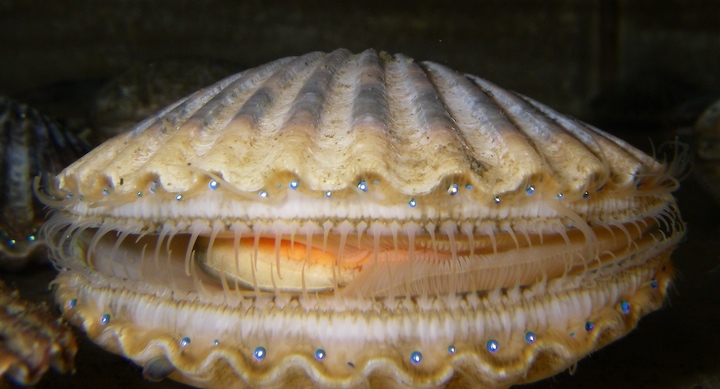
Three Zones, Three Different Seasons, One Scallop

Steinhatchee, FL

Three Zones, Three Different Seasons, One Scallop

Florida's bay scallop season is three separate seasons, and only one of them runs on its own dates while the other two share a calendar. Pick the zone before you pick the weekend, because the drive between them is hours.

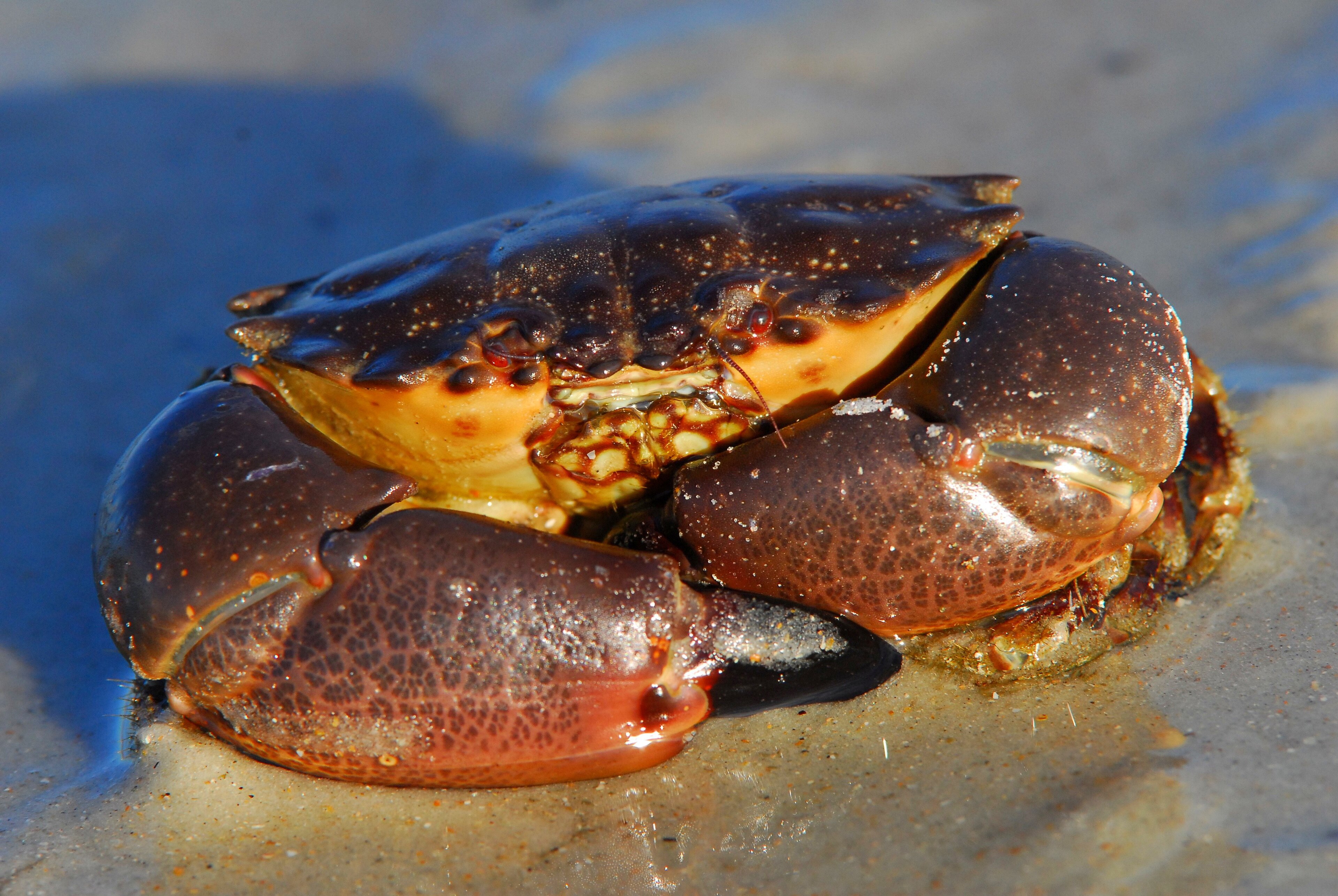
You Take the Claw and the Crab Goes Back

Everglades City, FL

You Take the Claw and the Crab Goes Back

Florida stone crab is the one American fishery where you harvest a limb and return the animal alive. It regrows the claw in about a year. Whether that makes it harmless is a more interesting question than the marketing suggests.

Fly Fishing Everglades National Park: Tarpon, Snook, and Redfish in America's Wildest Saltwater Backcountry

Everglades City, FL

Fly Fishing Everglades National Park: Tarpon, Snook, and Redfish in America's Wildest Saltwater Backcountry

Everglades National Park is 1.5 million acres of mangrove backcountry, grass flats, and tidal channels holding tarpon over 100 pounds, snook that ambush from the mangrove roots, and redfish tailing on shin-deep flats. It's the only national park in America where the main attraction wears scales.

Fly Fishing Dry Tortugas National Park: Giant Tarpon, Permit, and the Fort at the End of the World

Key West, FL

Fly Fishing Dry Tortugas National Park: Giant Tarpon, Permit, and the Fort at the End of the World

Seventy miles of open Gulf separate Key West from a hexagonal Civil War fortress built on a sand island the size of a few football fields. Migratory tarpon over a hundred pounds stage in the channels around Fort Jefferson each spring, permit tail on the surrounding flats, and barracuda slash through schools of baitfish against the fort walls. Getting there is the hard part. Fishing it is the reward.

Fly Fishing Biscayne National Park: Bonefish, Permit, Tarpon, and the Best Saltwater Flats You Can Reach by Uber

Homestead, FL

Fly Fishing Biscayne National Park: Bonefish, Permit, Tarpon, and the Best Saltwater Flats You Can Reach by Uber

Biscayne National Park is 95% water, the largest marine park in the National Park System, with gin-clear turtle grass flats holding bonefish, permit, and tarpon 30 minutes south of downtown Miami. Here's the fly box, the seasonal calendar, and why this park is the Everglades' clear-water sister.

How to Fish Tampa Bay: A Beginner's Guide to Flats, Bridges, Passes, and Piers

Tampa, FL

How to Fish Tampa Bay: A Beginner's Guide to Flats, Bridges, Passes, and Piers

A hands-on beginner guide to fishing Tampa Bay, from wading the grass flats of Weedon Island and Cockroach Bay to night fishing the Gandy Bridge, working the passes on a falling tide, and pier fishing the Skyway. Covers gear, rigs, bait, species, tides, and the local knowledge that separates a good day from a blank.