Pagosa Springs Fishing: Hot Springs, Cold Rivers, and Trout Water Radiating in Every Direction
← All field notes

Pagosa Springs · Colorado

Pagosa Springs Fishing: Hot Springs, Cold Rivers, and Trout Water Radiating in Every Direction

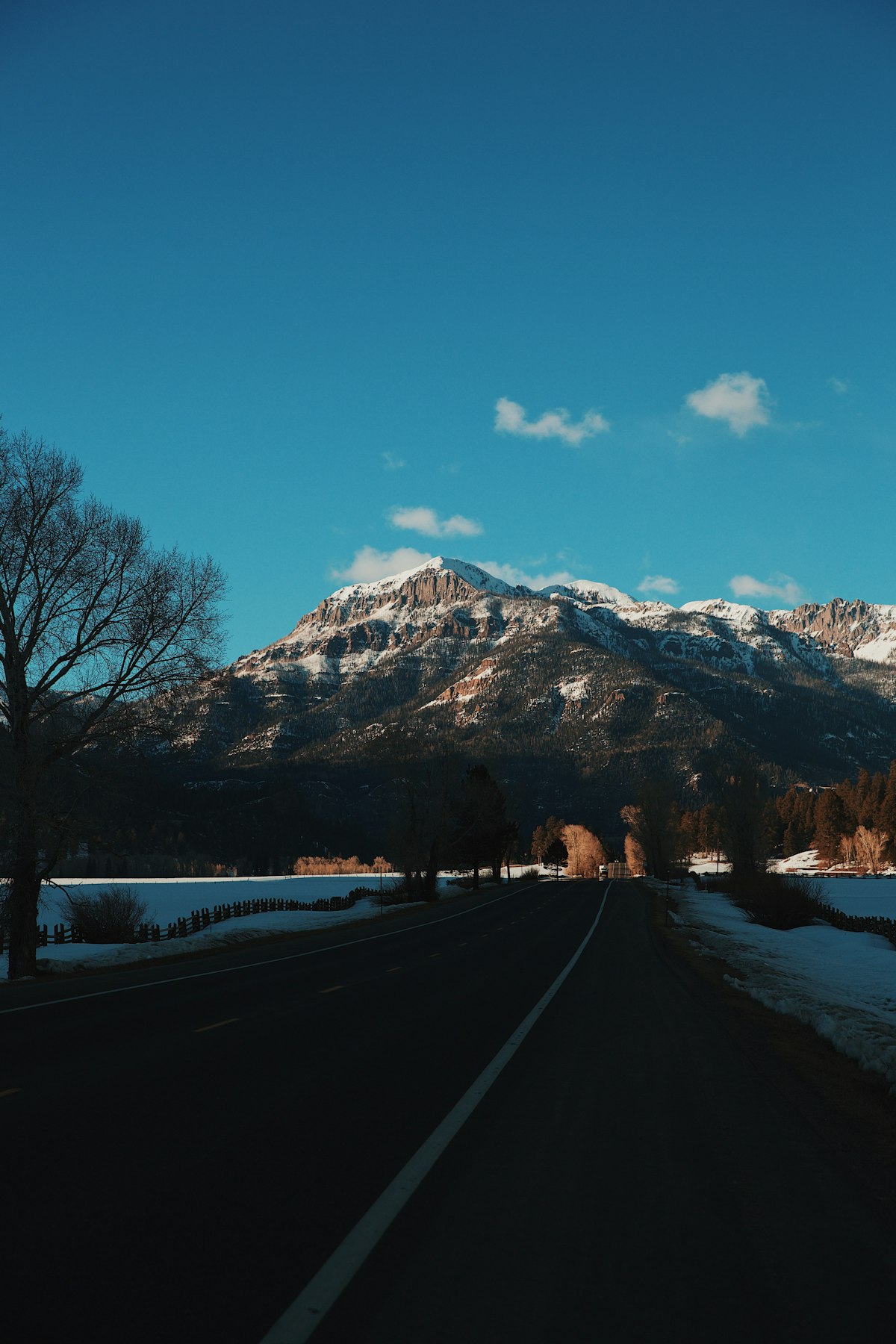
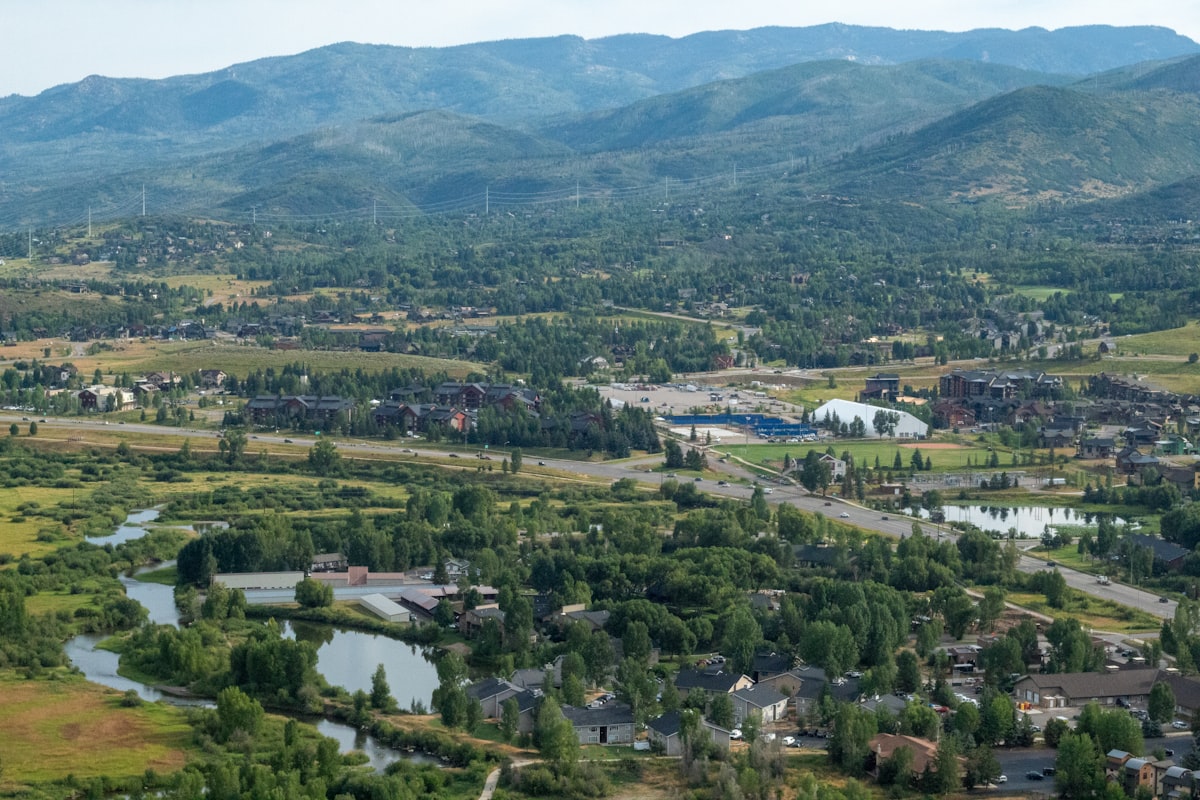
Pagosa Springs sits where the San Juan River flows through town past the world's deepest hot springs, and trout water radiates in every direction, the Piedra River, the East Fork, Williams Creek, and a hundred miles of high-country streams above 10,000 feet.

Colin Van Dyke

Colin Van Dyke

Pagosa Springs is a small mountain town in southwestern Colorado where the San Juan River flows right through the center of town, past the world's deepest geothermal hot springs. The juxtaposition is perfect for a fishing trip: you spend the day wading cold water for trout, then soak in a 104-degree mineral pool while the sun sets behind the San Juan Mountains. Very few fishing towns offer that combination.

The fishing radiates outward from town like spokes on a wheel. The San Juan River runs through Pagosa and holds solid populations of brown and rainbow trout in a freestone setting. The Piedra River flows south through a remote canyon holding wild trout in roadless water. The East Fork of the San Juan climbs into the high country with cutthroat and brook trout in pocket water above 10,000 feet. And Navajo Reservoir, an hour south on the New Mexico border, adds kokanee salmon, pike, and bass to the menu.

The San Juan River, Through Town

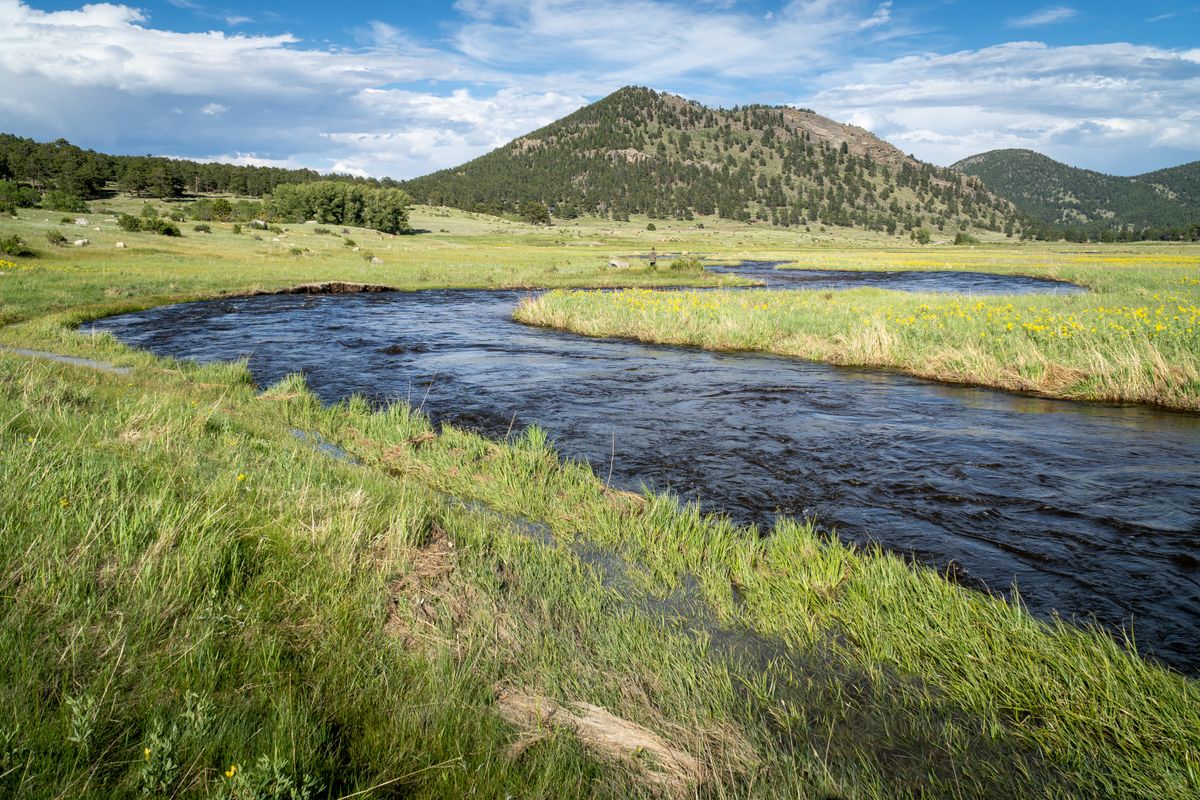
The section of the San Juan River flowing through and below Pagosa Springs holds brown trout and rainbow trout averaging 12 to 16 inches, with fish over 20 inches in the deeper pools and undercut banks. The river is a classic freestone, riffles, runs, pools, and pocket water carved through a mix of meadow and canyon.

The through-town stretch is accessible on foot, you can fish the San Juan on a morning walk from your hotel. Below town, the river enters a canyon where the water deepens and the trout get larger. Float trips through the lower canyon cover water that's inaccessible from shore and hold the biggest browns in the system.

Hatches drive the dry-fly fishing: Blue Winged Olives in spring and fall, caddis from May through September, Pale Morning Duns in summer, and golden stoneflies in June and July that bring big trout to the surface in the faster water. Hopper fishing in August and September is the most fun, foam grasshopper patterns fished tight to the grassy banks produce explosive strikes from browns that have been waiting for exactly that.

The San Juan fishes best from late June (after runoff clears) through October. Fall is the local favorite, brown trout color up and move through the system on their pre-spawn migration, the aspens turn, and the crowds from summer have gone.

The Piedra River, Wild Canyon Water

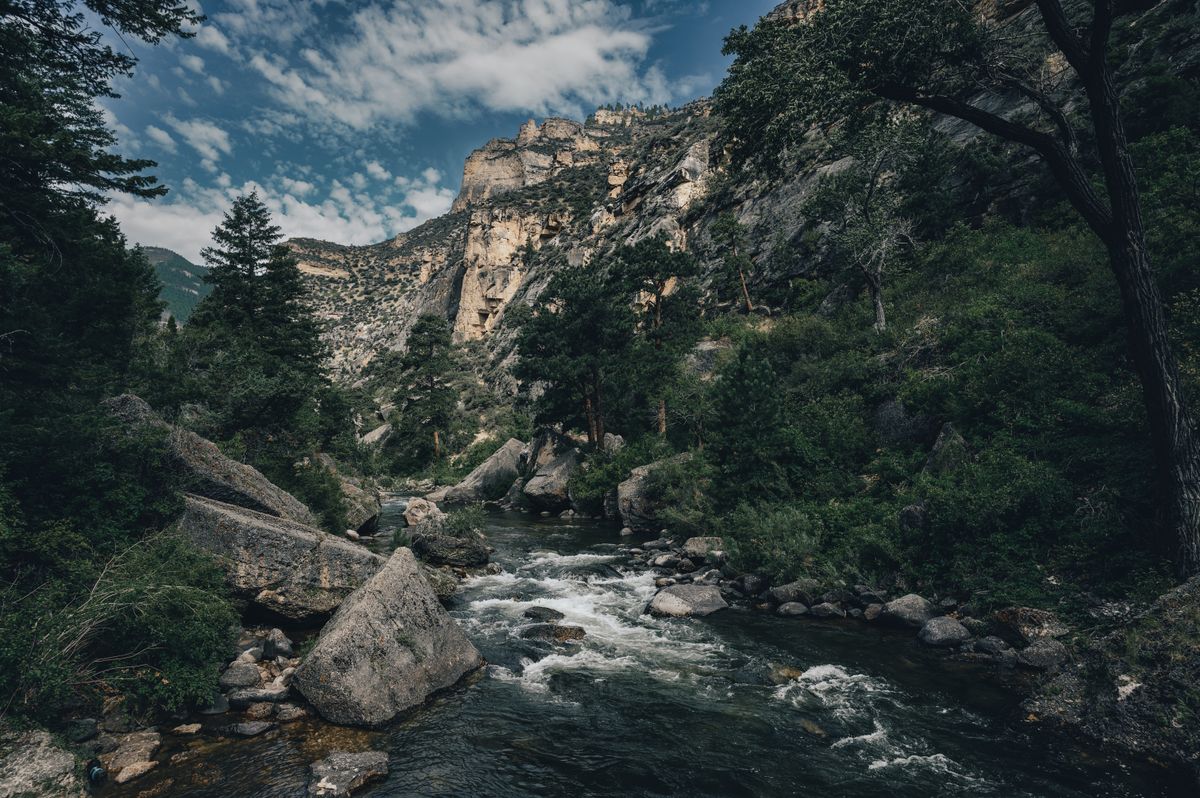
The Piedra River is the hidden gem, a tributary of the San Juan that flows south through a remote canyon in the San Juan National Forest. The upper Piedra is designated Wild and Scenic, and the fishing matches the designation: wild trout in wild water, with minimal access and minimal pressure.

The Piedra holds brown trout, rainbow trout, cutthroat trout, and brook trout in a diversity that reflects the river's varied character, pocket water in the upper canyon, longer pools and runs in the middle sections, and larger water near the confluence with the San Juan. The special-regulation stretch from Lower Piedra Campground upstream to Sand Creek is artificial-only with a two-trout, 16-inch minimum limit, managed for quality.

Getting to the best water on the Piedra requires hiking. The canyon is steep-sided and the trail access is limited, which is exactly what keeps the pressure low and the trout willing. Scout the access points and wading routes before you go, a little homework puts you on water that feels genuinely remote, a half-hour from town but a world away from the crowds.

The East Fork, High-Country Water

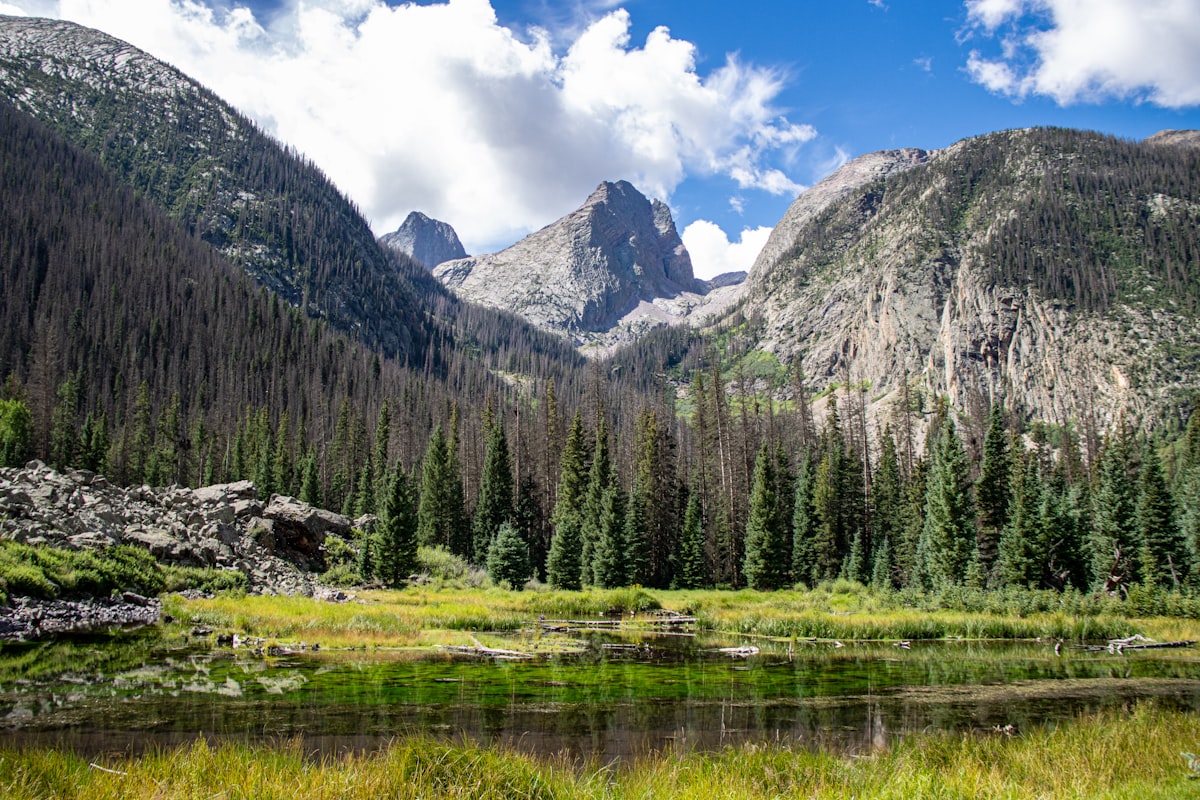
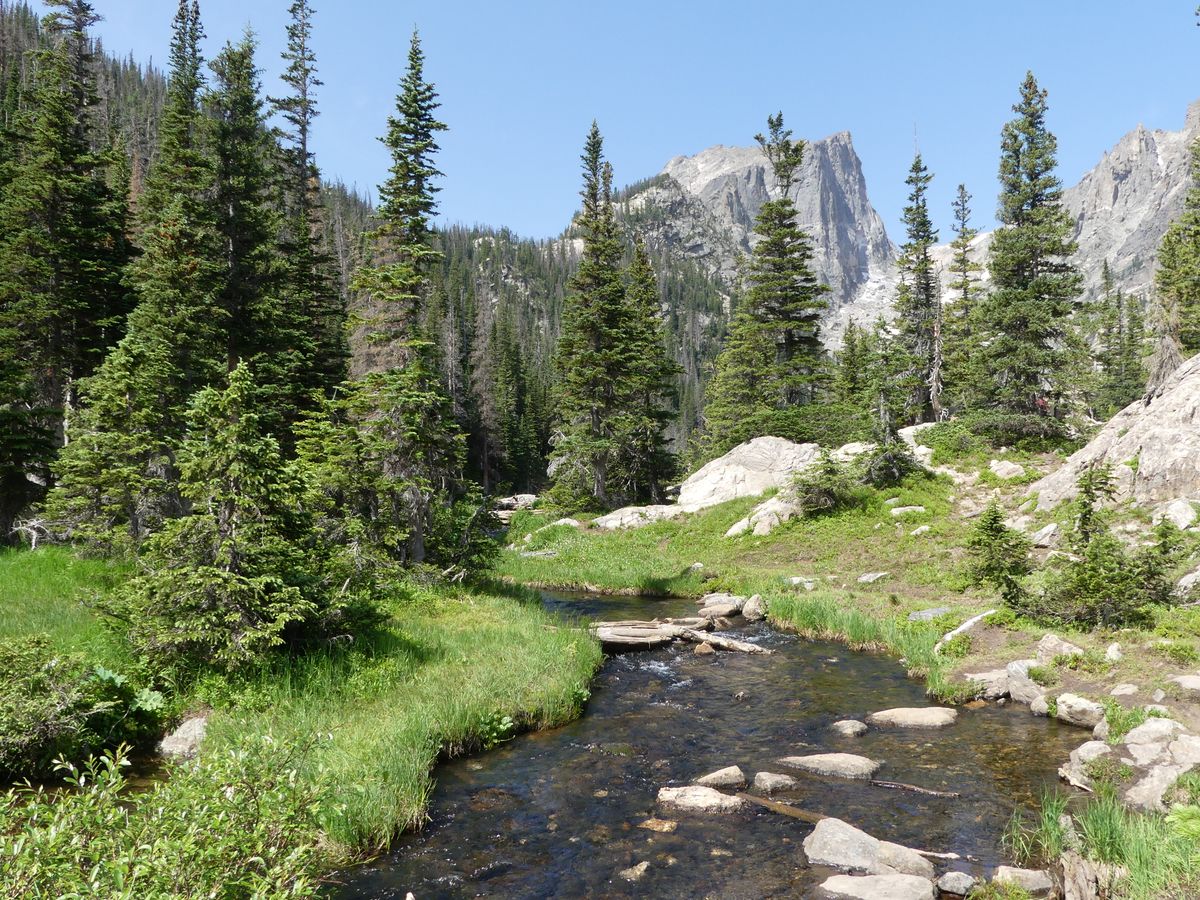
The East Fork of the San Juan River climbs into the high country east of Pagosa Springs, following Highway 160 toward Wolf Creek Pass. Above 9,000 feet, the river narrows to a small mountain stream holding cutthroat trout, brook trout, and cutbow hybrids in pocket water, plunge pools, cascades, and short runs between boulders.

The fish are small, 6 to 12 inches is typical, but they're brilliantly colored, willing to eat dry flies, and living in some of the most beautiful mountain scenery in Colorado. The East Fork is the spot for anglers who want the high-country experience: thin air, wildflowers, and native trout in a creek you can step across.

Wolf Creek and Treasure Creek, small tributaries feeding the East Fork, hold even smaller cutthroat in genuinely backcountry settings. These are hike-in fisheries that reward effort with solitude.

Williams Creek and Echo Canyon

Williams Creek Reservoir sits north of Pagosa and holds stocked rainbow trout, brown trout, and kokanee salmon in a mountain-lake setting. The creek below the reservoir is a tailwater that fishes well year-round, and the canyon section offers wadeable pocket water with less pressure than the main San Juan.

Echo Canyon Reservoir is a smaller, quieter option with stocked trout and a scenic setting.

Navajo Reservoir, The Big Water

An hour south of Pagosa Springs, Navajo Reservoir straddles the Colorado-New Mexico border and offers fishing that's completely different from the mountain streams. The 15,000-acre reservoir holds kokanee salmon, northern pike, largemouth and smallmouth bass, and brown and rainbow trout in a high-desert canyon setting.

The kokanee fishery peaks in late summer and fall (August through October), with trolling producing fish in the 14- to 18-inch range. Northern pike grow to trophy size in Navajo, fish over 30 inches are caught regularly, and 40-inch fish are realistic. The pike hold in the weedy bays and channel edges, and they eat large lures with commitment.

When to Go

  • Late June–July: Rivers clear after runoff, stonefly hatches, the season opens, arrive when the water drops
  • August–September: Peak dry-fly fishing, hoppers on the San Juan, caddis everywhere, high-country streams open
  • October: Fall brown trout migration, aspen colors, the locals' favorite month
  • November–March: Lower San Juan stays fishable with nymph rigs; Navajo Reservoir for pike year-round

Recommended gear

  • Orvis Clearwater Fly Rod Outfit 9' 5wt

    Mid-tier, covers San Juan and East Fork cutthroat

  • Echo Base Fly Rod Kit 9' 5wt

    Entry level, good for Piedra River and mountain streams

  • Sage R8 Core 9' 4wt

    Premium, delicate presentations on the San Juan's technical water

  • Rio Perception Trout Line

    Accurate delivery for matching hatches on the San Juan

  • Umpqua Southwest Trout Selection

    San Juan Worm, RS2, Copper John, Pagosa area essentials

  • Simms Tributary Wading Boots

    Entry level, grip on San Juan cobble

Frequently asked

Do you need a license to fish near Pagosa Springs?

Yes, Colorado requires a fishing license for the San Juan and Piedra rivers and area lakes, available short-term or annual through Colorado Parks & Wildlife. Note the famous San Juan tailwater at Navajo Dam is across the line in New Mexico and needs a New Mexico license instead.

How much does a guided trip near Pagosa Springs cost?

A full-day guided trip near Pagosa, wading the San Juan or Piedra or fishing Navajo Reservoir, typically runs about $400 to $575 for one or two anglers, including gear and flies.

Can you fish the San Juan River in Pagosa Springs?

Yes, the San Juan flows right through town and holds brown and rainbow trout averaging 12 to 16 inches, with bigger fish in the deeper pools. You can fish it on a morning walk from your hotel. Below town, a float trip through the canyon accesses the largest browns in the system.

What is the Piedra River?

A Wild and Scenic tributary of the San Juan flowing through a remote canyon in the San Juan National Forest. It holds brown, rainbow, cutthroat, and brook trout with minimal fishing pressure. The special-regulation stretch requires artificial-only tackle with a two-trout, 16-inch minimum limit.

When is the best time to fish Pagosa Springs?

August and September for peak dry-fly fishing, hopper season on the San Juan, caddis everywhere, and the high-country streams at their best. October is the locals' favorite for fall brown trout and aspens. Late June and July after runoff is the season opener.

Can you catch cutthroat trout near Pagosa Springs?

Yes, the East Fork of the San Juan River above 9,000 feet holds cutthroat, brook trout, and cutbow hybrids in small mountain streams. The fish are small (6-12 inches) but brilliantly colored and willing. Wolf Creek and Treasure Creek tributaries offer even more remote cutthroat water.

What can you catch at Navajo Reservoir?

Navajo Reservoir (one hour south) holds kokanee salmon, northern pike, largemouth and smallmouth bass, and trout. Kokanee trolling peaks August through October. Northern pike grow to trophy size, 40-inch fish are realistic. It's a completely different fishery from the mountain streams.

More Colorado field notes

Urban Fishing in Denver: Trout in the South Platte, Carp on the Fly, and the Grand Slam in the Shadow of the Rockies

Denver, CO

Urban Fishing in Denver: Trout in the South Platte, Carp on the Fly, and the Grand Slam in the Shadow of the Rockies

The South Platte River flows through the heart of Denver holding trout, carp, smallmouth bass, walleye, and catfish, all within a mile of downtown. The urban South Platte Grand Slam (trout, carp, bass, catfish in one day) is a real thing. Add stocked city park lakes and 26 miles of river trail, and Denver is a fly fisher's urban paradise.

Fly Fishing Rocky Mountain National Park: Greenback Cutthroat, Alpine Lakes, and Colorado's State Fish Coming Home

Estes Park, CO

Fly Fishing Rocky Mountain National Park: Greenback Cutthroat, Alpine Lakes, and Colorado's State Fish Coming Home

Rocky Mountain National Park holds 150+ lakes and hundreds of miles of streams at the top of the Continental Divide, and a decades-long effort to bring Colorado's native greenback cutthroat trout back from the edge of extinction. Here's every water, every hatch, and the conservation story that makes fishing here an act of hope.

Fly Fishing Great Sand Dunes National Park: Native Cutthroat, Backcountry Creeks, and the Most Surreal Landscape in Colorado

Mosca, CO

Fly Fishing Great Sand Dunes National Park: Native Cutthroat, Backcountry Creeks, and the Most Surreal Landscape in Colorado

Great Sand Dunes holds 750-foot dunes beneath 14,000-foot peaks, and behind that spectacle, Sand Creek carries native Rio Grande cutthroat trout in one of Colorado's most important restoration waters. Here is the backcountry creek, the famous surge-flow beach, the Conejos River nearby, and the fly box for southern Colorado's most unexpected fishery.

Fly Fishing Black Canyon of the Gunnison: Gold Medal Trout in America's Most Dramatic Canyon

Montrose, CO

Fly Fishing Black Canyon of the Gunnison: Gold Medal Trout in America's Most Dramatic Canyon

Black Canyon of the Gunnison holds Colorado's wildest Gold Medal trout water, 8,000 trout per mile in the Gunnison River, 2,000 feet below sheer canyon walls so dark they gave the canyon its name. The access is brutal. The salmonfly hatch is legendary. And the browns and rainbows are the biggest in the state.

How to Fish Steamboat Springs, Colorado: The Yampa, a Tailwater, and Mountain Lakes

Steamboat Springs, CO

How to Fish Steamboat Springs, Colorado: The Yampa, a Tailwater, and Mountain Lakes

Everything a beginner needs to fish Steamboat Springs, the Yampa River through town, the world-class Stagecoach tailwater, the Elk River, and the valley lakes with their trout, arctic grayling, and pike.

How to Fish Pagosa Springs, Colorado: Rivers, Reservoirs, and High-Country Trout

Pagosa Springs, CO

How to Fish Pagosa Springs, Colorado: Rivers, Reservoirs, and High-Country Trout

Everything a beginner needs to fish Pagosa Springs, the three tiers of water (rivers, reservoirs, and wilderness lakes), what to catch in each, how to time the snowmelt runoff, and the gear that works.