Fish
Fish Fire
Fire Hike
Hike Bird
Bird

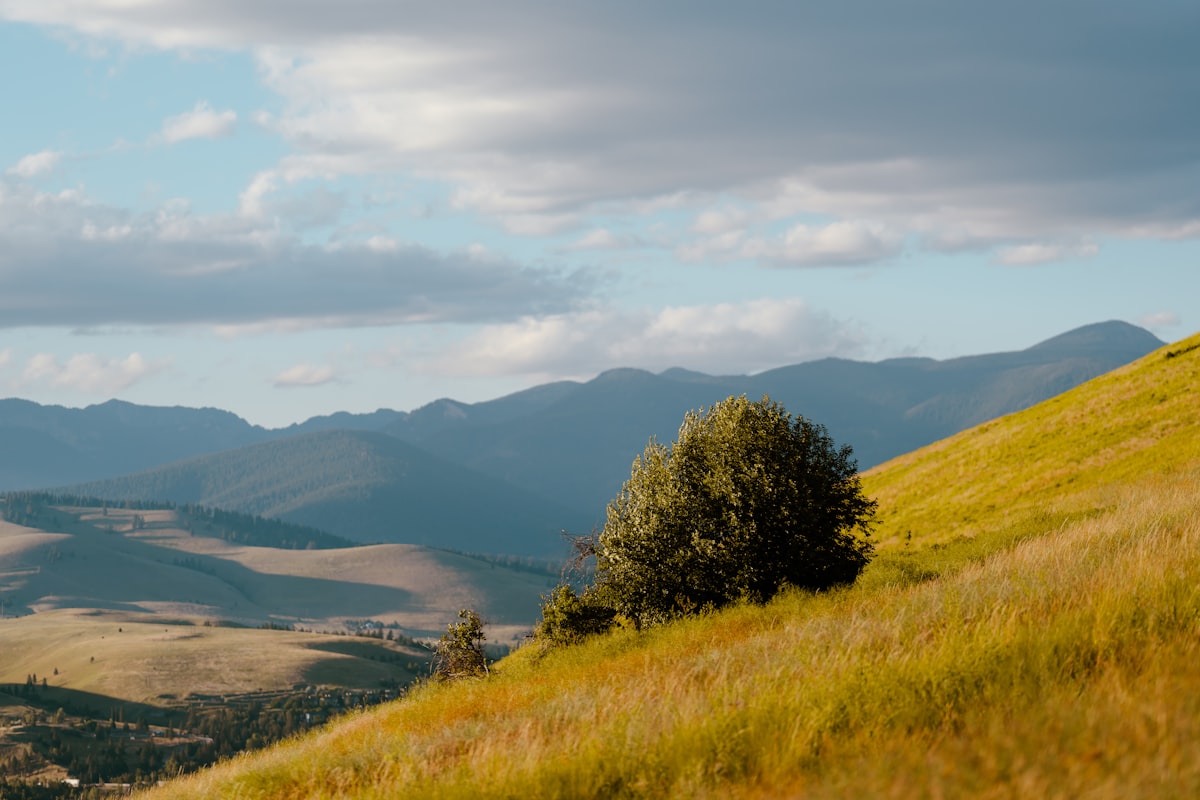

Missoula sits at the confluence of three of Montana's best trout rivers, and that's not hyperbole, the Clark Fork, the Blackfoot, and the Bitterroot all flow through or near town. Add Rock Creek to the mix and you have four distinct fisheries within 30 minutes of downtown. It's one of the most river-rich fly fishing destinations in the West.
The fishing culture here runs deep. Norman Maclean's "A River Runs Through It" was set on these waters, and while the movie brought the crowds, the fishing has kept them coming back. The angling community here is serious, skilled, and opinionated about its home rivers, in the best way.
The Rivers
Clark Fork River
The Clark Fork is Missoula's home river, it literally flows through town. The upper Clark Fork east of Missoula is a small meadow stream dominated by brown trout, with fish making up over 90 percent of the trout population in some stretches. It's technical water that rewards precise presentations and careful wading.
The lower Clark Fork west of Missoula is a different river entirely. It widens into a big, powerful flow with the largest population of wild rainbow trout in the system. The lower river also holds brown trout and westslope cutthroat, and it sees far less pressure than the upper sections. Float trips on the lower Clark Fork cover beautiful water and consistently produce good numbers of fish from June through October.
Blackfoot River
The Blackfoot is the river that made Missoula famous, it's Maclean's river, and it lives up to the legend. It holds native westslope cutthroat trout, rainbows, browns, cutbows, and rare native bull trout (catch and release only, handle them carefully). The Blackfoot has come back strong from historical mining damage, and its trout populations are healthier now than they've been in decades.
Float trips are the best way to cover the Blackfoot. The river winds through a timbered canyon with excellent access for drift boat trips. Dry fly fishing is outstanding here from late June through September, with caddis, stoneflies, and hoppers all producing well. The Blackfoot's cutthroat are eager risers, they'll come up for a well-presented dry fly when browns on other rivers won't look twice.
Bitterroot River
The Bitterroot flows north through the Bitterroot Valley into Missoula, and its character changes dramatically from top to bottom. The upper river is small, clear, and loaded with westslope cutthroat trout that rise freely to dry flies. It's classic small-stream fishing, stalking risers, making accurate casts, and sight-fishing to individual trout.
The middle and lower Bitterroot hold larger brown trout that demand a different approach. Streamers, nymphs, and careful presentation around structure produce the bigger fish. The Bitterroot also has the longest dry fly season of any Missoula river, skwala stoneflies bring trout to the surface as early as March, and the fishing stays good through November.
Rock Creek
Rock Creek enters the Clark Fork about 25 miles east of Missoula, and it's simply a perfect trout stream. It's a freestone creek with a dense, diverse bug population that fuels exceptional dry fly fishing. Westslope cutthroat, rainbows, and browns all thrive here.
Rock Creek is famous for its mid-June salmonfly hatch, which starts on the lower stretches and moves upstream over about two weeks. But the creek fishes well all season, March browns and skwala stoneflies in early spring, caddis through summer, and BWOs in fall. It's intimate water that rewards stealth and a light touch.
What You're Fishing For
Westslope cutthroat trout are the native species and the pride of Missoula's rivers. They're found in all four rivers, with the strongest populations in the Blackfoot, upper Bitterroot, and Rock Creek. They rise eagerly to dry flies and are the reason many anglers specifically choose Missoula over other Montana destinations.
Rainbow trout dominate the lower Clark Fork and are well-represented in the Blackfoot and Bitterroot. They're strong fighters in current and average 12 to 16 inches, with larger fish in the deeper runs.
Brown trout are the apex predators of these rivers. The upper Clark Fork and middle Bitterroot hold good populations of browns that grow large on sculpin and crayfish. Streamer fishing in fall targets the biggest browns as they move into spawning mode.
Bull trout are present in the Blackfoot and lower Clark Fork. They're a protected species, strictly catch and release, and catching one is a rare treat. Keep them wet, release quickly, and count yourself lucky.
When to Go
June through September is peak season. Spring runoff typically clears by mid-June, and from then through September the rivers fish at their best. The salmonfly hatch hits Rock Creek and the Clark Fork in June, caddis and PMDs carry the summer, and hopper fishing takes over in August.
March through May is the skwala season, Missoula's secret weapon. Skwala stoneflies hatch on the Bitterroot and Clark Fork starting in March, bringing big trout to the surface weeks before any other river in Montana is fishable. It's cold, you'll need layers, but the dry fly fishing can be outstanding.
October and November bring fall fishing at its finest. Brown trout get aggressive before the spawn, streamer fishing peaks, and the cottonwoods along the rivers turn gold. The crowds are gone by October, and you'll have long stretches of river to yourself.
What to Bring
If you're floating with a guide, they'll supply the rods, reels, flies, leaders, and drift boat. Whether you go guided or wade on your own, plan to bring:
- Montana fishing license (buy online at fwp.mt.gov before your trip)
- Waders and wading boots, essential for the cold freestone flows
- Polarized sunglasses, essential for sight-fishing cutthroat
- Layered clothing, mornings are cold, afternoons can be warm
- Rain jacket (weather changes fast in western Montana)
- Sunscreen and a hat
- Water and snacks for a half day; lunch for a full day on the water
- Cash for a tip if you fish with a guide, $100-150 for a full day is standard