Fish
Fish Fire
Fire Hike
Hike Bird
Bird

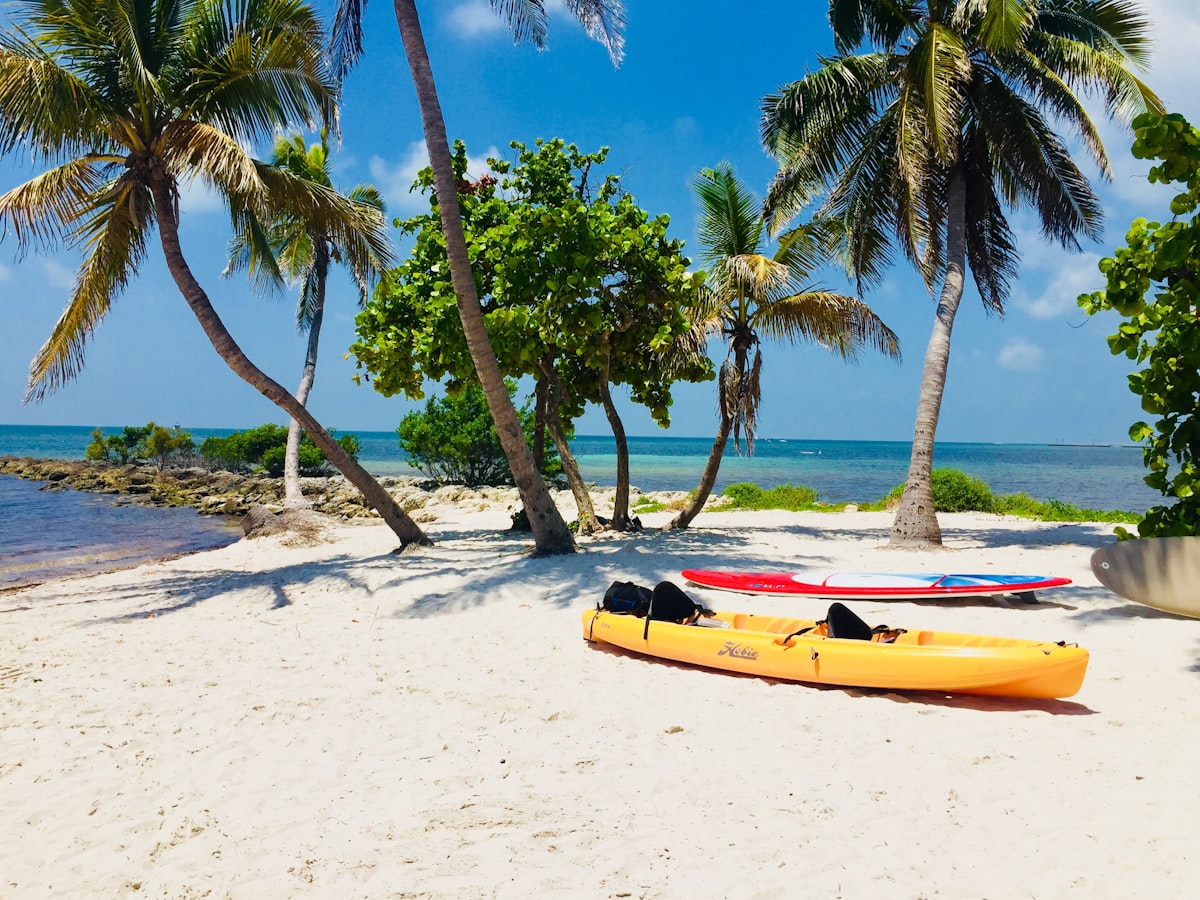

Key West is the southernmost point in the continental United States, and the fishing reflects the position, tropical species, warm water year-round, and a geographic convergence where the Atlantic Ocean, the Gulf of Mexico, and the Florida Straits all meet within sight of the island. The result is five distinct fisheries stacked on top of each other, all accessible from the same harbor.
You can sight-fish for permit on the flats at dawn, troll for mahi-mahi in the blue water by mid-morning, and bottom-fish a reef for yellowtail snapper on the way home, all in the same day, all within 30 minutes of the dock. No other fishing destination in America offers this density.
The Flats, Permit, Bonefish, and Tarpon
The shallow flats stretching west from Key West toward the Marquesas Keys hold the same Grand Slam species that define Islamorada further up the Keys chain, permit, bonefish, and tarpon, but with less boat traffic and more room to pole.
Permit are the ultimate flats target, and Key West is one of the best places in the world to catch one. They cruise the shallow wrecks, channel edges, and turtle grass flats, eating crabs and shrimp off the bottom. The fish average 15 to 30 pounds, and they're maddeningly difficult to hook, spooky, selective, and capable of refusing a dozen perfect presentations before finally eating. Landing a permit on fly in Key West is one of the rarest achievements in sportfishing.
Bonefish are present on the flats from late winter through summer. They're smaller than the Islamorada fish on average but less pressured, and the flats near the Marquesas hold pods of bones that see relatively few anglers.
Tarpon migrate through the Key West flats from April through July in enormous numbers. The channels, bridges, and harbor itself hold tarpon during the peak, it's possible to see 100-pound fish rolling from the dock at Garrison Bight.
The Backcountry, Snook, Sharks, and Barracuda
The backcountry encompasses the shallow bays, mangrove islands, and flats on the Gulf side of Key West, stretching north toward the Content Keys and the Lakes region. It's shallower and muddier than the Atlantic flats, and it holds a different species mix.
Sharks are the backcountry's big draw for many anglers, lemon, blacktip, bonnethead, nurse, and bull sharks patrol the flats and channels. A lemon shark on the flats in two feet of water is an exciting sight-fishing target.
Barracuda are everywhere and provide fast, slashing action on topwater plugs and fly tackle. Jack crevalle run in packs through the backcountry, crashing bait on the surface.
Snook hold around the mangrove shorelines, especially in the cooler months when they move into the backcountry's warmer, shallower water.
The Reef, Yellowtail Snapper and More
The coral reef tract runs parallel to the Keys about five to seven miles offshore. It holds tropical reef species that don't exist anywhere else in the continental US.
Yellowtail snapper are the reef staple, they school over the coral heads and eat aggressively when the chum slick is right. A limit of yellowtail is the standard goal on a reef trip, and they're one of the best-eating fish in the ocean. Mutton snapper, mangrove snapper, hogfish, and several species of grouper round out the reef menu.
Reef trips are the most accessible and affordable option in Key West, the runs are short, the technique is straightforward, and the fishing is productive for anglers of all skill levels.
The Wrecks, Big Bottom Fish
Scattered between the reef and the blue water, artificial and natural wrecks hold larger bottom fish, amberjack, grouper, African pompano, cobia, and permit that stage around deep structure. The wrecks in 100 to 200 feet of water produce fish that the reef can't match in size.
Goliath grouper hold on the larger wrecks from July through September, 200- to 400-pound fish that are strictly catch-and-release but provide an unforgettable experience on heavy tackle.
The Blue Water, Mahi, Tuna, and Sailfish
The Gulf Stream pushes through the Florida Straits south of Key West, and the deep blue water is a 20- to 30-minute run from the harbor. Mahi-mahi are the most popular offshore target, they stack under debris and weed lines from spring through fall, and the action can be nonstop when you find a school.
Blackfin tuna hold along the current edges. Sailfish run through the Straits in winter and spring. Wahoo patrol the deep edges. And the occasional blue marlin shows up for boats trolling the blue water, less common than Kona or the Outer Banks, but Key West blues are caught every season.
When to Go
Key West fishes all 12 months, the water temperature stays between 70 and 88°F:
- January–March: Permit on the flats, sailfish offshore, yellowtail on the reef, winter fishing at its best
- April–June: Tarpon, the main event, plus permit, mahi-mahi building, the most species overlap
- July–September: Mahi-mahi peak, goliath grouper on the wrecks, backcountry sharks, summer heat
- October–December: Fall permit, wahoo offshore, yellowtail on the reef, cooling weather