Fish
Fish Fire
Fire Hike
Hike Bird
Bird

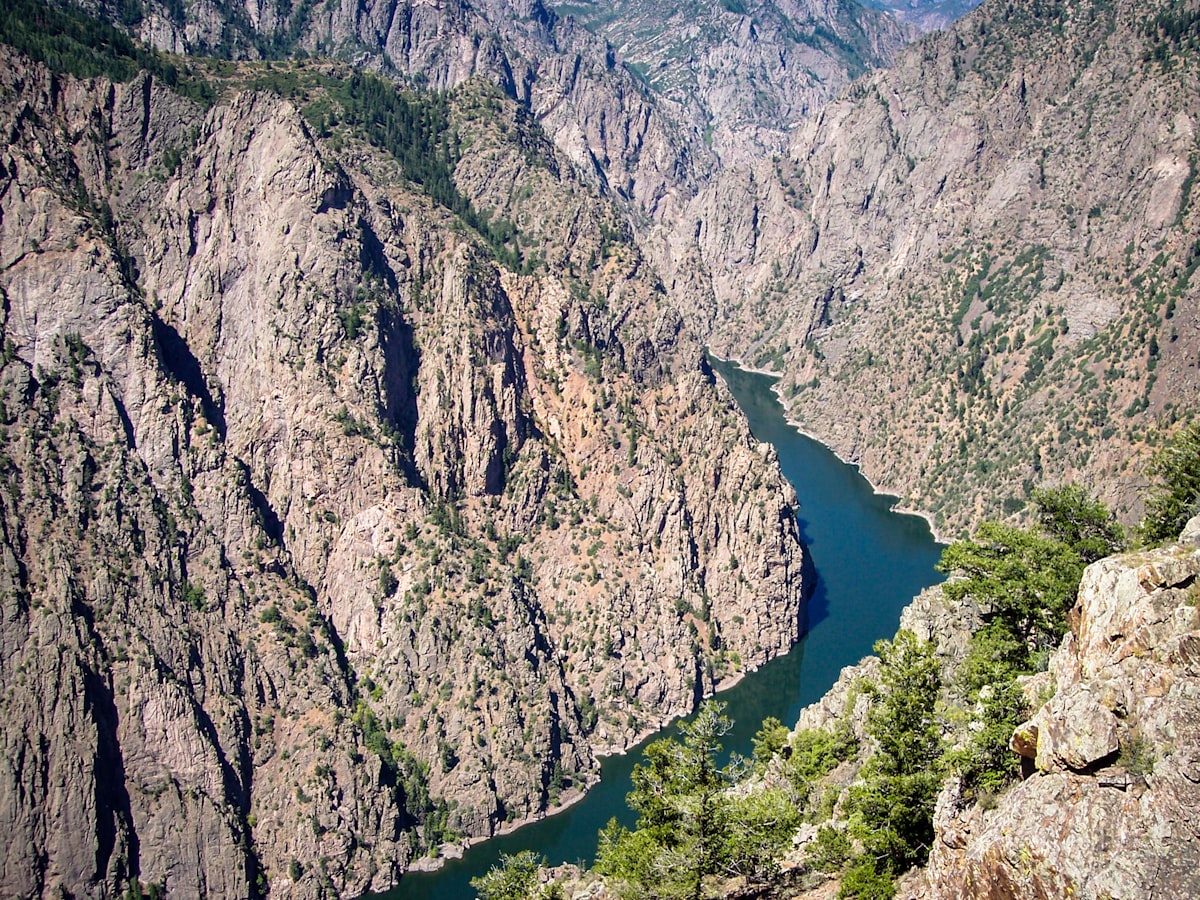

Gunnison sits in a wide valley at 7,700 feet in southwestern Colorado, where the Taylor River and East River converge to form the Gunnison River at Almont. From there, the Gunnison flows west through Blue Mesa Reservoir, the largest body of water in Colorado, and then plunges into the Black Canyon before emerging into the Gunnison Gorge.
The fishing follows the river system, and each section has its own character: a world-class tailwater, a productive freestone, a massive reservoir, and a remote gorge that requires a hike to access. Combined, they make Gunnison one of the most diverse trout-and-kokanee destinations in the West.
The Taylor River Tailwater
The Taylor River below Taylor Park Dam is where the trophy fishing lives. The cold, stable flows from the dam create a tailwater that holds some of the largest trout in Colorado, rainbow and brown trout in the 16- to 24-inch range, with fish over 26 inches caught every season.
The section immediately below the dam, the first mile or so, is the most productive and the most technical. The water is clear, the fish are pressured, and you're fishing small nymphs and midges on fine tippet to visible trout holding in the current. It's technical enough to humble experienced anglers on the wrong day, and rewarding enough to bring them back.
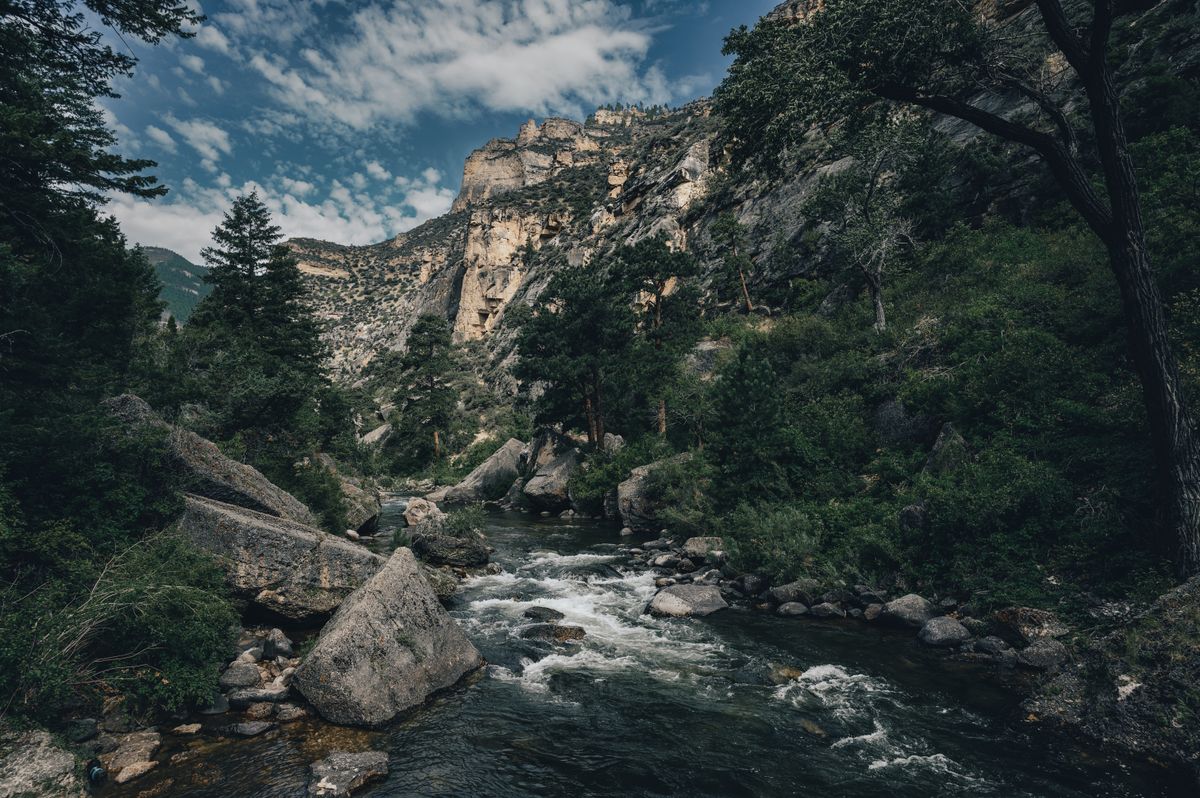
Further downstream, the Taylor transitions from tailwater to freestone character as tributaries add flow. The fish get smaller but more willing, and the dry-fly fishing picks up through the summer months. The Taylor Canyon section is scenic pocket water, boulders, plunge pools, and short runs that hold rainbow, brown, and brook trout.
The Upper Gunnison, Almont to Blue Mesa
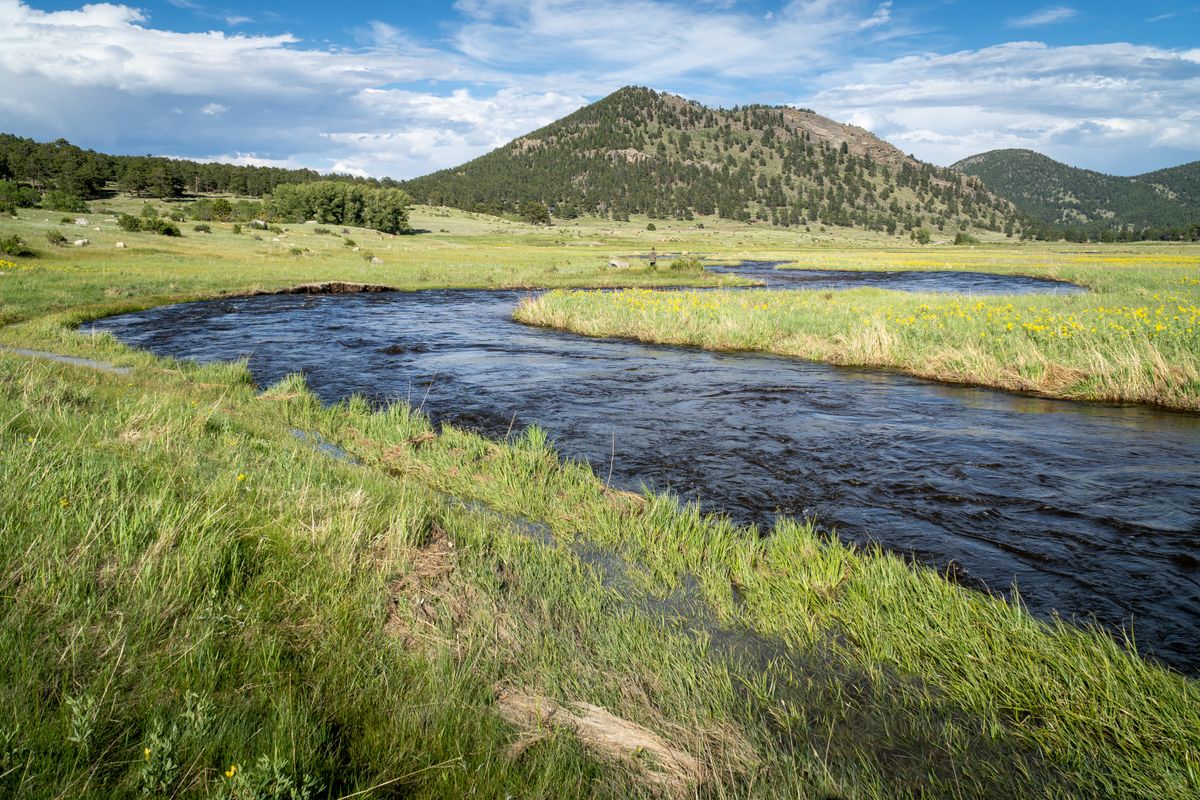
At Almont, the Taylor meets the East River to form the Gunnison, and the upper Gunnison flows nearly 20 miles before entering Blue Mesa Reservoir. This is classic freestone water, riffles, runs, deep pools, and pocketwater with rainbow and brown trout averaging 9 to 17 inches, with the occasional 20-inch fish mixed in.
The upper Gunnison is less technical than the Taylor tailwater and more forgiving of imperfect presentations. Dry-dropper rigs, hopper patterns in late summer, and nymph rigs through the deeper runs all produce consistently. Wade fishing works well in most sections, and float trips cover more water.
The East River near Crested Butte adds another dimension, smaller water, wild brook and brown trout, and a more intimate mountain-stream feel. It's a great half-day option when you want variety.
Blue Mesa Reservoir, Kokanee and Lake Trout
Blue Mesa Reservoir is a massive impoundment, 20 miles long and covering 9,000 surface acres. It's the largest body of water in Colorado and holds a fishery that's completely different from the rivers.
Kokanee salmon are the star of Blue Mesa. These landlocked sockeye salmon run three to five pounds and are caught by trolling cowbells and flashers with small lures or bait at depth. The kokanee fishing peaks in late summer (August and September), and when you find a school, limits come quickly. In fall, the kokanee turn red and push up into the tributaries to spawn, creating the same upriver drama that defines wild Pacific salmon, in miniature.
Lake trout (mackinaw) hold in the deeper water and grow large, fish over 20 pounds are caught on Blue Mesa. They respond to trolling and jigging in 80 to 120 feet of water during summer, and they move shallower in spring and fall when water temperatures drop.
Rainbow and brown trout round out the reservoir menu, often caught along the shoreline and near creek inlets.
The Gunnison Gorge
Below the Black Canyon of the Gunnison National Park, the river enters the Gunnison Gorge National Conservation Area, a remote, wild stretch of river accessible only by a steep hike or raft trip. This is Gold Medal water, and the isolation keeps pressure low.
The Gorge holds big rainbow and brown trout in powerful freestone water, deep runs, long riffles, and boulder gardens that hold fish in every seam. Guide trips here are typically full-day float trips, and the scenery is some of the most dramatic in Colorado, the remnants of the Black Canyon walls towering above as the river opens into the gorge.
The Gorge fishes best from mid-May through October once spring runoff clears. Stonefly, hopper, and caddis patterns produce well, and the fish are less educated than the Taylor tailwater trout because fewer anglers make the effort to access the water.
When to Go
- March–April: Taylor tailwater midge fishing, early-season nymphing on the upper Gunnison
- June–July: Runoff clears, stonefly hatches on the Gorge, the rivers come into prime form
- August–September: Peak season, dry-fly fishing everywhere, kokanee on Blue Mesa, hopper season
- October: Fall brown trout spawn on the Taylor and upper Gunnison, kokanee spawning run, the trophy window