Fish
Fish Fire
Fire Hike
Hike Bird
Bird

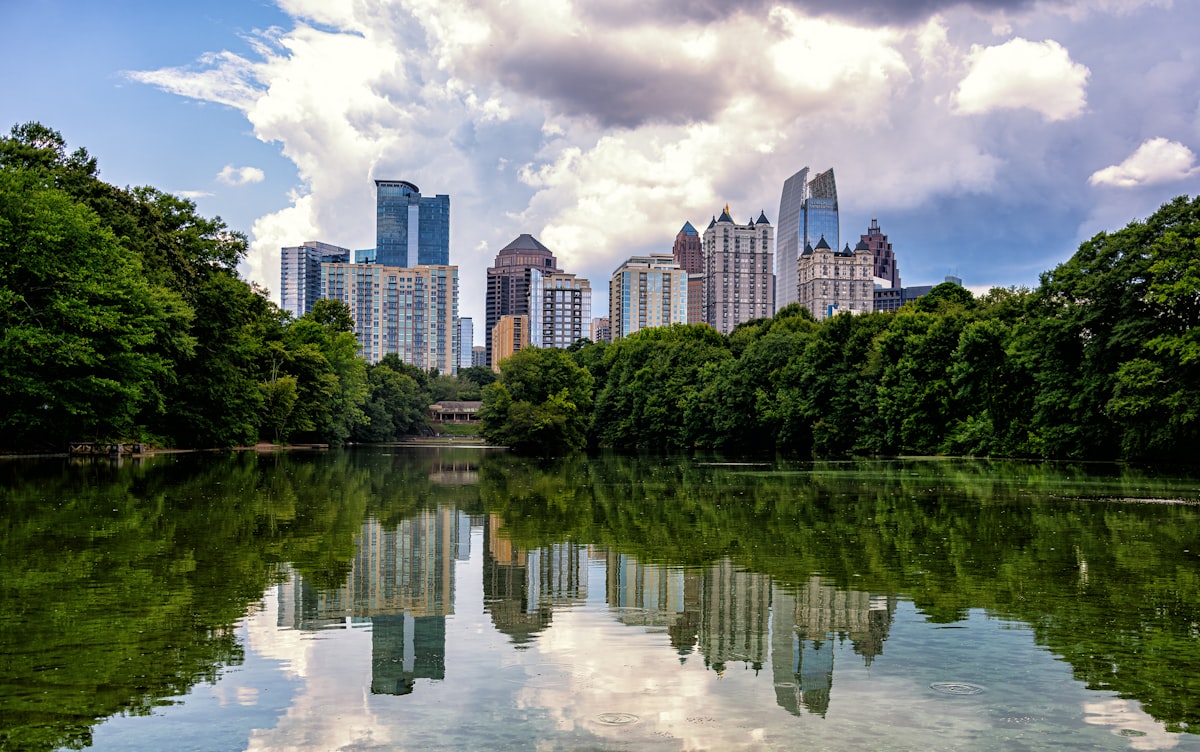
Atlanta is the last city most people would associate with trout fishing. It is the capital of the New South, a sprawling metro of 6 million people, famous for traffic, heat, and Waffle Houses. But the Chattahoochee River, "the Hooch", flows through the northern edge of the metro with 48 miles of designated trout water, fed by cold releases from the bottom of Lake Lanier. Rainbow trout, brown trout, and the rare shoal bass (a species found almost nowhere else on earth) all swim within a 20-minute drive of downtown, in a river corridor managed by the National Park Service.
This is not marginal stocked-pond trout fishing. The Chattahoochee is a legitimate tailwater fishery that produces wild brown trout, strong rainbows, and consistent fly-fishing action year-round. Atlanta's fly-fishing culture is real, multiple guide services, an active fly-fishing club, and delayed-harvest sections where 20- to 30-fish days are not unusual.
The Chattahoochee River: Tailwater Trout
The cold, oxygen-rich water released from the bottom of Buford Dam on Lake Lanier creates an artificial trout environment in a river that would otherwise be too warm. The Chattahoochee's trout water begins immediately below the dam and extends downstream through the Chattahoochee River National Recreation Area, a string of protected parks with walk-on access along both banks.
Where on the Chattahoochee
Buford Dam / Bowmans Island: The coldest water and the best brown trout habitat. Just below the dam, the water stays in the 50s year-round. Walk-on from Bowmans Island unit of the National Recreation Area. Fly fishing and spinning gear. Rainbow and brown trout.
Jones Bridge / Island Ford: Mid-river sections with good wading access. The river widens and creates riffles, pools, and runs, classic trout habitat. Walk-on from Jones Bridge Park and Island Ford. Popular with fly anglers.
Paces Mill / Cochran Shoals (Delayed Harvest): The in-town section closest to downtown Atlanta. This stretch is designated Delayed Harvest from November 1 through May 14, catch-and-release only for trout during this period, with heavy stocking that produces 20- to 30-fish days. Walk-on from Paces Mill and Cochran Shoals parking areas.
Medlock Bridge / Abbotts Bridge: Accessible sections with park access. Mix of trout and warmwater species. Walk-on from the parks.
Chattahoochee Trout Techniques
Fly fishing: A 9-foot 5-weight fly rod with floating line. Nymphing is the bread-and-butter technique, small nymphs (Zebra Midge size 16-22, Pheasant Tail size 14-18, soft hackles) drifted through the runs and pools under an indicator. Dry flies work during hatches, Blue-Winged Olives are the signature hatch on the Hooch. Streamers (Woolly Buggers, sculpin patterns) stripped through the deeper pools for bigger fish.
Spinning gear: Small spinners (Panther Martin 1/16-ounce, gold), Berkley PowerBait on a bottom rig at Paces Mill during the delayed harvest season, or small crankbaits (Rapala Countdown CD3). The delayed harvest section is the most accessible for spinning gear, the stocked rainbows hit almost anything.
Brown trout: Focus on the upper sections near Buford Dam. Browns are wilder, more selective, and prefer the coldest water. Nymphs and streamers worked through the deeper pools and undercut banks. Early morning and evening.
Trout Fishing Atlanta's Chattahoochee River Fly Fishing the Chattahoochee TailwaterShoal Bass and Warmwater Species
Below the trout water, as the Chattahoochee warms, the species mix shifts to shoal bass, spotted bass, largemouth bass, striped bass, and carp. Shoal bass are a prized regional endemic species found only in the Apalachicola River basin, fast-water bass that look like smallmouth but fight harder. They hold in the rocky shoals and rapids of the middle Chattahoochee.
Where for Shoal Bass
The shoals below the trout sections, from Roswell downstream, hold shoal bass in the faster, rocky water. Walk-on from National Recreation Area access points. Wade the shoals and cast small crankbaits, tubes, or flies to the current seams.
Carp on the Fly
The Chattahoochee has a growing carp-on-the-fly culture. Large common carp (10 to 30 pounds) cruise the shallow flats and slower sections. Sight-fish with a 6- or 7-weight fly rod and small nymph patterns. The clear water allows spotting fish at distance.
Chattahoochee River Bass Fishing Near Atlanta, GAPiedmont Park: Lake Clara Meer
Lake Clara Meer is an 11.5-acre man-made lake in the heart of Piedmont Park, Atlanta's equivalent of Central Park. The lake holds largemouth bass, channel catfish, bluegill, and carp. Swimming and boating are prohibited, making it a dedicated fishing pond. Walk-on from Piedmont Park in Midtown Atlanta.
How to fish it: Senko worms and small soft plastics for bass along the shoreline structure. Nightcrawlers on a bottom rig for catfish. Small hooks and worms under a bobber for bluegill. This is the most accessible fishing in Atlanta, walk from the Midtown MARTA station.
Piedmont Park Fishing, Lake Clara MeerOther Urban Fishing Spots
Lake Echo (East Atlanta): A small lake with bass, catfish, and panfish. Walk-on from the park. Less crowded than Piedmont Park.
George Sparks Reservoir (West Atlanta): 215 acres, 19 miles from downtown. Largemouth bass, crappie, and catfish. Walk-on with shoreline access.
Fishing Licence and Regulations
Georgia fishing licence: Required for anyone 16+. Resident annual $15. Nonresident annual $50. One-day resident $3.50, nonresident $10.
Trout licence: Required in addition to the fishing licence for trout fishing on the Chattahoochee. Resident annual $10. One-day $5.
Delayed harvest (Paces Mill): Catch-and-release only for trout November 1 through May 14. Artificial lures only during delayed harvest. After May 14, standard regulations apply (8 trout per day, no minimum size on stocked waters).
Shoal bass: Part of the black bass daily limit. Minimum 12 inches. Conservation-priority species, release encouraged.
When to Fish
November-May (Delayed Harvest): The best trout fishing on the Hooch. Paces Mill and Cochran Shoals are catch-and-release only with heavy stocking. 20- to 30-fish days on nymphs and PowerBait. Cooler weather, lower crowds.
March-May (Spring): Shoal bass become active in the rapids. Bass spawn in Piedmont Park. Excellent weather for all-day fishing.
June-August (Summer): The upper Chattahoochee stays cold from dam releases, trout fishing is year-round. Lower sections too warm for trout but good for bass and carp. Atlanta heat: fish early or late.
September-November (Fall): Transition back to delayed harvest. Brown trout feed aggressively before winter. Comfortable temperatures.
Practical Details
Getting there: The Chattahoochee National Recreation Area has multiple access points with free parking along the river from Buford Dam south to Paces Mill. Piedmont Park is walkable from the Midtown MARTA station. MARTA doesn't reach most river access points, a car is needed for the Hooch.
Gear that travels: A 5-weight fly rod covers trout, shoal bass, and carp on the Chattahoochee. A 6'6" spinning rod covers Piedmont Park bass, catfish, and the delayed harvest section. Wading boots for the river, the rocky bottom is slippery.
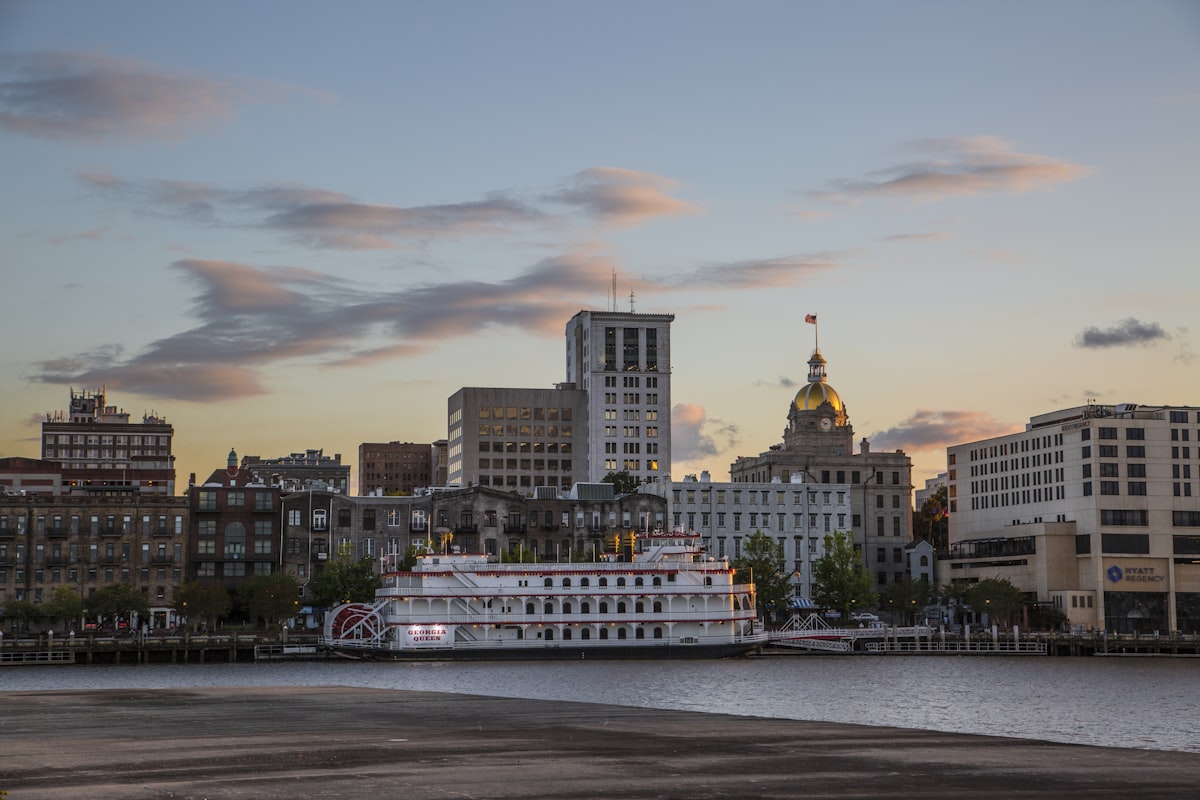
For Southeast urban fishing beyond Atlanta, see urban fishing in Charlotte (Catawba River blue catfish), urban fishing in Memphis (Mississippi River catfishing), or urban fishing in Washington DC (Potomac snakeheads). For Georgia's coast, read our Savannah fishing guide.
Tackle shops: The Fish Hawk (Buckhead, Atlanta's fly shop, Chattahoochee trout expert), Orvis (Buckhead), Bass Pro Shops (Lawrenceville, northeast metro).
Trout Fishing the Chattahoochee River at Buford Dam Park