Fish
Fish Fire
Fire Hike
Hike Bird
Bird

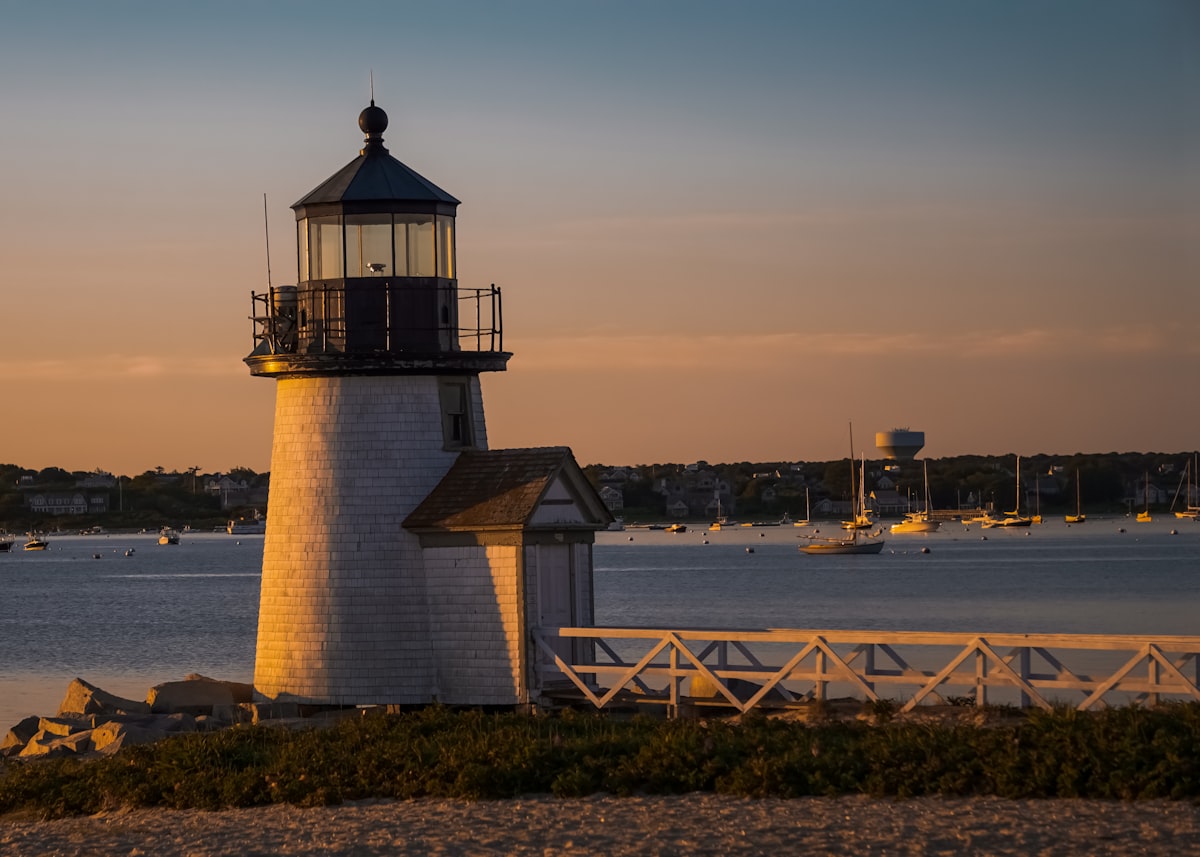

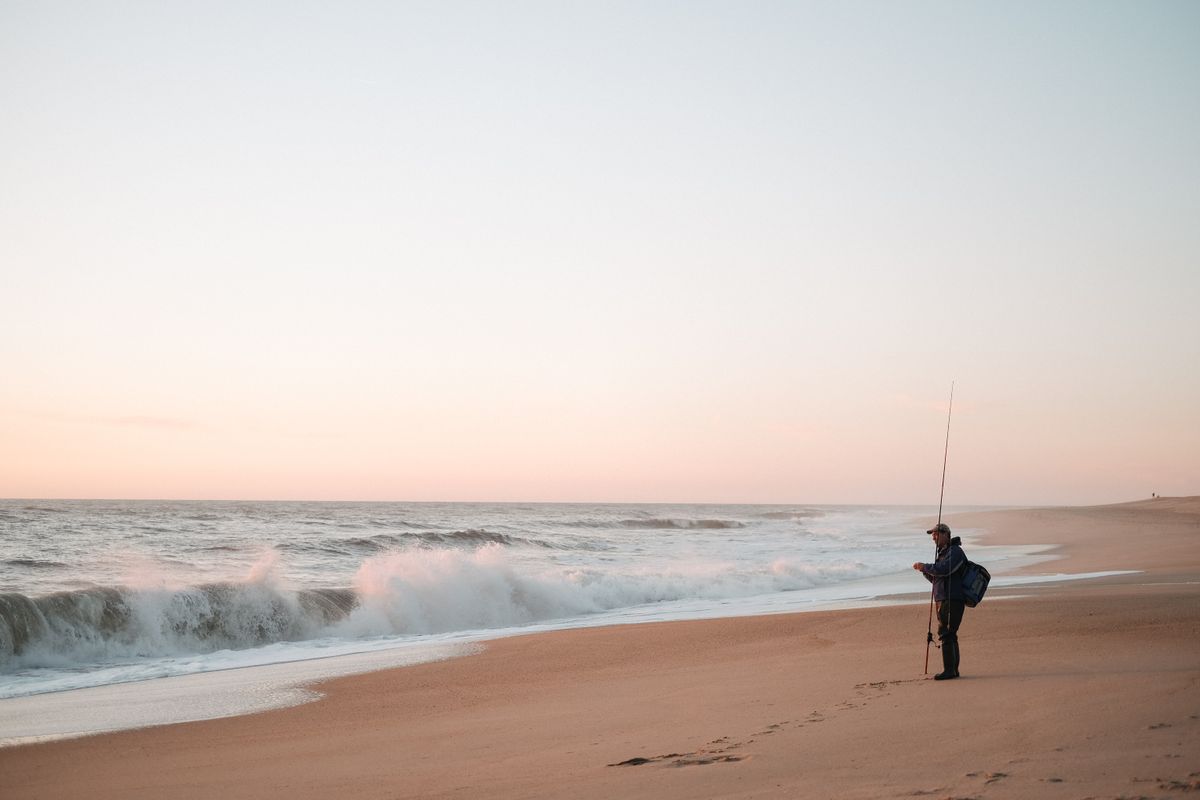
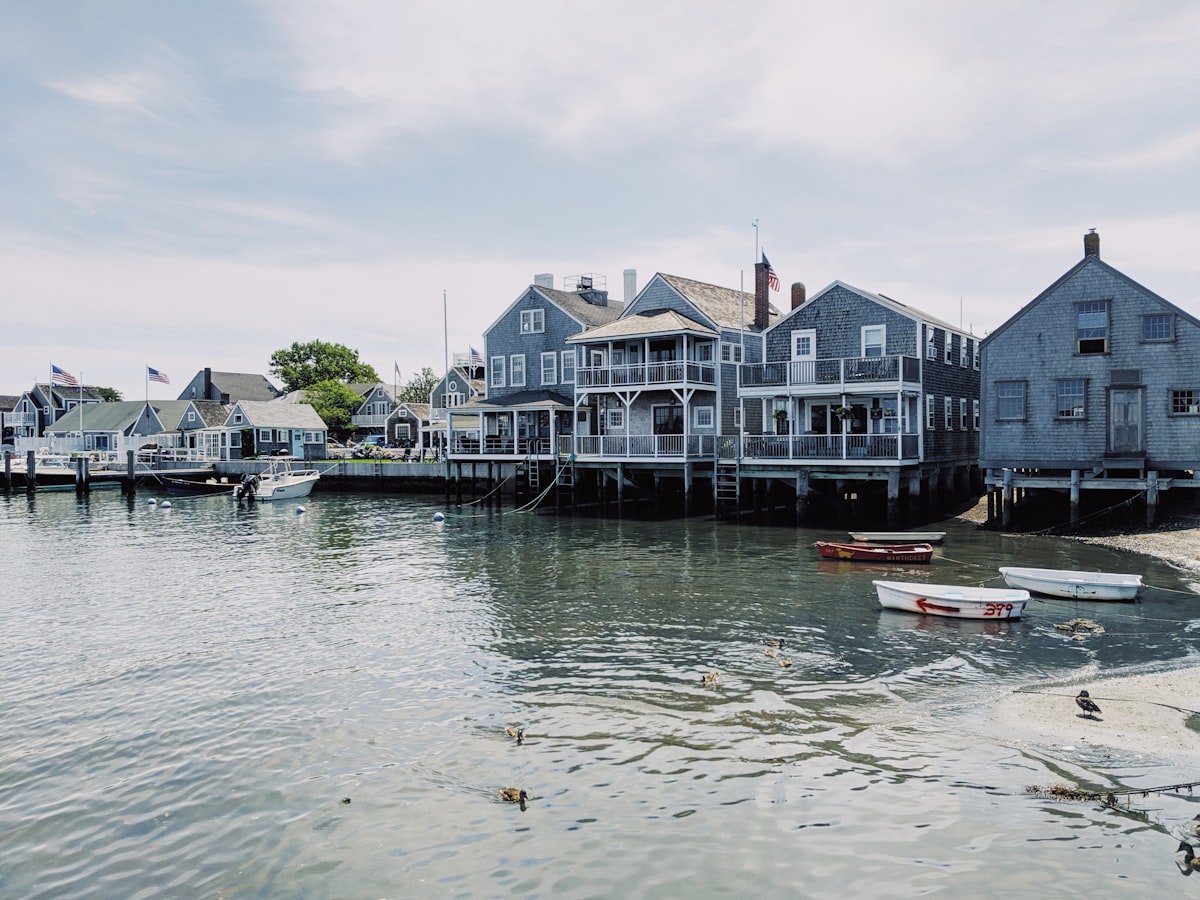
Nantucket is a 14-mile-long crescent of sand sitting 30 miles off the Massachusetts coast, surrounded by some of the most productive striper water in the Northeast. The island is ringed by beaches, sandy south shore, rocky north shore, the long sand spit of Great Point reaching into Nantucket Sound. Every one of those beaches holds fish. Striped bass arrive in May and stay through November. Bluefish run the beaches in summer. And in September and October, false albacore and bonito pour through the rips and shoals, turning the island into one of the great light-tackle destinations in the country.
The "Nantucket Grand Slam", striped bass, bluefish, false albacore, and bonito, all in one day from the beach, is a real thing that surf casters chase every fall. It is not easy, but on the right day in late September with the right tide and the right wind, it happens.
If you have fished Cape Cod or Montauk, Nantucket is the next level, fewer anglers, more beach, and the false albacore fishing is among the best anywhere. The trade-off is getting there (ferry or plane) and the cost of being on an island. But for serious surf casters, Nantucket is a pilgrimage.
Striped Bass: May Through November
Stripers are the foundation of Nantucket fishing. They arrive in mid-May as the water warms past 50 degrees and build through June. By July, every beach on the island holds fish. The fall run (September through November) brings the largest fish and the most aggressive feeding as stripers pack on weight before migrating south.
Where to Find Them
Great Point (Coskata-Coatue Wildlife Refuge): The premier striper spot on Nantucket. A long sand spit extending north into Nantucket Sound with rip currents, deep troughs, and sandbars that concentrate baitfish. The point itself, where the Atlantic meets the Sound, produces stripers on nearly every tide. Requires a Trustees oversand vehicle permit to drive out (or a very long walk). The effort is worth it.
Surfside Beach: The south shore's most popular fishing beach. Deep water between shore and the outer sandbar creates a natural trough where stripers cruise. Best at dawn and dusk. Walk-in access with a short drive from town.
Smith's Point (Madaket): The western tip of the island where currents from Madaket Harbor and the open Atlantic converge. Rip currents form along the point that hold baitfish and attract stripers, bluefish, and false albacore. Requires a town oversand permit to drive.
Eel Point: North shore, west of town. Rocky bottom transitions to sand, creating diverse structure. Less pressured than Great Point. Walk-in or bike from town.
Cisco Beach / Miacomet: South shore beaches between Surfside and Madaket. Long stretches of fishable surf with fewer anglers. Parking permits required in summer.
The Jetties (Jetties Beach): The harbor entrance jetties on the north side. Quick walk from town, good for mackerel, small stripers, and bluefish. Not the serious surf fishing, more of a casual walk-on option.
Striper Techniques
Surf casting plugs: The classic Nantucket method. A 10- to 11-foot surf rod, 5000- to 6000-size reel, 30-pound braid, 40-pound fluorocarbon leader. Cast Daiwa SP Minnows, Bombers, or Super Strike Darters into the wash and along the bars. At night, dark-colored Sluggo soft plastics (9-inch, black or purple) on a weighted swimbait hook, slow-retrieved through the troughs.
Bait fishing: Fresh or salted clams on a fish-finder rig with a 3- to 5-ounce pyramid sinker and 6/0 circle hook. Cast beyond the bar and let it sit. Chunk mackerel or menhaden works when blitzing baitfish are present. Live eels at night are the trophy striper technique, a 6- to 8-inch eel on a 5/0 circle hook, cast to structure and slow-retrieved.
Fly fishing: A 9- or 10-weight rod with an intermediate sinking line. Clouser Minnows (chartreuse/white), Deceiver patterns, and sand eel imitations (Surf Candy, Flatwing). Wade into the wash at first light and cast to breaking fish or blind-cast along the bars. Nantucket's clear water and flat sand bottom make it excellent fly-fishing territory.
Surf Fishing Grand Slam, Nantucket, MA Surfcasting Nantucket with Tammy KingFalse Albacore and Bonito: The Fall Rush
False albacore (albies) and Atlantic bonito arrive in late August and peak in September and October. These are the fish that turn casual anglers into obsessives. False albacore are small (4 to 12 pounds) but impossibly fast, they will rip 100 yards of line off your reel in seconds, change direction three times, and do it all again. Bonito are similar in size and speed, with a more round body profile and vertical stripes.
Both species chase small baitfish, bay anchovies, silversides, sand eels, and juvenile herring, through the rips and along the beaches. When they are feeding, you will see them: explosive surface blitzes, baitfish showering out of the water, birds diving. The challenge is getting close enough to cast, using a small enough lure, and retrieving it fast enough to fool fish that can swim 40 mph.
Where to Find Albies and Bonito
Great Point rips: The convergence of currents at the tip of Great Point is the #1 spot for false albacore on Nantucket. Fish stack up in the rips chasing baitfish. Wade out to knee-depth and cast into the rips.
Smith's Point (Madaket): The western rips hold albies when the current is running. The water color changes where the currents meet, fish the edge.
Eel Point and north shore: Albies cruise the north shore following baitfish schools. Mobile fishing, drive or bike the beach, watch for blitzes, cast when you see them.
Albie and Bonito Techniques
Metals and epoxy jigs: Hogy Epoxy Jig (1 oz, silver or green), Deadly Dick, or Maria jigs in 3/4 to 1-ounce sizes. Cast into or ahead of feeding fish and reel as fast as you can. Seriously, you cannot reel too fast for false albacore. They eat at speed.
Soft plastics: Albie Snax, Hogy Skinny in olive or white, or small Zoom Flukes on a 1/2-ounce jighead. Match the size of the baitfish (usually 2 to 3 inches). Fast retrieve.
Fly fishing: A 9- or 10-weight rod with a fast-sinking line. Small Clouser Minnows (size 2-4), Surf Candy, or EP Baitfish in silverside or anchovy patterns. The key is getting the fly in front of moving fish and stripping fast. False albacore on a fly rod is one of the great experiences in saltwater fishing.
Surf Fishing for Striped Bass and False Albacore, NantucketBluefish: Summer Violence
Bluefish arrive in June and stay through October. They range from 2-pound "snappers" to 12-pound "gorillas" that attack anything that moves. The same beaches that hold stripers hold bluefish, and when blues are blitzing on the surface, every cast gets hit.
Technique: Wire leader mandatory. Metal lures (Kastmaster, Hopkins) in 1 to 2-ounce sizes, retrieved fast. Topwater poppers when they are busting on the surface. Cut bait (chunk mackerel) on the bottom for the lazier approach.
The Nantucket Grand Slam
Striped bass + bluefish + false albacore + bonito, all caught from the beach in a single day. It requires:
- Late September or early October timing
- All four species present on the island simultaneously
- Mobility, you may need to fish three different beaches
- The right conditions: moderate wind, moving tide, bait in the water
- Speed, albies and bonito feed in short bursts, and you need to be ready
Most anglers who fish Nantucket seriously have completed the slam at least once. It is the island's unofficial achievement.
Surfcasting Slam, Bass, Blue, False AlbacoreBeach Access and Driving Permits
Nantucket has a two-permit system for beach driving, and driving is essential for reaching the best fishing spots.
Town of Nantucket Oversand Permit: Covers Smith's Point (Madaket), Eel Point, Surfside, and several other beaches. Available online or at the Public Safety Facility, 4 Fairgrounds Road. Cost varies by season (approximately $150-200 for nonresidents).
Trustees Oversand Permit (Great Point): Covers the Coskata-Coatue Wildlife Refuge and Great Point, the most important fishing access on the island. Available online through The Trustees of Reservations or at the Wauwinet gatehouse. Approximately $200 for nonresidents. Vehicle must pass a safety inspection (tire pressure, tow strap, shovel, jack, etc.).
Both permits are required if you want to fish both Great Point and the south/west shore beaches. Budget for this, it is a significant cost but non-negotiable for serious fishing.
Walk-in access: Surfside Beach, Jetties Beach, and parts of Cisco are accessible on foot from town. You can fish Nantucket without a vehicle, but your range is limited.
Tire pressure: Air down to 15-18 PSI before driving on sand. There are air stations at the access points. Getting stuck in the sand is common for first-timers, carry a tow strap and know how to use it.
Fishing License and Regulations
Massachusetts requires a recreational saltwater fishing permit for anyone 16 and older.
| License Type | Cost |
|---|---|
| Resident annual | Free (register online) |
| Nonresident annual | $30 |
Striped bass: Slot limit of 28 to 31 inches, 1 fish per day. All fish outside the slot must be released. Circle hooks required when using natural bait. These regulations change, check the Mass DMF website before your trip.
Bluefish: 3 fish per day, no size minimum.
False albacore and bonito: No size or bag limits (as of 2026). Catch and release is strongly encouraged, albies are not great eating and are too valuable as gamefish to kill.
When to Come
May-June: Early stripers. Schoolies in the harbors and along the beaches. Fewer crowds, cold water, variable weather.
July-August: Peak summer. Stripers everywhere, bluefish arrive, mackerel in the harbors. Tourist season, the island is busy and expensive.
September-October: The main event. False albacore and bonito arrive. The fall striper run brings the biggest fish. Grand Slam attempts. Fewer tourists, cooler nights, spectacular light. This is when serious anglers visit Nantucket.
November: Late-season stripers. The last fish before the island goes quiet for winter. Cold, windy, and you may have the beach to yourself.
Practical Details
Getting there: Fast ferry from Hyannis (Hy-Line Cruises or Steamship Authority, 1-2 hours). Flights from Boston, New York, and regional airports via Cape Air and JetBlue. Bring your vehicle on the Steamship Authority ferry if you plan to fish (car reservation required, book weeks ahead in summer). Alternatively, rent a 4WD on the island.
4WD is essential. A Jeep Wrangler or similar 4WD with high clearance is needed for beach driving. Several rental companies on the island specialize in these. Book early for fall fishing season.
What to bring: Multiple rods (you will want a surf rod for stripers AND a lighter rod for albies). Waders for spring and fall. Sand spikes for bait fishing. A cooler. Tackle for multiple species, the beauty of Nantucket is that you may encounter stripers, blues, albies, and bonito in the same session, and each requires different lures.
Where to stay: Nantucket lodging ranges from modest guest houses to luxury hotels. Fall rates are lower than summer peak season but still expensive by mainland standards. Several rental homes near Surfside and Madaket put you within walking distance of fishable beach.
Tackle shops: Bill Fisher Tackle on Main Street is the island institution, daily fishing reports, local knowledge, and everything you need for Nantucket fishing. Cross Rip Outfitters for fly fishing gear and guided trips.
#OutHere: Nantucket Stripers