Fish
Fish Fire
Fire Hike
Hike Bird
Bird

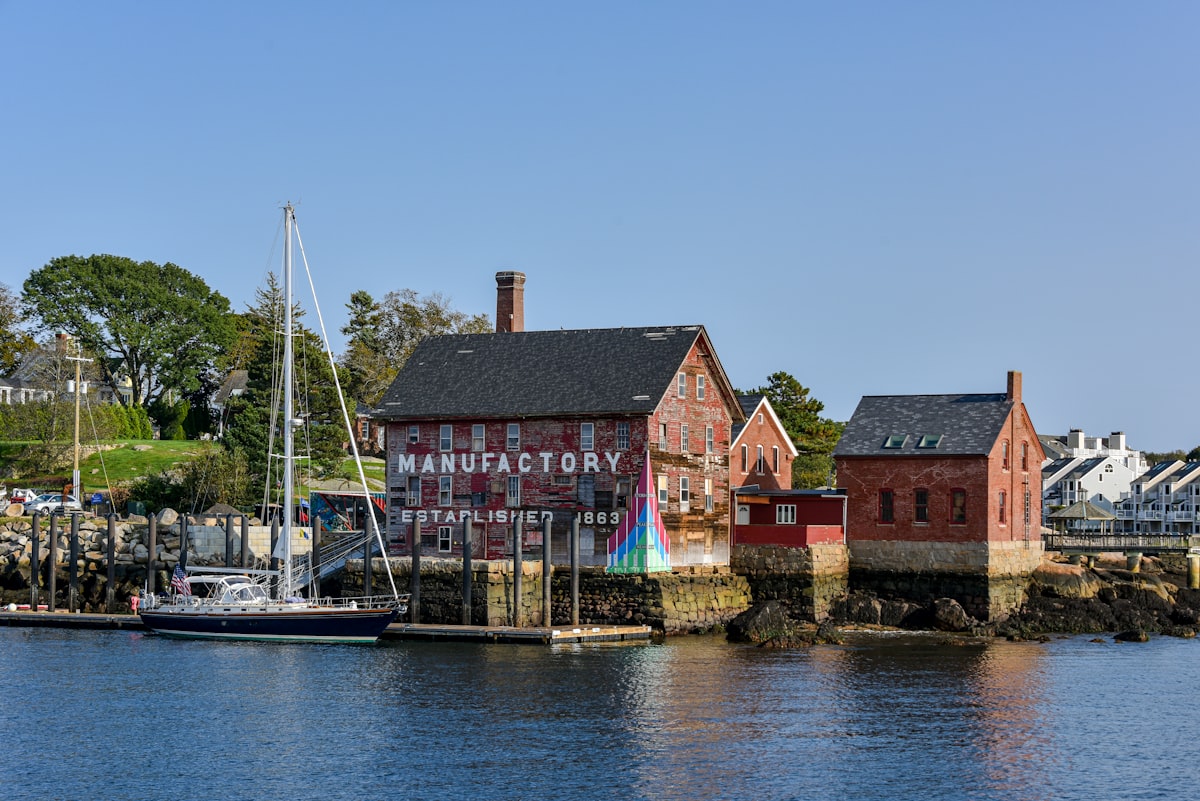

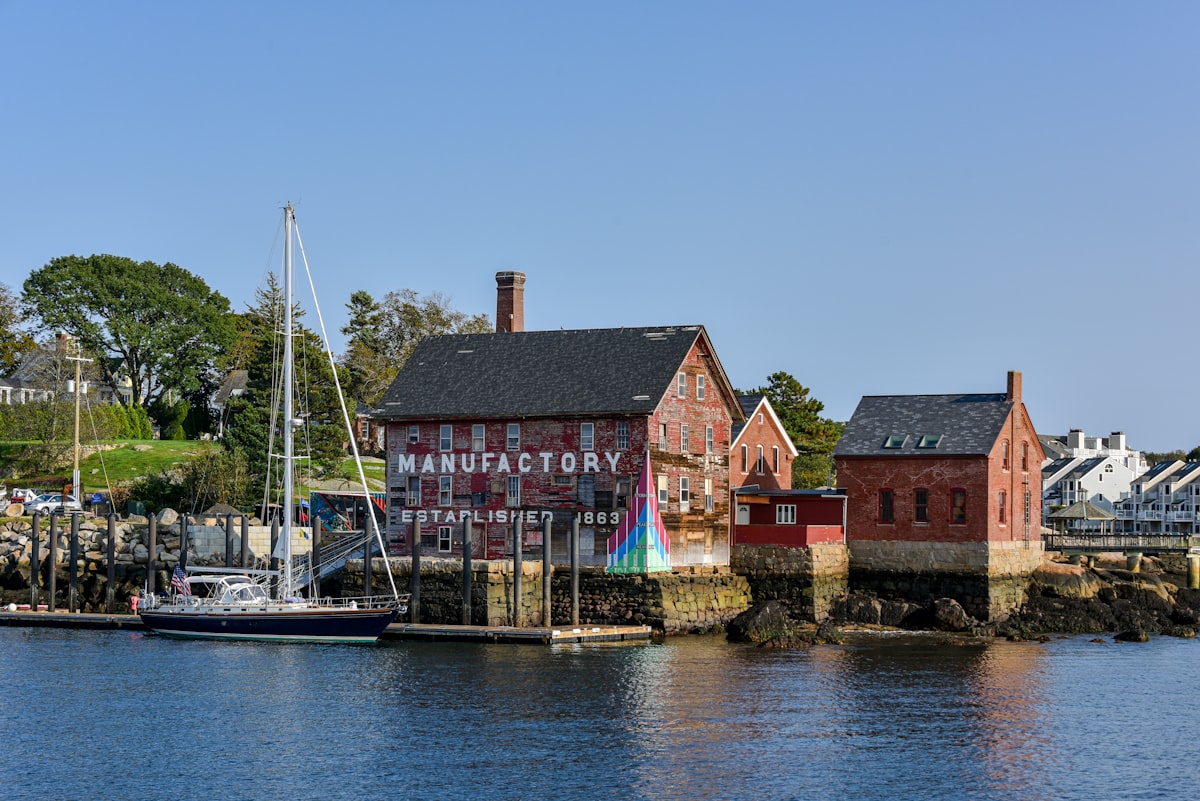
Gloucester, on Cape Ann north of Boston, is America's oldest fishing port, a working harbor with four centuries of commercial fishing history and the home port of the boats you've seen on "Wicked Tuna." For the recreational angler, it's a town with three very different fisheries stacked on top of each other: striped bass along the rocky Cape Ann shoreline, giant bluefin tuna on the offshore banks, and cod and haddock over the bottom. That range means there's something here for a first-timer and a hardcore offshore angler alike. This guide breaks down each.
For the bigger picture, the species, the offshore grounds, and the charter fleet, read our complete Gloucester fishing guide.
First: The Massachusetts Permit
Anyone 16 or older needs a Massachusetts recreational saltwater fishing permit to fish here. Buy it online from the Massachusetts Division of Marine Fisheries (it's an inexpensive annual; anglers 60+ get it free but still must register). If you fish from a for-hire charter that holds the proper permit, you're covered. Striped bass have a strict slot limit (one fish per day within a set length range, currently around 28 to 31 inches) and circle hooks are required when using bait for stripers in Massachusetts. Bluefin tuna are federally managed with strict size and per-boat limits and require the boat to have an HMS permit, which is another reason recreational tuna fishing here is almost always done on a charter. Cod and haddock have their own size and season rules that change frequently, so check the current regulations (or rely on your captain) before keeping anything.
Striped Bass: The Inshore Staple
Striped bass are the accessible, do-it-yourself fishery at Gloucester. They arrive in early June and feed along Cape Ann through the summer, holding around the rocky points, the harbor, the Annisquam River, and the back shore. There are two ways to get on them.
From a boat, the deadly local method is live-lining a live mackerel, you catch mackerel on a sabiki rig first (they're abundant off Cape Ann in early summer), then drift a live one on a circle hook near the rocks and rips where stripers ambush bait. Trolling tube-and-worm rigs and casting soft plastics and swimbaits to the structure also produce.
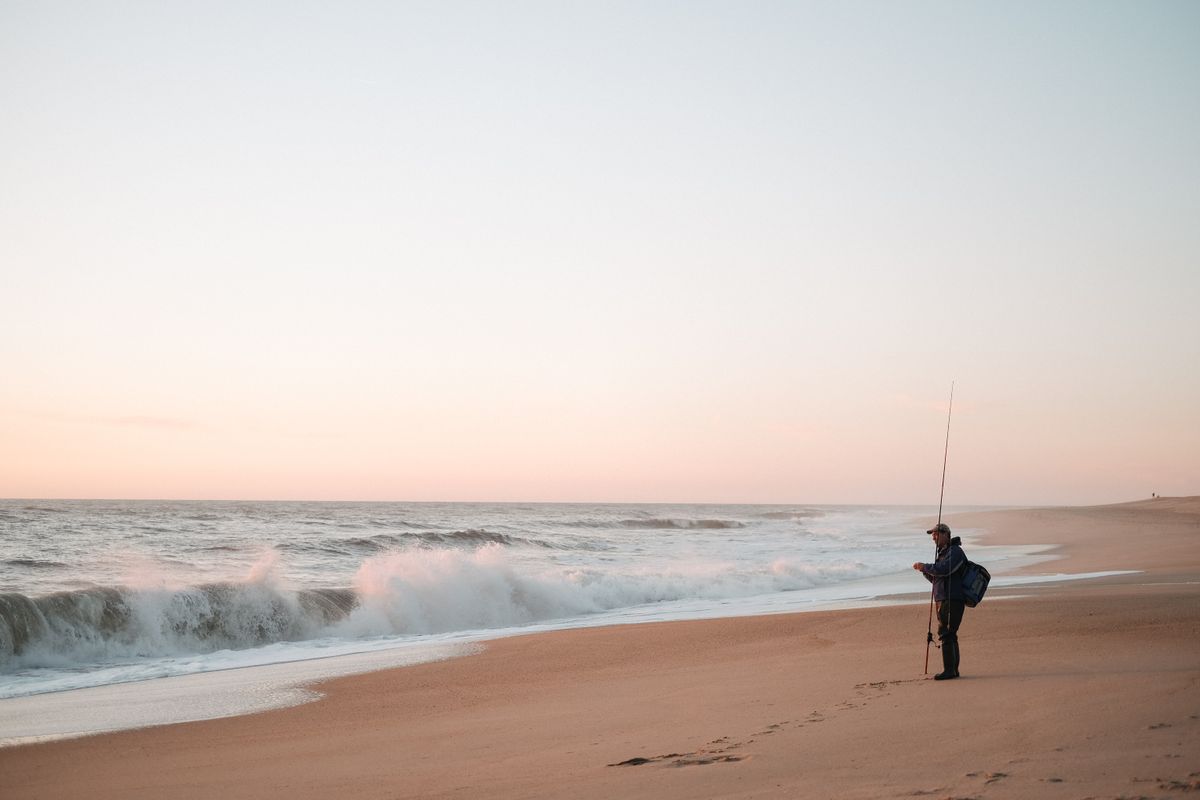
From shore, Cape Ann is classic New England surfcasting country, the rocky points and ledges (around the back shore, Halibut Point, and the harbor mouth) hold stripers, especially at dawn, dusk, and night around moving tides. Throw a Daiwa SP Minnow, a Super Strike Needlefish, or a bucktail into the white water and current seams, or fish a live eel after dark for the bigger fish. Watch your footing on the slick rocks.
Surfcasting for Striped Bass on a New England PointBluefin Tuna: The Marquee Big-Game
Gloucester is one of the world's great bluefin tuna ports, with the rich feeding grounds of Stellwagen Bank and Jeffreys Ledge within range, and these are giants, fish that can top several hundred pounds. The season runs roughly June through November, peaking in summer. This is serious big-game fishing on heavy gear, and for a first-timer it is strictly a charter endeavor: the boats carry the HMS permits, the heavy stand-up tackle, and the experience to fight and handle a fish that can pull a boat.
The methods are chunking (anchoring or drifting and ladling cut bait to bring tuna to baited hooks), jigging (dropping heavy vertical jigs to marked fish), and trolling (pulling spreader bars and lures to cover water). Your job on a tuna charter is to listen to the mate, get in the fighting chair or the rail harness when a rod goes off, and grind, a bluefin fight can last a long time. It's bucket-list fishing, and watching a giant come boatside is unforgettable.
Cod and Haddock: Bottom Fishing the Banks
The fishery that built Gloucester, groundfish, is still here, and it's the most beginner- and family-friendly offshore option. Party boats and charters run out to the same banks (Stellwagen, Jeffreys, and the closer ledges) and bottom-fish for cod and haddock, dropping baited rigs and jigs to the bottom in 100 to 300 feet of water. The technique is simple: a high-low rig baited with clams or a baited diamond jig (an AVA diamond jig tipped with a teaser), dropped to the bottom, reeled up a couple of cranks, and worked with a slow lift. When you feel the weight, reel steadily. It's reliable, productive, and the catch, cod and haddock, is some of the best eating in the ocean. Bag and season rules for cod and haddock change often, so the captain will tell you what's keepable.
Surfcasting Slam, Striped Bass, Bluefish, False AlbacoreBluefish, Sharks, and More
Through the summer, bluefish blitz the same inshore water as the stripers, toothy, hard-fighting, and a blast on a popper or a metal (use a wire or heavy leader). Offshore, the warmer months bring sharks (blue, mako, porbeagle) to the banks, a dedicated big-game charter pursuit. And flounder and the occasional halibut round out the bottom mix. For a first-timer, the bluefish are the easy bonus, when they're around, they hit almost anything thrown into a blitz.
Shore and Harbor Options
You don't need a boat to fish Gloucester. The Cape Ann rocks and back shore are prime striper surfcasting, the harbor and the Annisquam River hold stripers and mackerel within reach of the bank, and the mackerel themselves are easy, fun fishing off the piers on a sabiki rig (and great striper bait). For a beginner or a family, catching a bucket of mackerel off a Gloucester pier is a perfect, low-cost way to start.
Reading the Inshore Water and the Tides
Like everywhere in New England, the striped bass bite at Gloucester revolves around moving water and structure. Stripers stage where current sweeps bait past ambush points, the down-current side of a rocky point, the edge of a rip, the mouth of the Annisquam River, and the white water churning around the ledges. So fish the hours around a tide change, when the current is running, rather than slack water, and concentrate on the structure rather than open, featureless water. Low light is the other multiplier: dawn, dusk, and after dark consistently out-fish bright midday for big stripers, which is why the serious surfcasters are on the rocks before sunrise and after sunset. Watch for the telltale signs of feeding fish, birds working over bait, surface swirls, and mackerel or pogies showering out of the water, and go to them; when bait is being pushed up, the bass and blues are right underneath.
More on the Offshore Grounds
Stellwagen Bank and Jeffreys Ledge aren't just tuna spots, they're rich, structured underwater plateaus where cold, nutrient-rich water and current concentrate bait, which is why everything from whales to bluefin to cod gathers there. For the angler, that means the same run offshore can offer different fisheries depending on the season and what's biting: a summer trip might chase tuna on top and drop for cod and haddock when the tuna go quiet, while spring and fall lean more toward groundfish. The trade-off is distance and weather, these banks are 20 to 30-plus miles out, the rides are long, and the Gulf of Maine can turn rough fast, so an offshore day is an all-day, weather-dependent commitment best left to a seasoned charter. That's not a knock; it's the appeal. Few places let a first-timer hook a several-hundred-pound bluefin or fill a cooler with cod over historic fishing grounds, all from the same harbor.
More on Groundfishing
Cod and haddock deserve a closer look because they're the most reliable way for a beginner to catch fish (and dinner) at Gloucester. Haddock in particular have rebounded and provide steady action on the banks, they're a smaller, willing biter that takes a baited hook readily, making them ideal for kids and first-timers on a party boat. The drill is forgiving: drop your rig to the bottom, reel up a turn or two so you don't snag, and keep a slow, rhythmic lift-and-drop going; when you feel weight, reel steadily rather than yanking. Clams are the classic bait, and a baited diamond jig adds flash that draws cod. The mates on the party boats bait up, untangle, gaff, and fillet, so all you really have to do is drop and reel, which is exactly what makes it such a good entry point into saltwater fishing. Dress warm even in summer, because it's always cooler and breezier out on the water than on the dock.
A Note on Conservation
Gloucester's fish are managed carefully after a long history of heavy commercial pressure, so following the rules here really matters. Striped bass are in a sensitive period coastwide, keep only a legal slot fish, release the big breeders, and use the required circle hooks with bait so fish are hooked cleanly in the jaw. Bluefin tuna and groundfish like cod are tightly regulated with strict size and bag limits that change year to year; respect them, and let your captain guide what's keepable. Handle and release undersized and over-limit fish quickly and gently. America's oldest fishing port stays a great fishery only because today's anglers fish it responsibly.
Gear: What to Bring
On a charter, all the gear is provided, essential for tuna and groundfish, where the tackle is heavy and specialized. Fishing inshore on your own:
- Striper surf: a 9- to 11-foot St. Croix Mojo Surf rod, a Penn Battle III 6000, 30-40 lb braid, a plug bag (Daiwa SP Minnow, Super Strike Needlefish, bucktails), and live eels for night.
- Striper/mackerel boat: a 7-foot medium-heavy rod and a 4000-5000 reel, a sabiki rig for mackerel, and circle hooks for live-lining.
- Bottom (DIY closer in): a stout conventional outfit, diamond jigs, and high-low rigs with clams. Add cleats for the rocks, foul-weather gear, and a cooler. Leave the tuna and offshore groundfish gear to the charter.
When to Go
- June: Striped bass arrive, mackerel are thick, and bluefin tuna season opens June 1, the year ramps up fast.
- July–August: Peak season across the board, stripers and bluefish inshore, bluefin tuna on the banks, and cod and haddock on the bottom.
- September–October: Excellent fall fishing, stripers feed up for the migration, tuna fishing often stays strong, and groundfishing continues.
- November: Late bluefin and groundfish on weather windows before winter shuts the inshore season down.
A First-Timer's Plan
Match the trip to your goal. Want a big adventure? Book a bluefin tuna charter out of Gloucester in summer, bucket-list fishing with everything supplied. Want steady action and dinner? A cod-and-haddock party boat is cheap, easy, and productive for the whole family. Want to fish on your own? Surfcast the Cape Ann rocks for stripers at dawn or dusk, or catch mackerel off a pier (and live-line them for bass). Get your Massachusetts saltwater permit online first, use circle hooks with bait for stripers, and check the current slot and groundfish rules.
For the full seasonal calendar and the charter rundown, see our complete Gloucester fishing guide. Fishing more of New England? We also have first-timer guides for Cape Cod and Kennebunkport, Maine.