Fish
Fish Fire
Fire Hike
Hike Bird
Bird

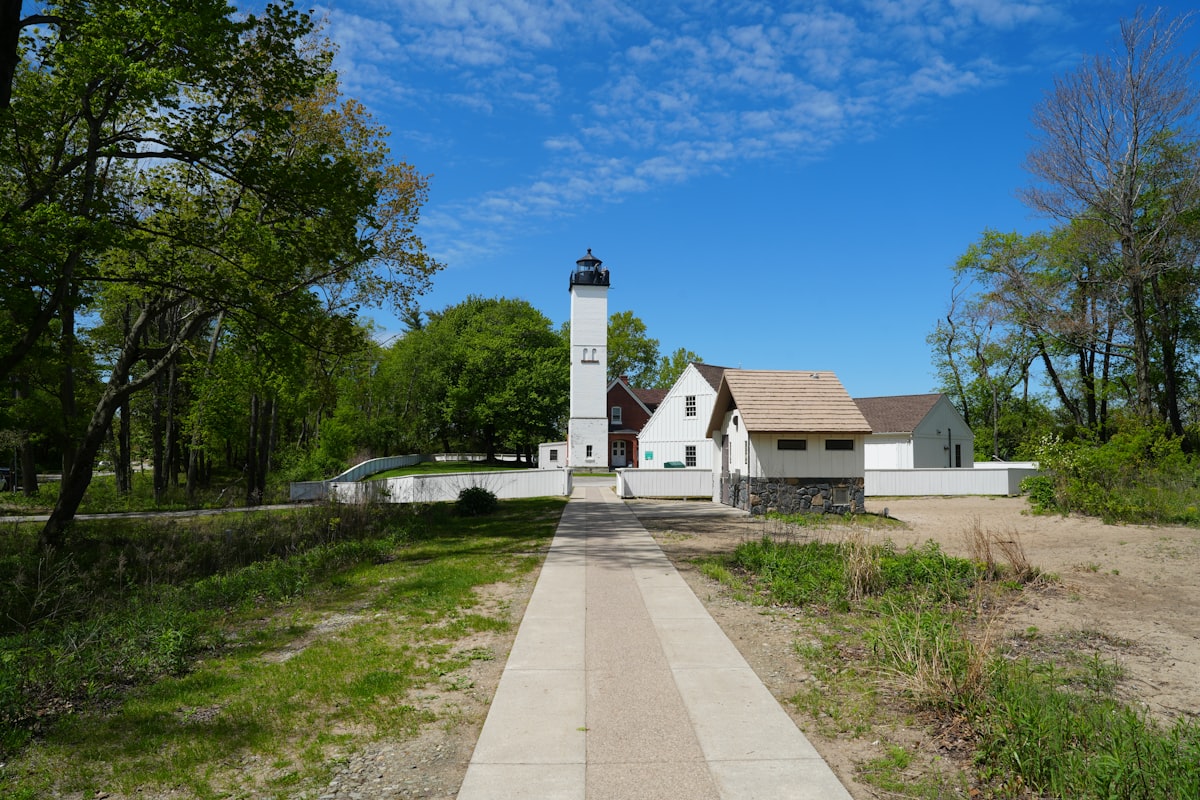

Erie sits on Pennsylvania's only Great Lakes shoreline, wrapped around Presque Isle, a sandy peninsula that curls out into Lake Erie and shelters a big, fishy bay. That geography gives Erie an unusual range: a world-famous steelhead fishery in the creeks each fall and winter, excellent walleye and yellow perch out on the lake, and easy, accessible bass and panfish fishing in Presque Isle Bay that's perfect for beginners and families. For a first-timer, Erie is one of the most varied and welcoming fishing towns in the region. This guide walks through each fishery.
For the bigger picture, the lake, the bay, and the tributaries, read our complete Erie fishing guide.
First: License and the Lake Erie Permit
Anyone 16 or older needs a Pennsylvania fishing license, and to fish Lake Erie, its tributaries, or Presque Isle Bay you also need a Lake Erie permit (or the combination trout/Lake Erie permit). Buy both online from the Pennsylvania Fish & Boat Commission; short-term options exist for visitors. Steelhead, walleye, perch, and bass all have size and creel limits that change, and steelhead regulations on the tributaries can vary by section and season, so check the current PFBC Lake Erie regulations before you keep fish.
Steelhead: Erie's Famous Run
Erie is one of the best steelhead fisheries in the country, and it's the reason a lot of anglers make the trip. Steelhead are lake-run rainbow trout, they live in Lake Erie and run up the tributary creeks each fall and winter to spawn, stacking into the streams by the thousands. Elk Creek (the largest tributary) and Walnut Creek are the most popular, both stocked with steelhead, and the run typically builds from October through the winter with rain and cooling water.
You catch them in the creeks a few ways. The most common is a float (bobber) rig: a slip float (a Raven FM Float) suspending an egg sac, a single bead, or a small jig, drifted naturally through the holes and runs where steelhead hold. Fly anglers swing or dead-drift egg patterns, sucker spawn, and nymphs. Spin anglers drift the same baits or throw small spoons and spinners. The key is a natural, drag-free drift through the deeper slots, seams, and tail-outs where fish stack up, and the bite is best after a rain bumps the creek flows and pulls fresh fish in. These are big, powerful, chrome fish in small water, hooking one is a thrill, and a 7- to 10-foot light "noodle" rod with a soft tip protects the light leader you'll need in clear water.
Great Lakes Tributary Steelhead FishingLake Erie: Walleye and Yellow Perch
Out on the big lake, Erie is famous for two table fish. Walleye are caught mainly by trolling, pulling worm harnesses behind in-line weights or boards, or crankbaits like a Bandit or Reef Runner, over the open lake and the reefs in summer and fall. A line-counter reel (a Shimano Tekota) and planer boards (Off Shore Tackle) spread the lines and let you repeat the depth that's producing. The walleye fishing on the PA shore can be outstanding, and it's almost entirely a boat (or charter) game.
Yellow perch are the other Lake Erie staple and one of the best eating fish anywhere. They school over the bottom in 30 to 60 feet, and you catch them on a simple perch rig, a two- or three-hook spreader baited with live emerald shiners or minnows, dropped to the bottom and held still. When you find a school, the action is fast and a meal comes quick. Perch fishing is beginner-friendly and a great charter option in late summer and fall.
Trolling for Walleye on Lake EriePresque Isle Bay: The Easy, Accessible Fishery
Presque Isle Bay is one of the largest natural bays on the Great Lakes, sheltered behind the peninsula, with easy shore and boat access, and it's the best place for a beginner or a family to fish in Erie. The bay holds smallmouth and largemouth bass, yellow perch, crappie, bluegill, walleye, northern pike, and muskellunge. From the many shoreline access points, piers, and Presque Isle State Park itself, you can fish a bobber-and-minnow for perch and panfish, cast soft plastics for bass around the weed edges and docks, or set a big bait for pike. It's calm, protected water you can fish without a boat, making it the ideal first stop in Erie.
Smallmouth Bass
Lake Erie and Presque Isle Bay grow outstanding smallmouth bass, and summer is prime. Smallies relate to rock, gravel, and structure, the bay's shorelines and the lake's reefs and humps. Throw a Ned rig (a small soft plastic on a mushroom jighead), a tube, a Z-Man soft plastic, or a crankbait, and hold on, Lake Erie smallmouth are famous for their size and fight. A 7-foot medium spinning rod with a 3000-size reel and 10- to 15-pound braid is the right tool, and the bay is shallow and accessible enough to fish smallmouth from shore or a kayak.
Winter: Ice Fishing the Bay
When Presque Isle Bay freezes (typically mid-winter, ice permitting), it becomes a productive ice fishery for yellow perch, crappie, bluegill, and the occasional walleye or pike. Drill over the same flats and weed edges, jig a small tungsten jig tipped with a waxworm or a minnow head, and use a flasher to find the fish. Ice conditions on the bay vary year to year, so always check thickness (at least four inches of clear ice) and local reports before heading out, never assume.
Reading the Steelhead Creeks
The skill that turns a frustrating steelhead day into a great one is reading the creek and timing the water. Fresh steelhead pull in from the lake on a rising, slightly stained flow after rain, then settle into the deeper holes, slots, and tail-outs as the water drops and clears. So the ideal window is the day or two after a good rain, when the creeks have "color" (a green tint, not chocolate mud) and dropping flows. Find the deeper, slower holding water, the gut of a pool, the seam beside the fast current, the soft tail-out at the bottom of a run, and drift your float so the bait ticks along just off the bottom at the speed of the current. Set the depth so your egg sac or jig rides a foot or so off bottom, and set the hook on any unnatural pause of the float. In low, clear, cold water (common in mid-winter) the fish get spooky, so drop to lighter fluorocarbon, smaller baits, and natural egg colors, and fish first light before the crowds. The Erie tributaries get busy on weekends during the peak run, so going early and midweek pays off in both fish and elbow room.
Reading Lake Erie and Staying Safe
Out on the big lake, the same two rules apply as anywhere: find the structure and fish the conditions. Walleye and perch relate to bottom structure, depth changes, and bait schools, which is why electronics and local knowledge are so valuable, the captains who do this every day know which reefs, humps, and depths are holding fish that week. Wind is the other huge factor. Lake Erie is shallow and can build a steep, dangerous chop with frightening speed, and the western basin is especially notorious. For a first-timer that means two things: fish the open lake from a charter or an experienced boater, not a small rented craft, and always check the marine forecast, a calm morning can turn nasty by afternoon. When the lake is rough, the sheltered Presque Isle Bay is the safe, productive fallback, which is one more reason the bay is the heart of beginner fishing in Erie.
More on Walleye and Perch
Walleye are a low-light, structure-oriented fish even on the big lake, so the trolling bite is often best early and late and on overcast, breezy "walleye chop" days. Captains run a spread of worm harnesses, crawler-tipped spinners, and crankbaits at staggered depths off planer boards until they dial in what the fish want, then repeat it, which is why a line-counter reel matters so you can put baits back at the exact depth that produced. Yellow perch, by contrast, are a simple, deadly-fun fishery: once you anchor or drift over a school holding near the bottom, drop a shiner-baited spreader rig down, and the bites come fast. Perch move around, so finding the school is the whole game, when the bites slow, move and look again. Both walleye and perch are outstanding table fare, which is why Lake Erie is as much a "fish for dinner" destination as a sport fishery; keep what's legal, ice your catch, and you'll eat very well.
A Note on Conservation
Steelhead are a put-and-take and wild-mix fishery that thousands of anglers share each season, so handle them well: barbless or pinched hooks make release easy, keep fish wet and support them gently, and let a tired steelhead recover before it swims off. On the lake, respect the walleye and perch limits, these populations are managed carefully across multiple states and provinces, and the fishery stays world-class only when anglers follow the rules. Take a meal, not a massacre, and the next angler (and the next season) benefits.
Gear: What to Bring
On a charter, gear is provided. Fishing on your own, a few setups cover Erie:
- Steelhead: a 9- to 10.5-foot light "noodle" or float rod, a spinning or centerpin reel, light fluorocarbon leader, slip floats, egg sacs, beads, and jigs.
- Lake walleye/perch: trolling gear (a Shimano Tekota line-counter, worm harnesses, crankbaits, planer boards) for walleye; a perch spreader rig and live shiners for perch, easiest on a charter.
- Bass/panfish: a 7-foot medium spinning rod, a 3000-size reel, Ned rigs, tubes, and a bobber-and-minnow for the bay.
- Winter: an ice rod, auger, flasher, tungsten jigs, and warm gear.
When to Go
- Spring (April–June): Bass and panfish wake up in the bay; some lingering steelhead in the creeks; walleye fishing begins.
- Summer (July–August): Prime smallmouth bass in the bay and lake, and walleye trolling on the lake. Warm, accessible fishing.
- Fall (September–November): The marquee season, the steelhead run builds in the tributaries, walleye and perch fishing peak, and the whole area fishes well. Erie's best stretch.
- Winter (December–February): Continued tributary steelhead on milder days and ice fishing for perch and panfish in the bay when it locks up.
A First-Timer's Plan
For your first trip, match the season: in fall or winter, hire a steelhead guide for the creeks, they supply the float gear and read the water that makes steelhead click. In summer, book a Lake Erie charter for walleye or perch, or simply fish Presque Isle Bay from shore with a bobber and minnows for perch and panfish, or Ned rigs for smallmouth. The bay is the easiest, cheapest, most family-friendly start. Buy your Pennsylvania license and Lake Erie permit online first, and check the tributary steelhead regulations before you fish them.
For the full seasonal calendar and the charter rundown, see our complete Erie fishing guide. Fishing more of Lake Erie and the Great Lakes? We also have first-timer guides for Lake Erie's Ohio shore and Duluth.